Exercise for Stress Relief: A Holistic Approach

How to incorporate exercise into your stress management routine

How to incorporate exercise into your stress management routine is a powerful strategy for enhancing overall well-being. Stress is a common part of life, and while it can be a motivator, chronic stress can negatively impact physical and mental health.

Exercise offers a natural and effective way to manage stress by releasing endorphins, improving mood, and promoting relaxation.

This article explores the multifaceted benefits of exercise in stress management, providing practical tips for incorporating physical activity into your daily routine. From understanding the physiological mechanisms behind exercise-induced stress reduction to designing personalized exercise plans, we’ll delve into various aspects of this essential topic.

Understanding the Link Between Exercise and Stress Management

Exercise is not just about building muscles and improving physical fitness; it’s also a powerful tool for managing stress. When you exercise, your body releases endorphins, which have mood-boosting effects and can help to reduce feelings of anxiety and depression.

Exercise also helps to regulate stress hormones like cortisol, which can contribute to feelings of stress and anxiety.

The Physiological and Psychological Benefits of Exercise in Reducing Stress

Regular physical activity offers numerous physiological and psychological benefits that contribute to effective stress management.

Physiological Benefits

  • Reduced Cortisol Levels:Exercise helps regulate cortisol, the stress hormone. When cortisol levels are elevated, they can lead to feelings of anxiety, irritability, and difficulty sleeping. Regular exercise can help lower cortisol levels, promoting a sense of calm and well-being.
  • Improved Cardiovascular Health:Exercise strengthens the heart and improves blood flow, which can reduce the physical symptoms of stress, such as rapid heartbeat and shortness of breath.
  • Enhanced Sleep Quality:Exercise can improve sleep quality by promoting relaxation and reducing stress levels. Regular physical activity can help regulate your body’s natural sleep-wake cycle, making it easier to fall asleep and stay asleep.

Psychological Benefits

  • Increased Endorphin Release:Exercise triggers the release of endorphins, natural mood boosters that have pain-relieving and stress-reducing effects. Endorphins can create a sense of euphoria and well-being, helping to counteract the negative effects of stress.
  • Improved Mood and Cognitive Function:Exercise has been shown to improve mood, reduce anxiety, and enhance cognitive function. It can help to boost self-esteem, increase energy levels, and improve focus and concentration.
  • Stress Relief and Coping Mechanisms:Exercise provides an outlet for releasing pent-up energy and frustration, helping to reduce stress levels. It can also serve as a healthy coping mechanism for dealing with challenging situations.

The Role of Endorphins and Stress Hormones in Exercise-Induced Stress Reduction

Exercise’s stress-reducing effects are closely tied to the interplay of endorphins and stress hormones.

  • Endorphins:These natural pain relievers and mood elevators are released during exercise, creating a sense of euphoria and well-being. Endorphins can counteract the negative effects of stress hormones, promoting relaxation and reducing anxiety.
  • Stress Hormones:Exercise helps regulate the release of stress hormones like cortisol. When you exercise, your body releases cortisol, but regular physical activity helps to reduce overall cortisol levels, promoting a sense of calm and reducing the negative effects of stress.

Examples of How Exercise Can Improve Mood, Focus, and Sleep Quality

  • Improved Mood:A study published in the Journal of Happiness Studies found that people who exercised regularly reported feeling happier and more satisfied with their lives.
  • Enhanced Focus:Exercise can improve focus and concentration by increasing blood flow to the brain and promoting the growth of new brain cells. Research suggests that even moderate exercise can enhance cognitive function, including attention, memory, and problem-solving abilities.
  • Better Sleep Quality:Exercise can improve sleep quality by promoting relaxation and reducing stress levels. A study published in the journal Sleep found that people who exercised regularly were more likely to report having better sleep quality.

Incorporating Exercise into Your Routine

How to incorporate exercise into your stress management routine

Integrating exercise into your daily life is a crucial step towards managing stress effectively. Regular physical activity helps release endorphins, which have mood-boosting effects, and reduces levels of stress hormones like cortisol. This not only improves your mental well-being but also enhances your overall health and fitness.

Designing a Sample Exercise Plan

Creating a personalized exercise plan is essential for achieving sustainable results. It should consider your current fitness level, time constraints, and preferences. Here’s a sample plan that caters to different levels and time limitations:

Beginner Level (15-20 minutes per day, 3 days a week)

  • Start with brisk walking for 15 minutes, gradually increasing the duration and intensity as you feel comfortable.
  • Include bodyweight exercises like squats, lunges, and push-ups, starting with 2 sets of 10 repetitions for each exercise.
  • Engage in light yoga or stretching for 5-10 minutes to improve flexibility and reduce muscle tension.

Intermediate Level (30-40 minutes per day, 4 days a week)

  • Combine brisk walking with jogging or cycling for 30 minutes, incorporating intervals of higher intensity.
  • Increase the number of sets and repetitions for bodyweight exercises, aiming for 3 sets of 12-15 repetitions for each exercise.
  • Explore beginner-level strength training exercises using light weights or resistance bands.

Advanced Level (45-60 minutes per day, 5 days a week)

  • Engage in more intense activities like running, swimming, or cycling for 45-60 minutes, incorporating interval training for improved cardiovascular fitness.
  • Progress to more challenging bodyweight exercises or strength training with heavier weights, aiming for 3-4 sets of 8-12 repetitions for each exercise.
  • Include advanced yoga or Pilates classes for improved strength, flexibility, and balance.

Finding Enjoyable and Sustainable Exercise Activities

To make exercise a regular part of your routine, it’s crucial to find activities that you genuinely enjoy. This will help you stay motivated and prevent burnout.

  • Explore Different Activities:Experiment with various types of exercise, such as dancing, swimming, hiking, or team sports, to discover what resonates with you.
  • Incorporate Variety:Mix up your exercise routine to keep things interesting and prevent boredom. Alternate between different activities or incorporate different types of training within the same session.
  • Find a Workout Buddy:Having a workout partner can provide motivation, accountability, and social support, making exercise more enjoyable.
  • Listen to Music or Podcasts:Listening to your favorite music or podcasts during exercise can distract you from the effort and make the time pass faster.
  • Set Realistic Goals:Start with small, achievable goals and gradually increase the intensity or duration of your workouts as you progress. This will help you avoid feeling overwhelmed and discouraged.

The Importance of Consistency and Gradual Progression

Consistency is key to reaping the benefits of exercise for stress management. It’s better to engage in short, regular workouts than to do infrequent, intense sessions.

  • Start Slowly:Begin with a manageable amount of exercise and gradually increase the duration, intensity, or frequency over time. This allows your body to adapt and prevents injuries.
  • Listen to Your Body:Pay attention to your body’s signals and take rest days when needed. Pushing yourself too hard can lead to burnout and injury.
  • Be Patient:It takes time to build fitness and experience the full benefits of exercise. Don’t get discouraged if you don’t see results immediately. Stay consistent and trust the process.

Exercise Types for Stress Management

Different types of exercise offer unique benefits for stress relief. Understanding these benefits can help you choose the best activities for your individual needs and preferences.

Benefits of Different Exercise Types

The benefits of different exercise types for stress relief can be categorized as follows:

  • Cardiovascular Exercise: Cardio exercises like running, swimming, or cycling elevate your heart rate and improve blood circulation. This can help reduce stress hormones like cortisol and boost the production of endorphins, which have mood-boosting effects. Regular cardio can also improve sleep quality, which is essential for managing stress.

  • Strength Training: Strength training exercises, such as weightlifting or resistance band workouts, build muscle mass and improve bone density. They can also help reduce stress by releasing endorphins and improving self-confidence. Strength training can also help you manage chronic conditions like obesity and diabetes, which are often associated with stress.

  • Yoga: Yoga combines physical postures with breathing techniques and meditation. This combination helps to relax the body and mind, reducing stress and anxiety. Yoga can also improve flexibility, balance, and range of motion, which can be beneficial for overall well-being.

Mindfulness and Breathing Exercises

Mindfulness and breathing exercises can enhance the stress-reducing effects of exercise by bringing your attention to the present moment. This can help you become more aware of your physical sensations and emotional state, allowing you to better manage stress. Some examples of mindfulness and breathing exercises include:

  • Mindful Walking: Pay attention to the sensations of your feet on the ground, the movement of your body, and the sounds around you. This can help you stay grounded and present.
  • Box Breathing: Inhale deeply for four counts, hold your breath for four counts, exhale slowly for four counts, and hold your breath again for four counts. This rhythmic breathing pattern can help calm your nervous system.

Examples of Exercises for Daily Life

Incorporating exercise into your daily life doesn’t have to be complicated. Here are some simple exercises you can do:

  • Walking: Aim for at least 30 minutes of brisk walking most days of the week. You can walk to work, take a walk during your lunch break, or go for a walk after dinner.
  • Taking the Stairs: Instead of taking the elevator, take the stairs whenever possible. This is a great way to get some quick cardio and build leg strength.
  • Stretching Breaks: Take short breaks throughout the day to stretch your muscles. This can help relieve tension and improve your posture.

Creating a Holistic Stress Management Approach

While exercise is a powerful tool for stress management, it’s crucial to recognize that it’s just one piece of the puzzle. A holistic approach encompasses a variety of strategies that work synergistically to enhance overall well-being and resilience.

Combining Exercise with Other Stress Management Techniques

Integrating exercise with other stress management techniques creates a comprehensive approach that addresses various aspects of stress. Mindfulness practices, such as meditation and deep breathing exercises, can complement the physical benefits of exercise by promoting relaxation and emotional regulation. Relaxation techniques, like progressive muscle relaxation or yoga, can further enhance stress reduction by reducing muscle tension and promoting a sense of calm.

Moreover, incorporating healthy lifestyle choices, such as a balanced diet, adequate sleep, and social connections, can significantly contribute to stress management. By addressing these fundamental aspects of well-being, you create a supportive environment that amplifies the positive effects of exercise.

Exercise’s Contribution to Overall Well-being and Mental Resilience

Regular exercise not only reduces stress but also enhances overall well-being and mental resilience. Physical activity releases endorphins, which have mood-boosting effects and promote feelings of happiness and well-being. It also improves sleep quality, reduces anxiety and depression symptoms, and boosts self-esteem and confidence.

Furthermore, exercise helps build resilience by strengthening the body’s stress response system. This allows you to cope with challenges more effectively and recover from stressful situations more quickly. By developing a regular exercise routine, you cultivate a foundation of physical and mental strength that can withstand life’s inevitable stressors.

Identifying and Managing Stress Triggers

To effectively manage stress, it’s essential to identify your personal stress triggers. These can be anything from work deadlines to interpersonal conflicts, traffic jams, or financial worries. Once you understand what triggers your stress, you can develop strategies to minimize their impact or manage your reactions to them.

  • Keep a Stress Diary:Regularly record your stress levels, noting the time, location, and specific events or situations that contribute to stress. This can help you identify patterns and pinpoint your primary triggers.
  • Practice Stress-Reducing Techniques:When you encounter a trigger, try to implement stress-reducing techniques, such as deep breathing exercises, mindfulness meditation, or progressive muscle relaxation. These can help calm your nervous system and prevent the escalation of stress.
  • Seek Support:Don’t hesitate to reach out to friends, family, or a therapist for support and guidance. Talking about your stress can help you process your emotions and develop coping mechanisms.

Stress Management and Healthy Lifestyle

Stress management and a healthy lifestyle are interconnected. A healthy lifestyle provides the foundation for effective stress management, while effective stress management supports a healthy lifestyle. By incorporating healthy habits into your daily routine, you can enhance your ability to cope with stress and improve your overall well-being.

The Role of Nutrition, Sleep, and Hydration in Stress Reduction

Maintaining a balanced diet, getting adequate sleep, and staying hydrated are crucial for managing stress.

Nutrition

A healthy diet provides your body with the nutrients it needs to function optimally, including managing stress. A balanced diet rich in fruits, vegetables, whole grains, and lean protein can help regulate blood sugar levels, stabilize mood, and improve energy levels.

  • Avoid processed foods, sugary drinks, and excessive caffeine, as these can contribute to mood swings and energy crashes.
  • Include foods rich in omega-3 fatty acids, such as salmon, walnuts, and flaxseeds, which have been linked to improved mood and cognitive function.
  • Consume foods rich in B vitamins, such as leafy green vegetables, beans, and whole grains, as they play a role in stress hormone regulation.

Sleep

Sleep is essential for physical and mental restoration. When you’re sleep-deprived, your body releases more cortisol, the stress hormone. Aim for 7-9 hours of quality sleep each night.

  • Establish a regular sleep schedule, going to bed and waking up around the same time each day, even on weekends.
  • Create a relaxing bedtime routinethat signals to your body that it’s time to wind down, such as taking a warm bath, reading a book, or listening to calming music.
  • Optimize your sleep environmentby ensuring your bedroom is dark, quiet, and cool.

Hydration

Staying hydrated is crucial for overall health and well-being, including stress management. Dehydration can lead to fatigue, headaches, and irritability, which can exacerbate stress.

  • Drink plenty of water throughout the day, aiming for at least 8 glasses.
  • Limit sugary drinks, as they can dehydrate you.
  • Carry a reusable water bottlewith you and refill it regularly.

Mental Clarity and Emotional Wellbeing: How To Incorporate Exercise Into Your Stress Management Routine

Stress can have a profound impact on our mental clarity and emotional well-being, often leading to feelings of overwhelm, anxiety, and difficulty concentrating. Exercise, however, can serve as a powerful antidote to these negative effects, promoting a sense of calm and focus.

Improving Cognitive Function and Emotional Regulation

Regular physical activity has been shown to enhance cognitive function and improve emotional regulation. Exercise increases blood flow to the brain, delivering vital oxygen and nutrients that support optimal brain function. This can lead to improvements in memory, attention, and overall cognitive performance.

Moreover, exercise releases endorphins, which have mood-boosting effects and help to reduce stress hormones like cortisol. This can contribute to a more balanced emotional state and a greater ability to manage stress effectively.

Incorporating Mindfulness and Meditation into Exercise Routines

Mindfulness and meditation practices can be seamlessly integrated into exercise routines to enhance their stress-reducing benefits. By focusing on the present moment during physical activity, we can cultivate a sense of awareness and acceptance, reducing the impact of negative thoughts and emotions.

  • Mindful Breathing:During exercise, pay attention to your breath, noticing the sensation of each inhale and exhale. This simple practice can help to anchor you in the present moment and promote a sense of calm.
  • Body Scan:As you move through your exercise routine, take a few moments to scan your body, noticing any sensations of tension or tightness. Gently release any tension you find, allowing your body to relax and move with ease.
  • Mindful Movement:Engage in activities that allow you to fully connect with your body and movement, such as yoga, tai chi, or walking in nature. These practices encourage mindful awareness and can promote a sense of peace and well-being.

Active Lifestyle and Cardiovascular Health

Maintaining an active lifestyle is crucial for overall health and well-being, especially for cardiovascular health. Regular exercise strengthens the heart muscle, improves blood flow, and lowers the risk of heart disease and stroke.

Exercise and Cardiovascular Health

Exercise plays a vital role in maintaining a healthy heart. It helps improve cardiovascular health by:

  • Strengthening the Heart Muscle:Regular exercise strengthens the heart muscle, making it more efficient at pumping blood throughout the body.
  • Lowering Blood Pressure:Exercise helps regulate blood pressure by improving blood vessel function and reducing stress hormones.
  • Improving Blood Flow:Exercise increases blood flow, delivering oxygen and nutrients to the heart and other organs, reducing the risk of blockages.
  • Lowering Cholesterol Levels:Exercise helps lower bad cholesterol (LDL) levels and raise good cholesterol (HDL) levels, reducing the risk of plaque buildup in arteries.
  • Reducing Body Fat:Exercise helps burn calories and reduce body fat, which is a major risk factor for heart disease.

Reducing the Risk of Heart Disease and Stroke

Studies have shown a strong correlation between regular exercise and a reduced risk of heart disease and stroke.

“Regular physical activity is one of the most important things you can do to improve your cardiovascular health and reduce your risk of heart disease and stroke.”

American Heart Association

Tips for Maintaining a Healthy Heart

Here are some tips for maintaining a healthy heart through regular exercise:

  • Aim for at least 30 minutes of moderate-intensity exercise most days of the week.This could include brisk walking, cycling, swimming, or dancing.
  • Incorporate strength training exercises at least twice a week.Strength training helps build muscle mass, which improves metabolism and helps control blood sugar levels.
  • Listen to your body and take breaks when needed.Avoid overexertion and gradually increase the intensity and duration of your workouts.
  • Talk to your doctor before starting any new exercise program.They can advise you on the best type and intensity of exercise for your individual needs.

Disease Prevention and Immune Support

Regular exercise plays a vital role in disease prevention and immune system enhancement. By engaging in physical activity, you can significantly reduce your risk of developing chronic diseases and bolster your body’s natural defenses against illness.

The Link Between Exercise and Disease Prevention

Exercise has been scientifically proven to be a powerful tool for preventing chronic diseases. Engaging in regular physical activity can significantly reduce your risk of developing conditions such as heart disease, stroke, type 2 diabetes, and certain types of cancer.

  • Heart Health:Exercise strengthens your heart muscle, improves blood flow, and lowers blood pressure, reducing your risk of cardiovascular disease.
  • Diabetes Prevention:Regular exercise helps regulate blood sugar levels, making it an effective strategy for preventing type 2 diabetes.
  • Cancer Risk Reduction:Studies have shown that exercise can decrease the risk of developing certain cancers, including colon, breast, and endometrial cancers.

Healthy Aging and Mental Resilience

Exercise is not just about physical health; it plays a crucial role in maintaining mental well-being, particularly as we age. Regular physical activity can significantly enhance cognitive function, balance, and mobility, contributing to a more fulfilling and independent later life.

Benefits of Exercise for Healthy Aging

Exercise offers numerous benefits for healthy aging and maintaining mental resilience. It helps prevent age-related cognitive decline, improves balance and mobility, and supports overall well-being.

Cognitive Function

  • Improved Memory and Learning:Exercise stimulates the growth of new brain cells and improves blood flow to the brain, enhancing cognitive function, including memory and learning. Research shows that regular physical activity can reduce the risk of age-related cognitive decline and dementia.
  • Enhanced Attention and Focus:Exercise can improve attention span and focus by increasing the levels of neurotransmitters like dopamine and norepinephrine, which are essential for cognitive function.
  • Increased Brain Plasticity:Exercise promotes brain plasticity, the ability of the brain to adapt and change, which is crucial for maintaining cognitive function as we age.

Balance and Mobility

  • Improved Balance and Coordination:Exercise helps improve balance and coordination, reducing the risk of falls and injuries. Activities like yoga, tai chi, and dance can be particularly beneficial for maintaining balance and flexibility.
  • Enhanced Muscle Strength and Endurance:Regular physical activity strengthens muscles and improves endurance, making it easier to perform everyday tasks and maintain mobility.
  • Increased Bone Density:Weight-bearing exercises like walking, running, and weightlifting can help increase bone density, reducing the risk of osteoporosis and fractures.

Tips for Staying Active and Engaged

Staying active and engaged throughout the aging process is crucial for maintaining physical and mental well-being. Here are some tips:

  • Find Activities You Enjoy:Choose activities that you find enjoyable and motivating to make exercise a sustainable part of your routine.
  • Start Gradually and Progress Slowly:Begin with short, low-intensity workouts and gradually increase the duration and intensity as your fitness improves.
  • Seek Professional Guidance:Consult with a healthcare professional or certified personal trainer to create a safe and effective exercise plan that meets your individual needs and abilities.
  • Stay Socially Active:Join fitness classes, walking groups, or social clubs to stay engaged and motivated.
  • Prioritize Sleep and Nutrition:Adequate sleep and a healthy diet are essential for maintaining energy levels and supporting overall well-being.

Stress Relief and Relaxation Techniques

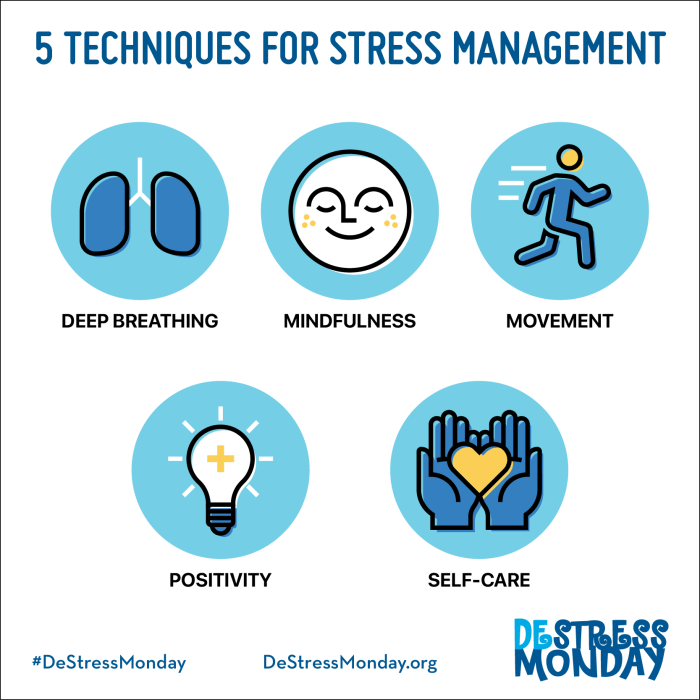
Integrating relaxation techniques into your exercise routine can amplify its stress-reducing effects, creating a holistic approach to well-being. These techniques help calm the nervous system, lower heart rate, and promote a sense of peace, further enhancing the benefits of physical activity.

Deep Breathing Exercises

Deep breathing exercises are a powerful tool for calming the mind and body. They work by slowing down the heart rate, lowering blood pressure, and reducing stress hormones.

  • Diaphragmatic Breathing:This technique involves deep, slow breaths that engage the diaphragm, a large muscle located below the lungs. It helps oxygenate the blood and promote relaxation. To practice diaphragmatic breathing, lie on your back with one hand on your chest and the other on your abdomen.

    Inhale slowly through your nose, allowing your abdomen to rise. Exhale slowly through your mouth, feeling your abdomen fall.

  • Box Breathing:This technique involves breathing in for a count of four, holding your breath for a count of four, exhaling for a count of four, and holding your breath again for a count of four. This rhythmic breathing pattern can help to calm and focus the mind.

  • Alternate Nostril Breathing:This technique involves breathing in through one nostril while blocking the other, then exhaling through the same nostril. Repeat on the other side. This practice is said to balance the left and right hemispheres of the brain, promoting a sense of calm and clarity.

Progressive Muscle Relaxation

Progressive muscle relaxation involves systematically tensing and relaxing different muscle groups in the body. This technique helps to identify and release tension, promoting a state of deep relaxation.

  • Starting from your toes, tense the muscles in your feet for a few seconds, then release.Continue this process, moving up your body, tensing and relaxing each muscle group, including your calves, thighs, buttocks, abdomen, chest, shoulders, arms, hands, neck, and face.
  • As you tense and relax each muscle group, focus on the difference in sensation.Notice the tension building as you contract the muscles and the release of tension as you relax them.
  • Practice progressive muscle relaxation regularly to improve your ability to identify and release tension.You can incorporate it into your daily routine or practice it before bedtime to promote restful sleep.

Mindfulness Meditation

Mindfulness meditation involves focusing your attention on the present moment, without judgment. It helps to train the mind to observe thoughts and feelings without getting carried away by them.

  • Find a quiet place where you can sit or lie down comfortably.Close your eyes and focus your attention on your breath. Notice the sensation of your breath as it enters and leaves your body.
  • As thoughts arise, acknowledge them without judgment and gently return your attention to your breath.It is natural for your mind to wander. The key is to observe your thoughts without getting caught up in them.
  • Start with short sessions of 5-10 minutes and gradually increase the duration as you become more comfortable.You can practice mindfulness meditation anytime and anywhere, even while walking or exercising.

Nutritional Balance and Immune Support

A balanced diet is essential for stress management and immune support. It provides the body with the necessary nutrients to function optimally and resist stress, thereby promoting overall well-being.

The Role of Essential Nutrients

Essential nutrients, including vitamins, minerals, and antioxidants, play a crucial role in maintaining overall health and resilience against stress. * Vitamins:Vitamins like B vitamins (B6, B12, and folate) support energy production, nerve function, and mood regulation. Vitamin C is a powerful antioxidant that helps protect cells from damage caused by stress.

Minerals

Minerals like magnesium, zinc, and selenium are essential for various bodily functions, including stress response regulation, immune function, and cell repair.

Antioxidants

Antioxidants, such as vitamins C and E, protect cells from damage caused by free radicals, which are unstable molecules that contribute to aging and disease.

Nutrient-Rich Foods for Stress Reduction and Immune Function

A diet rich in nutrient-rich foods can significantly enhance stress management and immune support. * Fruits and Vegetables:Fruits and vegetables are excellent sources of vitamins, minerals, and antioxidants. Examples include berries, citrus fruits, leafy greens, broccoli, and carrots.

Whole Grains

Whole grains, such as brown rice, quinoa, and oats, provide fiber, B vitamins, and magnesium, which are important for energy, mood, and stress management.

Lean Protein

Lean protein sources, such as fish, poultry, beans, and lentils, provide essential amino acids for building and repairing tissues, as well as supporting immune function.

Healthy Fats

Healthy fats, found in avocados, nuts, and seeds, provide essential fatty acids that support brain function, hormone balance, and inflammation reduction.

Sleep Hygiene and Mental Clarity

A good night’s sleep is essential for stress management and mental clarity. It’s during sleep that our bodies and minds can rest and repair, allowing us to wake up feeling refreshed and ready to face the day. When we consistently get enough sleep, we are better equipped to handle stress, improve our cognitive function, and enhance our emotional well-being.

Impact of Sleep Deprivation on Stress Levels

Sleep deprivation can have a significant impact on our stress levels. When we are sleep-deprived, our bodies release more of the stress hormone cortisol. This can lead to feelings of anxiety, irritability, and difficulty concentrating. Chronic sleep deprivation can also weaken our immune system, making us more susceptible to illness, which can further contribute to stress.

Sleep Deprivation and Cognitive Function

Sleep deprivation can significantly impair cognitive function. It can affect our ability to think clearly, make decisions, and remember information. Studies have shown that sleep deprivation can lead to reduced attention span, slower reaction times, and poor decision-making.

Sleep Deprivation and Emotional Well-being, How to incorporate exercise into your stress management routine

Sleep deprivation can also negatively impact our emotional well-being. It can lead to feelings of sadness, irritability, and mood swings. In some cases, chronic sleep deprivation can even contribute to the development of mental health conditions such as depression and anxiety.

Tips for Establishing Healthy Sleep Habits

Establishing healthy sleep habits can significantly improve our sleep quality and overall well-being. Here are some tips:

  • Establish a Regular Sleep Schedule:Go to bed and wake up around the same time each day, even on weekends, to regulate your body’s natural sleep-wake cycle.
  • Create a Relaxing Bedtime Routine:Engage in calming activities like taking a warm bath, reading a book, or listening to soothing music before bed to signal your body that it’s time to wind down.
  • Optimize Your Sleep Environment:Ensure your bedroom is dark, quiet, and cool for optimal sleep. Consider using blackout curtains, earplugs, or a white noise machine to minimize distractions.
  • Avoid Caffeine and Alcohol Before Bed:These substances can interfere with sleep quality. Avoid consuming them several hours before bedtime.
  • Limit Screen Time Before Bed:The blue light emitted from electronic devices can suppress melatonin production, making it harder to fall asleep. Avoid using screens for at least an hour before bed.
  • Get Regular Exercise:Regular physical activity can improve sleep quality, but avoid exercising too close to bedtime.
  • See a Doctor if You Have Persistent Sleep Problems:If you experience persistent sleep difficulties, consult a doctor to rule out any underlying medical conditions.

Improving Sleep Quality

Here are some additional tips for improving sleep quality:

  • Avoid Large Meals Before Bed:Eating a heavy meal close to bedtime can disrupt sleep.
  • Take a Nap if Needed:Short naps can be beneficial, but avoid long naps or napping late in the afternoon.
  • Use a Comfortable Mattress and Pillow:A comfortable sleep environment can significantly improve sleep quality.
  • Keep Your Bedroom Well-Ventilated:Ensure adequate airflow in your bedroom to promote a comfortable sleep environment.
  • Avoid Smoking:Smoking can disrupt sleep and worsen sleep disorders.

Hydration Importance and Exercise Performance

Staying hydrated is crucial for optimal exercise performance and stress management. Water plays a vital role in regulating body temperature, transporting nutrients, and removing waste products, all of which are essential for maintaining physical and mental well-being.

Hydration and Exercise Performance

Proper hydration is critical for optimal exercise performance. Water helps regulate body temperature, transports nutrients to muscles, and removes waste products from the body. When you’re dehydrated, your body can’t function as efficiently, leading to fatigue, muscle cramps, and reduced performance.

Staying Hydrated Before, During, and After Exercise

  • Before Exercise:Drink plenty of water in the hours leading up to your workout. Aim for 17-20 ounces of water two to three hours before exercise and 8 ounces about 30 minutes before.
  • During Exercise:Sip on water regularly throughout your workout, especially during intense sessions. You should aim to drink 4-8 ounces of water every 15-20 minutes.
  • After Exercise:Replenish your fluids by drinking water or sports drinks to replace lost electrolytes. Aim to drink 16 ounces of water for every pound of body weight lost during exercise.

Health Screenings and Disease Prevention

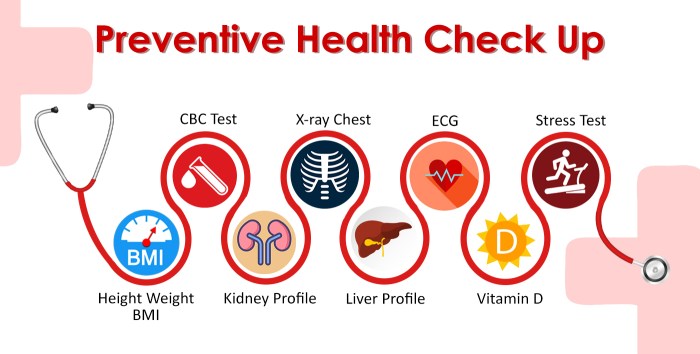
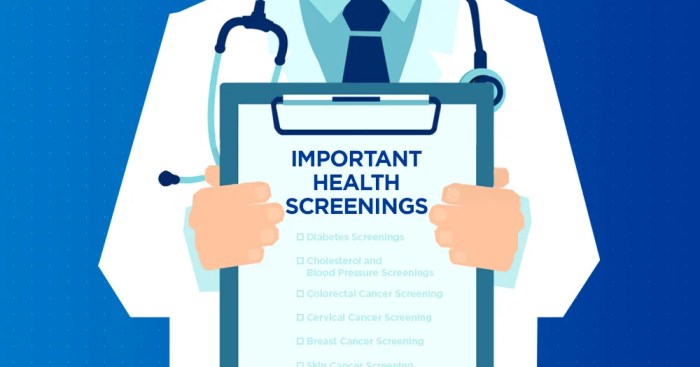
Regular health screenings play a crucial role in early disease detection and prevention, empowering individuals to take proactive steps towards maintaining their well-being. By identifying potential health issues at their initial stages, screenings allow for timely interventions and treatment, potentially improving outcomes and reducing the severity of conditions.

Moreover, incorporating exercise into your routine can significantly contribute to overall health, reducing the risk of developing chronic diseases and enhancing your quality of life.

The Importance of Regular Health Screenings

Regular health screenings are essential for early disease detection, allowing for prompt treatment and improved health outcomes. Screenings can identify various health conditions, including:

  • Cardiovascular disease:Screenings for blood pressure, cholesterol levels, and electrocardiograms (EKGs) can detect early signs of heart disease, enabling timely interventions to reduce the risk of heart attacks and strokes.
  • Cancer:Regular screenings for various cancers, such as breast, cervical, colorectal, and prostate cancer, can significantly increase the chances of early detection and successful treatment.
  • Diabetes:Screenings for blood glucose levels can identify prediabetes or type 2 diabetes, allowing for lifestyle modifications or early medical management to prevent complications.
  • Other conditions:Screenings can also detect conditions like osteoporosis, thyroid disorders, and vision and hearing problems, enabling early intervention and management.

Last Recap

By integrating exercise into your stress management routine, you can unlock a wealth of benefits, including reduced stress levels, improved mood, enhanced sleep quality, and increased resilience. Remember, consistency is key. Start with small steps and gradually increase your activity levels as you feel more comfortable.

Listen to your body, find enjoyable activities, and embrace the transformative power of movement for a healthier, happier you.

FAQs

What if I don’t have time for exercise?

Even short bursts of activity can make a difference. Aim for 10-15 minutes of brisk walking or light exercise throughout your day. You can also incorporate exercise into your daily routine by taking the stairs, walking during your lunch break, or doing stretches while watching TV.

What are some good exercises for stress relief?

Cardio exercises like running, swimming, and cycling are excellent for releasing endorphins. Yoga and tai chi combine physical movement with mindfulness, offering a holistic approach to stress management. Strength training can also improve mood and boost confidence.

How can I make exercise a habit?

Start with small, achievable goals and gradually increase your activity levels. Find activities you enjoy and schedule them into your week. It’s also helpful to have a workout buddy or join a fitness class for motivation and support.
Hydration and its importance for maintaining body temperature: A Vital Connection

Hydration and its importance for maintaining body temperature

Importance of Hydration for Maintaining Body Temperature

Hydration and its importance for maintaining body temperature – Proper hydration plays a vital role in regulating body temperature, especially during physical activity or exposure to hot environments. Water is essential for the body’s thermoregulation process, helping to maintain a stable internal temperature.

Dehydration and its Impact on Temperature Regulation, Hydration and its importance for maintaining body temperature

When the body is dehydrated, it loses the ability to effectively regulate temperature. Dehydration reduces the body’s ability to sweat, which is a crucial mechanism for cooling down. As a result, the risk of overheating and heat-related illnesses increases significantly.

Water’s Role in Cooling the Body

During physical activity, the body generates heat, causing the internal temperature to rise. Sweat is produced to cool the body down through evaporation. Adequate hydration ensures that there is enough water available for sweating, allowing the body to dissipate heat efficiently.

Hydration and Stress Management

Maintaining proper hydration levels is not only crucial for regulating body temperature but also plays a significant role in managing stress levels. Dehydration can lead to increased feelings of stress and anxiety, making it essential to prioritize hydration for overall well-being.

Connection between Hydration and Stress Levels

  • Dehydration can impact cognitive function and mood, contributing to higher stress levels.
  • Staying hydrated helps support proper brain function and can improve resilience to stressors.
  • Research shows that even mild dehydration can affect mood and cognitive performance, leading to increased stress.

How Staying Hydrated Helps Manage Stress

  • Hydration plays a role in regulating cortisol levels, the stress hormone in the body.
  • Proper hydration can improve focus and concentration, aiding in stress management.
  • Drinking water can have a calming effect on the body and mind, reducing feelings of stress and tension.

Tips for Maintaining Hydration During Stressful Situations

  • Carry a reusable water bottle with you to ensure easy access to water throughout the day.
  • Set reminders or create a schedule to drink water regularly, especially during busy or stressful periods.
  • Incorporate hydrating foods like fruits and vegetables into your diet to supplement your water intake.
  • Avoid excessive consumption of caffeinated or sugary beverages, as they can contribute to dehydration.
  • Practice mindful hydration by paying attention to your body’s thirst signals and responding promptly.

Hydration in a Healthy Lifestyle

Proper hydration is essential for maintaining a healthy lifestyle as it plays a crucial role in various bodily functions.

Impact of Hydration on Overall Well-being

  • Hydration helps in regulating body temperature, aiding digestion, and transporting nutrients throughout the body.
  • It also helps in flushing out toxins and waste products, keeping the body functioning optimally.
  • Dehydration can lead to fatigue, headaches, muscle cramps, and overall decreased performance.
  • On the other hand, staying hydrated can improve energy levels, cognitive function, and overall mood.
  • Proper hydration is key to maintaining good health and preventing various health issues.

Strategies for Incorporating Proper Hydration into Daily Routines

  • Carry a reusable water bottle with you throughout the day to remind yourself to drink water regularly.
  • Set reminders on your phone or computer to take water breaks at regular intervals.
  • Incorporate hydrating foods such as fruits and vegetables into your meals and snacks.
  • Drink a glass of water before and after every meal to ensure adequate hydration.
  • Avoid excessive consumption of caffeinated or sugary beverages, as they can dehydrate the body.
  • Listen to your body’s signals and drink water whenever you feel thirsty.

Medical Innovations for Hydration Monitoring

In today’s world, there are numerous innovative technologies available for monitoring hydration levels. These devices provide individuals with the ability to track their hydration status in real-time, allowing for better management of their overall health and well-being.

Hydration Tracking Wearables

One of the most popular innovations in hydration monitoring is the development of hydration tracking wearables. These devices, worn on the wrist or as a patch on the skin, use sensors to measure hydration levels through sweat analysis. By continuously monitoring sweat composition, these wearables can provide insights into hydration status and electrolyte balance.

Smart Water Bottles

Smart water bottles are another technological advancement that can help individuals stay hydrated throughout the day. These bottles are equipped with sensors that track water intake and remind users to drink water at regular intervals. Some smart water bottles even sync with smartphone apps to provide personalized hydration goals based on individual needs.

Urine Color Charts

While not as high-tech as wearables or smart bottles, urine color charts remain a simple yet effective tool for monitoring hydration levels. By comparing the color of urine to a standardized chart, individuals can assess their hydration status and make adjustments to their fluid intake accordingly.

Benefits of Hydration Monitoring Devices

The use of these innovative hydration monitoring devices offers numerous benefits for maintaining optimal hydration. By tracking hydration levels in real-time, individuals can prevent dehydration, improve physical performance, and enhance cognitive function. These devices also promote better awareness of personal hydration habits, leading to long-term health benefits and a reduced risk of dehydration-related complications.

Nutritional Supplements for Hydration

Nutritional supplements can play a crucial role in maintaining hydration levels in the body, especially during intense physical activity or in hot weather conditions. These supplements can help replenish electrolytes lost through sweating and support overall hydration balance.

Key Nutritional Supplements for Hydration

  • Electrolyte Supplements: Electrolytes such as sodium, potassium, magnesium, and calcium are essential for maintaining proper fluid balance in the body. Supplementing with electrolytes can help prevent dehydration and support muscle function during exercise.
  • Hydration Drinks: Specialized hydration drinks containing electrolytes and carbohydrates can be effective in replenishing fluids and nutrients lost during strenuous activities.
  • Coconut Water: Natural coconut water is rich in electrolytes and can be a refreshing and hydrating alternative to traditional sports drinks.

Effectiveness of Electrolyte Supplements for Hydration

Electrolyte supplements can help restore the balance of minerals in the body, regulate fluid levels, and support hydration during periods of increased fluid loss.

Recommendations for Incorporating Supplements into a Hydration Routine

  • Consult with a healthcare provider or nutritionist to determine the right type and amount of supplements based on individual needs and activity levels.
  • Integrate supplements into your pre-workout or post-workout routine to support hydration before and after physical activity.
  • Stay hydrated throughout the day by drinking water regularly and incorporating hydrating foods such as fruits and vegetables into your diet.

Hydration and Fitness Routine: Hydration And Its Importance For Maintaining Body Temperature

Maintaining proper hydration levels is crucial for optimizing your fitness routine and performance. Dehydration can lead to decreased exercise capacity, muscle cramps, and fatigue. Here, we will explore the relationship between hydration and exercise performance, along with guidelines for hydration before, during, and after workouts, and the impact of hydration on recovery and muscle function.

The Relationship Between Hydration and Exercise Performance

Proper hydration is essential for maintaining optimal physical performance during exercise. Dehydration can lead to a decrease in blood volume, which in turn impairs the body’s ability to regulate temperature and deliver nutrients to muscles efficiently. This can result in decreased endurance, strength, and overall performance.

Guidelines for Hydrating Before, During, and After Workouts

– Before Exercise: Drink about 17-20 ounces of water 2-3 hours before your workout.
– During Exercise: Consume 7-10 ounces of water every 10-20 minutes during exercise. For intense workouts lasting longer than an hour, consider a sports drink containing electrolytes to replenish lost minerals.
– After Exercise: Rehydrate by drinking 8 ounces of water within 30 minutes of finishing your workout and continue to drink water throughout the day to replenish fluid lost during exercise.

Impact of Hydration on Recovery and Muscle Function

Proper hydration post-workout is essential for recovery and muscle function. Adequate hydration helps transport nutrients to muscles, remove waste products, and maintain muscle function. Dehydration can prolong recovery time, increase muscle soreness, and hinder muscle repair and growth.

Importance of Hydration in Health Screenings

Maintaining proper hydration levels is crucial when it comes to health screenings. Dehydration can significantly impact the results of various tests and assessments, potentially leading to inaccurate or misleading information.

Impact of Hydration Levels on Health Screenings

  • Dehydration can skew blood test results, affecting levels of important markers such as electrolytes, kidney function indicators, and liver enzymes.
  • Inadequate hydration may alter urine samples, making it harder to detect certain conditions like urinary tract infections or kidney issues.
  • Hydration status can influence imaging tests like MRIs or CT scans, affecting the clarity and accuracy of the images produced.

Hydration for Disease Prevention

Adequate hydration is crucial for disease prevention as it plays a significant role in maintaining overall health and well-being. When our bodies are properly hydrated, it can help prevent certain diseases and ailments, making hydration a key component of a healthy lifestyle.

Link between Hydration and Immune Function

Proper hydration is essential for maintaining a strong immune system. Dehydration can weaken the immune response, making the body more susceptible to infections and illnesses. By staying hydrated, we can support our immune function and better protect ourselves against various diseases.

Hydration’s Role in Disease Prevention Strategies

Hydration is often overlooked as a preventive measure for diseases, but it can have a significant impact on our overall health. Incorporating adequate fluid intake into our daily routine can help prevent conditions such as urinary tract infections, kidney stones, and even certain types of cancers. By staying hydrated, we can support our body’s natural defenses and reduce the risk of developing these diseases.

Hydration and Sleep Hygiene

Proper hydration plays a crucial role in maintaining a healthy sleep routine. Dehydration can disrupt sleep patterns and lead to various sleep disturbances, affecting overall sleep quality.

Relationship between Hydration and Quality of Sleep

Maintaining adequate hydration levels is essential for promoting quality sleep. Dehydration can cause discomfort, leading to frequent awakenings during the night and overall fragmented sleep. To ensure a good night’s rest, it is important to stay hydrated throughout the day.

How Hydration Levels Affect Sleep Patterns

Dehydration can impact the body’s ability to regulate its temperature, which is crucial for falling and staying asleep. When dehydrated, the body may struggle to cool down, leading to restlessness and difficulty in falling asleep. Proper hydration helps in maintaining the body’s temperature regulation, promoting a more restful sleep.

Tips for Maintaining Proper Hydration for Better Sleep Hygiene

  • Drink an adequate amount of water throughout the day, especially during the evening hours.
  • Avoid excessive consumption of caffeinated or alcoholic beverages, as they can dehydrate the body.
  • Include hydrating foods in your diet, such as fruits and vegetables with high water content.
  • Keep a water bottle by your bedside to stay hydrated during the night if needed.
  • Monitor your hydration levels and adjust your intake based on your activity levels and environment.

Hydration for Mental Clarity

Hydration and its importance for maintaining body temperature
Maintaining proper hydration is not only crucial for physical health but also plays a significant role in cognitive function and mental clarity. Dehydration can have a direct impact on brain function, affecting concentration, memory, and overall cognitive performance.

Effects of Dehydration on Cognitive Performance

Dehydration can lead to a decrease in brain volume, affecting neurotransmitter function and cognitive abilities. Studies have shown that even mild dehydration can impair cognitive performance, leading to difficulties in focus, decision-making, and problem-solving. It can also result in increased feelings of fatigue and mood changes, further impacting mental clarity.

  • Dehydration can cause a decrease in cognitive function, affecting memory and concentration.
  • Brain cells require adequate hydration to function optimally, and dehydration can hinder their performance.
  • Even slight dehydration levels can lead to decreased alertness and slower reaction times.

Strategies for Staying Hydrated to Support Mental Clarity

To maintain mental clarity and cognitive function, it is essential to stay properly hydrated throughout the day. Here are some strategies to ensure adequate hydration:

  1. Drink water regularly throughout the day, aiming for at least 8-10 glasses.
  2. Monitor your urine color – clear or light yellow urine indicates proper hydration.
  3. Incorporate hydrating foods with high water content, such as fruits and vegetables, into your diet.
  4. Avoid excessive intake of caffeine and alcohol, as they can contribute to dehydration.
  5. Carry a reusable water bottle with you to remind yourself to drink water consistently.

Expert Answers

How does hydration impact exercise performance?

Staying hydrated ensures optimal muscle function and prevents fatigue during workouts, ultimately enhancing exercise performance.

Can dehydration affect cognitive function?

Yes, dehydration can lead to reduced cognitive performance, affecting mental clarity and focus.

What role does hydration play in disease prevention?

Adequate hydration supports immune function, helping to prevent certain diseases and maintain overall health.

Hydration and its effects on energy levels: Understanding the Impact of Hydration on Daily Energy Levels

Hydration and its effects on energy levels

Hydration Importance

Maintaining proper hydration is crucial for sustaining optimal energy levels throughout the day. Water plays a significant role in various bodily functions, including regulating body temperature, aiding digestion, and transporting nutrients. Dehydration, on the other hand, can have detrimental effects on energy levels and overall health.

The Role of Hydration in Energy Levels

Proper hydration ensures that essential nutrients are effectively transported to cells, providing them with the necessary energy to function efficiently. When dehydrated, the body struggles to perform these functions, leading to fatigue and decreased energy levels.

Effects of Dehydration on Energy and Health, Hydration and its effects on energy levels

Dehydration can result in a drop in blood volume, making the heart work harder to pump blood and deliver oxygen and nutrients to cells. This increased strain on the body can cause feelings of fatigue, dizziness, and reduced cognitive function. Chronic dehydration can also impact kidney function and lead to long-term health issues.

Recommended Daily Water Intake

The recommended daily water intake varies depending on factors such as age, gender, activity level, and climate. As a general guideline, it is advised to drink at least 8-10 cups of water per day to maintain optimal hydration levels. However, individual needs may vary, so it is essential to listen to your body and adjust your water intake accordingly.

Hydration and Energy Levels

Hydration and its effects on energy levels – Proper hydration plays a crucial role in maintaining optimal energy levels throughout the day. When the body is dehydrated, it can lead to a drop in energy, impacting various aspects of daily life.

Impact of Dehydration on Energy Levels

Dehydration can manifest in various signs that directly affect energy levels. Some common examples include:

  • Feeling fatigued or lethargic
  • Experiencing headaches or dizziness
  • Having difficulty concentrating or focusing

Connection between Hydration, Fatigue, and Alertness

Hydration is closely linked to fatigue and alertness. When the body lacks proper fluids, it can lead to decreased blood volume and a drop in blood pressure, resulting in feelings of fatigue. Proper hydration helps maintain cognitive function, keeping you alert and focused throughout the day.

Effects of Dehydration

Dehydration can have significant impacts on energy levels, cognitive function, and physical performance. When the body lacks an adequate amount of water, it can lead to decreased energy levels and overall feelings of fatigue. This can make it challenging to stay focused and alert throughout the day.

Decreased Energy Levels

Dehydration can cause a decrease in blood volume, which in turn reduces the amount of oxygen and nutrients transported to the muscles and organs. As a result, the body has to work harder to perform regular tasks, leading to feelings of tiredness and low energy levels.

Impact on Cognitive Function and Productivity

Dehydration has been shown to impair cognitive function, including memory, attention, and decision-making. When dehydrated, individuals may experience difficulty concentrating, solving problems, and processing information efficiently. This can negatively affect productivity and performance in various tasks.

Physical Performance during Exercise

During exercise, dehydration can impact physical performance in several ways. It can lead to decreased endurance, muscle cramps, and increased heart rate. Additionally, dehydration reduces the body’s ability to regulate temperature, making it harder to cool down during intense physical activity. This can result in decreased overall performance and potentially increase the risk of heat-related illnesses.

Hydration and Exercise: Hydration And Its Effects On Energy Levels

Staying hydrated is crucial for optimal exercise performance and recovery. Proper hydration before, during, and after workouts can have a significant impact on your overall physical activity.

The Importance of Hydration During Exercise

During exercise, the body loses water through sweat to regulate body temperature. Dehydration can lead to a decrease in blood volume, which in turn reduces the delivery of oxygen and nutrients to muscles. This can result in fatigue, muscle cramps, and decreased performance.

  • Aim to drink water before, during, and after your workout to maintain proper hydration levels.
  • For intense or prolonged exercise, consider sports drinks that contain electrolytes to replenish lost nutrients.
  • Monitor your urine color to gauge your hydration status – pale yellow or clear urine indicates adequate hydration.

Effects of Dehydration on Exercise Performance

Dehydration can hinder exercise performance by causing fatigue, decreased endurance, and impaired coordination. It can also delay recovery post-workout, leading to muscle soreness and increased risk of injury.

  • Even mild dehydration (as little as 2% loss of body weight) can negatively impact exercise performance.
  • Thirst is not always a reliable indicator of hydration status, so it’s essential to drink water regularly throughout the day.
  • Proper hydration can help maintain body temperature, prevent overheating, and optimize muscle function during exercise.

Tips for Maintaining Proper Hydration Levels

To ensure optimal physical activity and exercise performance, follow these tips for staying hydrated:

  1. Drink water before, during, and after exercise, aiming for at least 8-10 glasses per day.
  2. Avoid excessive caffeine or alcohol consumption, as they can contribute to dehydration.
  3. Include hydrating foods in your diet, such as fruits and vegetables with high water content.
  4. Weigh yourself before and after exercise to estimate fluid loss and replenish accordingly.

Hydration and Nutrition

Hydration and its effects on energy levels
Proper hydration is essential for the body to effectively absorb and metabolize nutrients from the food we eat. Water plays a crucial role in various processes related to digestion and nutrient utilization, ultimately impacting our energy levels.

Hydration and Nutrient Absorption

  • Water helps in breaking down food particles and dissolving nutrients, making it easier for the body to absorb them in the digestive tract.
  • Hydration ensures that nutrients are efficiently transported to cells and tissues where they can be utilized for energy production.
  • Dehydration can lead to poor nutrient absorption, hindering the body’s ability to extract essential vitamins and minerals from food.

Water in Digestion and Nutrient Utilization

  • Water is crucial for the proper functioning of enzymes involved in digestion, helping to convert food into energy that the body can use.
  • Hydration aids in the breakdown of carbohydrates, proteins, and fats, enabling the body to extract energy from these macronutrients effectively.
  • Insufficient water intake can slow down the metabolism of nutrients, leading to decreased energy levels and overall performance.

Hydration, Food Choices, and Energy Levels

  • Choosing hydrating foods like fruits and vegetables can contribute to overall hydration levels and support the body’s energy production processes.
  • Pairing water-rich foods with proper hydration can enhance nutrient absorption and metabolism, boosting energy levels throughout the day.
  • Opting for water instead of sugary beverages can help maintain optimal hydration status, promoting better nutrient utilization and sustained energy levels.

Hydration and Mental Clarity

Maintaining proper hydration levels is not only essential for physical well-being but also plays a crucial role in cognitive function and mental clarity. Dehydration can significantly impact brain function, leading to decreased focus, concentration, and overall mental performance.

The Relationship Between Hydration, Focus, and Concentration

Proper hydration is directly linked to cognitive abilities such as focus and concentration. When the body lacks adequate water, brain cells are unable to function at their best, resulting in difficulties in staying attentive and focused on tasks. Dehydration can impair short-term memory, decision-making skills, and overall cognitive performance.

  • Hydration helps transport essential nutrients and oxygen to the brain, supporting optimal cognitive function.
  • Water plays a key role in maintaining the balance of neurotransmitters in the brain, influencing mood and mental acuity.
  • Staying hydrated can enhance cognitive flexibility and problem-solving abilities, allowing for better decision-making and overall productivity.

Strategies for Staying Hydrated to Support Mental Acuity and Productivity

To ensure optimal mental clarity and cognitive function, incorporating these strategies to maintain proper hydration levels is crucial:

  1. Carry a reusable water bottle with you throughout the day as a reminder to drink water regularly.
  2. Set hydration goals and track your water intake to ensure you are meeting your daily fluid needs.
  3. Include hydrating foods such as fruits and vegetables in your diet to supplement your water intake.
  4. Limit the consumption of dehydrating beverages such as caffeinated or alcoholic drinks, which can contribute to fluid loss.
  5. Listen to your body’s signals of thirst and prioritize drinking water whenever you feel even slightly dehydrated.

Hydration and Stress Management

Proper hydration plays a crucial role in managing stress levels and maintaining energy throughout the day. Dehydration can exacerbate stress and fatigue, making it essential to prioritize adequate fluid intake to support overall well-being.

The Link Between Hydration, Stress Levels, and Energy

When the body is dehydrated, it can lead to an increase in cortisol levels, the stress hormone. Elevated cortisol levels can heighten feelings of stress and anxiety, further draining energy reserves. By staying hydrated, you can help regulate cortisol levels and reduce the impact of stress on the body.

Dehydration and Its Effects on Stress and Fatigue

  • Dehydration can impair cognitive function and decision-making abilities, contributing to increased stress levels.
  • Low fluid intake can lead to headaches, muscle tension, and irritability, all of which can escalate stress levels.
  • Fatigue is often exacerbated by dehydration, as the body struggles to maintain essential functions without proper hydration.

Tips for Using Hydration to Manage Stress and Maintain Energy Balance

  1. Start your day with a glass of water to kickstart hydration levels and support energy levels.
  2. Carry a reusable water bottle with you throughout the day as a reminder to drink regularly.
  3. Incorporate hydrating foods such as fruits and vegetables into your diet to supplement fluid intake.
  4. Set reminders or use hydration tracking apps to ensure you are meeting daily water intake goals.

Hydration and Sleep Hygiene

Proper hydration plays a crucial role in promoting quality sleep and overall sleep hygiene. Dehydration can have a negative impact on your sleep-wake cycle, leading to disrupted rest and decreased energy levels.

The Importance of Hydration for Quality Sleep

Staying hydrated throughout the day can help regulate your body’s internal functions, including those involved in the sleep process. Adequate hydration ensures that your body can effectively repair and rejuvenate during sleep, leading to a more restful and rejuvenating experience.

Effects of Dehydration on the Sleep-Wake Cycle

  • Dehydration can lead to increased levels of cortisol, a stress hormone that can interfere with your ability to fall asleep and stay asleep.
  • Dehydration can also cause muscle cramps and discomfort, disrupting your sleep and preventing you from entering deep, restorative stages of rest.
  • During sleep, your body loses water through respiration and sweat, making it essential to maintain proper hydration levels to support these processes.

Tips for Maintaining Hydration Levels for Better Sleep

  • Drink water consistently throughout the day, aiming for at least 8-10 cups of water daily.
  • Avoid excessive caffeine and alcohol consumption, as they can dehydrate the body and negatively impact sleep quality.
  • Consider incorporating hydrating foods like fruits and vegetables into your diet to supplement your water intake.
  • Create a bedtime routine that includes a glass of water to ensure you are adequately hydrated before going to sleep.

General Inquiries

How much water should I drink daily for optimal hydration?

The recommended daily water intake for optimal hydration is around 8-10 cups or 2-2.5 liters.

Can dehydration affect my cognitive function?

Yes, dehydration can lead to decreased cognitive function, affecting your focus and mental clarity.

What role does hydration play in exercise performance?

Staying hydrated is crucial for maintaining optimal physical performance during exercise as dehydration can hinder your workout abilities.

Mental clarity and time management: Enhancing Productivity and Efficiency

Mental clarity and time management

Mental Clarity and Time Management

Mental clarity plays a crucial role in effective time management as it allows individuals to focus, prioritize tasks, and make decisions efficiently. When your mind is clear, you are better equipped to plan your day, set goals, and tackle challenges with a clear perspective.

Strategies for Improving Mental Clarity

  • Adequate rest and sleep: Ensure you get enough rest to recharge your mind and improve cognitive function.
  • Mindfulness practices: Engage in activities like meditation or deep breathing exercises to reduce stress and enhance mental clarity.
  • Healthy lifestyle choices: Regular exercise and a balanced diet can contribute to mental clarity and overall well-being.
  • Limit distractions: Minimize interruptions, such as notifications or multitasking, to maintain focus and clarity.

Correlation between Mental Clarity and Better Time Management

  • Clear thinking leads to better decision-making, enabling individuals to prioritize tasks effectively and allocate time wisely.
  • Improved mental clarity reduces procrastination and enhances overall productivity, allowing for more efficient use of time.
  • When your mind is clutter-free, you can approach time management with a sense of purpose and direction, leading to optimal outcomes.

Impact of Mental Clarity on Time Management

  • With enhanced mental clarity, individuals can avoid feeling overwhelmed by tasks and deadlines, leading to better time allocation and task completion.
  • Clarity of mind allows for better focus on the present moment, preventing distractions and improving time management skills.
  • Individuals with mental clarity are better equipped to adapt to unexpected changes and challenges, facilitating efficient time management strategies.

Stress Management

Mental clarity and time management – Stress management plays a crucial role in maintaining mental clarity, as excessive stress can cloud our thoughts and hinder our ability to focus. When stress levels are high, it becomes challenging to make decisions, solve problems, and concentrate on tasks at hand.

Techniques for Reducing Stress to Improve Mental Clarity

  • Practice mindfulness and meditation to cultivate a sense of calm and awareness.
  • Engage in regular physical exercise to release pent-up tension and boost endorphins.
  • Establish healthy boundaries and learn to say no to excessive commitments.
  • Prioritize self-care activities such as adequate sleep, nutritious diet, and relaxation techniques.
  • Seek support from friends, family, or professional counselors to discuss and manage stressors effectively.

Effective Stress Management Impact on Time Management Skills

By effectively managing stress, individuals can enhance their time management skills as they are better equipped to prioritize tasks, set realistic goals, and maintain focus on important activities. When stress is reduced, individuals can think more clearly and make efficient decisions regarding how to allocate their time.

Real-life Examples of Individuals Benefiting from Stress Management Techniques

One example is Sarah, a busy executive who implemented daily meditation sessions to manage her stress levels. As a result, she noticed improved concentration at work and was able to complete tasks more efficiently, leading to a better work-life balance.

Another example is Mark, a student who practiced mindfulness techniques before exams to alleviate anxiety. This helped him stay calm and focused during tests, ultimately improving his academic performance.

Healthy Lifestyle

Mental clarity and time management

A healthy lifestyle plays a crucial role in promoting mental clarity and efficient time management. When our bodies are well-nourished and active, our minds are better equipped to focus, make decisions, and manage our time effectively.

Benefits of a Healthy Lifestyle

Embracing a healthy lifestyle can significantly enhance mental clarity and support effective time management. Here are some tips to maintain a healthy lifestyle:

  • Regular Exercise: Engaging in physical activities like walking, jogging, or yoga can reduce stress levels, improve mood, and boost cognitive function.
  • Healthy Eating Habits: Consuming a balanced diet rich in fruits, vegetables, whole grains, and lean proteins provides essential nutrients that support brain health and overall well-being.
  • Adequate Sleep: Getting enough rest is crucial for cognitive function, memory consolidation, and overall mental clarity. Aim for 7-9 hours of quality sleep each night.
  • Stress Management Techniques: Practicing mindfulness, deep breathing exercises, or meditation can help reduce stress, improve focus, and enhance time management skills.

Exercise and Nutrition for Mental Clarity

Exercise and nutrition play vital roles in enhancing mental clarity and time management. Regular physical activity increases blood flow to the brain, promoting cognitive function and decision-making abilities. Additionally, a well-balanced diet provides essential nutrients that fuel brain function, improve concentration, and support overall productivity.

Healthy Lifestyle Choices for Productivity

  • Stay Hydrated: Drinking an adequate amount of water throughout the day can prevent dehydration, fatigue, and promote cognitive function.
  • Take Breaks: Incorporating short breaks during work or study sessions can help improve focus, prevent burnout, and enhance productivity.
  • Social Connections: Building and maintaining positive relationships with others can reduce stress, boost mood, and enhance overall mental well-being.
  • Limit Screen Time: Excessive screen time can lead to eye strain, fatigue, and decreased productivity. Set boundaries and take regular breaks from electronic devices.

Medical Innovations

Medical innovations play a crucial role in improving mental clarity and cognitive function. These advancements in medical technology offer new treatments and therapies that can enhance our ability to focus, think clearly, and manage our time efficiently.

Advancements in Medical Technology

  • Neurofeedback: This innovative therapy involves real-time monitoring of brain activity to help individuals regulate their brainwaves and improve focus and cognitive function.
  • Transcranial Magnetic Stimulation (TMS): TMS is a non-invasive procedure that uses magnetic fields to stimulate nerve cells in the brain, showing promising results in treating conditions like depression, anxiety, and ADHD.
  • Virtual Reality Therapy: VR therapy is being used to treat phobias, PTSD, and anxiety disorders by exposing patients to controlled virtual environments, helping them learn coping mechanisms and improve mental clarity.

Impact on Time Management

  • Enhanced Cognitive Abilities: With the help of these innovative treatments, individuals can experience improved cognitive function, leading to better decision-making, problem-solving, and overall time management skills.
  • Reduced Stress Levels: Medical innovations aimed at enhancing mental clarity can also contribute to reducing stress and anxiety, allowing individuals to focus better on tasks and manage their time more effectively.
  • Overall Well-being: By promoting mental clarity through medical advancements, individuals can experience better overall well-being, which directly impacts their ability to prioritize tasks, set goals, and manage time efficiently.

Nutritional Supplements: Mental Clarity And Time Management

Nutritional supplements play a crucial role in supporting mental clarity by providing essential nutrients that may be lacking in our diets. These supplements can help enhance cognitive function, improve focus, and contribute to overall mental well-being. Maintaining a balanced diet is essential for sustaining mental clarity, especially when managing time effectively.

Popular Nutritional Supplements for Mental Clarity

  • Omega-3 fatty acids: Known for their brain-boosting properties, omega-3 fatty acids help support brain health and improve cognitive function.
  • Vitamin B complex: B vitamins are essential for energy production in the brain and can help enhance memory and concentration.
  • Ginkgo Biloba: This herbal supplement is believed to improve blood flow to the brain, potentially enhancing cognitive function and mental clarity.
  • L-Theanine: Found in green tea, L-Theanine is known for its calming effects and ability to improve focus and attention.

Fitness Routine

Mental clarity and time management
Regular physical activity is not only beneficial for your physical health but also plays a crucial role in improving mental clarity. Exercise has been shown to have a positive impact on cognitive function, memory, and overall mental well-being. Incorporating a fitness routine into your daily schedule can significantly enhance your ability to focus, manage time effectively, and boost productivity.

Benefits of Exercise on Cognitive Function and Time Management

  • Improved Focus: Engaging in regular exercise helps increase blood flow to the brain, providing it with the necessary nutrients and oxygen to function optimally. This improved circulation can enhance focus and concentration, leading to better mental clarity.
  • Enhanced Memory: Physical activity has been linked to the growth of new brain cells in the hippocampus, a region responsible for memory formation. Regular exercise can improve memory retention and cognitive function, ultimately aiding in better time management skills.
  • Stress Reduction: Exercise is known to reduce stress levels by releasing endorphins, also known as “feel-good” hormones. By managing stress effectively through physical activity, individuals can approach tasks with a clearer mind and improved time management abilities.

Best Types of Exercises for Enhancing Mental Clarity

  • Aerobic Exercises: Activities like running, swimming, or cycling can help improve blood flow to the brain, promoting mental clarity and cognitive function.
  • Yoga and Meditation: Mind-body exercises like yoga and meditation can reduce stress, enhance focus, and improve mental clarity through relaxation techniques and mindfulness practices.
  • Strength Training: Building muscle through strength training exercises can boost overall cognitive function and mental clarity by stimulating brain-derived neurotrophic factor (BDNF), a protein crucial for brain health.

Tips for Incorporating Fitness into a Busy Schedule for Better Time Management

  • Prioritize Exercise: Treat physical activity as a non-negotiable part of your daily routine and schedule it into your calendar like any other important task.
  • Opt for Short Workouts: Choose high-intensity interval training (HIIT) or quick, efficient workouts that can be done in a shorter amount of time but still provide significant benefits for mental clarity.
  • Multitask: Combine exercise with other activities, such as listening to educational podcasts or audiobooks while working out, to maximize your time and productivity.

Health Screenings

Maintaining good mental clarity is crucial for overall well-being. One way to support mental clarity is through regular health screenings, which play a vital role in early detection and prevention of health issues that may impact cognitive function.

Significance of Health Screenings

Health screenings are essential for identifying potential health problems before they progress to a more serious stage. By detecting issues early on, individuals can take proactive steps to address them and prevent them from affecting cognitive function. Regular screenings can help in monitoring various health markers that contribute to mental clarity, such as blood pressure, cholesterol levels, and blood sugar levels.

Preventive Health Screenings, Mental clarity and time management

Some examples of preventive health screenings that can assist in managing time effectively include:

  • Annual physical exams
  • Blood tests for cholesterol and glucose levels
  • Blood pressure monitoring
  • Eye exams
  • Mental health screenings

Role of Early Detection

Early detection through screenings is crucial for preserving mental clarity. By identifying health issues in their early stages, individuals can seek appropriate treatment and make lifestyle changes to prevent these issues from impacting cognitive function. Regular health screenings can help individuals stay proactive about their health and well-being, ultimately supporting mental clarity and overall quality of life.

Disease Prevention

Preventing diseases is crucial for maintaining mental clarity and effective time management. When individuals prioritize disease prevention, they are investing in their overall well-being, which directly impacts cognitive function and productivity.

Link between Diseases and Cognitive Function

There is a strong correlation between certain diseases and cognitive function. Conditions such as Alzheimer’s, diabetes, and cardiovascular diseases can significantly impact the brain’s ability to focus, remember, and make decisions.

  • Engage in regular physical activity to reduce the risk of cardiovascular diseases and improve blood flow to the brain.
  • Follow a balanced diet rich in antioxidants, omega-3 fatty acids, and vitamins to support brain health and reduce the risk of cognitive decline.
  • Avoid smoking and excessive alcohol consumption, as they can contribute to the development of diseases that affect cognitive function.
  • Manage stress effectively through relaxation techniques, mindfulness, and seeking social support to prevent the negative impact of stress on mental clarity.

Preventive Measures for Disease Prevention

Individuals can take proactive steps to reduce the risk of diseases affecting mental clarity by incorporating the following preventive measures into their lifestyle:

  1. Regular health screenings to detect early signs of diseases that may impact cognitive function.
  2. Maintain a healthy weight and monitor blood pressure, blood sugar levels, and cholesterol to prevent diabetes and cardiovascular diseases.
  3. Stay mentally active through puzzles, reading, learning new skills, and social interactions to promote brain health and reduce the risk of cognitive decline.

Sleep Hygiene

Good sleep hygiene is crucial for maintaining mental clarity and overall well-being. Quality sleep directly impacts cognitive function, productivity, and the ability to manage time effectively. Poor sleep habits can have detrimental effects on mental clarity and time management, making it essential to prioritize sleep hygiene for optimal performance.

Importance of Good Sleep Hygiene

Quality sleep is essential for giving the brain time to rest and recharge, leading to improved focus, concentration, and memory retention. By establishing a consistent sleep routine and creating a conducive sleep environment, individuals can enhance their mental clarity and decision-making abilities.

Impact on Cognitive Function and Productivity

  • Quality sleep improves cognitive function, creativity, problem-solving skills, and overall mental performance.
  • Individuals who prioritize sleep hygiene are more likely to experience increased productivity, efficiency, and time management skills.
  • Getting enough rest allows the brain to process information effectively, leading to better decision-making and problem-solving abilities.

Tips for Improving Sleep Hygiene

  • Establish a consistent sleep schedule by going to bed and waking up at the same time every day.
  • Create a relaxing bedtime routine to signal to the body that it’s time to wind down and prepare for sleep.
  • Avoid stimulants like caffeine and electronic devices before bedtime to promote quality rest.
  • Ensure your sleep environment is conducive to rest, with a comfortable mattress, pillows, and a dark, quiet room.
  • Incorporate regular exercise into your daily routine to promote better sleep quality and overall well-being.

Consequences of Poor Sleep

  • Poor sleep hygiene can lead to decreased cognitive function, impaired decision-making, and reduced productivity.
  • Individuals may experience difficulty concentrating, memory problems, and mood disturbances due to lack of quality sleep.
  • Inadequate rest can also impact time management skills, leading to inefficiency, procrastination, and increased stress levels.
  • Chronic sleep deprivation has been linked to long-term health issues, such as obesity, heart disease, and mental health disorders.

Hydration Importance

Maintaining proper hydration is essential for overall health and well-being, including mental clarity. Dehydration can have a significant impact on cognitive performance and time management abilities. It is crucial to stay hydrated throughout the day to support optimal brain function and productivity.

The Role of Hydration in Mental Clarity

Proper hydration is key to maintaining mental clarity as the brain is composed of about 73% water. Dehydration can lead to cognitive decline, difficulty concentrating, and impaired decision-making abilities. By staying properly hydrated, you can enhance focus, memory, and overall cognitive function.

  • Hydrate Regularly: Drink at least 8-10 glasses of water per day to ensure adequate hydration.
  • Use Water Bottles: Carry a reusable water bottle with you to track your water intake and stay hydrated on the go.
  • Include Hydrating Foods: Consume fruits and vegetables with high water content such as watermelon, cucumbers, and oranges.
  • Set Reminders: Use apps or alarms to remind yourself to drink water throughout the day.

Remember, even mild dehydration can impair cognitive function, so prioritize hydration for optimal mental clarity.

Benefits of Hydration on Time Management

Proper hydration not only supports mental clarity but also improves time management skills. When the brain is well-hydrated, it can process information more efficiently, leading to better decision-making and task prioritization.

  • Increased Productivity: Hydration helps maintain energy levels and focus, leading to increased productivity throughout the day.
  • Enhanced Cognitive Performance: Proper hydration can improve cognitive abilities, allowing for better time management and task completion.
  • Reduced Fatigue: Staying hydrated can prevent fatigue and brain fog, enabling you to stay alert and focused on your tasks.

By staying hydrated, you can enhance your cognitive abilities and time management skills, ultimately improving your overall productivity and efficiency.

Query Resolution

How does mental clarity impact time management?

Mental clarity plays a crucial role in effective time management as it allows individuals to focus, prioritize tasks, and make better decisions, ultimately leading to increased productivity.

What are some practical tips for improving mental clarity?

Practical tips include mindfulness practices, regular exercise, adequate sleep, and minimizing distractions to create a conducive environment for clear thinking and decision-making.

Can stress management techniques enhance mental clarity?

Yes, stress management techniques such as deep breathing, meditation, and time management strategies can significantly improve mental clarity by reducing anxiety and enhancing cognitive function.

How does hydration impact mental clarity?

Proper hydration is essential for maintaining mental clarity as dehydration can lead to cognitive impairment and decreased focus, affecting overall productivity and time management skills.

What role does exercise play in enhancing mental clarity?

Regular exercise not only boosts physical health but also improves cognitive function, memory retention, and mental clarity, making it an integral component of effective time management.

Mental clarity tips for improving memory: Enhance your cognitive function

Mental clarity tips for improving memory

Stress Management

Stress can have a significant impact on memory and cognitive function. It can impair our ability to concentrate, learn, and retain information. Here are some techniques to reduce stress and enhance mental clarity:

Deep Breathing Exercises

  • Practice deep breathing exercises to calm the mind and reduce stress levels.
  • Inhale deeply through your nose, hold for a few seconds, and exhale slowly through your mouth.
  • Repeat this process several times to promote relaxation and mental clarity.

Regular Exercise

  • Engage in regular physical activity to release endorphins, which are known to improve mood and reduce stress.
  • Aim for at least 30 minutes of exercise each day to boost cognitive function and memory retention.
  • Choose activities you enjoy, such as walking, yoga, or dancing, to make it a sustainable habit.

Mindfulness Practices

  • Practice mindfulness meditation to cultivate present-moment awareness and reduce anxiety.
  • Focus on your breath, sensations, or surroundings to enhance cognitive function and memory recall.
  • Set aside a few minutes each day for mindfulness practice to improve mental clarity and overall well-being.

Healthy Lifestyle

Maintaining a healthy lifestyle is crucial for supporting cognitive function and mental clarity. This includes incorporating habits that benefit both physical health and brain function.

Regular Exercise

Regular physical activity has been shown to have numerous benefits for memory and brain function. Exercise increases blood flow to the brain, which can help improve memory, focus, and overall cognitive function. Additionally, exercise stimulates the release of hormones that promote the growth of brain cells, leading to improved brain health. Aim for at least 150 minutes of moderate-intensity exercise per week to reap the cognitive benefits.

Healthy Diet

Eating a balanced diet rich in fruits, vegetables, whole grains, and lean proteins can provide essential nutrients that support brain health. Foods high in antioxidants, omega-3 fatty acids, and vitamins B and E have been linked to improved cognitive function and memory. Avoiding processed foods, excessive sugar, and saturated fats can help maintain optimal brain health and mental clarity.

Adequate Sleep

Getting enough quality sleep is vital for cognitive function and memory consolidation. During sleep, the brain processes and stores information from the day, helping to improve memory retention. Aim for 7-9 hours of quality sleep each night to support optimal brain function and mental clarity.

Stress Management

Chronic stress can have a negative impact on cognitive function and memory. Engaging in stress-reducing activities such as mindfulness meditation, deep breathing exercises, or yoga can help lower stress levels and improve mental clarity. Prioritizing self-care and finding healthy ways to cope with stress can have a significant positive effect on overall brain health.

Medical Innovations

Mental clarity tips for improving memory
Medical innovations in the field of memory enhancement have opened up new possibilities for improving cognitive abilities. One such advancement is the use of neurofeedback and brain stimulation techniques to boost memory recall and overall brain function.

Neurofeedback for Cognitive Enhancement

Neurofeedback is a non-invasive technique that involves monitoring brain activity and providing real-time feedback to help individuals learn to regulate their brainwaves. By training the brain to function more efficiently, neurofeedback has shown promising results in enhancing memory, focus, and cognitive abilities. Research studies have demonstrated its effectiveness in improving attention and memory retention in both healthy individuals and those with cognitive impairments.

Brain Stimulation for Memory Enhancement

Brain stimulation techniques, such as transcranial magnetic stimulation (TMS) and transcranial direct current stimulation (tDCS), have gained attention for their potential to enhance memory recall. These methods involve applying targeted electrical or magnetic pulses to specific areas of the brain associated with memory formation and retrieval. Studies have shown that brain stimulation can improve memory performance, particularly in individuals with age-related memory decline or neurological disorders. By modulating brain activity, these techniques hold promise for boosting memory function and cognitive performance in various populations.

Nutritional Supplements: Mental Clarity Tips For Improving Memory

Mental clarity tips for improving memory

Mental clarity tips for improving memory – When it comes to improving memory and cognitive function, incorporating key nutritional supplements into your daily routine can be beneficial. These supplements can support brain health and enhance memory retention.

Omega-3 Fatty Acids, Mental clarity tips for improving memory

Omega-3 fatty acids, particularly DHA, are essential for brain health and cognitive function. These fatty acids play a crucial role in building and maintaining brain cell membranes, improving communication between brain cells, and reducing inflammation in the brain.

  • Include fatty fish like salmon, mackerel, and sardines in your diet to boost your intake of omega-3 fatty acids.
  • Consider taking fish oil supplements to ensure an adequate supply of DHA for optimal brain function.

Vitamin E

Vitamin E is a powerful antioxidant that helps protect brain cells from oxidative damage. It plays a key role in maintaining cognitive function and memory.

  • Incorporate foods rich in vitamin E such as nuts, seeds, and leafy greens into your meals.
  • Consider taking a vitamin E supplement if you have difficulty meeting your daily requirements through diet alone.

Curcumin

Curcumin, the active compound in turmeric, has anti-inflammatory and antioxidant properties that can benefit brain health. It may help improve memory and cognitive function by reducing inflammation and oxidative stress in the brain.

  • Add turmeric to your dishes or beverages to enjoy the brain-boosting benefits of curcumin.
  • Consider taking a curcumin supplement for a more concentrated dose of this beneficial compound.
  • Fitness Routine

    Regular physical activity plays a crucial role in improving cognitive function, focus, and memory. By incorporating a fitness routine into your daily life, you can enhance mental clarity and overall brain health.

    Workout Routine for Mental Clarity

    • Cardiovascular Exercise: Engage in activities like running, cycling, or swimming to boost blood flow to the brain, improving cognitive function.
    • Strength Training: Incorporate weightlifting or bodyweight exercises to enhance focus and memory by promoting the growth of new brain cells.
    • Yoga and Meditation: Practice mindfulness exercises to reduce stress levels, improve concentration, and enhance mental clarity.
    • Aerobic Workouts: Participate in dance classes or aerobics to stimulate the release of endorphins, promoting a positive mood and sharper cognitive abilities.

    Health Screenings

    Regular health check-ups are crucial for maintaining brain health and overall well-being. Early detection of health issues through screenings can play a key role in preventing memory decline and cognitive impairments. Let’s explore some important screenings that are relevant to maintaining mental clarity.

    Blood Pressure Monitoring

    Maintaining healthy blood pressure levels is essential for brain health. High blood pressure can increase the risk of cognitive decline and vascular dementia. Regular blood pressure screenings can help detect any abnormalities early on, allowing for timely intervention and management.

    Cholesterol Levels Testing

    Elevated cholesterol levels can contribute to the development of plaques in the brain, leading to cognitive decline and memory problems. Routine cholesterol screenings can help identify any issues and guide appropriate lifestyle modifications or medical treatments to lower cholesterol levels and protect brain health.

    Blood Glucose Testing

    Monitoring blood glucose levels is crucial for brain health, as uncontrolled diabetes can have detrimental effects on cognitive function. Regular blood glucose screenings can help detect diabetes or prediabetes early, allowing for proper management to reduce the risk of cognitive impairment and memory loss.

    Cognitive Function Assessment

    In addition to physical health screenings, assessing cognitive function is also important for maintaining mental clarity. Screening tests like the Mini-Mental State Examination (MMSE) can help identify early signs of cognitive impairment or dementia. Early detection through cognitive assessments can lead to interventions that may slow down the progression of cognitive decline.

    Disease Prevention

    Preventing diseases that can impact memory and cognitive function is crucial for overall brain health. By understanding common illnesses that affect memory and taking preventive measures, you can reduce the risk of cognitive decline.

    Common Diseases Affecting Memory

    • Alzheimer’s Disease: A progressive brain disorder that impairs memory and cognitive function.
    • Vascular Dementia: Caused by reduced blood flow to the brain, leading to memory loss.
    • Parkinson’s Disease: Affects movement and can also impact memory and thinking skills.

    Preventive Measures

    • Regular Exercise: Physical activity can improve blood flow to the brain and reduce the risk of cognitive decline.
    • Healthy Diet: Eating a balanced diet rich in fruits, vegetables, and omega-3 fatty acids can support brain health.
    • Mental Stimulation: Engaging in activities that challenge the brain, such as puzzles or learning new skills, can help maintain cognitive function.

    Lifestyle Changes

    • Quit Smoking: Smoking can increase the risk of cognitive decline and memory-related illnesses.
    • Limit Alcohol Intake: Excessive alcohol consumption can have negative effects on brain health and memory.
    • Manage Stress: Chronic stress can impact memory and cognitive function, so finding healthy ways to cope is essential.

    Sleep Hygiene

    Improving sleep quality is crucial for enhancing memory consolidation and overall mental clarity. Sleep hygiene refers to practices and habits that promote quality sleep.

    Connection between Sleep Deprivation and Memory Loss

    Sleep deprivation can have a significant impact on memory function. When we don’t get enough sleep, our brain struggles to consolidate and store memories properly. This can lead to difficulty in remembering information, decreased cognitive function, and even long-term memory loss.

    • Aim for 7-9 hours of quality sleep per night to support memory consolidation and cognitive function.
    • Avoid caffeine, nicotine, and heavy meals close to bedtime to improve sleep quality.
    • Establish a relaxing bedtime routine to signal to your body that it’s time to wind down and prepare for sleep.
    • Create a comfortable sleep environment with a cool, dark, and quiet room to promote uninterrupted rest.
    • Avoid screens (phones, tablets, computers) at least an hour before bedtime, as the blue light can interfere with melatonin production.

    Mental Clarity

    Mental clarity refers to the state of having a clear and focused mind, which is essential for memory retention and cognitive function. It allows individuals to think more clearly, make decisions efficiently, and process information effectively.

    Practices to Enhance Mental Clarity

    • Engage in regular physical exercise to boost blood flow to the brain and improve cognitive function.
    • Practice deep breathing techniques to reduce stress and calm the mind, promoting mental clarity.
    • Ensure adequate sleep to allow the brain to rest and recharge, enhancing focus and concentration.
    • Stay hydrated throughout the day to support brain function and maintain mental alertness.

    Improving Mental Clarity through Mindfulness and Meditation

    • Practice mindfulness by focusing on the present moment without judgment, which can help reduce distractions and enhance mental clarity.
    • Engage in meditation to calm the mind, improve concentration, and promote mental clarity by training the brain to stay focused.
    • Use techniques such as guided visualization or progressive muscle relaxation to relax the mind and enhance mental clarity.

    Hydration Importance

    Maintaining proper hydration is crucial for overall health, including cognitive function and memory. Dehydration can have a significant impact on mental clarity and brain function.

    Signs of Dehydration

    • Increased thirst
    • Dry mouth and dry skin
    • Headaches
    • Fatigue and dizziness
    • Poor concentration and memory

    Effects on Mental Clarity

    Dehydration can impair short-term memory, focus, and decision-making abilities, leading to decreased cognitive performance.

    Tips for Staying Hydrated

    • Carry a reusable water bottle with you throughout the day to remind yourself to drink water regularly.
    • Set reminders on your phone or computer to take water breaks at regular intervals.
    • Opt for water-rich foods such as fruits and vegetables to increase your fluid intake.
    • Avoid excessive consumption of caffeinated and alcoholic beverages, as they can contribute to dehydration.
    • Monitor your urine color – pale yellow urine indicates proper hydration.

    FAQ Guide

    How does stress affect memory?

    Stress can negatively impact memory by affecting the hippocampus, the part of the brain responsible for forming new memories. Implementing stress management techniques can help enhance memory retention.

    What are some key supplements for memory improvement?

    Supplements like Omega-3 fatty acids, Vitamin D, and Ginkgo Biloba have been linked to improved memory function. Consult with a healthcare provider before adding any new supplements to your routine.

    How does hydration impact cognitive function?

    Dehydration can lead to cognitive decline and affect memory. Staying hydrated throughout the day is crucial for optimal brain function and mental clarity.

Foods that boost mental clarity and focus: Enhance cognitive function with these top foods

Foods that boost mental clarity and focus

Foods that boost mental clarity and focus

Foods that boost mental clarity and focus – When it comes to enhancing cognitive function, certain foods have been shown to be particularly beneficial. Incorporating these foods into your diet can help improve mental clarity and focus by providing essential nutrients that support brain health.

Top Foods for Mental Clarity and Focus

Adding the following foods to your diet can aid in boosting cognitive function:

  • Fatty fish like salmon, trout, and sardines are rich in omega-3 fatty acids, which are essential for brain health and function.
  • Blueberries are packed with antioxidants that have been linked to improved brain function and delay in age-related cognitive decline.
  • Broccoli is a great source of vitamin K, which is known to enhance cognitive function and improve brainpower.
  • Pumpkin seeds are high in iron, zinc, magnesium, and copper, all of which play a role in supporting brain health and function.

Benefits of Incorporating These Foods

  • Improved memory and focus
  • Enhanced cognitive function
  • Reduced risk of neurodegenerative diseases
  • Increased mental clarity and alertness

How These Foods Work

Omega-3 fatty acids found in fatty fish help build cell membranes in the brain, promoting optimal brain function. Antioxidants in blueberries protect the brain from oxidative stress and inflammation, while vitamin K in broccoli supports the formation of sphingolipids, a type of fat densely packed into brain cells. The nutrients in pumpkin seeds help regulate neurotransmitters, which are essential for communication between brain cells.

Stress Management

Effective stress management techniques play a crucial role in promoting mental clarity and focus. By implementing strategies to reduce stress levels, individuals can experience a significant improvement in their cognitive function and overall well-being.

Deep Breathing Exercises

  • Deep breathing exercises are a powerful tool to combat stress and anxiety. By focusing on slow, deep breaths, individuals can activate their body’s relaxation response and reduce the impact of stress on their mental clarity.
  • Practicing deep breathing exercises regularly can help individuals manage their stress levels more effectively, leading to improved cognitive function and enhanced focus.

Regular Physical Activity

  • Engaging in regular physical activity has been shown to reduce stress levels and promote mental clarity. Exercise releases endorphins, which are natural mood elevators that can help combat the negative effects of stress on cognitive function.
  • By incorporating physical activity into their daily routine, individuals can enhance their ability to manage stress and improve their overall mental well-being.

Mindfulness Meditation

  • Practicing mindfulness meditation allows individuals to focus on the present moment and cultivate a sense of awareness and calm. By reducing distractions and promoting relaxation, mindfulness meditation can help lower stress levels and enhance mental clarity.
  • Regular practice of mindfulness meditation has been linked to improved cognitive function and increased ability to concentrate, making it a valuable tool for stress management.

Healthy Lifestyle

Maintaining a healthy lifestyle is essential for promoting mental clarity and focus. The choices we make in our daily routines can have a significant impact on our cognitive function and overall well-being.

Components of a Healthy Lifestyle that Promote Mental Clarity

  • Regular Exercise: Physical activity helps increase blood flow to the brain, improving cognitive function and reducing mental fatigue.
  • Healthy Diet: Consuming nutrient-rich foods like fruits, vegetables, whole grains, and omega-3 fatty acids can support brain health and enhance focus.
  • Adequate Sleep: Getting enough rest is crucial for cognitive function, memory consolidation, and overall mental clarity.
  • Stress Management: Managing stress through relaxation techniques, mindfulness, or hobbies can help reduce mental fog and improve focus.

Examples of Habits that Support Cognitive Function

  • Practicing Mindfulness: Engaging in activities like meditation or deep breathing exercises can help enhance focus and reduce distractions.
  • Staying Hydrated: Drinking enough water throughout the day is essential for optimal brain function and mental clarity.
  • Engaging in Brain-Boosting Activities: Solving puzzles, reading, or learning new skills can help keep the mind sharp and improve cognitive abilities.

How Lifestyle Choices Can Influence Mental Focus

  • Consistent Healthy Habits: Adopting a routine that includes regular exercise, balanced nutrition, quality sleep, and stress management can positively impact mental focus.
  • Limiting Distractions: Creating a conducive environment for work or study by minimizing distractions can help enhance concentration and productivity.
  • Building Resilience: Developing coping mechanisms for stress and setbacks can improve mental clarity and focus during challenging situations.

Medical Innovations

Foods that boost mental clarity and focus
In recent years, there have been significant advancements in medical innovations aimed at enhancing mental clarity and cognitive performance. These innovations have the potential to revolutionize the way we approach mental health and well-being.

Role of Technology in Improving Cognitive Performance

  • Brain-Computer Interfaces (BCIs): BCIs are devices that allow direct communication between the brain and an external device. They have shown promising results in enhancing cognitive functions and improving mental focus.
  • Virtual Reality (VR) Therapy: VR technology is being used to create immersive environments for cognitive training and therapy. It has been proven effective in enhancing memory, attention, and overall cognitive performance.
  • Neurofeedback: Neurofeedback technology enables individuals to regulate their brain activity through real-time feedback. This innovation has been used to improve focus, attention, and mental clarity.

Benefits of Medical Advancements for Mental Focus, Foods that boost mental clarity and focus

  • Personalized Treatments: With advancements in precision medicine, individuals can receive personalized treatments tailored to their unique brain chemistry and cognitive needs, leading to better outcomes in terms of mental focus and clarity.
  • Non-Invasive Interventions: Many of the latest medical innovations focus on non-invasive interventions that are safe and effective in enhancing cognitive performance without the need for invasive procedures or medications.
  • Early Detection and Intervention: Medical advancements have enabled early detection of cognitive impairments and disorders, allowing for timely interventions that can prevent further decline and improve mental focus in the long run.

Nutritional Supplements

In today’s fast-paced world, many people turn to nutritional supplements to enhance their cognitive function and boost mental clarity. These supplements are designed to provide essential nutrients that support brain health and improve focus.

Popular Supplements for Mental Clarity

  • Omega-3 Fatty Acids: Known for their anti-inflammatory properties, omega-3 fatty acids like DHA and EPA are essential for brain health and cognitive function.
  • Vitamin B Complex: B vitamins, such as B6, B9 (folate), and B12, play a crucial role in neurotransmitter synthesis and brain function.
  • Caffeine: A natural stimulant found in coffee and tea, caffeine can improve alertness, concentration, and cognitive performance.
  • Ginkgo Biloba: Derived from the leaves of the ginkgo tree, this herbal supplement is believed to enhance memory and cognitive function.

How Supplements Enhance Cognitive Function

Supplements that boost mental clarity work by providing the brain with essential nutrients that support optimal function. Omega-3 fatty acids, for example, help maintain the integrity of cell membranes in the brain, while B vitamins play a key role in energy production and neurotransmitter synthesis. Caffeine acts as a stimulant, increasing alertness and improving focus, while ginkgo biloba may enhance blood flow to the brain, supporting memory and cognitive function.

Importance of Consulting a Healthcare Provider

Before incorporating any nutritional supplements into your routine, it is crucial to consult a healthcare provider. While supplements can offer benefits, they may also interact with medications or have side effects. A healthcare provider can help determine the right supplements for your individual needs and ensure they are safe and effective for you.

Fitness Routine

Regular physical exercise is not only beneficial for your physical health but also plays a crucial role in improving mental clarity and focus. Engaging in a fitness routine can help enhance cognitive function, reduce stress, and boost overall brain health.

Relationship between Physical Exercise and Mental Clarity

Physical exercise has been shown to increase blood flow to the brain, which can help improve cognitive function and mental clarity. Exercise also triggers the release of endorphins, which are known as “feel-good” hormones that can help reduce stress and anxiety, leading to better focus and concentration.

Examples of Exercises to Improve Cognitive Function

  • Cardiovascular exercises like running, swimming, or cycling can increase oxygen flow to the brain and promote the growth of new brain cells.
  • Strength training exercises such as weightlifting can help improve memory, problem-solving skills, and overall cognitive abilities.
  • Yoga and Pilates are great for enhancing focus, reducing stress, and improving mental clarity through mindfulness and breathing techniques.

Enhancement of Focus through Regular Physical Activity

Regular physical activity can enhance focus by improving overall brain function, increasing neurotransmitter levels, and boosting cognitive performance. By incorporating a consistent fitness routine into your lifestyle, you can experience improved concentration, better memory retention, and enhanced mental clarity in various aspects of your daily life.

Health Screenings

Maintaining mental clarity is crucial for overall well-being and cognitive function. Health screenings play a vital role in ensuring that any underlying health issues are detected early, which can significantly impact cognitive health.

Early detection of health problems through routine screenings can help prevent cognitive decline by addressing issues before they progress. Conditions such as high blood pressure, diabetes, and cholesterol levels can all affect cognitive function if left untreated. Regular health screenings can help monitor these factors and prevent them from impacting mental clarity.

Recommendations for Routine Health Screenings

  • Annual physical exams: Regular check-ups with your primary care physician can help detect any underlying health issues early on.
  • Blood pressure screenings: Monitoring blood pressure levels regularly can help prevent conditions such as hypertension, which can impact cognitive function.
  • Cholesterol screenings: Checking cholesterol levels can help prevent cardiovascular issues that may affect brain health.
  • Blood sugar tests: Monitoring blood sugar levels is essential for preventing conditions like diabetes, which can impact cognitive function.
  • Eye exams: Regular eye check-ups can detect conditions like glaucoma, cataracts, or other eye-related issues that may affect cognitive health.

Disease Prevention

In order to maintain optimal cognitive function, it is crucial to address disease prevention strategies that can help reduce the risk of cognitive decline and promote mental clarity.

Link Between Diseases and Cognitive Function

Certain diseases such as Alzheimer’s, Parkinson’s, and cardiovascular issues have been linked to cognitive decline. These conditions can impact memory, decision-making abilities, and overall mental clarity. It is essential to understand the connection between these diseases and cognitive function in order to take proactive steps towards prevention.

Preventive Measures for Cognitive Decline

– Engage in regular physical exercise to improve blood flow to the brain and reduce the risk of cognitive decline.
– Follow a balanced diet rich in antioxidants, omega-3 fatty acids, and brain-boosting nutrients to support cognitive health.
– Stay mentally active by engaging in activities that challenge the brain, such as puzzles, reading, or learning a new skill.
– Manage stress levels through relaxation techniques like meditation, yoga, or deep breathing exercises to protect cognitive function.

Promoting Mental Clarity through Disease Prevention

By implementing these preventive measures, individuals can reduce the risk of developing diseases that negatively impact cognitive function. Maintaining a healthy lifestyle, staying physically and mentally active, and managing stress effectively can all contribute to promoting mental clarity and overall cognitive well-being.

Sleep Hygiene

Quality sleep is crucial for maintaining mental clarity and focus. Adequate rest allows the brain to recharge, consolidate memories, and regulate emotions, all of which contribute to cognitive function. Poor sleep hygiene can disrupt these processes and lead to decreased mental acuity.

Importance of Quality Sleep

Quality sleep is essential for optimal cognitive performance. It allows the brain to process information efficiently, enhances problem-solving abilities, and improves concentration and focus.

  • Aim for 7-9 hours of sleep per night to support cognitive function.
  • Establish a consistent sleep schedule by going to bed and waking up at the same time every day.
  • Create a relaxing bedtime routine to signal to your body that it’s time to sleep.
  • Avoid stimulants like caffeine and electronic devices before bedtime to promote better sleep quality.

Impact of Sleep Deprivation

Sleep deprivation can have serious consequences on mental focus and clarity. It impairs cognitive function, memory, and decision-making abilities, making it harder to concentrate and perform tasks effectively.

Chronic sleep deprivation can lead to long-term cognitive decline and increased risk of developing neurological disorders.

Hydration Importance

Staying hydrated is crucial for overall health, but it also plays a significant role in brain function and mental clarity.

The Role of Hydration in Brain Function

  • Water is essential for maintaining proper brain function as it helps transport nutrients and oxygen to the brain cells.
  • Dehydration can lead to decreased cognitive abilities, difficulty concentrating, and memory problems.
  • Proper hydration is necessary to support neurotransmitter function, which is essential for optimal brain performance.

Effects of Dehydration on Cognitive Performance

  • Even mild dehydration can impair cognitive function, affecting decision-making and mood.
  • Studies have shown that dehydration can lead to increased feelings of fatigue and decreased alertness.
  • Dehydration can also impact short-term memory and overall cognitive performance.

Recommendations for Maintaining Optimal Hydration Levels

  • Drink at least 8-10 cups of water per day to ensure proper hydration.
  • Monitor your urine color – pale yellow indicates good hydration levels.
  • Include hydrating foods such as fruits and vegetables in your diet to supplement your water intake.
  • Avoid excessive caffeine and alcohol consumption, as they can contribute to dehydration.
  • Carry a reusable water bottle with you to remind yourself to drink water throughout the day.

Popular Questions: Foods That Boost Mental Clarity And Focus

What are some top foods that boost mental clarity and focus?

Some top foods include blueberries, fatty fish like salmon, nuts and seeds, and dark leafy greens.

How do lifestyle choices influence mental focus?

Healthy lifestyle choices such as regular exercise, quality sleep, and stress management can positively impact mental focus by supporting brain function.

Is it necessary to consult a healthcare provider before taking nutritional supplements for mental clarity?

Yes, consulting a healthcare provider is important before taking any supplements to ensure they are safe and suitable for your individual health needs.

Can dehydration affect cognitive performance?

Dehydration can indeed impact cognitive performance, leading to issues with focus, concentration, and overall mental clarity. Staying hydrated is crucial for optimal brain function.

How does sleep hygiene relate to mental clarity?

Quality sleep is essential for mental clarity as it allows the brain to rest and recharge. Improving sleep hygiene through good habits can significantly enhance cognitive function.

Disease prevention through personalized medicine: A Tailored Approach to Health

Disease prevention through personalized medicine

Disease Prevention through Personalized Medicine

Personalized medicine in disease prevention involves tailoring medical treatments and interventions to individual characteristics such as genetics, lifestyle, and environment. By customizing healthcare based on a person’s unique profile, personalized medicine aims to improve outcomes and reduce the risk of diseases.

Examples of Personalized Medicine

  • Genetic testing to identify predisposition to certain diseases and create targeted prevention plans.
  • Pharmacogenomics to determine the most effective medication and dosage based on genetic makeup.
  • Personalized nutrition plans to address specific dietary needs and prevent nutrition-related diseases.

Role of Genetics and Technology in Personalized Medicine

Disease prevention through personalized medicine – Genetics plays a crucial role in personalized medicine by providing insights into an individual’s genetic predispositions and responses to treatments. Through advancements in technology such as genome sequencing, clinicians can analyze genetic data to personalize disease prevention strategies.

Stress Management

Stress can have a significant impact on overall health, both physical and mental. Chronic stress can weaken the immune system, increase the risk of heart disease, exacerbate digestive issues, and contribute to mental health conditions such as anxiety and depression.

Impact of Stress on Overall Health

  • Chronic stress can lead to inflammation in the body, which is linked to various health problems.
  • Elevated stress levels can affect blood pressure and increase the risk of cardiovascular diseases.
  • Stress can disrupt sleep patterns, leading to fatigue and cognitive impairment.
  • Emotional stress can impact mental health, contributing to conditions like anxiety and depression.

Effective Stress Management Techniques

  • Regular exercise can help reduce stress and improve overall well-being.
  • Practicing mindfulness and meditation can help calm the mind and reduce stress levels.
  • Engaging in hobbies and activities that bring joy and relaxation can be beneficial for stress management.
  • Setting boundaries and learning to say no to excessive demands can help prevent stress overload.

Connection between Stress Management and Personalized Medicine

Stress management is an essential component of personalized medicine as it recognizes the unique factors influencing an individual’s health. By addressing stress levels and implementing personalized stress management techniques, healthcare providers can better tailor treatment plans to meet the specific needs of each patient. This personalized approach can lead to improved health outcomes and overall well-being.

Healthy Lifestyle

Disease prevention through personalized medicine
Maintaining a healthy lifestyle is crucial in preventing diseases and promoting overall well-being. By incorporating various components such as regular exercise, balanced nutrition, stress management, and adequate sleep, individuals can optimize their health and reduce the risk of developing chronic conditions.

Components of a Healthy Lifestyle

  • Regular Exercise: Engaging in physical activity helps improve cardiovascular health, strengthen muscles, and boost overall immunity.
  • Balanced Nutrition: Consuming a variety of nutrient-dense foods such as fruits, vegetables, whole grains, and lean proteins supports optimal body function.
  • Stress Management: Implementing stress-reducing techniques like mindfulness, meditation, or yoga can lower cortisol levels and improve mental well-being.
  • Adequate Sleep: Getting 7-9 hours of quality sleep each night is essential for proper rest, recovery, and overall health maintenance.

Personalized Medicine for Optimizing a Healthy Lifestyle

Personalized medicine tailors healthcare decisions and interventions to individual characteristics, such as genetics, lifestyle, and environment. By analyzing genetic predispositions, metabolic profiles, and lifestyle factors, healthcare providers can offer personalized recommendations for diet, exercise, and stress management strategies.

Examples of Personalized Lifestyle Modifications

  • Genetic Testing: Identifying genetic markers related to metabolism or nutrient absorption can help individuals customize their diet plans for optimal health.
  • Activity Tracking: Monitoring physical activity levels and setting personalized fitness goals can motivate individuals to stay active and maintain a healthy weight.
  • Stress Assessments: Evaluating stress levels through surveys or biomarker tests can guide individuals in adopting stress-reducing practices tailored to their needs.
  • Sleep Analysis: Tracking sleep patterns and identifying underlying sleep disorders can lead to personalized sleep hygiene recommendations for better rest and recovery.

Medical Innovations

Personalized medicine has paved the way for cutting-edge medical innovations in disease prevention. By tailoring treatments and preventive measures to an individual’s genetic makeup, lifestyle, and environmental factors, personalized medicine is revolutionizing the field of healthcare.

Genomic Sequencing

Genomic sequencing is a key technology used in personalized medicine for disease prevention. By analyzing an individual’s genetic code, healthcare providers can identify genetic predispositions to certain diseases and take proactive measures to prevent them. This advanced technology allows for early detection and personalized interventions, significantly reducing the risk of developing various conditions.

Precision Medicine

Precision medicine is another innovative approach that is driving advancements in disease prevention. By considering each patient’s unique characteristics, such as genetic, environmental, and lifestyle factors, healthcare providers can develop tailored prevention strategies. This targeted approach ensures that individuals receive the most effective interventions based on their specific needs, ultimately leading to better health outcomes.

Telemedicine and Remote Monitoring

Telemedicine and remote monitoring technologies have also revolutionized disease prevention by enabling healthcare providers to engage with patients remotely. These innovative tools allow for continuous monitoring of health metrics, early detection of warning signs, and timely interventions, all from the comfort of the patient’s home. By leveraging telemedicine and remote monitoring, healthcare professionals can provide personalized care and support to individuals, enhancing disease prevention efforts.

Nutritional Supplements

Nutritional supplements play a crucial role in disease prevention by providing essential vitamins, minerals, and other nutrients that may be lacking in a person’s diet. They can help bridge the gap between nutritional requirements and actual intake, supporting overall health and well-being.

Personalized medicine can help determine the right supplements for individuals by taking into account factors such as genetics, lifestyle, and specific health concerns. Through advanced testing and analysis, healthcare providers can tailor a customized supplement regimen to address the unique needs of each individual.

Examples of Personalized Nutritional Supplement Regimens

  • For individuals with a genetic predisposition to heart disease, a personalized supplement regimen may include Omega-3 fatty acids to support heart health.
  • For individuals with vitamin D deficiency, a personalized supplement regimen may include high-dose vitamin D supplements to improve bone health and immune function.
  • For individuals with chronic inflammation, a personalized supplement regimen may include curcumin supplements to help reduce inflammation and support overall health.

Fitness Routine

Having a consistent fitness routine is crucial in disease prevention as it helps maintain overall health and strengthens the body’s immune system.

Personalized medicine plays a key role in tailoring fitness plans to individual needs by taking into account factors such as age, health conditions, genetic predispositions, and fitness goals. This personalized approach ensures that the fitness routine is not only effective but also safe for each individual.

Examples of Personalized Fitness Routines for Disease Prevention

  • For individuals with a family history of heart disease, a personalized fitness routine may include a combination of cardiovascular exercises such as running or cycling, along with strength training to improve heart health.
  • For those at risk of diabetes, a personalized fitness plan may focus on incorporating regular aerobic exercises like walking or swimming to help regulate blood sugar levels and improve insulin sensitivity.
  • Individuals with arthritis may benefit from a personalized fitness routine that includes low-impact exercises like yoga or swimming to improve joint flexibility and reduce inflammation.
  • For older adults looking to prevent osteoporosis, a personalized fitness plan may include weight-bearing exercises such as weightlifting or resistance training to strengthen bones and prevent bone loss.

Health Screenings

Health screenings play a crucial role in disease prevention by detecting potential health issues early on, allowing for timely intervention and treatment.

Significance of Health Screenings

Regular health screenings enable healthcare providers to identify risk factors and early signs of diseases, helping individuals take proactive measures to maintain their health and well-being.

  • Screenings can detect conditions such as high blood pressure, diabetes, cancer, and heart disease before symptoms manifest, increasing the chances of successful treatment.
  • Early detection through screenings can lead to better health outcomes, reduced healthcare costs, and improved quality of life.
  • Screenings also help in monitoring the effectiveness of treatments and lifestyle changes, allowing for adjustments as needed.

Personalized Medicine and Health Screenings

Personalized medicine enhances the effectiveness of health screenings by tailoring screening schedules and tests based on an individual’s genetic makeup, lifestyle factors, and medical history.

  • Genetic testing can identify genetic predispositions to certain diseases, allowing for targeted screenings and preventive measures.
  • Personalized screening plans consider factors like age, gender, family history, and lifestyle habits to create a customized approach to disease prevention.
  • By personalizing health screenings, individuals receive more tailored care, leading to early detection and prevention of diseases specific to their unique health profile.

Examples of Personalized Health Screening Schedules

Personalized health screening schedules can vary based on individual risk factors and health goals. Here are some examples:

Individual Profile Recommended Screenings
Age 50+, Family History of Cancer Annual mammogram, colonoscopy every 5 years
High Blood Pressure, Diabetes Risk Regular blood pressure checks, A1C test every 6 months
High Cholesterol, Heart Disease Risk Lipid panel every year, stress test every 3 years

Sleep Hygiene: Disease Prevention Through Personalized Medicine

Sleep hygiene plays a crucial role in disease prevention as it directly impacts our overall health and well-being. Poor sleep habits can lead to various health issues such as obesity, heart disease, and mental health disorders. By improving sleep hygiene, individuals can significantly reduce their risk of developing these conditions.

Impact of Sleep Hygiene on Disease Prevention, Disease prevention through personalized medicine

Proper sleep hygiene involves creating a conducive environment and adopting healthy habits to promote quality sleep. This includes maintaining a regular sleep schedule, creating a relaxing bedtime routine, and ensuring a comfortable sleep environment. By following these practices, individuals can improve the quality and duration of their sleep, which in turn can boost their immune system, enhance cognitive function, and regulate hormone levels. All of these factors contribute to better overall health and lower the risk of developing chronic diseases.

Personalized Strategies for Improving Sleep Hygiene

– Identify individual sleep patterns: Understanding your own sleep patterns can help tailor strategies to improve sleep hygiene. Keep a sleep diary to track your habits and identify areas for improvement.
– Establish a bedtime routine: Create a relaxing pre-sleep routine that signals to your body that it’s time to wind down. This could include activities like reading, meditating, or taking a warm bath.
– Optimize sleep environment: Make sure your bedroom is conducive to sleep by keeping it cool, dark, and quiet. Invest in a comfortable mattress and pillows to support a restful night’s sleep.
– Limit screen time before bed: Avoid using electronic devices such as smartphones and computers close to bedtime, as the blue light emitted can disrupt your sleep-wake cycle.

How Personalized Medicine can Optimize Sleep Patterns for Disease Prevention

Personalized medicine takes into account an individual’s unique genetic makeup, lifestyle factors, and health history to tailor treatment plans. In the context of sleep hygiene, personalized medicine can help identify underlying factors contributing to sleep disturbances, such as sleep disorders or hormonal imbalances. By addressing these specific issues through personalized interventions, such as targeted therapies or behavioral modifications, individuals can optimize their sleep patterns and reduce the risk of developing associated health conditions.

Mental Clarity

Achieving mental clarity is essential for overall health and well-being. It involves the ability to focus, think clearly, and make sound decisions. Mental clarity is closely linked to disease prevention as it can help reduce stress, improve sleep quality, and enhance cognitive function.

Personalized medicine plays a crucial role in supporting mental clarity by tailoring treatment plans to individual needs. By analyzing genetic makeup, lifestyle factors, and environmental influences, personalized medicine can identify specific strategies to optimize brain function and mental well-being.

Personalized Approaches to Enhance Mental Clarity

  • Genetic Testing: Genetic testing can identify variations that may impact neurotransmitter function, cognitive performance, and mood regulation. This information can guide personalized treatment plans, such as targeted supplements or lifestyle modifications.
  • Brain Training Programs: Personalized brain training programs can help improve cognitive abilities, memory, and focus. These programs are designed based on individual cognitive strengths and weaknesses to enhance mental clarity.
  • Neurofeedback Therapy: Neurofeedback therapy uses real-time brain activity monitoring to train individuals to regulate their brain waves. This personalized approach can enhance focus, attention, and overall mental clarity.
  • Individualized Nutrition Plans: Nutrition plays a significant role in brain health and mental clarity. Personalized nutrition plans can optimize nutrient intake to support cognitive function, mood stability, and overall mental well-being.

Hydration Importance

Staying hydrated is crucial for overall health and plays a significant role in disease prevention. Proper hydration helps maintain bodily functions, supports organ health, and aids in the elimination of toxins.

Personalized Hydration Recommendations

Hydration needs vary from person to person based on factors such as age, weight, activity level, and overall health. To determine personalized hydration recommendations, individuals can calculate their daily water intake needs by dividing their body weight in pounds by 2 and aiming to drink that many ounces of water each day. However, individual preferences and lifestyles should also be taken into account when establishing a hydration routine.

Optimizing Hydration Levels with Personalized Medicine

Personalized medicine can optimize hydration levels for disease prevention by considering genetic factors that may impact fluid balance and electrolyte levels in the body. By analyzing genetic markers related to hydration, healthcare providers can offer tailored recommendations on fluid intake, electrolyte replenishment, and hydration strategies that can help individuals maintain proper hydration levels and reduce the risk of diseases linked to dehydration.

FAQ Compilation

How does personalized medicine impact disease prevention?

Personalized medicine focuses on customizing healthcare based on individual genetic makeup, lifestyle factors, and health needs, leading to more effective disease prevention strategies.

What are some examples of personalized lifestyle modifications for disease prevention?

Personalized lifestyle modifications may include tailored fitness routines, customized nutritional plans, stress management techniques, and optimized sleep patterns to prevent diseases and promote overall well-being.

How can personalized medicine enhance the effectiveness of health screenings?

Personalized medicine can improve health screenings by providing tailored recommendations based on an individual’s health profile, genetic predispositions, and specific risk factors, ensuring more accurate and targeted preventive measures.

Disease prevention through stress management techniques: Maintaining Health

Disease prevention through stress management techniques

Stress Management

Stress management plays a critical role in disease prevention as chronic stress can weaken the immune system and make individuals more susceptible to various illnesses. By implementing effective stress management techniques, individuals can maintain overall health and reduce the risk of developing diseases.

Effective Stress Management Techniques

  • Regular Exercise: Physical activity helps reduce stress hormones and increase endorphins, improving overall mood and reducing anxiety.
  • Healthy Diet: Consuming a balanced diet rich in fruits, vegetables, and whole grains can positively impact stress levels and overall well-being.
  • Relaxation Techniques: Practices such as meditation, deep breathing exercises, and yoga can help calm the mind and reduce stress levels.
  • Adequate Sleep: Prioritizing quality sleep is essential for managing stress and maintaining a healthy immune system.
  • Social Support: Seeking support from friends, family, or a therapist can provide emotional comfort and reduce feelings of stress and isolation.

Impact of Stress on the Immune System

Stress can significantly impact the immune system by triggering the release of stress hormones like cortisol, which can suppress immune function. Prolonged stress can lead to inflammation in the body, making individuals more susceptible to infections and chronic conditions. Therefore, managing stress effectively is crucial for maintaining a strong immune response and reducing the risk of disease.

Healthy Lifestyle: Disease Prevention Through Stress Management Techniques

Maintaining a healthy lifestyle is crucial in promoting disease prevention and overall well-being. By incorporating healthy habits into our daily routine, we can reduce the risk of various illnesses and improve our quality of life.

Connection Between Healthy Lifestyle and Stress Reduction

A healthy lifestyle plays a significant role in reducing stress levels. Engaging in regular physical activity, consuming a balanced diet, and prioritizing mental well-being are key factors that contribute to stress management. When our bodies are nourished, active, and well-rested, we are better equipped to cope with stressors effectively.

Role of Diet, Exercise, and Mental Well-being in Preventing Diseases

  • Diet: Consuming a diet rich in fruits, vegetables, whole grains, lean proteins, and healthy fats can help boost our immune system and reduce the risk of chronic diseases such as heart disease, diabetes, and certain cancers.
  • Exercise: Regular physical activity not only improves our physical health but also releases endorphins that act as natural stress relievers. Exercise can help lower blood pressure, improve cardiovascular health, and enhance overall well-being.
  • Mental Well-being: Prioritizing mental health through practices like mindfulness, meditation, and seeking support when needed can significantly reduce stress levels and improve overall mental well-being. It is essential to take care of our emotional health to prevent the onset of mental health disorders.

Medical Innovations

Disease prevention through stress management techniques
In today’s fast-paced world, where stress has become a common factor in people’s lives, medical innovations play a crucial role in helping individuals manage their stress levels and prevent stress-related diseases.

Advancements in technology have paved the way for the development of tools and devices that can monitor stress levels and provide valuable insights into how stress impacts overall health outcomes. From wearable fitness trackers to apps that track heart rate variability, individuals now have access to real-time data that can help them make informed decisions about their stress management strategies.

Medical innovations are shaping disease prevention strategies through stress management by providing personalized solutions based on individual stress profiles. By leveraging data-driven approaches, healthcare professionals can tailor interventions to address specific stress triggers and promote overall well-being.

Innovative Stress Monitoring Devices

  • Wearable fitness trackers equipped with stress monitoring capabilities
  • Mobile apps that track heart rate variability and provide stress management tips
  • Biofeedback devices that help individuals visualize and regulate their stress responses

Nutritional Supplements

Disease prevention through stress management techniques – When it comes to managing stress and preventing diseases, nutritional supplements play a crucial role in supporting overall health and well-being. These supplements can help reduce stress levels, boost immunity, and provide essential nutrients that may be lacking in our diets.

Impact of Nutritional Supplements

  • Nutritional supplements such as Vitamin B complex, Vitamin D, Magnesium, and Omega-3 fatty acids have been known to have a positive impact on reducing stress and anxiety levels.
  • Adaptogenic herbs like Ashwagandha, Rhodiola Rosea, and Ginseng are also popular choices for managing stress and promoting relaxation.
  • Probiotics are essential for gut health, which is closely linked to our immune system and overall well-being.

Consulting Healthcare Professionals, Disease prevention through stress management techniques

It is important to consult healthcare professionals before incorporating any nutritional supplements into your routine. They can provide guidance on the right dosage, potential interactions with medications, and ensure that the supplements are safe and suitable for your individual needs.

Fitness Routine

Engaging in a regular fitness routine is crucial for managing stress and preventing diseases. Physical activity has been shown to reduce stress levels, improve mood, boost energy, and enhance overall health.

Benefits of Physical Activity

  • Regular exercise helps release endorphins, which are natural mood lifters and stress relievers.
  • Physical activity promotes better sleep quality, which is essential for reducing stress and supporting overall health.
  • Exercise strengthens the immune system, making the body more resilient to diseases.

Creating a Personalized Fitness Plan

When developing a fitness plan to support disease prevention, consider the following tips:

  1. Set realistic goals based on your current fitness level and health status.
  2. Choose activities that you enjoy to increase adherence to your fitness routine.
  3. Include a mix of cardiovascular exercises, strength training, and flexibility exercises for overall fitness.
  4. Gradually increase the intensity and duration of your workouts to avoid burnout and injuries.
  5. Listen to your body and adjust your routine as needed to prevent overtraining and promote recovery.

Health Screenings

Regular health screenings play a crucial role in disease prevention by detecting potential health issues early on. These screenings help individuals stay proactive in managing their health and can lead to early intervention and treatment when necessary.

Significance of Health Screenings

  • Health screenings can help identify risk factors for various diseases, including stress-related illnesses such as hypertension and heart disease.
  • Early detection through screenings allows for timely medical intervention, reducing the risk of complications and improving health outcomes.
  • Screenings provide an opportunity for healthcare professionals to educate individuals on lifestyle modifications and preventive measures based on their results.

Scheduling and Attending Screenings

  • Consult with your healthcare provider to determine which screenings are recommended based on your age, gender, family history, and overall health status.
  • Follow the recommended screening schedule provided by your healthcare provider to ensure timely detection of any potential health issues.
  • Make sure to attend all scheduled screenings and follow-up appointments as advised by your healthcare team for comprehensive disease prevention.

Sleep Hygiene

Sleep hygiene plays a crucial role in stress management and disease prevention. Getting quality sleep is essential for overall well-being, as it directly impacts our mental and physical health. Poor sleep habits can lead to increased stress levels and weaken the immune system, making us more susceptible to various diseases.

Importance of Good Sleep Hygiene

Good sleep hygiene involves creating a conducive environment and following healthy practices to improve the quality of your sleep. By prioritizing good sleep habits, you can reduce stress, boost immunity, and lower the risk of developing chronic conditions.

Tips for Improving Sleep Quality

  • Avoid caffeine, nicotine, and heavy meals close to bedtime.
  • Establish a consistent sleep schedule by going to bed and waking up at the same time every day.
  • Create a relaxing bedtime routine to signal your body that it’s time to wind down.
  • Keep your bedroom dark, quiet, and at a comfortable temperature to promote better sleep.
  • Avoid screens and electronic devices before bedtime, as the blue light can disrupt your sleep cycle.

Link Between Inadequate Sleep, Stress, and Disease Risk

Inadequate sleep has been linked to increased stress levels, as it impairs cognitive function and emotional regulation. Chronic sleep deprivation can also weaken the immune system, leading to a higher susceptibility to infections and diseases such as heart disease, diabetes, and obesity. Prioritizing good sleep hygiene is essential for managing stress and reducing the risk of various health issues.

Mental Clarity

Connection between Mental Clarity and Stress Management

Effective stress management is closely linked to mental clarity. When our minds are clear and focused, we are better equipped to handle stressors and challenges that come our way. By enhancing mental clarity, we can improve our overall well-being and reduce the negative impact of stress on our health.

Techniques for Enhancing Mental Clarity

  • Practice mindfulness: Engaging in mindfulness exercises such as meditation, deep breathing, and yoga can help clear the mind and improve focus.
  • Stay organized: Keeping a tidy workspace and creating to-do lists can reduce mental clutter and enhance mental clarity.
  • Get regular exercise: Physical activity has been shown to boost cognitive function, leading to better mental clarity.
  • Adequate sleep: Prioritize quality sleep to allow your brain to rest and recharge, ultimately supporting mental clarity.

Mindfulness Practices for Mental Well-being

  • Body scan meditation: Focus on each part of your body, releasing tension and promoting relaxation.
  • Deep breathing exercises: Inhale deeply through your nose and exhale slowly through your mouth to calm the mind and body.
  • Journaling: Write down your thoughts and feelings to gain clarity and perspective on your emotions.

Hydration Importance

Proper hydration plays a crucial role in managing stress levels and preventing diseases. Dehydration can have a significant impact on stress, cognitive function, and overall health.

Impact of Dehydration

  • Dehydration can lead to increased stress levels as the body struggles to function properly without adequate fluids.
  • Low hydration levels can impair cognitive function, affecting memory, focus, and decision-making abilities.
  • Overall health can be compromised by dehydration, leading to issues such as headaches, fatigue, and decreased immune function.

Maintaining Proper Hydration

  • Drink plenty of water throughout the day, aiming for at least 8-10 glasses to stay hydrated.
  • Avoid excessive consumption of caffeinated or sugary beverages, as they can contribute to dehydration.
  • Include hydrating foods in your diet, such as fruits and vegetables with high water content.
  • Pay attention to signs of dehydration, such as dark urine or feelings of thirst, and take action to rehydrate promptly.

FAQ Insights

How does stress management contribute to disease prevention?

Effective stress management techniques can help lower cortisol levels, boost immunity, and reduce inflammation, all of which play a crucial role in preventing various diseases.

What are some innovative medical approaches for stress-related disease prevention?

Some innovative approaches include biofeedback therapy, virtual reality relaxation programs, and wearable devices that monitor stress levels and provide real-time feedback to users.

Can nutritional supplements really help in managing stress?

While some supplements like magnesium, vitamin B complex, and adaptogens can aid in stress management, it’s essential to consult healthcare professionals before incorporating them into your routine.

How does sleep hygiene impact stress management and disease prevention?

Good sleep hygiene practices, such as creating a relaxing bedtime routine and maintaining a consistent sleep schedule, can improve sleep quality, reduce stress levels, and enhance overall immunity.

Why is mental clarity important for effective stress management?

Mental clarity allows individuals to better cope with stress, make informed decisions, and maintain a positive outlook, all of which are essential for managing stress effectively and preventing diseases.

Health screenings for workplace wellness programs: Ensuring Employee Health and Well-being

Health screenings for workplace wellness programs

Health Screenings for Workplace Wellness Programs

Regular health screenings play a crucial role in workplace wellness programs by promoting early detection and prevention of diseases among employees. These screenings help identify potential health risks and allow for timely intervention, ultimately leading to improved overall health and well-being in the workplace.

Types of Health Screenings

  • Biometric Screenings: Measure vital signs like blood pressure, cholesterol levels, and body mass index.
  • Blood Tests: Assess glucose levels, lipid profiles, and other key indicators of health.
  • Cancer Screenings: Include tests for breast, cervical, colorectal, and prostate cancers based on individual risk factors.

Contribution to Disease Prevention

Health screenings contribute significantly to disease prevention by enabling early detection of conditions such as diabetes, hypertension, and certain cancers. With timely identification, employees can access necessary treatment and lifestyle modifications to mitigate risks and prevent the progression of diseases.

Successful Workplace Wellness Programs

  • Company X: Implemented an annual health fair with on-site screenings, leading to improved employee engagement and reduced healthcare costs.
  • Organization Y: Offered incentives for employees who completed biometric screenings, resulting in increased participation and positive health outcomes.

Stress Management in the Workplace

Stress in the workplace can have a significant impact on employee health and productivity. It is essential for organizations to implement effective strategies to help employees manage stress and create a work environment that promotes well-being.

  • Provide resources for stress management: Employers can offer resources such as workshops, counseling services, and stress management apps to help employees cope with stress effectively.
  • Promote work-life balance: Encouraging employees to maintain a healthy balance between work and personal life can help reduce stress levels and improve overall well-being.
  • Encourage physical activity: Regular exercise can help reduce stress and improve mental health. Employers can promote physical activity by offering gym memberships or organizing group fitness activities.

Impact of Stress on Employee Health and Productivity

Stress can lead to physical and mental health problems, including high blood pressure, anxiety, and depression. It can also impact employee productivity, leading to decreased motivation, absenteeism, and poor job performance.

Stress Management Initiatives in Workplace Wellness Programs

  • On-site meditation and relaxation sessions
  • Flexible work schedules to accommodate personal needs
  • Employee assistance programs for counseling and support

Creating a Stress-Free Work Environment

  • Encourage open communication and feedback
  • Promote a culture of appreciation and recognition
  • Provide opportunities for professional development and growth

Healthy Lifestyle Promotion

Health screenings for workplace wellness programs
Promoting a healthy lifestyle among employees is crucial for their overall well-being and productivity. Workplace wellness programs play a significant role in encouraging healthy habits by providing resources, support, and incentives for employees to make positive changes in their daily routines.

Benefits of Healthy Lifestyle Promotion

  • Improved physical health and fitness levels
  • Reduced risk of chronic diseases such as heart disease, diabetes, and obesity
  • Enhanced mental well-being and reduced stress levels
  • Increased energy and productivity at work

Success Stories

One employee, Sarah, started incorporating daily walks during her lunch break and saw a significant improvement in her energy levels and mood. Another employee, John, joined a workplace fitness challenge and lost weight while gaining muscle strength.

Tips for Integration

  1. Encourage healthy eating options in the workplace cafeteria or vending machines.
  2. Organize fitness challenges or group exercise classes during lunch breaks or after work hours.
  3. Provide educational resources on nutrition, stress management, and physical activity.
  4. Incorporate standing desks or walking meetings to promote movement throughout the workday.

Medical Innovations for Employee Health: Health Screenings For Workplace Wellness Programs

Health screenings for workplace wellness programs – Medical innovations play a crucial role in enhancing employee health and well-being in the workplace. These advancements are transforming the way healthcare is delivered and monitored, leading to more proactive and personalized approaches to employee wellness.

Artificial Intelligence in Healthcare

Artificial intelligence (AI) is revolutionizing employee health monitoring by analyzing vast amounts of data to identify health trends and risks. AI-powered tools can provide real-time insights and personalized recommendations to employees, helping them make informed decisions about their health.

Telemedicine Services

Telemedicine services have become increasingly popular in corporate settings, allowing employees to consult with healthcare providers remotely. This innovative approach to healthcare delivery improves access to medical care, reduces absenteeism, and enhances overall employee health.

Wearable Health Technology, Health screenings for workplace wellness programs

Wearable devices, such as fitness trackers and smartwatches, enable employees to track their health metrics in real-time. These devices can monitor heart rate, sleep patterns, and physical activity, empowering employees to take control of their health and well-being.

Virtual Reality Therapy

Virtual reality therapy is being used to reduce workplace stress and promote mental well-being among employees. By immersing individuals in relaxing virtual environments, this innovative approach can help alleviate stress, anxiety, and improve overall mental health.

Nutritional Supplements for Employee Wellness

Nutritional supplements play a vital role in supporting the overall health and well-being of employees in the workplace. These supplements can help fill nutrient gaps, boost energy levels, improve immune function, and enhance productivity.

Common Supplements Recommended for Workplace Wellness Programs

  • 1. Multivitamins: These supplements provide a comprehensive blend of essential vitamins and minerals to support overall health.
  • 2. Omega-3 fatty acids: Known for their anti-inflammatory properties, omega-3 supplements can help improve heart health and brain function.
  • 3. Vitamin D: Especially important for those who spend most of their time indoors, vitamin D supplements can help maintain strong bones and support immunity.

Guidelines for Safely Integrating Nutritional Supplements

  • 1. Consult with a healthcare professional before starting any new supplement regimen to ensure compatibility with existing medications or health conditions.
  • 2. Follow recommended dosage instructions to avoid potential side effects or interactions with other supplements.
  • 3. Choose reputable brands that undergo third-party testing for quality and purity.

Impact of Nutritional Supplements on Overall Well-Being and Productivity

Nutritional supplements, when integrated safely and effectively into an employee’s diet, can have a positive impact on overall well-being and productivity. By addressing nutrient deficiencies and supporting key bodily functions, supplements can help employees feel their best and perform optimally in the workplace.

Fitness Routine Integration in Workplace Wellness

Integrating fitness routines into workplace wellness programs can bring numerous benefits to both employees and employers. By promoting physical activity and exercise, companies can improve employee health, boost morale, increase productivity, and reduce healthcare costs.

Benefits of Incorporating Fitness Routines

  • Enhanced physical health and fitness levels among employees
  • Reduced stress and improved mental well-being
  • Increased energy levels and overall productivity
  • Building a sense of community and teamwork
  • Decreased absenteeism and healthcare expenses

Examples of Effective Fitness Initiatives

Some companies have successfully implemented fitness challenges, on-site workout classes, standing desks, walking meetings, and fitness reimbursement programs to encourage employees to stay active throughout the workday.

Strategies for Promoting Physical Activity

  • Organize group exercise classes during lunch breaks or after work hours
  • Create walking or running clubs for employees to participate in together
  • Offer incentives or rewards for reaching fitness goals
  • Provide access to on-site fitness facilities or gym memberships

Tips for Designing a Fitness Routine

  • Consider offering a variety of activities to cater to different fitness levels and preferences
  • Encourage employees to set achievable and realistic fitness goals
  • Provide proper guidance and resources for safe and effective workouts
  • Promote a culture of regular physical activity and make it a priority in the workplace

Disease Prevention through Workplace Health Programs

Workplace health programs play a crucial role in disease prevention by promoting a healthy environment and providing employees with the tools and resources they need to stay well.

Importance of Vaccinations and Screenings

Vaccinations and screenings are essential components of disease prevention in the workplace. By ensuring that employees are up to date on vaccinations and regular screenings, companies can prevent the spread of communicable diseases and detect potential health issues early on.

Success Stories of Disease Prevention Initiatives

  • Company X implemented a comprehensive vaccination program for all employees, resulting in a significant decrease in absenteeism due to preventable illnesses.
  • Company Y conducted regular health screenings and identified early signs of chronic conditions in several employees, leading to timely interventions and improved health outcomes.

Creating a Comprehensive Disease Prevention Strategy

When designing a disease prevention strategy within workplace wellness programs, it is essential to focus on education, access to preventive care, and fostering a culture of health and well-being. By offering resources such as on-site clinics, health education workshops, and incentives for healthy behaviors, companies can effectively reduce the risk of disease among employees.

Importance of Sleep Hygiene for Employee Well-being

Maintaining good sleep hygiene is crucial for the overall health and well-being of employees. Adequate and quality sleep plays a vital role in enhancing cognitive function, mood regulation, immune system support, and overall productivity in the workplace.

Common Sleep Disorders Impacting Workplace Performance

Poor sleep hygiene can lead to various sleep disorders that significantly impact workplace performance. Some common sleep disorders include insomnia, sleep apnea, restless leg syndrome, and narcolepsy. These conditions can result in daytime fatigue, lack of focus, irritability, and decreased productivity at work.

Tips for Promoting Better Sleep Habits Among Employees

  • Encourage employees to establish a consistent sleep schedule by going to bed and waking up at the same time every day.
  • Advise employees to create a relaxing bedtime routine to signal the body that it is time to sleep, such as reading a book or taking a warm bath.
  • Recommend creating a comfortable sleep environment by keeping the bedroom dark, quiet, and cool.
  • Suggest limiting screen time before bed and avoiding stimulants like caffeine close to bedtime.
  • Provide resources for stress management techniques to help employees unwind and relax before sleep.

Relationship Between Sleep Hygiene, Productivity, and Overall Well-being

Maintaining good sleep hygiene not only improves productivity in the workplace but also enhances overall well-being. Quality sleep allows employees to be more alert, focused, and efficient during working hours. It also plays a crucial role in supporting mental health, reducing stress levels, and promoting a healthy work-life balance.

Mental Clarity Enhancement in the Workplace

Mental clarity is crucial for employees to make informed decisions and maintain high levels of productivity in the workplace. It allows individuals to focus, think clearly, and problem-solve effectively. Implementing strategies to enhance mental clarity among employees is essential for the overall success of a company’s wellness program.

Strategies for Enhancing Mental Clarity and Focus

  • Encourage regular breaks throughout the workday to prevent mental fatigue and promote focus.
  • Introduce mindfulness and meditation sessions to help employees relax and clear their minds.
  • Promote a healthy work-life balance to reduce stress and improve mental clarity.
  • Provide training on stress management techniques to help employees cope with pressure and maintain focus.

Impact of Mental Clarity on Decision-Making and Productivity

  • Mental clarity enhances decision-making by allowing individuals to weigh options objectively and consider long-term consequences.
  • Employees with improved mental clarity are more efficient and productive, leading to better overall performance in the workplace.
  • Clear thinking helps employees prioritize tasks effectively and stay organized, resulting in increased productivity levels.

Examples of Mental Clarity Programs in Workplace Wellness Initiatives

  • Offering workshops on cognitive-behavioral techniques to enhance mental clarity and focus.
  • Implementing quiet zones in the workplace to provide employees with a peaceful environment for concentration.
  • Introducing brain-training exercises and puzzles to sharpen cognitive skills and improve mental clarity.

Tips for Fostering a Mentally Clear and Focused Work Environment

  • Promote open communication and encourage employees to voice concerns or challenges affecting their mental clarity.
  • Create a supportive and inclusive work culture that values work-life balance and prioritizes employee well-being.
  • Provide resources for employees to seek help or guidance on improving mental clarity, such as counseling services or mental health workshops.

Hydration Importance in Employee Wellness

Proper hydration plays a crucial role in maintaining employee health and well-being. Water is essential for various bodily functions, including regulating body temperature, aiding digestion, and transporting nutrients throughout the body.

Effects of Dehydration on Workplace Performance

Dehydration can negatively impact workplace performance and productivity. When employees are dehydrated, they may experience fatigue, decreased concentration, and reduced cognitive function. This can lead to errors, accidents, and overall decreased efficiency in the workplace.

Hydration Guidelines for Employees

It is recommended that employees drink at least 8-10 cups of water per day to stay properly hydrated. Additionally, individuals should increase their water intake if they engage in physical activity or work in hot environments. Encouraging employees to keep a water bottle at their desk and take regular water breaks can help them meet their daily hydration needs.

Tips for Promoting Hydration in the Workplace

– Provide easy access to clean drinking water throughout the workplace.
– Encourage employees to track their water intake using apps or journals.
– Offer water-based beverages during meetings and events instead of sugary drinks.
– Educate employees on the importance of hydration for their overall health and well-being.

Commonly Asked Questions

How often should employees undergo health screenings?

It is recommended for employees to undergo health screenings annually or biennially, depending on their age, health history, and risk factors.

Are health screenings mandatory in workplace wellness programs?

While they are not always mandatory, health screenings are highly encouraged as they play a vital role in promoting employee health and detecting potential issues early.

Can employees opt-out of health screenings?

Employees may have the option to opt-out of health screenings in some cases, but it is advisable to participate for their own health benefits and the well-being of the workplace.

Importance of annual health screenings: Prioritizing Preventive Healthcare

Importance of annual health screenings

Stress Management

Stress can have a significant impact on our overall health, affecting not only our mental well-being but also our physical health. Chronic stress has been linked to various health issues such as high blood pressure, heart disease, obesity, and weakened immune system.

Techniques for Managing Stress Effectively

  • Practice relaxation techniques such as deep breathing, meditation, or yoga to calm your mind and body.
  • Engage in physical activities like exercise or going for a walk to release endorphins, the body’s natural stress reliever.
  • Establish a healthy work-life balance by setting boundaries and prioritizing self-care.
  • Connect with friends and family for emotional support and to share your feelings and concerns.

Incorporating Stress-Relief Activities into Daily Routines

  • Start your day with a mindfulness practice or gratitude journaling to set a positive tone for the day.
  • Schedule regular breaks throughout the day to relax and recharge, even if it’s just a few minutes.
  • Make time for hobbies or activities you enjoy to unwind and take your mind off stressors.
  • Get an adequate amount of sleep each night to ensure your body has time to rest and recover from daily stress.

Healthy Lifestyle

Maintaining a healthy lifestyle is crucial for overall well-being and longevity. It involves a combination of factors that contribute to improving physical, mental, and emotional health.

Components of a Healthy Lifestyle

  • Eating a balanced diet rich in fruits, vegetables, whole grains, lean proteins, and healthy fats.
  • Engaging in regular physical activity to strengthen the body and promote cardiovascular health.
  • Getting an adequate amount of sleep each night to allow the body to rest and rejuvenate.
  • Managing stress through relaxation techniques, mindfulness, and self-care practices.
  • Avoiding harmful substances like tobacco, excessive alcohol, and drugs.

Benefits of Maintaining a Healthy Lifestyle, Importance of annual health screenings

  • Reduced risk of chronic diseases such as heart disease, diabetes, and obesity.
  • Improved mental health and cognitive function, leading to better focus and mood regulation.
  • Enhanced immune system, making the body more resilient to illnesses and infections.
  • Increased energy levels and overall vitality for daily activities.
  • Longer lifespan and improved quality of life in older age.

Contribution to Overall Well-being

Importance of annual health screenings – A healthy lifestyle plays a significant role in promoting overall well-being by fostering a harmonious balance between physical, mental, and emotional health. It empowers individuals to take control of their health, make informed choices, and cultivate habits that support their well-being in the long run.

Medical Innovations: Importance Of Annual Health Screenings

In recent years, medical innovations have significantly transformed the landscape of health screenings, making them more accurate, efficient, and accessible. Technological advancements have played a crucial role in enhancing the effectiveness of health screening processes, ultimately leading to better preventive healthcare outcomes.

Advancements in Imaging Technology

  • One of the most notable innovations in health screenings is the development of advanced imaging technologies such as MRI, CT scans, and ultrasound.
  • These imaging techniques allow healthcare providers to detect abnormalities in the body with higher precision and detail, enabling early detection of various health conditions.
  • Improved imaging technology also reduces the need for invasive procedures, making the screening process less stressful for patients.

Genetic Testing and Personalized Medicine

  • Genetic testing has revolutionized the field of preventive healthcare by identifying individuals’ genetic predispositions to certain diseases.
  • This information enables healthcare professionals to tailor screening protocols and treatment plans according to each individual’s unique genetic makeup, leading to more personalized and effective healthcare interventions.
  • Advancements in genetic testing have also paved the way for precision medicine, where treatments are customized based on a patient’s genetic profile, optimizing health outcomes.

Telehealth and Remote Monitoring

  • Telehealth services and remote monitoring devices have made health screenings more convenient and accessible to a broader population, especially in remote or underserved areas.
  • Patients can now undergo routine health screenings from the comfort of their homes, reducing the need for frequent hospital visits and minimizing exposure to infectious diseases.
  • Remote monitoring technologies also enable healthcare providers to track patients’ health metrics in real-time, allowing for proactive interventions and timely adjustments to treatment plans.

Nutritional Supplements

Nutritional supplements play a crucial role in supporting overall health by providing essential vitamins, minerals, and other nutrients that may be lacking in our diets. They can help fill in the gaps and ensure that our bodies have everything they need to function optimally.

Key Nutritional Supplements

  • Omega-3 fatty acids: Known for their anti-inflammatory properties and benefits for heart health, brain function, and joint health.
  • Vitamin D: Essential for bone health, immune function, and mood regulation. Many people have low levels of vitamin D, especially those who live in areas with limited sunlight.
  • Probiotics: Support gut health by promoting the growth of beneficial bacteria in the digestive system, which can improve digestion and boost immunity.
  • Multivitamins: Help ensure that you are getting a wide range of essential vitamins and minerals that may be lacking in your diet.

Choosing Quality Nutritional Supplements

  • Look for supplements that have been tested by a third-party organization for quality and purity.
  • Check the label for the form of nutrients used (e.g., vitamin D3 is more effective than D2) and the absence of fillers or artificial ingredients.
  • Consider your individual needs and consult with a healthcare provider or nutritionist to determine which supplements are right for you.

Fitness Routine

Regular physical activity is crucial for maintaining overall health and well-being. Incorporating a fitness routine into daily life can have numerous benefits, including improved cardiovascular health, increased muscle strength, better mental health, and enhanced overall quality of life.

Examples of Effective Fitness Routines

  • For Beginners: A simple routine could include 30 minutes of brisk walking or jogging, bodyweight exercises like squats and push-ups, and stretching exercises for flexibility.
  • For Intermediate Levels: A more challenging routine may involve a combination of cardio exercises like running or cycling, strength training with weights or resistance bands, and core exercises like planks and crunches.
  • For Advanced Levels: An advanced routine could include high-intensity interval training (HIIT), weightlifting, advanced yoga poses, and various sports activities for cross-training.

Benefits of Regular Physical Activity

Regular physical activity not only helps in maintaining a healthy weight but also reduces the risk of chronic diseases such as heart disease, diabetes, and certain types of cancers. It can improve mood, reduce stress levels, boost energy, and promote better sleep quality. Additionally, staying active can enhance cognitive function, increase longevity, and improve overall quality of life.

Health Screenings

Annual health screenings play a crucial role in maintaining overall health and well-being. These screenings help in early detection of potential health issues, allowing for timely intervention and treatment.

Common Health Screenings

Regular health screenings are recommended for individuals of different age groups to ensure early detection of various health conditions. Here are some common health screenings based on age:

  • Blood Pressure Measurement: Recommended for adults of all ages to monitor heart health and prevent cardiovascular diseases.
  • Cholesterol Test: Suggested for individuals over the age of 20 to assess the risk of heart disease.
  • Blood Glucose Test: Important for individuals at risk of diabetes or those with a family history of the disease.
  • Mammogram: Recommended for women over 40 to screen for breast cancer.
  • Colonoscopy: Suggested for adults over 50 to detect colorectal cancer.

Impact of Regular Health Screenings

Regular health screenings can significantly impact disease prevention and treatment. Early detection through screenings allows for prompt medical intervention, which can lead to better outcomes and improved quality of life. By detecting health issues early, individuals can take necessary steps to manage their conditions effectively and reduce the risk of complications.

Disease Prevention

Importance of annual health screenings

Preventing common diseases through lifestyle choices is crucial for maintaining overall health and well-being. By making informed decisions and incorporating healthy habits into daily routines, individuals can significantly reduce their risk of developing various illnesses.

Strategies for Disease Prevention

Implementing the following strategies can help prevent the onset of common diseases:

  • Regular exercise: Engaging in physical activity can boost the immune system and improve overall health.
  • Healthy diet: Consuming a balanced diet rich in fruits, vegetables, and whole grains provides essential nutrients to the body.
  • Stress management: Practicing relaxation techniques and managing stress effectively can reduce the risk of certain health conditions.
  • Adequate sleep: Getting enough quality sleep is essential for the body to repair and rejuvenate itself.

Role of Vaccinations

Vaccinations play a critical role in disease prevention by stimulating the immune system to produce antibodies against specific pathogens. By receiving vaccinations, individuals can develop immunity to certain diseases, protecting themselves and others from potential outbreaks.

Long-Term Health Benefits

Disease prevention not only helps individuals avoid illness in the short term but also contributes to long-term health and well-being. By adopting healthy lifestyle choices and staying proactive about preventive measures, individuals can enjoy a higher quality of life and reduce the burden of healthcare costs associated with treating preventable diseases.

Sleep Hygiene

Importance of annual health screenings
Sleep hygiene refers to a set of practices and habits that promote good quality sleep. It plays a crucial role in overall health by affecting both mental clarity and physical well-being.

Significance of Good Sleep Hygiene

Maintaining good sleep hygiene is essential for various reasons, including:

  • Promoting proper brain function and cognitive performance
  • Supporting emotional well-being and mental health
  • Enhancing immune function and overall physical health
  • Improving mood, energy levels, and productivity

Tips for Improving Sleep Quality and Quantity

To improve sleep hygiene and ensure better sleep quality and quantity, consider the following tips:

  1. Establish a consistent sleep schedule by going to bed and waking up at the same time every day.
  2. Create a relaxing bedtime routine to signal your body that it’s time to wind down.
  3. Avoid stimulants like caffeine and electronics close to bedtime.
  4. Ensure your sleep environment is comfortable, dark, quiet, and cool.
  5. Engage in regular physical activity, but avoid vigorous exercise close to bedtime.
  6. Limit naps during the day, especially in the late afternoon or evening.
  7. Manage stress through relaxation techniques like deep breathing, meditation, or yoga.

Impact of Sleep on Mental Clarity and Physical Well-being

Quality sleep is essential for maintaining mental clarity and physical well-being. Lack of sleep can lead to:

  • Impaired cognitive function, concentration, and memory
  • Increased risk of mood disorders like anxiety and depression
  • Weakened immune system and higher susceptibility to illnesses
  • Weight gain and metabolic imbalances
  • Higher risk of chronic conditions like heart disease and diabetes

Mental Clarity

Maintaining mental clarity is crucial for overall well-being as it impacts various aspects of our lives such as decision-making, problem-solving, and emotional regulation. Mental clarity refers to the ability to think clearly, stay focused, and maintain a sharp mind.

Connection between Mental Clarity and Overall Health

  • Improved cognitive function: Mental clarity allows for better memory retention, learning abilities, and overall cognitive function.
  • Reduced stress and anxiety: When we have mental clarity, we are better equipped to handle stressful situations and manage our emotions effectively.
  • Enhanced productivity: Clear thinking leads to increased productivity and efficiency in daily tasks and responsibilities.

Strategies for Enhancing Mental Clarity through Lifestyle Choices

  • Regular exercise: Physical activity has been shown to boost cognitive function and improve mental clarity.
  • Healthy diet: Consuming a balanced diet rich in nutrients can support brain health and mental acuity.
  • Mindfulness practices: Techniques such as meditation and deep breathing exercises can help clear the mind and improve focus.
  • Adequate sleep: Getting enough rest is essential for cognitive function and mental clarity.

Benefits of Maintaining Mental Clarity for Overall Well-being

  • Improved decision-making: Clear thinking enables better decision-making in both personal and professional life.
  • Enhanced relationships: When we have mental clarity, we can communicate effectively and build stronger relationships with others.
  • Emotional well-being: Mental clarity contributes to emotional stability and resilience in the face of challenges.

Hydration Importance

Staying hydrated is essential for maintaining optimal health and overall well-being. Water plays a crucial role in various bodily functions, and adequate hydration is key to supporting these functions.

Indicators of Dehydration and Its Impact

Dehydration can have serious consequences on the body, affecting both physical and mental health. Some indicators of dehydration include:

  • Dark yellow urine
  • Thirst
  • Dry mouth and skin
  • Headaches

Dehydration can lead to fatigue, dizziness, confusion, and even more severe complications if left untreated.

Benefits of Adequate Hydration

Ensuring proper hydration levels can offer numerous benefits for various bodily functions:

  • Regulating body temperature
  • Supporting digestion and nutrient absorption
  • Improving skin health
  • Enhancing cognitive function and concentration

FAQ

How often should I get an annual health screening?

It is recommended to have annual health screenings for early detection of potential health issues.

Are health screenings covered by insurance?

Many health insurance plans cover preventive screenings, but it’s best to check with your provider for specific details.

What are some common health screenings for different age groups?

Common health screenings include blood pressure checks, cholesterol tests, mammograms, and colonoscopies, varying based on age and risk factors.