
How to design a balanced fitness routine for full-body workouts is a question many ask, seeking a path to holistic health and strength. Full-body workouts are not just about building muscle; they offer a comprehensive approach to fitness, targeting all major muscle groups and enhancing overall well-being.
This guide will delve into the key aspects of crafting a balanced full-body workout routine, from exercise selection and progression to nutrition, hydration, and stress management.
We’ll explore the benefits of full-body workouts, understand the importance of proper form and technique, and learn how to adjust workout intensity and duration based on individual fitness levels. The journey to a balanced full-body workout routine is not just about physical transformation; it’s about achieving a holistic sense of well-being and unlocking your full potential.
Listening to Your Body
Your body is a complex and powerful machine, and it’s essential to pay attention to its signals. Pushing yourself too hard can lead to injuries and burnout, while ignoring warning signs can exacerbate existing issues. Recognizing and responding to your body’s cues is a crucial part of building a sustainable fitness routine.
The Importance of Recognizing Fatigue and Injury
It’s important to differentiate between normal muscle soreness and signs of overtraining or injury. Normal soreness is a temporary discomfort that fades within a few days, while overtraining or injury can cause persistent pain, stiffness, and decreased performance. Here are some common signs to watch out for:
- Increased resting heart rate: If your heart rate is consistently higher than usual even when you’re at rest, it could indicate overtraining.
- Difficulty sleeping: Trouble sleeping can be a sign of stress and overtraining.
- Loss of motivation: If you’re finding it harder to get to the gym or complete your workouts, your body may be signaling that you need a break.
- Persistent pain: If you experience pain that doesn’t subside after a few days of rest, it’s important to consult a healthcare professional.
Avoiding Overtraining and Promoting Sustainable Fitness
Overtraining can lead to injuries, burnout, and a decrease in fitness gains. Here are some strategies to avoid overtraining and promote sustainable fitness practices:
- Listen to your body: This is the most important tip. Pay attention to how you feel and take rest days when needed.
- Gradually increase intensity and volume: Don’t try to do too much too soon. Start with a manageable program and gradually increase the intensity and duration of your workouts over time.
- Vary your workouts: Switching between different types of exercise can help prevent overuse injuries and keep your workouts fresh and engaging.
- Prioritize sleep: Adequate sleep is essential for muscle recovery and overall health.
- Fuel your body: Eating a balanced diet that provides adequate protein, carbohydrates, and healthy fats is crucial for supporting your workouts and recovery.
The Role of Rest and Recovery in Preventing Injuries, How to design a balanced fitness routine for full-body workouts
Rest and recovery are just as important as exercise itself. They allow your body to repair and rebuild muscle tissue, preventing injuries and improving performance.
- Active rest: Light activities like walking, swimming, or stretching can help improve blood flow and promote recovery without putting excessive stress on your muscles.
- Rest days: Schedule regular rest days into your fitness routine to allow your body to fully recover.
- Sleep: Aim for 7-9 hours of quality sleep per night to support muscle repair and hormonal balance.
- Nutrition: Ensure you’re consuming enough protein, carbohydrates, and healthy fats to support muscle growth and recovery.
Staying Motivated
Staying motivated is crucial for sticking to any fitness routine. It’s easy to get discouraged when you don’t see results immediately, or when life gets busy. However, with the right strategies, you can keep your motivation high and achieve your fitness goals.
Setting Realistic Goals
Setting realistic goals is essential for staying motivated. If your goals are too ambitious, you’re likely to get discouraged and give up. Start with small, achievable goals and gradually increase the challenge as you progress. For example, instead of aiming to work out for an hour every day, start with 30 minutes three times a week.
As you get stronger and more confident, you can gradually increase the duration and frequency of your workouts.
Integrating Fitness into a Healthy Lifestyle: How To Design A Balanced Fitness Routine For Full-body Workouts
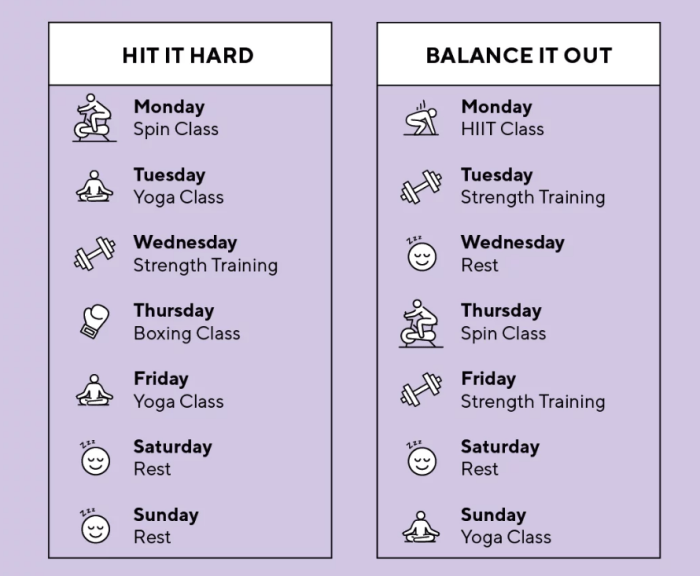
Fitness is not just about achieving a toned physique; it’s a cornerstone of a holistic healthy lifestyle. Integrating fitness into your daily routine can have profound effects on your overall well-being, from boosting your physical health to enhancing your mental resilience.
The Interconnectedness of Fitness and Health
A well-designed fitness routine can positively impact various aspects of your health, creating a ripple effect of benefits. Let’s explore the intricate connections between fitness and other health dimensions.
| Health Aspect | Connection to Fitness |
|---|---|
| Stress Management | Exercise acts as a natural stress reliever, releasing endorphins that improve mood and reduce anxiety. Regular physical activity helps manage cortisol levels, the stress hormone. |
| Healthy Lifestyle | A fitness routine encourages healthy habits like regular sleep, balanced nutrition, and mindful movement, contributing to overall well-being. |
| Medical Innovations | Technology and medical advancements offer tools like wearable fitness trackers, personalized training plans, and telemedicine consultations, supporting fitness goals. |
| Nutritional Supplements | Supplements can potentially support fitness goals, but it’s crucial to consult with a healthcare professional before using them. They may not be suitable for everyone and can have potential risks. |
| Fitness Routine | A well-structured fitness routine improves cardiovascular health, muscle strength, flexibility, and endurance, contributing to overall physical fitness. |
| Health Screenings | Regular health checks are crucial to identify potential health issues that might affect fitness goals. |
| Disease Prevention | Exercise reduces the risk of chronic diseases such as heart disease, stroke, type 2 diabetes, and some types of cancer. |
| Sleep Hygiene | Regular exercise promotes better sleep quality, contributing to improved fitness performance. |
| Mental Clarity | Exercise enhances cognitive function, improving memory, focus, and mental clarity. |
| Hydration Importance | Staying adequately hydrated is essential for optimal fitness performance, as it regulates body temperature, lubricates joints, and transports nutrients. |
| Healthy Habits | Incorporating fitness into daily life promotes healthy habits, leading to a more balanced and fulfilling lifestyle. |
| Emotional Wellbeing | Exercise releases endorphins, which have mood-boosting effects, improving emotional well-being and reducing stress. |
| Healthy Aging | Regular exercise slows down the aging process, maintaining muscle mass, bone density, and overall physical function. |
| Active Lifestyle | An active lifestyle beyond structured workouts, such as walking, gardening, or taking the stairs, contributes to overall health and fitness. |
| Cardiovascular Health | Exercise strengthens the heart and improves blood circulation, reducing the risk of heart disease and stroke. |
| Healthy Recipes | Examples of healthy recipes that support fitness goals include:
|
| Mental Resilience | Exercise enhances mental resilience by building self-confidence, improving stress management skills, and promoting a positive mindset. |
| Immune Support | Regular physical activity strengthens the immune system, reducing the risk of infections and illnesses. |
| Stress Relief | Beyond exercise, stress management techniques like yoga, meditation, and deep breathing can also help manage stress levels. |
| Nutritional Balance | A balanced diet rich in fruits, vegetables, whole grains, and lean protein is essential for optimal fitness performance. |
Conclusive Thoughts
By following the principles Artikeld in this guide, you can create a balanced full-body workout routine that aligns with your fitness goals and lifestyle. Remember, consistency and dedication are key to achieving lasting results. Listen to your body, embrace progressive overload, and enjoy the journey of building a stronger, healthier you.
This journey is about more than just physical fitness; it’s about cultivating a holistic approach to health and well-being.
FAQ Insights
How often should I do full-body workouts?
For optimal results and muscle recovery, aim for 2-3 full-body workouts per week with rest days in between.
What if I don’t have access to weights?
No problem! You can still achieve great results with bodyweight exercises, resistance bands, and even everyday objects.
How can I prevent injuries?
Focus on proper form, gradually increase intensity, and listen to your body. Don’t push yourself beyond your limits.
What are some good pre-workout snacks?
Opt for a mix of carbohydrates and protein, such as a banana with peanut butter or a handful of almonds.
How can I stay motivated?
Set realistic goals, find a workout buddy, track your progress, and reward yourself for achievements.