Best fitness trackers for tracking healthy lifestyle goals: Find the perfect device for your wellness journey

Best fitness trackers for tracking healthy lifestyle goals

Stress Management

Best fitness trackers for tracking healthy lifestyle goals
Fitness trackers play a crucial role in stress management by providing users with insights into their stress levels throughout the day. These devices help individuals identify patterns and triggers that contribute to their stress, allowing them to take proactive steps to address and manage it effectively.

Examples of Stress Management Features in Top Fitness Trackers

  • Heart Rate Monitoring: Many fitness trackers come equipped with heart rate sensors that can detect changes in heart rate, indicating stress levels. Users can track their heart rate variations and identify stressful situations throughout the day.
  • Guided Breathing Exercises: Some fitness trackers offer guided breathing exercises to help users relax and reduce stress. These exercises focus on deep breathing techniques that can calm the mind and body in moments of stress.
  • Stress Tracking: Certain fitness trackers have dedicated stress tracking features that provide users with a stress score based on various physiological parameters. This score helps individuals understand their overall stress levels and make necessary adjustments to their routine.
  • Activity Reminders: Staying active is essential for stress management, and fitness trackers remind users to move and exercise throughout the day. Regular physical activity can help reduce stress and improve overall well-being.

Healthy Lifestyle

Fitness trackers play a crucial role in promoting a healthy lifestyle by providing users with valuable insights and motivation to make healthier choices in their daily routines.

Features Encouraging Healthy Choices

  • Activity Tracking: Fitness trackers monitor daily steps, distance traveled, and calories burned, encouraging users to stay active throughout the day.
  • Heart Rate Monitoring: By tracking heart rate, users can optimize their workouts and ensure they are exercising at the right intensity level.
  • Sleep Tracking: Proper sleep is essential for overall health, and fitness trackers help users monitor their sleep patterns to improve sleep quality.
  • Calorie Counting: Many fitness trackers offer the ability to log food intake and track calories, helping users maintain a balanced diet.

Tracking Various Aspects of Healthy Lifestyle

  • Exercise: Fitness trackers monitor various exercises like running, cycling, swimming, and yoga, providing users with data on duration, intensity, and calories burned.
  • Nutrition: Users can input their meals and track their daily calorie intake to ensure they are meeting their nutritional goals.
  • Hydration: Some fitness trackers remind users to stay hydrated throughout the day by setting water intake goals.
  • Stress Management: In addition to tracking physical activity, fitness trackers also offer features like guided breathing exercises and stress tracking to help users manage stress levels.

Medical Innovations

Fitness trackers have become increasingly integrated with medical innovations, allowing for a more holistic approach to health monitoring. These devices go beyond simply tracking steps and calories, now offering features such as heart rate monitoring, sleep tracking, and even stress management tools. By partnering with healthcare providers, fitness tracker companies are able to provide users with more personalized and accurate health data, leading to better overall health outcomes.

Integration of Fitness Trackers with Medical Innovations

Fitness tracker companies have started collaborating with healthcare providers to offer more comprehensive health monitoring solutions. For example, some fitness trackers now have the ability to sync data directly to electronic health records, allowing healthcare professionals to access real-time health data for their patients. This integration not only streamlines the monitoring process but also ensures that individuals receive timely and accurate medical advice based on their fitness tracker data.

Potential Future Advancements in Medical Technology

As technology continues to advance, the potential for fitness trackers to revolutionize the healthcare industry is immense. Future advancements may include the development of more sophisticated sensors that can detect early signs of health issues, such as irregular heart rhythms or changes in glucose levels. With the help of artificial intelligence and machine learning, fitness trackers may also be able to provide more personalized health recommendations based on a user’s unique health data. Overall, the future of medical technology through fitness trackers holds great promise for improving individual health outcomes and revolutionizing the way we approach healthcare.

Nutritional Supplements

Best fitness trackers for tracking healthy lifestyle goals – Monitoring intake of nutritional supplements is an essential aspect of maintaining a healthy lifestyle and achieving fitness goals. Fitness trackers can play a crucial role in helping individuals track their supplement intake accurately.

Importance of Tracking Nutritional Supplements

Keeping track of the nutritional supplements you consume can provide valuable insights into your overall health and fitness progress. By monitoring your intake, you can ensure you are meeting your body’s specific nutritional needs and identify any deficiencies that may be hindering your fitness goals.

  • Some fitness trackers offer features that allow users to log their daily supplement intake, providing a comprehensive overview of their nutritional habits.
  • Tracking nutritional supplements can help individuals adjust their diet and supplementation regimen to optimize their fitness performance and recovery.
  • By monitoring supplement intake, users can also avoid potential overdosing or harmful interactions between different supplements.

Fitness Routine

Fitness trackers play a crucial role in monitoring and optimizing fitness routines by providing real-time data on various aspects of your workouts. They help track your progress, set achievable goals, and stay motivated throughout your fitness journey.

How Fitness Trackers Assist in Monitoring and Optimizing Fitness Routines

Fitness trackers offer features like heart rate monitoring, calorie tracking, step counting, and sleep tracking to give you a comprehensive view of your daily activities and workouts. By analyzing this data, you can make informed decisions to adjust your routines for better results.

  • Heart Rate Monitoring: Fitness trackers with heart rate sensors can help you ensure you’re working out in the right intensity zone for your goals.
  • Calorie Tracking: By monitoring the calories burned during exercise, you can adjust your diet and workout intensity accordingly.
  • Step Counting: Tracking your steps throughout the day can motivate you to stay active and reach your daily movement goals.
  • Sleep Tracking: Understanding your sleep patterns can help you optimize recovery and performance during workouts.

Tips on Using Fitness Trackers to Create Effective Workout Plans

When using fitness trackers to create workout plans, consider the following tips:

  • Set Specific Goals: Define clear fitness goals such as weight loss, strength gain, or endurance improvement to tailor your workouts accordingly.
  • Use Workout Presets: Many fitness trackers offer pre-set workout modes that can guide you through different types of exercises for a well-rounded routine.
  • Track Progress: Regularly review your fitness tracker data to assess your progress and make adjustments to your workout plans as needed.
  • Stay Consistent: Establish a consistent workout schedule and use your fitness tracker to monitor your adherence to the plan.

Comparison of Different Fitness Trackers for Tracking Fitness Routines

When comparing fitness trackers for tracking fitness routines, consider factors such as:

  • Accuracy of Data: Look for trackers with reliable sensors and algorithms to ensure accurate tracking of workouts.
  • Battery Life: Consider the battery life of the tracker to ensure it can last through your daily workouts without frequent charging.
  • Compatibility: Check if the tracker is compatible with your smartphone and fitness apps for seamless data synchronization.
  • Additional Features: Some trackers offer advanced features like GPS tracking, workout coaching, and water resistance for enhanced fitness tracking.

Health Screenings

Fitness trackers play a crucial role in monitoring health screenings by providing users with valuable data to track their overall health and well-being. These devices can alert users to schedule important health screenings based on their activity levels, heart rate, sleep patterns, and other relevant metrics.

Role of Fitness Trackers in Monitoring Health Screenings

Fitness trackers are equipped with advanced technology that allows them to monitor various health indicators, such as heart rate, blood pressure, and sleep quality. By analyzing this data, fitness trackers can provide users with insights into their overall health and alert them to any abnormalities or potential health issues that may require further evaluation through health screenings.

  • Fitness trackers can track key metrics such as heart rate variability, which can indicate stress levels and potential heart problems.
  • Some fitness trackers have built-in sensors that can monitor blood oxygen levels, which is important for detecting respiratory issues.
  • By analyzing sleep patterns, fitness trackers can help users identify sleep disorders that may impact their overall health.

Fitness Trackers Offering Health Screening Reminders

Several fitness trackers on the market offer features that remind users to schedule important health screenings based on their age, gender, and health history. These reminders can help users stay proactive about their health and ensure they are receiving the necessary screenings to detect potential health issues early.

  • The Apple Watch Series 6 includes a feature that reminds users to schedule regular check-ups and screenings with their healthcare provider.
  • Fitbit devices can track women’s menstrual cycles and provide reminders for breast cancer screenings and other important health checks.
  • Garmin fitness trackers offer personalized health insights and reminders to schedule screenings based on the user’s activity levels and health data.

Disease Prevention

Regular use of fitness trackers can significantly contribute to disease prevention by helping users monitor their health metrics and detect any early signs of potential health issues. This proactive approach to healthcare allows individuals to take necessary steps to prevent the development or progression of diseases.

Early Detection of Health Issues

  • Fitness trackers equipped with heart rate monitors can detect abnormal heart rates, which may indicate cardiovascular issues such as arrhythmias or heart disease.
  • Tracking sleep patterns and quality can help users identify sleep disorders like insomnia or sleep apnea, which are linked to various health conditions.
  • Monitoring activity levels and calories burned can aid in identifying metabolic disorders such as diabetes or thyroid issues.

Promoting Proactive Healthcare

  • By providing real-time data on physical activity, fitness trackers encourage users to stay active and maintain a healthy lifestyle, reducing the risk of obesity-related diseases.
  • Setting personalized health goals and tracking progress through fitness trackers motivates individuals to make healthier choices and adopt preventive measures.
  • Regular monitoring of vital signs and health metrics allows users to proactively consult healthcare professionals for early intervention and preventive care.

Sleep Hygiene

Maintaining good sleep hygiene is crucial for overall health and well-being. Fitness trackers play a vital role in monitoring and improving sleep patterns, ensuring a restful and rejuvenating night’s sleep.

Monitoring Sleep Patterns

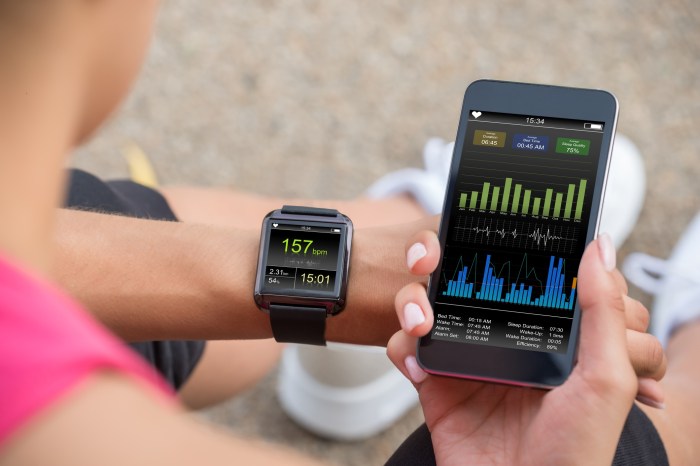
Fitness trackers equipped with advanced sensors can track various aspects of sleep, such as duration, quality, and stages. By analyzing this data, users can gain insight into their sleep patterns and make necessary adjustments to improve their sleep hygiene.

  • Some fitness trackers offer sleep tracking features that provide detailed reports on sleep duration, interruptions, and sleep stages.
  • Monitoring sleep patterns helps users identify factors that may be affecting their sleep quality, such as stress, diet, or exercise habits.
  • By tracking sleep patterns consistently, users can establish healthy sleep routines and optimize their sleep hygiene for better overall health.

Importance of Sleep for Overall Health

Quality sleep is essential for various bodily functions, including cognitive performance, immune function, and overall well-being. Tracking sleep patterns can help individuals understand the impact of sleep on their health and make necessary lifestyle changes.

  • Insufficient or poor-quality sleep has been linked to an increased risk of chronic conditions like obesity, heart disease, and diabetes.
  • Tracking sleep patterns can highlight the importance of prioritizing sleep and adopting healthy sleep habits to support overall health and wellness.

Enhancing Sleep Quality with Fitness Trackers

Fitness trackers offer features specifically designed to enhance sleep quality and promote better sleep hygiene. These features aim to help users achieve restful and rejuvenating sleep each night.

  • Some fitness trackers include guided breathing exercises and relaxation techniques to help users unwind and prepare for sleep.
  • Smart alarms that use sleep data to wake users up at the optimal time within their sleep cycle, promoting a more natural awakening.
  • Tracking sleep trends over time allows users to see improvements in their sleep quality and adjust their habits accordingly for better rest.

Mental Clarity

Fitness trackers play a crucial role in not only tracking physical activity but also in improving mental clarity and cognitive function. The link between physical activity monitored by these devices and mental well-being is significant, as regular exercise has been shown to reduce stress, improve mood, and enhance cognitive abilities.

Impact of Fitness Trackers on Mental Clarity

Fitness trackers provide users with real-time data on their activity levels, including steps taken, calories burned, and active minutes. By setting goals and tracking progress, individuals can stay motivated to engage in physical activity, which in turn can improve mental clarity. When people exercise, the brain releases endorphins, which are neurotransmitters that act as natural painkillers and mood elevators. This can result in improved focus, concentration, and overall mental acuity.

Examples of Mental Clarity Features in Fitness Trackers

  • Some fitness trackers offer guided breathing exercises to help users relax and reduce stress, which can have a positive impact on mental clarity.
  • Others include mindfulness reminders to encourage users to take short breaks throughout the day, promoting mental well-being and reducing mental fatigue.
  • Certain fitness trackers track sleep patterns and provide insights into the quality of sleep, as adequate rest is crucial for maintaining mental clarity and cognitive function.

Hydration Importance: Best Fitness Trackers For Tracking Healthy Lifestyle Goals

Maintaining proper hydration levels is crucial for overall health and wellness. Hydration plays a vital role in various bodily functions and can significantly impact our fitness goals.

Significance of Tracking Hydration Levels with Fitness Trackers

Fitness trackers with hydration tracking capabilities can help individuals monitor their water intake throughout the day. By accurately tracking how much water they are consuming, users can ensure they are staying adequately hydrated and meeting their daily fluid requirements.

  • Some fitness trackers offer reminders to drink water at regular intervals, helping users stay on track with their hydration goals.
  • Tracking hydration levels can also provide valuable insights into how hydration affects workout performance, recovery, and overall well-being.
  • Proper hydration can improve energy levels, cognitive function, and even aid in weight management by reducing cravings and supporting metabolism.

Staying Hydrated and its Influence on Health and Fitness Goals, Best fitness trackers for tracking healthy lifestyle goals

Hydration plays a key role in regulating body temperature, maintaining electrolyte balance, and supporting nutrient transport throughout the body. By staying hydrated, individuals can optimize their physical performance, endurance, and recovery post-exercise.

Remember, dehydration can lead to decreased athletic performance, muscle cramps, fatigue, and even more serious complications if left untreated.

Examples of Fitness Trackers with Hydration Tracking Capabilities

  • The Fitbit Versa 2 and Fitbit Charge 4 are popular fitness trackers that offer hydration tracking features, allowing users to log their water intake and set hydration goals.
  • The Garmin Venu Sq and Garmin Forerunner 945 also come equipped with hydration tracking capabilities, providing users with real-time feedback on their hydration status.
  • Other options like the Apple Watch Series 6 and Samsung Galaxy Fit2 include hydration tracking apps or features that sync with the user’s smartphone for seamless monitoring.

FAQ Resource

How do fitness trackers help in stress management?

Fitness trackers can monitor vital signs like heart rate and sleep patterns, providing insights into stress levels and triggers.

Can fitness trackers track nutritional supplements?

Yes, some fitness trackers have features to log and monitor intake of nutritional supplements, helping users stay on top of their dietary goals.

Do fitness trackers remind users about health screenings?

Absolutely, many fitness trackers offer health screening reminders to ensure users stay proactive about their healthcare needs.

How do fitness trackers impact mental clarity?

By tracking physical activity and sleep patterns, fitness trackers can contribute to improved mental well-being and cognitive function.

Are there fitness trackers that focus on hydration tracking?

Indeed, some fitness trackers come equipped with hydration tracking capabilities to help users maintain optimal fluid intake levels.

Natural remedies for stress and anxiety: Effective Ways to Combat Daily Struggles

Natural remedies for stress and anxiety

Stress Management

Natural remedies for stress and anxiety – Stress management plays a crucial role in maintaining overall well-being as it helps individuals cope with the challenges and pressures of daily life. By effectively managing stress, individuals can improve their mental and physical health, enhance their productivity, and enjoy a better quality of life.

Strategies for Managing Stress, Natural remedies for stress and anxiety

  • Practice relaxation techniques such as deep breathing, meditation, or yoga to calm the mind and reduce stress levels.
  • Engage in regular physical exercise to release endorphins, the body’s natural stress relievers, and improve mood.
  • Establish a healthy work-life balance by setting boundaries, prioritizing tasks, and taking breaks when needed.
  • Connect with others by maintaining strong social relationships, seeking support from friends and family, and sharing your feelings and experiences.
  • Get an adequate amount of sleep each night to ensure that your body and mind have time to rest and recover from daily stressors.

Impact of Chronic Stress

Chronic stress, if left unmanaged, can have detrimental effects on both mental and physical health. It can lead to anxiety, depression, high blood pressure, heart disease, obesity, and other serious conditions. Long-term exposure to stress can weaken the immune system, disrupt sleep patterns, and impair cognitive function, affecting overall well-being.

Healthy Lifestyle

A healthy lifestyle plays a crucial role in reducing stress and anxiety by promoting overall well-being and resilience. When we take care of our bodies through healthy habits, we are better equipped to handle the challenges that come our way.

Incorporating Healthy Habits

Here are some tips for incorporating healthy habits into your daily routine:

  • Make time for regular exercise, such as walking, yoga, or swimming, to release endorphins and reduce stress.
  • Prioritize a balanced diet rich in fruits, vegetables, whole grains, and lean proteins to support brain function and mood regulation.
  • Practice mindfulness and relaxation techniques, like meditation or deep breathing exercises, to calm the mind and body.
  • Prioritize quality sleep by establishing a consistent bedtime routine and creating a restful sleep environment.

Connection Between Diet, Exercise, and Mental Health

There is a strong connection between diet, exercise, and mental health. A nutritious diet and regular physical activity can help improve mood, reduce anxiety, and boost overall mental well-being. Here’s how:

  • A balanced diet provides essential nutrients that support brain function and neurotransmitter production, influencing mood and stress levels.
  • Regular exercise releases endorphins, the body’s natural mood boosters, and reduces levels of stress hormones like cortisol.
  • Combining healthy eating habits with physical activity can enhance cognitive function, increase energy levels, and improve sleep quality, all of which contribute to better mental health.

Medical Innovations

Medical innovations in treating stress and anxiety have seen significant advancements in recent years. These innovations offer new approaches to managing mental health issues and improving overall well-being.

Alternative Therapies

Alternative therapies have gained popularity as effective methods for managing stress. Techniques such as acupuncture, yoga, meditation, and aromatherapy have shown promising results in reducing anxiety levels and promoting relaxation.

Role of Technology

Technology plays a crucial role in mental health treatments by providing innovative solutions for stress and anxiety management. Mobile apps, virtual reality therapy, and online counseling services offer convenient and accessible ways to seek help and support for mental health issues.

Nutritional Supplements: Natural Remedies For Stress And Anxiety

When it comes to managing stress and anxiety, incorporating natural supplements into your diet can be beneficial. These supplements can help support your overall well-being and mental health.

Identifying Natural Supplements

  • Omega-3 Fatty Acids: Found in fish oil, flaxseed oil, and chia seeds, omega-3 fatty acids have been linked to reducing anxiety symptoms.
  • L-Theanine: This amino acid is commonly found in green tea and has calming effects on the brain.
  • Valerian Root: Known for its sedative properties, valerian root can help alleviate stress and improve sleep quality.

Benefits and Risks of Nutritional Supplements

  • Benefits: Natural supplements can provide a non-invasive way to manage stress and anxiety, without the potential side effects of prescription medications.
  • Risks: It is important to consult with a healthcare provider before starting any new supplement regimen to ensure compatibility with existing medications and to avoid potential interactions.

Expert Recommendations

Experts recommend incorporating nutritional supplements into a balanced diet, rather than relying solely on supplements for stress and anxiety management. A healthy diet rich in fruits, vegetables, lean proteins, and whole grains can provide essential nutrients for mental well-being.

Fitness Routine

Regular physical exercise is a key component in managing stress and anxiety. Exercise has been shown to release endorphins, which are chemicals in the brain that act as natural painkillers and mood elevators. This can help reduce feelings of stress and anxiety, leading to an overall improvement in mental well-being.

Examples of Beneficial Fitness Routines

  • Cardiovascular exercises such as running, cycling, or swimming can help boost mood by increasing blood flow to the brain and releasing endorphins.
  • Strength training exercises like weightlifting or bodyweight exercises can improve self-esteem and confidence, leading to reduced stress levels.
  • Yoga and Pilates are great for reducing stress and anxiety as they focus on breathing techniques, mindfulness, and relaxation.
  • Dance fitness classes like Zumba or hip-hop can be a fun way to relieve stress and improve mood through movement and music.

Link Between Exercise and Improved Mood

Regular exercise has been linked to improved mood due to the release of endorphins, which help reduce feelings of stress and anxiety. Additionally, physical activity can increase levels of neurotransmitters like serotonin and dopamine, which are known to boost mood and promote feelings of well-being.

Health Screenings

Regular health screenings play a crucial role in managing stress-related conditions by detecting early signs of illnesses and promoting overall well-being.

Key Screenings for Stress-Related Illnesses

  • Blood Pressure Monitoring: High blood pressure is often linked to stress and can lead to serious health issues if left unchecked. Regular blood pressure screenings can help detect and manage hypertension.
  • Mental Health Assessments: Screening for mental health conditions such as anxiety disorders and depression can aid in early intervention and treatment.
  • Cholesterol Levels Testing: Stress can impact cholesterol levels, increasing the risk of heart disease. Monitoring cholesterol through screenings can help in prevention and management.

Contribution to Overall Well-being

Regular health screenings not only help in early detection of stress-related illnesses but also empower individuals to take control of their health. By identifying risk factors and addressing them proactively, screenings contribute to maintaining optimal health and well-being.

Disease Prevention

Preventive measures play a crucial role in reducing stress and anxiety by promoting overall health and well-being. By focusing on disease prevention, individuals can adopt lifestyle choices that not only improve physical health but also have a positive impact on mental well-being.

Impact of Lifestyle Choices on Disease Prevention

  • Regular physical activity can help reduce the risk of developing chronic diseases such as heart disease, diabetes, and obesity, which are often linked to increased stress and anxiety levels.
  • A balanced diet rich in fruits, vegetables, whole grains, and lean proteins can provide essential nutrients that support brain function and mood regulation, contributing to mental well-being.
  • Adequate sleep is crucial for overall health, as lack of sleep can lead to increased stress levels and cognitive impairment. Establishing a consistent sleep routine can help prevent various health conditions and promote mental clarity.
  • Managing stress through relaxation techniques such as meditation, deep breathing exercises, and mindfulness practices can lower cortisol levels, reduce inflammation, and improve overall resilience to stressors.

Preventive Healthcare Practices for Mental Well-being

  • Regular mental health screenings can help identify early signs of anxiety disorders, depression, or other mental health conditions, allowing for timely intervention and treatment.
  • Engaging in social activities, maintaining strong social connections, and seeking support from friends, family, or mental health professionals can provide a sense of belonging and reduce feelings of isolation and loneliness.
  • Practicing self-care activities such as journaling, hobbies, or creative outlets can help individuals cope with stress, express emotions, and maintain a positive outlook on life.
  • Educating oneself about mental health, understanding common stressors, and developing coping strategies can empower individuals to proactively manage their mental well-being and prevent the onset of stress and anxiety disorders.

Sleep Hygiene

Having good sleep hygiene is crucial for reducing stress and anxiety levels. Quality sleep plays a significant role in maintaining mental health and overall well-being. Establishing a bedtime routine can help improve the quality of your sleep and contribute to better stress management.

Tips for Improving Sleep Hygiene

  • Avoid caffeine, nicotine, and heavy meals close to bedtime.
  • Create a relaxing bedtime routine, such as reading or taking a warm bath.
  • Ensure your sleep environment is comfortable, dark, and quiet.
  • Avoid screens and electronics before bed, as the blue light can interfere with sleep.

Mental Clarity

Natural remedies for stress and anxiety
In today’s fast-paced world, mental clarity is essential for productivity, focus, and overall well-being. Enhancing mental clarity can help you make better decisions, solve problems more effectively, and feel less overwhelmed by daily stressors.

Benefits of Mindfulness Practices

  • Mindfulness practices, such as meditation and deep breathing exercises, can help reduce stress and improve mental clarity by promoting relaxation and focus.
  • By being present in the moment and observing your thoughts without judgment, mindfulness can enhance self-awareness and emotional regulation, leading to a clearer mind.
  • Research has shown that regular mindfulness practice can actually change the structure of the brain, increasing gray matter in areas associated with attention and cognitive function.

Strategies for Improving Cognitive Function

  • Engage in regular physical exercise to increase blood flow to the brain, which can enhance cognitive function and mental clarity.
  • Get an adequate amount of sleep each night to allow your brain to rest and recharge, improving focus, memory, and decision-making abilities.
  • Incorporate brain-boosting foods into your diet, such as fatty fish, berries, nuts, and leafy greens, to support cognitive function and mental clarity.

Hydration Importance

Staying hydrated is crucial for overall health, but it also plays a significant role in managing stress and anxiety. Dehydration can have a negative impact on both mental and physical well-being, so it’s essential to prioritize hydration throughout the day.

Impact of Dehydration

Dehydration can lead to increased stress levels and anxiety, as it affects cognitive function and mood regulation. When the body lacks proper hydration, it can result in feelings of fatigue, irritability, and difficulty concentrating, all of which can contribute to heightened stress and anxiety.

Tips for Staying Hydrated

  • Carry a reusable water bottle with you wherever you go to ensure easy access to water throughout the day.
  • Set reminders on your phone or computer to drink water regularly, especially if you tend to forget to hydrate.
  • Incorporate hydrating foods into your diet, such as fruits and vegetables with high water content like watermelon, cucumbers, and oranges.
  • Avoid excessive consumption of caffeinated or alcoholic beverages, as they can contribute to dehydration.
  • Drink water before, during, and after exercise to replenish fluids lost through sweat.

User Queries

How can stress management techniques improve overall well-being?

Effective stress management techniques can help reduce anxiety, improve mood, boost productivity, and enhance overall quality of life.

What are some examples of natural supplements that can help with stress and anxiety?

Some natural supplements like ashwagandha, CBD oil, and magnesium have been known to help reduce stress and anxiety levels.

How does physical exercise contribute to alleviating stress and anxiety?

Regular physical exercise releases endorphins, improves sleep quality, reduces cortisol levels, and promotes overall well-being, which can help alleviate stress and anxiety.

Stress management techniques for insomnia: Improving sleep quality naturally

Stress management techniques for insomnia

Stress Management Techniques for Insomnia

Stress management techniques for insomnia
Stress and insomnia often go hand in hand, creating a vicious cycle where stress can lead to sleepless nights, and lack of sleep can exacerbate stress levels. It’s essential to address stress to improve the quality of your sleep and overall well-being.

Examples of Stress Management Techniques

  • Practice relaxation techniques such as deep breathing, meditation, or yoga to calm the mind and body before bedtime.
  • Engage in regular physical activity to release tension and promote better sleep.
  • Establish a bedtime routine to signal to your body that it’s time to wind down and prepare for sleep.
  • Avoid caffeine, nicotine, and heavy meals close to bedtime to prevent sleep disturbances.
  • Seek support from a therapist or counselor to address underlying stressors that may be contributing to your insomnia.

Importance of Addressing Stress for Better Sleep Quality

Stress not only affects the quantity of sleep you get but also the quality of sleep. Chronic stress can disrupt your sleep patterns, leading to difficulties falling asleep or staying asleep throughout the night. By managing stress effectively, you can create a conducive environment for restful and rejuvenating sleep.

Practicing Stress Management Techniques for Better Sleep Hygiene

  • Consistent practice of stress management techniques can improve your overall sleep hygiene, which refers to the habits and practices that promote healthy sleep.
  • By incorporating stress-reducing activities into your daily routine, you can create a sense of calm and relaxation that prepares your body for restful sleep.
  • Enhancing your sleep hygiene through stress management can lead to more consistent and restorative sleep, ultimately improving your overall well-being.

Healthy Lifestyle

Adopting a healthy lifestyle can have a significant impact on reducing stress levels and improving insomnia. By incorporating healthy habits into your daily routine, you can enhance your overall well-being and promote better sleep quality.

Regular Exercise:
Engaging in physical activity on a consistent basis can help manage stress by releasing endorphins, also known as “feel-good” hormones. Exercise not only boosts mood but also contributes to better sleep patterns. Aim for at least 30 minutes of moderate exercise most days of the week to reap these benefits.

Healthy Eating Habits:
Consuming a balanced diet rich in nutrients can support stress management and improve sleep quality. Avoiding excessive caffeine, sugar, and processed foods can help regulate energy levels throughout the day and promote restful sleep at night. Incorporate foods high in magnesium, such as leafy greens, nuts, and seeds, which can aid in relaxation and reduce stress.

Creating a Balanced Routine:
Establishing a consistent daily routine that includes adequate rest, exercise, and healthy meals can promote overall well-being. Prioritize self-care activities like meditation, yoga, or deep breathing exercises to manage stress levels effectively. Setting aside time for relaxation and leisure activities can also help reduce the impact of stress on your sleep patterns.

By prioritizing a healthy lifestyle that includes regular exercise, balanced nutrition, and a well-rounded routine, you can effectively manage stress and improve your quality of sleep. Remember that small changes can make a big difference in your overall well-being.

Medical Innovations

Stress management techniques for insomnia – Recent advancements in medical treatments have provided innovative solutions for managing stress-related insomnia effectively. These technologies have shown promising results in improving sleep quality and overall well-being.

Technology-Based Solutions for Stress Management and Sleep Improvement

  • Wearable devices: Devices like smartwatches and fitness trackers can monitor sleep patterns, heart rate variability, and stress levels. They provide real-time feedback and personalized recommendations to help individuals manage stress and improve sleep.
  • Mobile applications: There are numerous apps available that offer meditation exercises, breathing techniques, and cognitive-behavioral therapy for insomnia. These apps can be easily accessed on smartphones and provide convenient solutions for stress management.

Advancements Targeting Root Causes of Insomnia

  • Neurostimulation: Techniques like transcranial magnetic stimulation (TMS) and deep brain stimulation (DBS) have shown potential in targeting specific areas of the brain associated with insomnia. These non-invasive procedures help regulate brain activity and promote better sleep.
  • Pharmacogenomics: Genetic testing can identify variations that affect an individual’s response to certain medications used for insomnia. This personalized approach allows healthcare providers to prescribe treatments tailored to each person’s genetic makeup, increasing effectiveness and reducing side effects.

Revolutionizing Stress Management Techniques

  • Virtual reality therapy: Virtual reality (VR) technology is being used to create immersive environments that help individuals relax and reduce stress. By engaging the senses and promoting mindfulness, VR therapy has shown promising results in improving sleep quality and reducing anxiety.
  • Brain-computer interfaces: These devices enable direct communication between the brain and external technology, offering innovative solutions for stress management. By monitoring brain activity and providing real-time feedback, brain-computer interfaces can help individuals regulate stress responses and promote better sleep.

Nutritional Supplements

When it comes to managing stress and improving sleep, nutritional supplements can play a significant role in supporting your overall well-being. These supplements are designed to provide essential nutrients that may be lacking in your diet, helping to reduce stress levels and promote better sleep quality.

Popular Calming Supplements

  • L-Theanine: Known for its calming effects, L-Theanine is commonly found in green tea and can help reduce anxiety and promote relaxation.
  • Magnesium: This mineral is essential for relaxation and can help improve sleep quality by regulating neurotransmitters that control stress and anxiety.
  • Valerian Root: Valerian root is a herb that has been used for centuries to promote relaxation and improve sleep quality, making it a popular choice for those struggling with insomnia.

Choosing the Right Supplements

When selecting nutritional supplements for stress-related insomnia, it is important to consider your individual needs and consult with a healthcare provider. Look for supplements that are high quality, free from unnecessary additives, and have a good reputation for safety and effectiveness.

Risks and Benefits

While nutritional supplements can offer benefits in managing stress and improving sleep, it is essential to be aware of potential risks. Some supplements may interact with medications or have side effects, so it is crucial to speak with a healthcare professional before starting any new supplement regimen. The benefits of using nutritional supplements for sleep support include improved relaxation, reduced stress levels, and enhanced sleep quality, but it is important to use them wisely and in combination with a healthy lifestyle.

Fitness Routine

Incorporating a fitness routine into your daily life can significantly reduce stress levels and improve the quality of your sleep. Physical activity has been shown to have a direct impact on mental well-being, promoting the release of endorphins that help alleviate stress and anxiety.

Benefits of Physical Activity for Stress Management and Insomnia

  • Regular exercise can help regulate sleep patterns and improve the quality of sleep by promoting relaxation and reducing the time it takes to fall asleep.
  • Physical activity can act as a natural mood enhancer, boosting feelings of well-being and reducing symptoms of anxiety and depression.
  • Engaging in a fitness routine can increase energy levels during the day and help combat fatigue, leading to better overall sleep quality.

Examples of Beneficial Exercises for Stress and Insomnia

  • Yoga: Incorporating yoga poses and breathing exercises can help relax the mind and body, reducing stress levels and promoting better sleep.
  • Cardiovascular exercises: Activities like jogging, cycling, or swimming can improve cardiovascular health and release endorphins that combat stress and anxiety.
  • Strength training: Lifting weights or bodyweight exercises can boost confidence, improve mood, and enhance sleep quality.

Tips for Creating a Personalized Fitness Plan, Stress management techniques for insomnia

  • Set realistic goals: Start with manageable exercise routines and gradually increase intensity and duration based on your fitness level.
  • Find activities you enjoy: Choose exercises that you find enjoyable to maintain motivation and consistency in your fitness routine.
  • Include variety: Incorporate a mix of cardiovascular, strength training, and flexibility exercises to target different aspects of fitness and overall well-being.
  • Listen to your body: Pay attention to how your body responds to exercise and adjust your routine accordingly to prevent injuries and ensure optimal results.

Health Screenings

Health screenings play a crucial role in identifying underlying health issues that may contribute to stress and insomnia. By undergoing these screenings, individuals can pinpoint factors that affect their sleep quality and overall well-being.

Common Screenings for Sleep Quality

  • Blood tests: Checking for deficiencies in key vitamins and minerals that can impact sleep, such as vitamin D and iron levels.
  • Thyroid function tests: Assessing thyroid hormone levels to rule out thyroid disorders that might disrupt sleep patterns.
  • Sleep studies: Monitoring breathing patterns, brain waves, and body movements during sleep to diagnose sleep disorders like sleep apnea or restless leg syndrome.

Importance of Regular Health Check-ups

  • Early detection: Regular health screenings can help in early detection of underlying health conditions that may contribute to sleep-related disorders.
  • Prevention: By identifying risk factors early on, individuals can take preventive measures to improve their sleep quality and overall health.

Monitoring Key Health Indicators

  • Blood pressure: Keeping track of blood pressure levels can help in managing stress and promoting better sleep.
  • Blood sugar levels: Monitoring blood sugar levels is important in preventing conditions like diabetes, which can disrupt sleep patterns.

Disease Prevention

Maintaining good health through disease prevention strategies is crucial not only for physical well-being but also for mental health, stress management, and quality sleep. By addressing potential health risks proactively, individuals can reduce the likelihood of chronic illnesses that may contribute to increased stress levels and insomnia.

The Link Between Chronic Illness and Stress-Induced Insomnia

Chronic illnesses such as heart disease, diabetes, and obesity can significantly impact an individual’s stress levels, leading to sleep disturbances and insomnia. The burden of managing these conditions, along with the associated symptoms and complications, can create a cycle of stress and sleepless nights.

  • Implementing stress management techniques such as mindfulness meditation, deep breathing exercises, and yoga can help alleviate the psychological and physical effects of chronic illnesses, reducing stress and improving sleep quality.
  • Engaging in regular physical activity and maintaining a healthy diet can not only prevent the onset of chronic diseases but also promote better sleep by regulating hormones and reducing inflammation in the body.
  • Seeking professional help and guidance from healthcare providers, nutritionists, and mental health professionals can offer personalized strategies for disease prevention tailored to individual needs and risk factors.

Preventive Measures for Better Sleep and Overall Health

Taking a holistic approach to disease prevention involves addressing various aspects of health, including physical, mental, and emotional well-being. By prioritizing preventive measures, individuals can reduce the risk of health conditions that may impact sleep and overall quality of life.

  1. Regular health screenings and check-ups can help identify potential risk factors for chronic diseases early on, allowing for timely intervention and management.
  2. Incorporating nutritional supplements and vitamins into one’s diet, under the guidance of a healthcare provider, can support overall health and immunity, reducing the likelihood of illness-related sleep disturbances.
  3. Establishing a consistent fitness routine that includes both aerobic and strength training exercises can improve cardiovascular health, promote better sleep, and reduce stress levels.

Sleep Hygiene

Sleep hygiene refers to a set of practices and habits that promote good quality sleep and overall well-being. It plays a crucial role in managing stress-related insomnia by creating an environment conducive to rest and relaxation.

Creating a Sleep-Conducive Environment

  • Avoid exposure to screens before bedtime, as the blue light can disrupt your sleep cycle.
  • Keep your bedroom dark, quiet, and at a comfortable temperature to promote restful sleep.
  • Invest in a comfortable mattress and pillows to support a good night’s sleep.

Establishing Healthy Bedtime Routines

  • Set a consistent sleep schedule by going to bed and waking up at the same time every day, even on weekends.
  • Avoid heavy meals, caffeine, and alcohol close to bedtime, as they can interfere with your sleep.
  • Engage in relaxing activities before bed, such as reading a book or taking a warm bath, to signal to your body that it’s time to wind down.

Impact on Stress Levels

Practicing good sleep hygiene habits can have a positive impact on stress levels by promoting better sleep quality, reducing the risk of insomnia, and enhancing overall well-being. By prioritizing sleep hygiene, you can create a healthy bedtime routine that supports restful sleep and helps manage stress more effectively.

Mental Clarity

Mental clarity plays a crucial role in our overall well-being, directly impacting our stress levels and quality of sleep. When we have a clear and focused mind, we are better equipped to manage stress effectively, leading to improved sleep patterns and increased energy levels.

Techniques for Enhancing Mental Clarity

  • Practice mindfulness meditation: Engaging in mindfulness practices such as meditation can help quiet the mind, reduce stress, and improve mental clarity.
  • Deep breathing exercises: Deep breathing exercises can help calm the mind, reduce anxiety, and enhance focus, promoting mental clarity.
  • Journaling: Keeping a journal can help organize thoughts, process emotions, and declutter the mind, leading to improved mental clarity.
  • Regular physical exercise: Physical activity releases endorphins, which can boost mood, reduce stress, and enhance mental clarity.

Examples of Mindfulness Practices

  • Body scan meditation: This practice involves focusing on different parts of the body to increase awareness and promote relaxation, supporting mental well-being.
  • Walking meditation: Walking mindfully, paying attention to each step and the surroundings, can help clear the mind and reduce stress levels.
  • Breath awareness: Concentrating on the breath can help anchor the mind to the present moment, reducing racing thoughts and enhancing mental clarity.

Achieving Mental Clarity for Improved Health Outcomes

  • Enhanced decision-making: Clear thinking leads to better decision-making, positively impacting various aspects of life, including health choices.
  • Reduced risk of chronic diseases: Managing stress and achieving mental clarity can lower the risk of developing chronic conditions linked to high stress levels.
  • Improved sleep quality: Mental clarity supports a peaceful mind, reducing insomnia and promoting restful sleep, essential for overall health and well-being.
  • Increased productivity: With enhanced mental clarity, individuals can focus better, leading to increased productivity and efficiency in daily tasks.

Hydration Importance

Stress management techniques for insomnia

Proper hydration plays a crucial role in stress management and sleep regulation. Dehydration can significantly impact stress levels and disrupt sleep patterns, leading to increased feelings of anxiety and fatigue.

Significance of Hydration

Hydration is essential for maintaining optimal physical and mental health. It helps in regulating body temperature, aiding digestion, and transporting nutrients throughout the body. Proper hydration also supports cognitive function, mood stability, and overall well-being.

Guidelines for Maintaining Hydration Levels

  • Drink at least 8-10 cups of water per day, adjusting based on individual needs and activity levels.
  • Avoid excessive consumption of caffeinated or sugary beverages, as they can dehydrate the body.
  • Monitor urine color to ensure it is pale yellow, indicating adequate hydration.
  • Include hydrating foods such as fruits, vegetables, and soups in your diet.

Incorporating Hydration Practices into Daily Routine

  • Carry a reusable water bottle with you throughout the day as a reminder to stay hydrated.
  • Set reminders on your phone or use hydration tracking apps to monitor daily water intake.
  • Drink a glass of water before meals and snacks to boost hydration levels.
  • Sip water gradually during the day rather than consuming large amounts at once.

Common Queries

How does stress affect insomnia?

Stress can disrupt sleep patterns, making it difficult to fall and stay asleep, leading to insomnia.

What are some natural stress management techniques for insomnia?

Practicing mindfulness, deep breathing exercises, and maintaining a healthy lifestyle can help reduce stress and improve sleep.

Are there any specific exercises that can aid in managing stress and insomnia?

Yoga, tai chi, and aerobic exercises are beneficial for reducing stress levels and promoting better sleep.

Can nutritional supplements help with stress-related insomnia?

Supplements like melatonin, valerian root, and magnesium are known for their calming effects and can support better sleep.

How important is hydration in managing stress and sleep?

Proper hydration is crucial for stress management and regulating sleep patterns, as dehydration can increase stress levels and disrupt sleep.