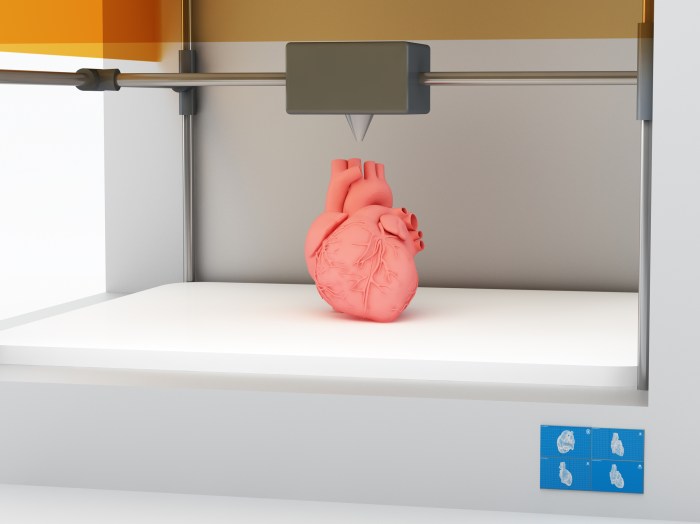
Introduction to 3D Printing in Healthcare
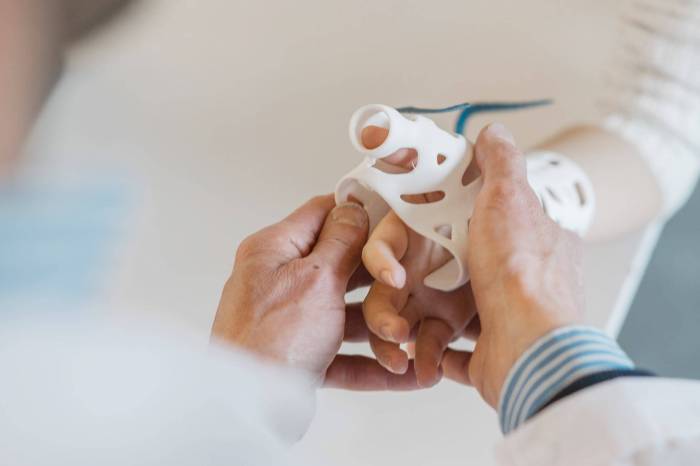
3D printing in healthcare refers to the process of creating three-dimensional objects from digital files by layering materials on top of each other. This innovative technology has been making significant strides in revolutionizing the healthcare industry by offering customized solutions and improving patient care.
Significance of 3D Printing in Revolutionizing Healthcare
- Personalized Care: 3D printing allows for the creation of patient-specific implants, prosthetics, and surgical guides tailored to individual needs, leading to better treatment outcomes.
- Reduced Surgery Time: Surgeons can use 3D-printed models to plan and practice complex procedures before operating, reducing surgery time and improving overall efficiency.
- Cost-Effective Solutions: By reducing the need for multiple surgeries and minimizing complications, 3D printing can potentially lower healthcare costs in the long run.
Key Benefits of Using 3D Printing Technology in the Medical Field
- Enhanced Precision: 3D printing enables the production of intricate medical devices with high precision, ensuring a better fit and functionality.
- Improved Patient Outcomes: Customized implants and prosthetics made through 3D printing often result in improved patient comfort, mobility, and overall quality of life.
- Medical Training and Education: Medical professionals can use 3D-printed models for training, education, and surgical simulations, enhancing their skills and expertise.
Examples of How 3D Printing is Transforming Healthcare Processes, How 3D printing is revolutionizing healthcare
- Customized Implants: Surgeons can now create patient-specific implants for procedures like hip replacements, cranial reconstructions, and dental implants, leading to better outcomes and reduced complications.
- Prosthetics: 3D printing has revolutionized the production of prosthetic limbs by allowing for personalized designs that fit the wearer comfortably and function effectively.
- Anatomical Models: Medical professionals use 3D-printed anatomical models to plan complex surgeries, visualize patient-specific anatomy, and improve surgical precision.
Applications of 3D Printing in Medical Innovations: How 3D Printing Is Revolutionizing Healthcare
3D printing has revolutionized the field of healthcare by providing innovative solutions for various medical needs. One of the most significant applications of 3D printing in healthcare is the creation of personalized medical devices, prosthetics, implants, and advancements in surgical planning, training, tissue engineering, and organ transplantation.
Personalized Medical Devices
- 3D printing technology allows for the customization of medical devices to fit the unique anatomical features of individual patients.
- Customized devices such as hearing aids, dental implants, and orthopedic implants can be created with precision and accuracy using 3D printing.
- These personalized medical devices enhance patient comfort, improve treatment outcomes, and reduce the risk of complications.
Prosthetics and Implants
- 3D printing has transformed the field of prosthetics by enabling the production of highly customized prosthetic limbs and body parts.
- Patients can now receive prosthetics that closely match their unique anatomy, improving functionality and quality of life.
- Implants such as hip and knee replacements can also be designed and manufactured using 3D printing technology for a more precise fit and better long-term outcomes.
Surgical Planning and Training
- Surgeons can use 3D printed models of patient-specific anatomy for pre-surgical planning, allowing for more precise and efficient procedures.
- These models help surgeons visualize complex structures, practice intricate procedures, and reduce operating time and potential risks during surgery.
- Medical students and residents can also benefit from 3D printed anatomical models for training and skill development in a realistic and hands-on way.
Tissue Engineering and Organ Transplantation
- 3D printing technology is advancing tissue engineering by creating scaffolds that support cell growth and tissue regeneration for applications in wound healing, skin grafts, and organ repair.
- Researchers are exploring the use of 3D bioprinting to fabricate functional tissues and organs for transplantation, addressing the critical shortage of donor organs and reducing the risk of rejection.
- This innovative approach has the potential to revolutionize the field of organ transplantation and improve patient outcomes in the future.
Enhanced Patient Care through 3D Printing
3D printing technology has significantly enhanced patient care by revolutionizing the way medical treatments are approached and delivered. Through the customization of treatment plans, improved patient outcomes and experiences, and enhanced patient education, 3D printing has become a game-changer in various medical fields.
Customization of Treatment Plans
- 3D printing allows for the creation of personalized medical devices and implants tailored to the specific needs of individual patients.
- Customized surgical guides and models can be produced to assist surgeons in planning and executing complex procedures with greater precision.
- Personalized prosthetics and orthotics can be designed and fabricated using 3D printing technology, ensuring a better fit and function for patients.
Improved Patient Outcomes and Experiences
- By providing customized solutions, 3D printing helps in reducing surgical complications and improving the overall success rates of procedures.
- Patient-specific anatomical models created through 3D printing aid in preoperative planning, leading to shorter surgery times and faster recovery periods.
- Patients often experience reduced pain, discomfort, and recovery times when receiving treatments that have been customized through 3D printing.
Patient Education and Communication
- 3D printed models allow healthcare providers to visually explain medical conditions, treatment options, and surgical procedures to patients in a more understandable and interactive way.
- Patients can have a better grasp of their own anatomy and the proposed interventions through tactile models created with 3D printing technology.
- Improved patient understanding leads to better-informed decision-making, increased patient engagement, and overall improved patient satisfaction.
Revolutionizing Patient Care in Specific Medical Fields
- In the field of orthopedics, 3D printing has enabled the creation of patient-specific implants for joint replacements, resulting in better functionality and longevity.
- In dentistry, 3D printing is used to fabricate dental crowns, bridges, and aligners, offering patients more comfortable and aesthetically pleasing solutions.
- In cardiology, 3D printed heart models help in planning complex surgeries and interventions, improving patient outcomes and reducing risks.
Role of 3D Printing in Disease Prevention and Management
3D printing technology plays a crucial role in disease prevention and management by enabling early detection, precise diagnosis, innovative drug development, and personalized treatment options.
Early Disease Detection
3D printing facilitates the creation of customized medical models based on patient-specific data, allowing healthcare professionals to visualize and analyze anatomical structures. These models help in detecting abnormalities at an early stage, leading to timely intervention and better outcomes.
Creating Models for Disease Diagnosis
Through 3D printing, medical practitioners can produce detailed replicas of organs, tissues, and tumors for accurate diagnosis and treatment planning. These patient-specific models enhance the understanding of complex medical conditions, enabling more effective disease management strategies.
Revolutionizing Drug Development and Delivery
The use of 3D printing in pharmaceuticals has revolutionized drug development by enabling the creation of personalized dosage forms tailored to individual patient needs. This technology allows for precise drug delivery systems, improving treatment efficacy and reducing adverse effects.
Potential of 3D Printing in Personalized Medicine
3D printing holds immense potential in personalized medicine by offering customized medical devices, implants, and prosthetics designed to fit the patient’s unique anatomy. This personalized approach to healthcare ensures better treatment outcomes and enhances patient comfort and quality of life.
Future Trends and Challenges in 3D Printing for Healthcare
3D printing technology in healthcare is poised to evolve rapidly in the coming years, bringing about innovative solutions to complex medical challenges. However, along with these advancements, there are also several challenges and ethical considerations that need to be addressed for the widespread adoption of 3D printing in the healthcare industry. Let’s delve into the future trends and challenges in 3D printing for healthcare.
Future Advancements in 3D Printing Technology for Healthcare
- Personalized Implants and Prosthetics: Advancements in 3D printing technology will allow for the creation of highly customized implants and prosthetics tailored to individual patients, improving outcomes and patient satisfaction.
- Bioprinting of Organs: Scientists are working towards bioprinting functional human organs using 3D printing technology and stem cells, offering hope for patients in need of organ transplants.
- Drug Production: 3D printing can be used to create personalized medication doses based on a patient’s specific needs, revolutionizing the pharmaceutical industry.
Challenges and Limitations of Widespread Adoption of 3D Printing in Healthcare
- Regulatory Hurdles: The lack of standardized regulations and guidelines for 3D printing in healthcare poses a challenge to its widespread adoption, raising concerns about quality control and patient safety.
- Cost Barriers: The initial costs associated with 3D printing technology and materials can be prohibitive for many healthcare facilities, limiting access to these innovative solutions.
- Ethical Concerns: Ethical dilemmas may arise regarding the ownership of 3D printed medical products, patient privacy issues, and the implications of bioprinting human organs.
Ethical Implications of Using 3D Printing in Medical Practice
- Patient Privacy: 3D printing involves the creation of personalized medical devices, raising concerns about patient data security and privacy protection.
- Intellectual Property Rights: The use of 3D printing in healthcare may lead to disputes over intellectual property rights, particularly in the case of patented medical devices and pharmaceuticals.
- Informed Consent: Healthcare providers using 3D printing technology must ensure that patients are adequately informed about the risks and benefits of these innovative treatments, respecting their autonomy and right to make informed decisions.
Regulatory Issues Surrounding 3D Printing in the Healthcare Industry
- Quality Control: Regulatory bodies must establish standards for the quality and safety of 3D printed medical products to protect patients from potential harm and ensure consistent performance.
- Labeling and Traceability: Proper labeling and traceability of 3D printed medical devices are essential for tracking their origins, materials used, and manufacturing processes, enhancing transparency and accountability in the healthcare supply chain.
- Post-Market Surveillance: Ongoing monitoring of 3D printed medical products in the market is crucial to detect and address any safety issues or adverse events promptly, safeguarding patient well-being.
Quick FAQs
How 3D printing is revolutionizing healthcare – How is 3D printing revolutionizing healthcare?
3D printing is revolutionizing healthcare by providing personalized medical devices, improving patient care outcomes, and advancing disease prevention and management through innovative solutions.
What are some key benefits of using 3D printing in the medical field?
Some key benefits include customized treatment plans, enhanced surgical planning, and improved patient education and communication.
What are the future trends and challenges in 3D printing for healthcare?
Future trends include advancements in technology for healthcare, while challenges may involve regulatory issues and ethical implications of using 3D printing in medical practice.