Stress Management
Stress management plays a critical role in disease prevention as chronic stress can weaken the immune system and make individuals more susceptible to various illnesses. By implementing effective stress management techniques, individuals can maintain overall health and reduce the risk of developing diseases.
Effective Stress Management Techniques
- Regular Exercise: Physical activity helps reduce stress hormones and increase endorphins, improving overall mood and reducing anxiety.
- Healthy Diet: Consuming a balanced diet rich in fruits, vegetables, and whole grains can positively impact stress levels and overall well-being.
- Relaxation Techniques: Practices such as meditation, deep breathing exercises, and yoga can help calm the mind and reduce stress levels.
- Adequate Sleep: Prioritizing quality sleep is essential for managing stress and maintaining a healthy immune system.
- Social Support: Seeking support from friends, family, or a therapist can provide emotional comfort and reduce feelings of stress and isolation.
Impact of Stress on the Immune System
Stress can significantly impact the immune system by triggering the release of stress hormones like cortisol, which can suppress immune function. Prolonged stress can lead to inflammation in the body, making individuals more susceptible to infections and chronic conditions. Therefore, managing stress effectively is crucial for maintaining a strong immune response and reducing the risk of disease.
Healthy Lifestyle: Disease Prevention Through Stress Management Techniques
Maintaining a healthy lifestyle is crucial in promoting disease prevention and overall well-being. By incorporating healthy habits into our daily routine, we can reduce the risk of various illnesses and improve our quality of life.
Connection Between Healthy Lifestyle and Stress Reduction
A healthy lifestyle plays a significant role in reducing stress levels. Engaging in regular physical activity, consuming a balanced diet, and prioritizing mental well-being are key factors that contribute to stress management. When our bodies are nourished, active, and well-rested, we are better equipped to cope with stressors effectively.
Role of Diet, Exercise, and Mental Well-being in Preventing Diseases
- Diet: Consuming a diet rich in fruits, vegetables, whole grains, lean proteins, and healthy fats can help boost our immune system and reduce the risk of chronic diseases such as heart disease, diabetes, and certain cancers.
- Exercise: Regular physical activity not only improves our physical health but also releases endorphins that act as natural stress relievers. Exercise can help lower blood pressure, improve cardiovascular health, and enhance overall well-being.
- Mental Well-being: Prioritizing mental health through practices like mindfulness, meditation, and seeking support when needed can significantly reduce stress levels and improve overall mental well-being. It is essential to take care of our emotional health to prevent the onset of mental health disorders.
Medical Innovations
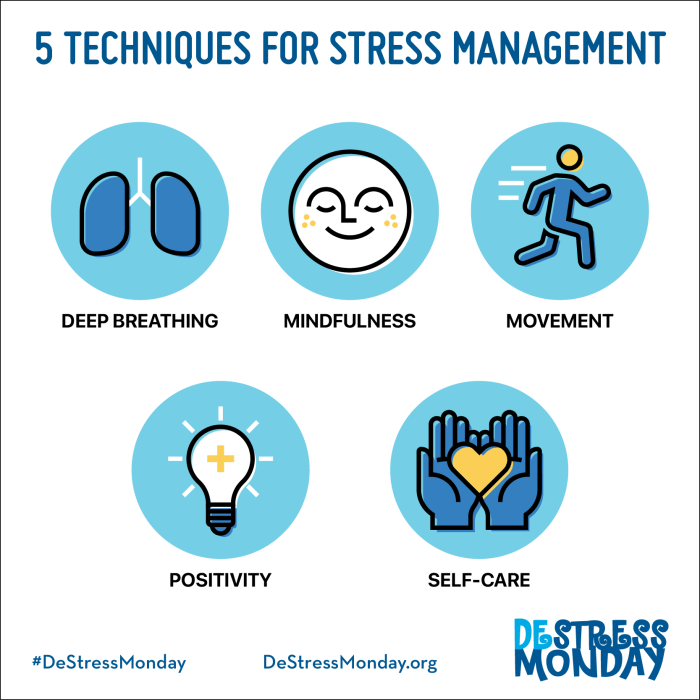
In today’s fast-paced world, where stress has become a common factor in people’s lives, medical innovations play a crucial role in helping individuals manage their stress levels and prevent stress-related diseases.
Advancements in technology have paved the way for the development of tools and devices that can monitor stress levels and provide valuable insights into how stress impacts overall health outcomes. From wearable fitness trackers to apps that track heart rate variability, individuals now have access to real-time data that can help them make informed decisions about their stress management strategies.
Medical innovations are shaping disease prevention strategies through stress management by providing personalized solutions based on individual stress profiles. By leveraging data-driven approaches, healthcare professionals can tailor interventions to address specific stress triggers and promote overall well-being.
Innovative Stress Monitoring Devices
- Wearable fitness trackers equipped with stress monitoring capabilities
- Mobile apps that track heart rate variability and provide stress management tips
- Biofeedback devices that help individuals visualize and regulate their stress responses
Nutritional Supplements
Disease prevention through stress management techniques – When it comes to managing stress and preventing diseases, nutritional supplements play a crucial role in supporting overall health and well-being. These supplements can help reduce stress levels, boost immunity, and provide essential nutrients that may be lacking in our diets.
Impact of Nutritional Supplements
- Nutritional supplements such as Vitamin B complex, Vitamin D, Magnesium, and Omega-3 fatty acids have been known to have a positive impact on reducing stress and anxiety levels.
- Adaptogenic herbs like Ashwagandha, Rhodiola Rosea, and Ginseng are also popular choices for managing stress and promoting relaxation.
- Probiotics are essential for gut health, which is closely linked to our immune system and overall well-being.
Consulting Healthcare Professionals, Disease prevention through stress management techniques
It is important to consult healthcare professionals before incorporating any nutritional supplements into your routine. They can provide guidance on the right dosage, potential interactions with medications, and ensure that the supplements are safe and suitable for your individual needs.
Fitness Routine
Engaging in a regular fitness routine is crucial for managing stress and preventing diseases. Physical activity has been shown to reduce stress levels, improve mood, boost energy, and enhance overall health.
Benefits of Physical Activity
- Regular exercise helps release endorphins, which are natural mood lifters and stress relievers.
- Physical activity promotes better sleep quality, which is essential for reducing stress and supporting overall health.
- Exercise strengthens the immune system, making the body more resilient to diseases.
Creating a Personalized Fitness Plan
When developing a fitness plan to support disease prevention, consider the following tips:
- Set realistic goals based on your current fitness level and health status.
- Choose activities that you enjoy to increase adherence to your fitness routine.
- Include a mix of cardiovascular exercises, strength training, and flexibility exercises for overall fitness.
- Gradually increase the intensity and duration of your workouts to avoid burnout and injuries.
- Listen to your body and adjust your routine as needed to prevent overtraining and promote recovery.
Health Screenings
Regular health screenings play a crucial role in disease prevention by detecting potential health issues early on. These screenings help individuals stay proactive in managing their health and can lead to early intervention and treatment when necessary.
Significance of Health Screenings
- Health screenings can help identify risk factors for various diseases, including stress-related illnesses such as hypertension and heart disease.
- Early detection through screenings allows for timely medical intervention, reducing the risk of complications and improving health outcomes.
- Screenings provide an opportunity for healthcare professionals to educate individuals on lifestyle modifications and preventive measures based on their results.
Scheduling and Attending Screenings
- Consult with your healthcare provider to determine which screenings are recommended based on your age, gender, family history, and overall health status.
- Follow the recommended screening schedule provided by your healthcare provider to ensure timely detection of any potential health issues.
- Make sure to attend all scheduled screenings and follow-up appointments as advised by your healthcare team for comprehensive disease prevention.
Sleep Hygiene
Sleep hygiene plays a crucial role in stress management and disease prevention. Getting quality sleep is essential for overall well-being, as it directly impacts our mental and physical health. Poor sleep habits can lead to increased stress levels and weaken the immune system, making us more susceptible to various diseases.
Importance of Good Sleep Hygiene
Good sleep hygiene involves creating a conducive environment and following healthy practices to improve the quality of your sleep. By prioritizing good sleep habits, you can reduce stress, boost immunity, and lower the risk of developing chronic conditions.
Tips for Improving Sleep Quality
- Avoid caffeine, nicotine, and heavy meals close to bedtime.
- Establish a consistent sleep schedule by going to bed and waking up at the same time every day.
- Create a relaxing bedtime routine to signal your body that it’s time to wind down.
- Keep your bedroom dark, quiet, and at a comfortable temperature to promote better sleep.
- Avoid screens and electronic devices before bedtime, as the blue light can disrupt your sleep cycle.
Link Between Inadequate Sleep, Stress, and Disease Risk
Inadequate sleep has been linked to increased stress levels, as it impairs cognitive function and emotional regulation. Chronic sleep deprivation can also weaken the immune system, leading to a higher susceptibility to infections and diseases such as heart disease, diabetes, and obesity. Prioritizing good sleep hygiene is essential for managing stress and reducing the risk of various health issues.
Mental Clarity
Connection between Mental Clarity and Stress Management
Effective stress management is closely linked to mental clarity. When our minds are clear and focused, we are better equipped to handle stressors and challenges that come our way. By enhancing mental clarity, we can improve our overall well-being and reduce the negative impact of stress on our health.
Techniques for Enhancing Mental Clarity
- Practice mindfulness: Engaging in mindfulness exercises such as meditation, deep breathing, and yoga can help clear the mind and improve focus.
- Stay organized: Keeping a tidy workspace and creating to-do lists can reduce mental clutter and enhance mental clarity.
- Get regular exercise: Physical activity has been shown to boost cognitive function, leading to better mental clarity.
- Adequate sleep: Prioritize quality sleep to allow your brain to rest and recharge, ultimately supporting mental clarity.
Mindfulness Practices for Mental Well-being
- Body scan meditation: Focus on each part of your body, releasing tension and promoting relaxation.
- Deep breathing exercises: Inhale deeply through your nose and exhale slowly through your mouth to calm the mind and body.
- Journaling: Write down your thoughts and feelings to gain clarity and perspective on your emotions.
Hydration Importance
Proper hydration plays a crucial role in managing stress levels and preventing diseases. Dehydration can have a significant impact on stress, cognitive function, and overall health.
Impact of Dehydration
- Dehydration can lead to increased stress levels as the body struggles to function properly without adequate fluids.
- Low hydration levels can impair cognitive function, affecting memory, focus, and decision-making abilities.
- Overall health can be compromised by dehydration, leading to issues such as headaches, fatigue, and decreased immune function.
Maintaining Proper Hydration
- Drink plenty of water throughout the day, aiming for at least 8-10 glasses to stay hydrated.
- Avoid excessive consumption of caffeinated or sugary beverages, as they can contribute to dehydration.
- Include hydrating foods in your diet, such as fruits and vegetables with high water content.
- Pay attention to signs of dehydration, such as dark urine or feelings of thirst, and take action to rehydrate promptly.
FAQ Insights
How does stress management contribute to disease prevention?
Effective stress management techniques can help lower cortisol levels, boost immunity, and reduce inflammation, all of which play a crucial role in preventing various diseases.
What are some innovative medical approaches for stress-related disease prevention?
Some innovative approaches include biofeedback therapy, virtual reality relaxation programs, and wearable devices that monitor stress levels and provide real-time feedback to users.
Can nutritional supplements really help in managing stress?
While some supplements like magnesium, vitamin B complex, and adaptogens can aid in stress management, it’s essential to consult healthcare professionals before incorporating them into your routine.
How does sleep hygiene impact stress management and disease prevention?
Good sleep hygiene practices, such as creating a relaxing bedtime routine and maintaining a consistent sleep schedule, can improve sleep quality, reduce stress levels, and enhance overall immunity.
Why is mental clarity important for effective stress management?
Mental clarity allows individuals to better cope with stress, make informed decisions, and maintain a positive outlook, all of which are essential for managing stress effectively and preventing diseases.