Stress Management
Stress management is crucial for maintaining overall health as prolonged stress can have negative effects on both mental and physical well-being. It is essential for adults to learn effective techniques to manage stress in order to lead a healthy and balanced life.
Effective Stress Management Techniques
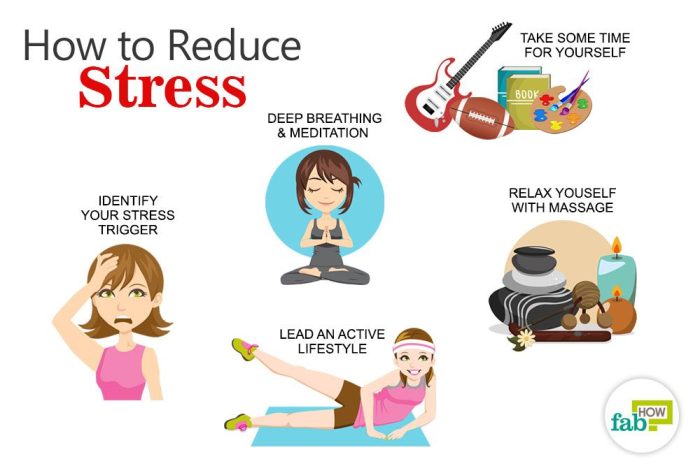
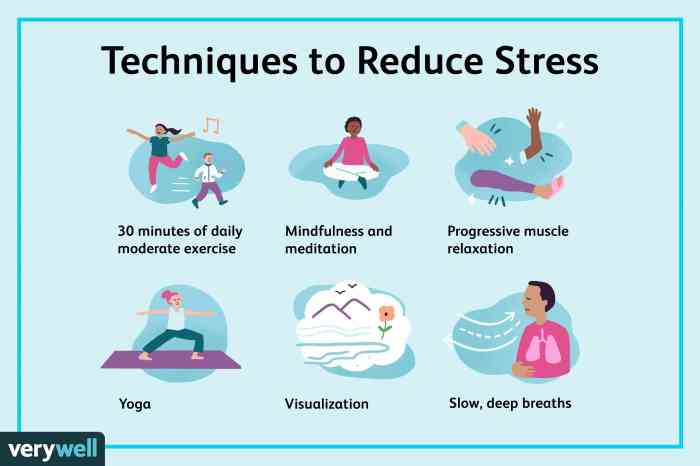
- Practice mindfulness and meditation to help calm the mind and reduce stress levels.
- Engage in regular physical exercise to release endorphins and improve mood.
- Establish a healthy work-life balance to prevent burnout and reduce stress from work-related pressures.
- Connect with friends and family for emotional support and a sense of community.
- Get an adequate amount of sleep each night to allow the body to rest and recover from daily stressors.
Impact of Stress on Physical Health and Benefits of Stress Reduction
Stress can manifest in physical symptoms such as headaches, muscle tension, and digestive issues. Chronic stress has been linked to an increased risk of heart disease, obesity, and other serious health conditions. By reducing stress through effective management techniques, individuals can lower their risk of developing these health issues and improve their overall well-being.
Healthy Lifestyle
Maintaining a healthy lifestyle is crucial for adults to enhance overall well-being and reduce the risk of chronic diseases. A combination of healthy habits can lead to improved physical and mental health, increased energy levels, and a better quality of life.
Components of a Healthy Lifestyle
- Eating a balanced diet rich in fruits, vegetables, whole grains, and lean proteins.
- Engaging in regular physical activity to strengthen the body and improve cardiovascular health.
- Getting an adequate amount of quality sleep to support proper brain function and overall health.
- Managing stress through relaxation techniques, mindfulness practices, or hobbies.
- Avoiding harmful substances such as tobacco, excessive alcohol, and illicit drugs.
- Regular health screenings and check-ups to detect any potential issues early on.
Healthy Habits for Overall Well-being
- Drinking plenty of water throughout the day to stay hydrated and aid in bodily functions.
- Incorporating regular exercise into daily routines, such as walking, yoga, or strength training.
- Practicing portion control and mindful eating to maintain a healthy weight and support digestion.
- Cultivating social connections and nurturing relationships with friends and family for emotional support.
- Taking time for self-care activities like meditation, journaling, or hobbies to reduce stress and promote relaxation.
Benefits of a Healthy Lifestyle vs. Risks of an Unhealthy One
A healthy lifestyle can lead to increased longevity, reduced risk of chronic diseases like heart disease and diabetes, improved mental health, and higher energy levels. On the other hand, an unhealthy lifestyle characterized by poor diet, lack of exercise, smoking, excessive alcohol consumption, and stress can increase the risk of developing various health issues, including obesity, hypertension, and mental health disorders.
Medical Innovations
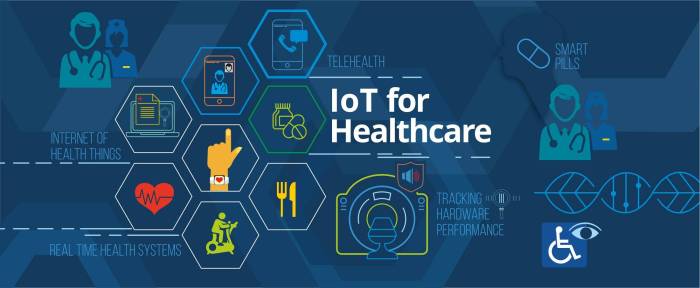
In recent years, medical innovations have significantly revolutionized health screenings for adults, enhancing accuracy, accessibility, and disease prevention through early detection.
Advancements in Imaging Technology
- One of the key innovations in health screenings is the advancement in imaging technology, such as MRI, CT scans, and PET scans. These technologies provide detailed images of the body, allowing for early detection of various conditions like cancer, heart disease, and neurological disorders.
- Imaging technology has improved the accuracy of health screenings by enabling healthcare professionals to visualize internal structures and identify abnormalities at an early stage.
- For example, 3D mammography has proven to be more effective in detecting breast cancer compared to traditional mammograms, leading to earlier diagnosis and improved outcomes for patients.
Genetic Testing and Personalized Medicine
- Another significant advancement is genetic testing, which allows for the identification of genetic markers associated with certain diseases. This information enables personalized medicine approaches tailored to an individual’s genetic makeup.
- Genetic testing has played a crucial role in disease prevention by identifying individuals at a higher risk for conditions like hereditary cancers, allowing for proactive measures to be taken to reduce the likelihood of developing these diseases.
- Through genetic testing, healthcare providers can offer personalized screening programs and interventions, leading to more effective disease prevention strategies.
Nutritional Supplements
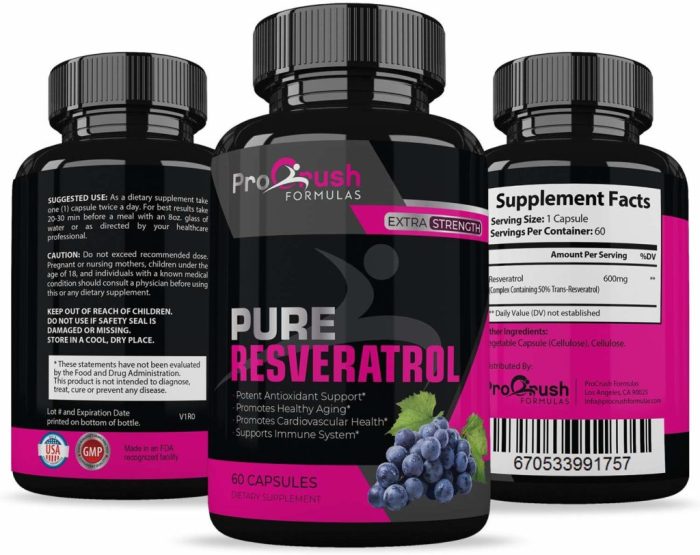
Importance of regular health screenings for adults – Nutritional supplements play a crucial role in supporting adult health by providing essential vitamins, minerals, and other nutrients that may be lacking in a person’s diet.
Importance of Consulting Healthcare Professionals
Before taking any nutritional supplements, it is important to consult healthcare professionals such as doctors or dietitians. They can provide personalized recommendations based on individual health needs and potential interactions with medications.
Common Nutritional Supplements and Health Benefits
- Vitamin D: Known as the “sunshine vitamin,” vitamin D helps with calcium absorption, bone health, and immune function.
- Omega-3 Fatty Acids: These essential fatty acids support heart health, brain function, and reduce inflammation in the body.
- Probiotics: Beneficial bacteria that support gut health, digestion, and immune function.
- Calcium: Important for bone strength, muscle function, and nerve transmission.
- Magnesium: Essential for energy production, muscle function, and nerve health.
Fitness Routine
Regular exercise is a crucial component of maintaining overall health and well-being for adults. Incorporating a fitness routine into your daily lifestyle can have a significant impact on your physical and mental health. Not only does it help in preventing various diseases, but it also boosts your mood, energy levels, and quality of life.
Tips for Designing an Effective Fitness Regimen
- Set realistic goals: Define what you want to achieve with your fitness routine, whether it’s weight loss, muscle gain, or improved endurance.
- Choose activities you enjoy: Find exercises that you look forward to doing to make your fitness routine sustainable in the long run.
- Vary your workouts: Include a mix of cardio, strength training, and flexibility exercises to target different muscle groups and prevent boredom.
- Stay consistent: Make exercise a habit by scheduling it into your daily routine and sticking to it, even on busy days.
- Listen to your body: Pay attention to how your body responds to exercise and adjust your routine accordingly to prevent injury.
Impact of Regular Exercise on Overall Health
Regular physical activity has numerous benefits for adults, including:
- Improved cardiovascular health: Exercise helps strengthen the heart and reduce the risk of heart disease and stroke.
- Weight management: Regular workouts can help you maintain a healthy weight or lose excess body fat.
- Mental well-being: Physical activity releases endorphins, which can improve your mood and reduce feelings of anxiety and depression.
- Increased energy levels: Regular exercise can boost your energy levels and improve your overall productivity throughout the day.
- Enhanced quality of sleep: Engaging in physical activity can help you fall asleep faster and enjoy a more restful night’s sleep.
Health Screenings
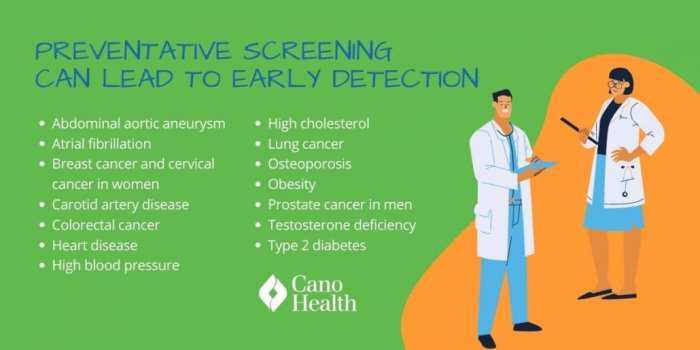
Regular health screenings are essential for adults to detect potential health issues early on, allowing for timely intervention and treatment. These screenings help in maintaining overall health and well-being by identifying risk factors and enabling preventive measures.
Recommended Health Screenings
- Blood pressure measurement: Recommended annually for adults of all ages to monitor cardiovascular health.
- Cholesterol screening: Starting at age 20 for men and women, repeated every 4-6 years.
- Blood glucose testing: Recommended for adults over 45, or earlier for those with risk factors for diabetes.
- Colon cancer screening: Starting at age 50, earlier for individuals with a family history of the disease.
- Mammograms: Recommended for women starting at age 40 to detect breast cancer early.
- Prostate cancer screening: Men should discuss with their healthcare provider the need for screening starting at age 50.
Role of Screenings in Early Detection, Importance of regular health screenings for adults
Regular health screenings play a crucial role in early detection and prevention of various diseases. By detecting conditions such as high blood pressure, diabetes, or cancer in their early stages, individuals have a better chance of successful treatment and improved outcomes. Screenings also help in identifying risk factors that can be managed through lifestyle changes, ultimately reducing the burden of chronic diseases on individuals and healthcare systems.
Disease Prevention
Regular health screenings play a crucial role in disease prevention for adults. By detecting potential health issues early, individuals can take proactive measures to manage or treat conditions before they progress to more serious stages. This not only helps in preventing the onset of diseases but also reduces the overall healthcare burden and improves the quality of life for individuals.
Early Detection of Diseases
Regular health screenings can help detect a variety of diseases early on, including but not limited to:
- High blood pressure: Screening can identify individuals at risk for heart disease and stroke.
- Diabetes: Early detection can lead to better management and prevention of complications.
- Cancer: Screenings like mammograms, colonoscopies, and pap smears can detect cancer in its early stages when treatment is most effective.
- Osteoporosis: Bone density screenings can help in the prevention of fractures and bone loss.
Impact on Healthcare Costs and Quality of Life
Regular health screenings and preventive measures have a significant impact on reducing healthcare costs and improving the quality of life. By addressing health issues early through screenings, individuals can avoid costly treatments and hospitalizations that may arise from advanced disease stages. Preventive measures such as lifestyle modifications, medication adherence, and early interventions can lead to better health outcomes, lower healthcare expenses, and an overall improved quality of life for individuals.
Sleep Hygiene: Importance Of Regular Health Screenings For Adults
Sleep hygiene refers to a set of practices and habits that are necessary for a good night’s sleep. It plays a vital role in maintaining overall health and well-being for adults.
Significance of Good Sleep Hygiene
Good sleep hygiene is essential for adults as it helps in improving concentration, productivity, mood, and overall quality of life. It also supports the immune system, reduces the risk of chronic diseases, and promotes mental health.
- Avoid stimulants like caffeine and nicotine close to bedtime.
- Create a bedtime routine to signal your body that it’s time to wind down.
- Keep your bedroom dark, quiet, and cool to promote better sleep.
- Avoid electronic devices before bedtime as the blue light can disrupt sleep.
Connection Between Sleep Deprivation and Health Issues
Chronic sleep deprivation can lead to various health issues such as obesity, heart disease, diabetes, and mental health disorders. It impairs cognitive function, memory, and decision-making abilities, affecting overall performance and well-being.
Getting 7-9 hours of quality sleep each night is crucial for optimal health and functioning.
Mental Clarity
Regular health screenings play a crucial role in maintaining mental clarity as they help in early detection and management of conditions that can impact cognitive function. By prioritizing physical health, adults can improve their overall mental well-being and cognitive abilities.
Relationship between Physical Health and Cognitive Function
Regular health screenings can help identify risk factors such as high blood pressure, cholesterol levels, and blood sugar levels, which are linked to cognitive decline and conditions like dementia. By managing these risk factors through lifestyle changes and medical interventions, adults can protect their brain health and enhance mental clarity.
- Engaging in regular exercise has been shown to improve cognitive function by promoting blood flow to the brain and reducing inflammation.
- A balanced diet rich in fruits, vegetables, whole grains, and healthy fats can provide essential nutrients that support brain health and cognitive function.
- Maintaining a healthy weight and managing chronic conditions like diabetes and hypertension can lower the risk of cognitive impairment.
Strategies for Enhancing Mental Clarity
In addition to regular health screenings, there are various lifestyle choices that adults can make to enhance mental clarity and cognitive function.
- Practicing stress management techniques such as mindfulness meditation, deep breathing exercises, and yoga can help reduce cognitive fatigue and improve focus.
- Prioritizing quality sleep by maintaining a consistent sleep schedule, creating a relaxing bedtime routine, and ensuring a comfortable sleep environment can support cognitive function and mental clarity.
- Engaging in activities that stimulate the brain, such as puzzles, reading, learning a new skill, or socializing with others, can help maintain cognitive abilities and prevent cognitive decline.
Hydration Importance
Staying hydrated is crucial for maintaining optimal health for adults. Water plays a vital role in various bodily functions and helps in regulating body temperature, aiding digestion, and transporting nutrients.
Daily Water Intake Guidelines
- Men should aim to drink about 3.7 liters (15.5 cups) of water per day, while women should aim for about 2.7 liters (11.5 cups) of water.
- Factors such as age, weight, physical activity level, and climate can affect individual water needs.
- It’s important to listen to your body’s thirst cues and drink water throughout the day to stay properly hydrated.
Effects of Dehydration and Benefits of Proper Hydration
- Dehydration can lead to symptoms like dizziness, fatigue, headaches, and dry skin. Severe dehydration can even be life-threatening.
- Proper hydration helps in improving energy levels, maintaining healthy skin, supporting kidney function, and enhancing cognitive performance.
- Drinking an adequate amount of water can also aid in weight management and digestion.
FAQ Overview
How often should adults undergo health screenings?
It is recommended for adults to undergo regular health screenings annually or as advised by their healthcare provider based on individual risk factors.
Are health screenings only necessary for older adults?
No, health screenings are essential for adults of all ages to detect potential health issues early and promote overall well-being.
What are some common health screenings recommended for adults?
Common health screenings include blood pressure checks, cholesterol tests, diabetes screenings, and cancer screenings based on age and gender.
Can health screenings detect all diseases?
While health screenings are vital for early detection, they may not detect all diseases. However, they significantly increase the chances of identifying health issues at an early stage.
How can individuals prepare for health screenings?
Preparing for health screenings involves following any fasting instructions, bringing relevant medical history information, and discussing any concerns with the healthcare provider.