Disease prevention through stress management techniques: Maintaining Health

Disease prevention through stress management techniques

Stress Management

Stress management plays a critical role in disease prevention as chronic stress can weaken the immune system and make individuals more susceptible to various illnesses. By implementing effective stress management techniques, individuals can maintain overall health and reduce the risk of developing diseases.

Effective Stress Management Techniques

  • Regular Exercise: Physical activity helps reduce stress hormones and increase endorphins, improving overall mood and reducing anxiety.
  • Healthy Diet: Consuming a balanced diet rich in fruits, vegetables, and whole grains can positively impact stress levels and overall well-being.
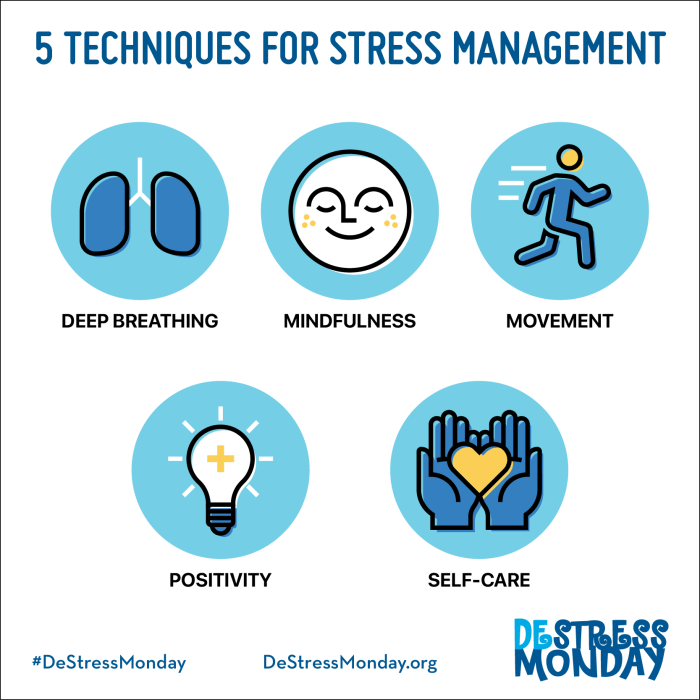
  • Relaxation Techniques: Practices such as meditation, deep breathing exercises, and yoga can help calm the mind and reduce stress levels.
  • Adequate Sleep: Prioritizing quality sleep is essential for managing stress and maintaining a healthy immune system.
  • Social Support: Seeking support from friends, family, or a therapist can provide emotional comfort and reduce feelings of stress and isolation.

Impact of Stress on the Immune System

Stress can significantly impact the immune system by triggering the release of stress hormones like cortisol, which can suppress immune function. Prolonged stress can lead to inflammation in the body, making individuals more susceptible to infections and chronic conditions. Therefore, managing stress effectively is crucial for maintaining a strong immune response and reducing the risk of disease.

Healthy Lifestyle: Disease Prevention Through Stress Management Techniques

Maintaining a healthy lifestyle is crucial in promoting disease prevention and overall well-being. By incorporating healthy habits into our daily routine, we can reduce the risk of various illnesses and improve our quality of life.

Connection Between Healthy Lifestyle and Stress Reduction

A healthy lifestyle plays a significant role in reducing stress levels. Engaging in regular physical activity, consuming a balanced diet, and prioritizing mental well-being are key factors that contribute to stress management. When our bodies are nourished, active, and well-rested, we are better equipped to cope with stressors effectively.

Role of Diet, Exercise, and Mental Well-being in Preventing Diseases

  • Diet: Consuming a diet rich in fruits, vegetables, whole grains, lean proteins, and healthy fats can help boost our immune system and reduce the risk of chronic diseases such as heart disease, diabetes, and certain cancers.
  • Exercise: Regular physical activity not only improves our physical health but also releases endorphins that act as natural stress relievers. Exercise can help lower blood pressure, improve cardiovascular health, and enhance overall well-being.
  • Mental Well-being: Prioritizing mental health through practices like mindfulness, meditation, and seeking support when needed can significantly reduce stress levels and improve overall mental well-being. It is essential to take care of our emotional health to prevent the onset of mental health disorders.

Medical Innovations

Disease prevention through stress management techniques
In today’s fast-paced world, where stress has become a common factor in people’s lives, medical innovations play a crucial role in helping individuals manage their stress levels and prevent stress-related diseases.

Advancements in technology have paved the way for the development of tools and devices that can monitor stress levels and provide valuable insights into how stress impacts overall health outcomes. From wearable fitness trackers to apps that track heart rate variability, individuals now have access to real-time data that can help them make informed decisions about their stress management strategies.

Medical innovations are shaping disease prevention strategies through stress management by providing personalized solutions based on individual stress profiles. By leveraging data-driven approaches, healthcare professionals can tailor interventions to address specific stress triggers and promote overall well-being.

Innovative Stress Monitoring Devices

  • Wearable fitness trackers equipped with stress monitoring capabilities
  • Mobile apps that track heart rate variability and provide stress management tips
  • Biofeedback devices that help individuals visualize and regulate their stress responses

Nutritional Supplements

Disease prevention through stress management techniques – When it comes to managing stress and preventing diseases, nutritional supplements play a crucial role in supporting overall health and well-being. These supplements can help reduce stress levels, boost immunity, and provide essential nutrients that may be lacking in our diets.

Impact of Nutritional Supplements

  • Nutritional supplements such as Vitamin B complex, Vitamin D, Magnesium, and Omega-3 fatty acids have been known to have a positive impact on reducing stress and anxiety levels.
  • Adaptogenic herbs like Ashwagandha, Rhodiola Rosea, and Ginseng are also popular choices for managing stress and promoting relaxation.
  • Probiotics are essential for gut health, which is closely linked to our immune system and overall well-being.

Consulting Healthcare Professionals, Disease prevention through stress management techniques

It is important to consult healthcare professionals before incorporating any nutritional supplements into your routine. They can provide guidance on the right dosage, potential interactions with medications, and ensure that the supplements are safe and suitable for your individual needs.

Fitness Routine

Engaging in a regular fitness routine is crucial for managing stress and preventing diseases. Physical activity has been shown to reduce stress levels, improve mood, boost energy, and enhance overall health.

Benefits of Physical Activity

  • Regular exercise helps release endorphins, which are natural mood lifters and stress relievers.
  • Physical activity promotes better sleep quality, which is essential for reducing stress and supporting overall health.
  • Exercise strengthens the immune system, making the body more resilient to diseases.

Creating a Personalized Fitness Plan

When developing a fitness plan to support disease prevention, consider the following tips:

  1. Set realistic goals based on your current fitness level and health status.
  2. Choose activities that you enjoy to increase adherence to your fitness routine.
  3. Include a mix of cardiovascular exercises, strength training, and flexibility exercises for overall fitness.
  4. Gradually increase the intensity and duration of your workouts to avoid burnout and injuries.
  5. Listen to your body and adjust your routine as needed to prevent overtraining and promote recovery.

Health Screenings

Regular health screenings play a crucial role in disease prevention by detecting potential health issues early on. These screenings help individuals stay proactive in managing their health and can lead to early intervention and treatment when necessary.

Significance of Health Screenings

  • Health screenings can help identify risk factors for various diseases, including stress-related illnesses such as hypertension and heart disease.
  • Early detection through screenings allows for timely medical intervention, reducing the risk of complications and improving health outcomes.
  • Screenings provide an opportunity for healthcare professionals to educate individuals on lifestyle modifications and preventive measures based on their results.

Scheduling and Attending Screenings

  • Consult with your healthcare provider to determine which screenings are recommended based on your age, gender, family history, and overall health status.
  • Follow the recommended screening schedule provided by your healthcare provider to ensure timely detection of any potential health issues.
  • Make sure to attend all scheduled screenings and follow-up appointments as advised by your healthcare team for comprehensive disease prevention.

Sleep Hygiene

Sleep hygiene plays a crucial role in stress management and disease prevention. Getting quality sleep is essential for overall well-being, as it directly impacts our mental and physical health. Poor sleep habits can lead to increased stress levels and weaken the immune system, making us more susceptible to various diseases.

Importance of Good Sleep Hygiene

Good sleep hygiene involves creating a conducive environment and following healthy practices to improve the quality of your sleep. By prioritizing good sleep habits, you can reduce stress, boost immunity, and lower the risk of developing chronic conditions.

Tips for Improving Sleep Quality

  • Avoid caffeine, nicotine, and heavy meals close to bedtime.
  • Establish a consistent sleep schedule by going to bed and waking up at the same time every day.
  • Create a relaxing bedtime routine to signal your body that it’s time to wind down.
  • Keep your bedroom dark, quiet, and at a comfortable temperature to promote better sleep.
  • Avoid screens and electronic devices before bedtime, as the blue light can disrupt your sleep cycle.

Link Between Inadequate Sleep, Stress, and Disease Risk

Inadequate sleep has been linked to increased stress levels, as it impairs cognitive function and emotional regulation. Chronic sleep deprivation can also weaken the immune system, leading to a higher susceptibility to infections and diseases such as heart disease, diabetes, and obesity. Prioritizing good sleep hygiene is essential for managing stress and reducing the risk of various health issues.

Mental Clarity

Connection between Mental Clarity and Stress Management

Effective stress management is closely linked to mental clarity. When our minds are clear and focused, we are better equipped to handle stressors and challenges that come our way. By enhancing mental clarity, we can improve our overall well-being and reduce the negative impact of stress on our health.

Techniques for Enhancing Mental Clarity

  • Practice mindfulness: Engaging in mindfulness exercises such as meditation, deep breathing, and yoga can help clear the mind and improve focus.
  • Stay organized: Keeping a tidy workspace and creating to-do lists can reduce mental clutter and enhance mental clarity.
  • Get regular exercise: Physical activity has been shown to boost cognitive function, leading to better mental clarity.
  • Adequate sleep: Prioritize quality sleep to allow your brain to rest and recharge, ultimately supporting mental clarity.

Mindfulness Practices for Mental Well-being

  • Body scan meditation: Focus on each part of your body, releasing tension and promoting relaxation.
  • Deep breathing exercises: Inhale deeply through your nose and exhale slowly through your mouth to calm the mind and body.
  • Journaling: Write down your thoughts and feelings to gain clarity and perspective on your emotions.

Hydration Importance

Proper hydration plays a crucial role in managing stress levels and preventing diseases. Dehydration can have a significant impact on stress, cognitive function, and overall health.

Impact of Dehydration

  • Dehydration can lead to increased stress levels as the body struggles to function properly without adequate fluids.
  • Low hydration levels can impair cognitive function, affecting memory, focus, and decision-making abilities.
  • Overall health can be compromised by dehydration, leading to issues such as headaches, fatigue, and decreased immune function.

Maintaining Proper Hydration

  • Drink plenty of water throughout the day, aiming for at least 8-10 glasses to stay hydrated.
  • Avoid excessive consumption of caffeinated or sugary beverages, as they can contribute to dehydration.
  • Include hydrating foods in your diet, such as fruits and vegetables with high water content.
  • Pay attention to signs of dehydration, such as dark urine or feelings of thirst, and take action to rehydrate promptly.

FAQ Insights

How does stress management contribute to disease prevention?

Effective stress management techniques can help lower cortisol levels, boost immunity, and reduce inflammation, all of which play a crucial role in preventing various diseases.

What are some innovative medical approaches for stress-related disease prevention?

Some innovative approaches include biofeedback therapy, virtual reality relaxation programs, and wearable devices that monitor stress levels and provide real-time feedback to users.

Can nutritional supplements really help in managing stress?

While some supplements like magnesium, vitamin B complex, and adaptogens can aid in stress management, it’s essential to consult healthcare professionals before incorporating them into your routine.

How does sleep hygiene impact stress management and disease prevention?

Good sleep hygiene practices, such as creating a relaxing bedtime routine and maintaining a consistent sleep schedule, can improve sleep quality, reduce stress levels, and enhance overall immunity.

Why is mental clarity important for effective stress management?

Mental clarity allows individuals to better cope with stress, make informed decisions, and maintain a positive outlook, all of which are essential for managing stress effectively and preventing diseases.


Importance of annual health screenings: Prioritizing Preventive Healthcare

Importance of annual health screenings

Stress Management

Stress can have a significant impact on our overall health, affecting not only our mental well-being but also our physical health. Chronic stress has been linked to various health issues such as high blood pressure, heart disease, obesity, and weakened immune system.

Techniques for Managing Stress Effectively

  • Practice relaxation techniques such as deep breathing, meditation, or yoga to calm your mind and body.
  • Engage in physical activities like exercise or going for a walk to release endorphins, the body’s natural stress reliever.
  • Establish a healthy work-life balance by setting boundaries and prioritizing self-care.
  • Connect with friends and family for emotional support and to share your feelings and concerns.

Incorporating Stress-Relief Activities into Daily Routines

  • Start your day with a mindfulness practice or gratitude journaling to set a positive tone for the day.
  • Schedule regular breaks throughout the day to relax and recharge, even if it’s just a few minutes.
  • Make time for hobbies or activities you enjoy to unwind and take your mind off stressors.
  • Get an adequate amount of sleep each night to ensure your body has time to rest and recover from daily stress.

Healthy Lifestyle

Maintaining a healthy lifestyle is crucial for overall well-being and longevity. It involves a combination of factors that contribute to improving physical, mental, and emotional health.

Components of a Healthy Lifestyle

  • Eating a balanced diet rich in fruits, vegetables, whole grains, lean proteins, and healthy fats.
  • Engaging in regular physical activity to strengthen the body and promote cardiovascular health.
  • Getting an adequate amount of sleep each night to allow the body to rest and rejuvenate.
  • Managing stress through relaxation techniques, mindfulness, and self-care practices.
  • Avoiding harmful substances like tobacco, excessive alcohol, and drugs.

Benefits of Maintaining a Healthy Lifestyle, Importance of annual health screenings

  • Reduced risk of chronic diseases such as heart disease, diabetes, and obesity.
  • Improved mental health and cognitive function, leading to better focus and mood regulation.
  • Enhanced immune system, making the body more resilient to illnesses and infections.
  • Increased energy levels and overall vitality for daily activities.
  • Longer lifespan and improved quality of life in older age.

Contribution to Overall Well-being

Importance of annual health screenings – A healthy lifestyle plays a significant role in promoting overall well-being by fostering a harmonious balance between physical, mental, and emotional health. It empowers individuals to take control of their health, make informed choices, and cultivate habits that support their well-being in the long run.

Medical Innovations: Importance Of Annual Health Screenings

In recent years, medical innovations have significantly transformed the landscape of health screenings, making them more accurate, efficient, and accessible. Technological advancements have played a crucial role in enhancing the effectiveness of health screening processes, ultimately leading to better preventive healthcare outcomes.

Advancements in Imaging Technology

  • One of the most notable innovations in health screenings is the development of advanced imaging technologies such as MRI, CT scans, and ultrasound.
  • These imaging techniques allow healthcare providers to detect abnormalities in the body with higher precision and detail, enabling early detection of various health conditions.
  • Improved imaging technology also reduces the need for invasive procedures, making the screening process less stressful for patients.

Genetic Testing and Personalized Medicine

  • Genetic testing has revolutionized the field of preventive healthcare by identifying individuals’ genetic predispositions to certain diseases.
  • This information enables healthcare professionals to tailor screening protocols and treatment plans according to each individual’s unique genetic makeup, leading to more personalized and effective healthcare interventions.
  • Advancements in genetic testing have also paved the way for precision medicine, where treatments are customized based on a patient’s genetic profile, optimizing health outcomes.

Telehealth and Remote Monitoring

  • Telehealth services and remote monitoring devices have made health screenings more convenient and accessible to a broader population, especially in remote or underserved areas.
  • Patients can now undergo routine health screenings from the comfort of their homes, reducing the need for frequent hospital visits and minimizing exposure to infectious diseases.
  • Remote monitoring technologies also enable healthcare providers to track patients’ health metrics in real-time, allowing for proactive interventions and timely adjustments to treatment plans.

Nutritional Supplements

Nutritional supplements play a crucial role in supporting overall health by providing essential vitamins, minerals, and other nutrients that may be lacking in our diets. They can help fill in the gaps and ensure that our bodies have everything they need to function optimally.

Key Nutritional Supplements

  • Omega-3 fatty acids: Known for their anti-inflammatory properties and benefits for heart health, brain function, and joint health.
  • Vitamin D: Essential for bone health, immune function, and mood regulation. Many people have low levels of vitamin D, especially those who live in areas with limited sunlight.
  • Probiotics: Support gut health by promoting the growth of beneficial bacteria in the digestive system, which can improve digestion and boost immunity.
  • Multivitamins: Help ensure that you are getting a wide range of essential vitamins and minerals that may be lacking in your diet.

Choosing Quality Nutritional Supplements

  • Look for supplements that have been tested by a third-party organization for quality and purity.
  • Check the label for the form of nutrients used (e.g., vitamin D3 is more effective than D2) and the absence of fillers or artificial ingredients.
  • Consider your individual needs and consult with a healthcare provider or nutritionist to determine which supplements are right for you.

Fitness Routine

Regular physical activity is crucial for maintaining overall health and well-being. Incorporating a fitness routine into daily life can have numerous benefits, including improved cardiovascular health, increased muscle strength, better mental health, and enhanced overall quality of life.

Examples of Effective Fitness Routines

  • For Beginners: A simple routine could include 30 minutes of brisk walking or jogging, bodyweight exercises like squats and push-ups, and stretching exercises for flexibility.
  • For Intermediate Levels: A more challenging routine may involve a combination of cardio exercises like running or cycling, strength training with weights or resistance bands, and core exercises like planks and crunches.
  • For Advanced Levels: An advanced routine could include high-intensity interval training (HIIT), weightlifting, advanced yoga poses, and various sports activities for cross-training.

Benefits of Regular Physical Activity

Regular physical activity not only helps in maintaining a healthy weight but also reduces the risk of chronic diseases such as heart disease, diabetes, and certain types of cancers. It can improve mood, reduce stress levels, boost energy, and promote better sleep quality. Additionally, staying active can enhance cognitive function, increase longevity, and improve overall quality of life.

Health Screenings

Annual health screenings play a crucial role in maintaining overall health and well-being. These screenings help in early detection of potential health issues, allowing for timely intervention and treatment.

Common Health Screenings

Regular health screenings are recommended for individuals of different age groups to ensure early detection of various health conditions. Here are some common health screenings based on age:

  • Blood Pressure Measurement: Recommended for adults of all ages to monitor heart health and prevent cardiovascular diseases.
  • Cholesterol Test: Suggested for individuals over the age of 20 to assess the risk of heart disease.
  • Blood Glucose Test: Important for individuals at risk of diabetes or those with a family history of the disease.
  • Mammogram: Recommended for women over 40 to screen for breast cancer.
  • Colonoscopy: Suggested for adults over 50 to detect colorectal cancer.

Impact of Regular Health Screenings

Regular health screenings can significantly impact disease prevention and treatment. Early detection through screenings allows for prompt medical intervention, which can lead to better outcomes and improved quality of life. By detecting health issues early, individuals can take necessary steps to manage their conditions effectively and reduce the risk of complications.

Disease Prevention

Importance of annual health screenings

Preventing common diseases through lifestyle choices is crucial for maintaining overall health and well-being. By making informed decisions and incorporating healthy habits into daily routines, individuals can significantly reduce their risk of developing various illnesses.

Strategies for Disease Prevention

Implementing the following strategies can help prevent the onset of common diseases:

  • Regular exercise: Engaging in physical activity can boost the immune system and improve overall health.
  • Healthy diet: Consuming a balanced diet rich in fruits, vegetables, and whole grains provides essential nutrients to the body.
  • Stress management: Practicing relaxation techniques and managing stress effectively can reduce the risk of certain health conditions.
  • Adequate sleep: Getting enough quality sleep is essential for the body to repair and rejuvenate itself.

Role of Vaccinations

Vaccinations play a critical role in disease prevention by stimulating the immune system to produce antibodies against specific pathogens. By receiving vaccinations, individuals can develop immunity to certain diseases, protecting themselves and others from potential outbreaks.

Long-Term Health Benefits

Disease prevention not only helps individuals avoid illness in the short term but also contributes to long-term health and well-being. By adopting healthy lifestyle choices and staying proactive about preventive measures, individuals can enjoy a higher quality of life and reduce the burden of healthcare costs associated with treating preventable diseases.

Sleep Hygiene

Importance of annual health screenings
Sleep hygiene refers to a set of practices and habits that promote good quality sleep. It plays a crucial role in overall health by affecting both mental clarity and physical well-being.

Significance of Good Sleep Hygiene

Maintaining good sleep hygiene is essential for various reasons, including:

  • Promoting proper brain function and cognitive performance
  • Supporting emotional well-being and mental health
  • Enhancing immune function and overall physical health
  • Improving mood, energy levels, and productivity

Tips for Improving Sleep Quality and Quantity

To improve sleep hygiene and ensure better sleep quality and quantity, consider the following tips:

  1. Establish a consistent sleep schedule by going to bed and waking up at the same time every day.
  2. Create a relaxing bedtime routine to signal your body that it’s time to wind down.
  3. Avoid stimulants like caffeine and electronics close to bedtime.
  4. Ensure your sleep environment is comfortable, dark, quiet, and cool.
  5. Engage in regular physical activity, but avoid vigorous exercise close to bedtime.
  6. Limit naps during the day, especially in the late afternoon or evening.
  7. Manage stress through relaxation techniques like deep breathing, meditation, or yoga.

Impact of Sleep on Mental Clarity and Physical Well-being

Quality sleep is essential for maintaining mental clarity and physical well-being. Lack of sleep can lead to:

  • Impaired cognitive function, concentration, and memory
  • Increased risk of mood disorders like anxiety and depression
  • Weakened immune system and higher susceptibility to illnesses
  • Weight gain and metabolic imbalances
  • Higher risk of chronic conditions like heart disease and diabetes

Mental Clarity

Maintaining mental clarity is crucial for overall well-being as it impacts various aspects of our lives such as decision-making, problem-solving, and emotional regulation. Mental clarity refers to the ability to think clearly, stay focused, and maintain a sharp mind.

Connection between Mental Clarity and Overall Health

  • Improved cognitive function: Mental clarity allows for better memory retention, learning abilities, and overall cognitive function.
  • Reduced stress and anxiety: When we have mental clarity, we are better equipped to handle stressful situations and manage our emotions effectively.
  • Enhanced productivity: Clear thinking leads to increased productivity and efficiency in daily tasks and responsibilities.

Strategies for Enhancing Mental Clarity through Lifestyle Choices

  • Regular exercise: Physical activity has been shown to boost cognitive function and improve mental clarity.
  • Healthy diet: Consuming a balanced diet rich in nutrients can support brain health and mental acuity.
  • Mindfulness practices: Techniques such as meditation and deep breathing exercises can help clear the mind and improve focus.
  • Adequate sleep: Getting enough rest is essential for cognitive function and mental clarity.

Benefits of Maintaining Mental Clarity for Overall Well-being

  • Improved decision-making: Clear thinking enables better decision-making in both personal and professional life.
  • Enhanced relationships: When we have mental clarity, we can communicate effectively and build stronger relationships with others.
  • Emotional well-being: Mental clarity contributes to emotional stability and resilience in the face of challenges.

Hydration Importance

Staying hydrated is essential for maintaining optimal health and overall well-being. Water plays a crucial role in various bodily functions, and adequate hydration is key to supporting these functions.

Indicators of Dehydration and Its Impact

Dehydration can have serious consequences on the body, affecting both physical and mental health. Some indicators of dehydration include:

  • Dark yellow urine
  • Thirst
  • Dry mouth and skin
  • Headaches

Dehydration can lead to fatigue, dizziness, confusion, and even more severe complications if left untreated.

Benefits of Adequate Hydration

Ensuring proper hydration levels can offer numerous benefits for various bodily functions:

  • Regulating body temperature
  • Supporting digestion and nutrient absorption
  • Improving skin health
  • Enhancing cognitive function and concentration

FAQ

How often should I get an annual health screening?

It is recommended to have annual health screenings for early detection of potential health issues.

Are health screenings covered by insurance?

Many health insurance plans cover preventive screenings, but it’s best to check with your provider for specific details.

What are some common health screenings for different age groups?

Common health screenings include blood pressure checks, cholesterol tests, mammograms, and colonoscopies, varying based on age and risk factors.

Importance of flexibility in fitness routines: Enhancing health through flexibility

Importance of flexibility in fitness routines

Importance of Flexibility in Fitness Routines

Flexibility is a crucial component of any fitness routine as it plays a vital role in enhancing overall performance, preventing injuries, and improving mobility. Incorporating flexibility exercises into your workout regimen can lead to numerous benefits that contribute to your overall health and well-being.

Preventing Injuries During Exercise

Incorporating flexibility exercises into your fitness routine can help prevent injuries by improving the range of motion in your joints and muscles. When your muscles are more flexible, they are less likely to become strained or torn during physical activity. Stretching regularly can also help reduce muscle soreness and stiffness, allowing you to recover faster after intense workouts.

  • Dynamic Stretching: Dynamic stretching involves moving your muscles and joints through a full range of motion in a controlled manner. Examples include leg swings, arm circles, and high knees.
  • Static Stretching: Static stretching involves holding a stretch for a prolonged period without movement. Examples include hamstring stretches, quadriceps stretches, and shoulder stretches.
  • Yoga: Practicing yoga is an excellent way to improve flexibility, balance, and strength. Poses like downward dog, child’s pose, and pigeon pose can help increase flexibility in various muscle groups.

Stress Management

Flexibility exercises play a crucial role in stress management as they help reduce tension in the muscles and promote relaxation throughout the body. Stretching can be a powerful tool for stress relief, offering not only physical benefits but also mental relaxation and mindfulness.

Mindfulness Practice for Stress Relief

Stretching can be a form of mindfulness practice when done with full awareness of the body and breath. By focusing on the sensations in your muscles as you stretch and paying attention to your breath, you can cultivate a sense of calm and presence in the moment. This mindful approach to stretching can help alleviate stress and anxiety, bringing a sense of peace and tranquility to both the body and mind.

Combining Flexibility Training with Stress Management Techniques

  • Practice deep breathing techniques while stretching to enhance relaxation and reduce stress levels.
  • Incorporate yoga poses that focus on stretching and breathing for a holistic approach to stress management.
  • Set aside dedicated time for stretching exercises as part of your daily routine to prioritize self-care and stress relief.
  • Combine flexibility training with other stress management techniques such as meditation or mindfulness practices for a comprehensive approach to well-being.

Healthy Lifestyle

Importance of flexibility in fitness routines – Flexibility plays a crucial role in maintaining a healthy lifestyle by promoting overall well-being and physical performance.

Connection between Flexibility and Improved Physical Performance

Flexibility is directly linked to improved physical performance in various activities and exercises. When muscles are flexible, they can move through a full range of motion more efficiently, leading to better agility, balance, and coordination. This, in turn, enhances athletic performance and reduces the risk of injuries during physical activities.

Role of Flexibility in Enhancing Quality of Life and Well-being

Having good flexibility not only benefits physical performance but also enhances the quality of life and overall well-being. Flexible muscles and joints help in reducing muscle tension and improving posture, leading to decreased discomfort and pain in daily activities. Moreover, flexibility training can also help in stress reduction, relaxation, and improved mental health, contributing to a holistic approach to well-being.

Medical Innovations

Medical innovations have played a significant role in enhancing flexibility in fitness routines. With the continuous advancements in technology and methods, individuals now have access to more effective ways to improve their flexibility levels.

Use of Biomechanical Analysis

One innovative technology that has revolutionized flexibility training is the use of biomechanical analysis. This method involves analyzing the movement patterns of individuals to identify areas of limited flexibility and create personalized training programs to target those specific areas.

Impact of Imaging Technologies, Importance of flexibility in fitness routines

Medical advancements in imaging technologies such as MRI and CT scans have greatly impacted the understanding of flexibility training. These technologies allow for a closer look at the muscles, joints, and connective tissues, enabling healthcare professionals to identify any structural issues that may be affecting flexibility.

Integration of Wearable Devices

The intersection between medical innovations and flexibility in fitness routines can also be seen through the integration of wearable devices. These devices, such as smart clothing and sensors, can track movement patterns and provide real-time feedback on flexibility levels, helping individuals make necessary adjustments to their training programs.

Nutritional Supplements

When it comes to flexibility training, the use of nutritional supplements can play a crucial role in supporting muscle recovery and overall performance. Supplements can provide essential nutrients that may be lacking in a person’s diet, helping them achieve their fitness goals more effectively.

Supporting Flexibility and Muscle Recovery

Specific nutrients found in supplements such as collagen, omega-3 fatty acids, and vitamin D can aid in maintaining flexibility and supporting muscle recovery. Collagen, for example, is known for its role in promoting joint health and elasticity, which can enhance flexibility during workouts.

Omega-3 fatty acids have anti-inflammatory properties that can reduce muscle soreness and improve recovery after intense exercise sessions. Additionally, vitamin D is essential for maintaining bone health and muscle function, which are crucial for overall flexibility and mobility.

Importance of a Balanced Diet

In conjunction with flexibility exercises, maintaining a balanced diet is key to maximizing the benefits of training. A diet rich in fruits, vegetables, lean proteins, and whole grains provides the necessary nutrients to support muscle flexibility and recovery. Nutritional supplements should complement a healthy diet, not replace it.

Fitness Routine

When it comes to creating a well-rounded fitness routine, incorporating flexibility exercises is essential. Flexibility training not only helps improve range of motion and prevent injuries, but it also complements other aspects of fitness like strength training and cardio.

Incorporating Flexibility Exercises

One way to include flexibility exercises in your workout routine is to dedicate specific days or sessions solely to stretching and flexibility training. This can be done either before or after your strength or cardio sessions to help warm up or cool down your muscles.

  • Include dynamic stretches like leg swings or arm circles before your workout to prepare your muscles for movement.
  • Incorporate static stretches like hamstring stretches or chest openers after your workout to help improve flexibility and reduce muscle tightness.
  • Consider adding yoga or Pilates classes to your weekly routine to focus specifically on flexibility and core strength.

Sample Weekly Workout Plan

Day Workout
Monday Strength training (upper body)
Tuesday Cardio (running or cycling)
Wednesday Flexibility training (yoga class)
Thursday Strength training (lower body)
Friday Cardio (swimming or HIIT workout)
Saturday Rest day or light activity (walking or stretching)
Sunday Flexibility training (Pilates class)

Benefits of Balancing Strength, Cardio, and Flexibility

By incorporating strength training, cardio, and flexibility exercises into your fitness routine, you can experience a wide range of benefits:

  • Improved muscle strength and endurance from strength training.
  • Enhanced cardiovascular health and endurance from cardio workouts.
  • Better flexibility, range of motion, and reduced risk of injury from flexibility training.
  • Overall balance in your fitness routine, leading to better overall health and well-being.

Health Screenings: Importance Of Flexibility In Fitness Routines

Regular health screenings play a crucial role in assessing flexibility and overall fitness levels. These screenings help individuals and healthcare providers understand the current state of flexibility and identify areas that may need improvement. It is essential to discuss flexibility goals with healthcare providers during screenings to ensure a tailored approach to enhancing flexibility and overall fitness.

Role of Health Screenings in Assessing Flexibility

Health screenings provide valuable insights into an individual’s flexibility by assessing factors such as range of motion, muscle strength, and joint mobility. Through various tests and measurements, healthcare providers can determine the level of flexibility and identify any limitations or areas of concern.

  • Screenings may include tests like the sit-and-reach test to measure flexibility in the lower back and hamstrings.
  • Functional movement assessments can help identify movement patterns that may contribute to limited flexibility.
  • Health professionals may also use specialized equipment to assess joint flexibility and muscle function accurately.

Importance of Regular Screenings for Identifying Areas of Improvement

Regular health screenings enable individuals to track changes in their flexibility over time and identify areas that may require attention. By monitoring flexibility levels consistently, individuals and healthcare providers can develop targeted strategies to improve flexibility and prevent injuries.

  • Screenings help identify muscle imbalances, stiffness, or tightness that may affect flexibility and overall fitness.
  • Early detection of limitations in flexibility can lead to the implementation of corrective exercises and stretches to enhance range of motion.
  • Regular screenings allow for ongoing assessment and adjustment of fitness routines to achieve optimal flexibility and performance.

Discussing Flexibility Goals with Healthcare Providers

During health screenings, it is crucial to communicate flexibility goals with healthcare providers to ensure a comprehensive approach to improving flexibility and overall fitness. By sharing specific goals and concerns related to flexibility, individuals can receive personalized guidance and support from healthcare professionals.

  • Healthcare providers can offer tailored advice on exercises, stretches, and lifestyle modifications to enhance flexibility based on individual goals.
  • Discussing flexibility goals allows for the development of a targeted plan that addresses specific needs and focuses on achieving desired outcomes.
  • Open communication during screenings fosters a collaborative relationship between individuals and healthcare providers, leading to better outcomes in flexibility and overall health.

Disease Prevention

Importance of flexibility in fitness routines
Maintaining flexibility in fitness routines plays a crucial role in preventing various diseases. Flexibility exercises not only enhance joint mobility and muscle elasticity but also contribute to overall health and well-being. Let’s delve into how flexibility can impact specific conditions such as arthritis, diabetes, and heart disease.

Impact on Arthritis

Flexibility exercises can help improve joint function and reduce stiffness associated with arthritis. By incorporating stretching routines that target the affected joints, individuals with arthritis can experience relief from pain and enhance their overall quality of life.

Impact on Diabetes

Maintaining flexibility through regular stretching can aid in managing blood sugar levels and improving insulin sensitivity in individuals with diabetes. Flexibility exercises can also promote circulation and reduce the risk of diabetic complications, making them an important component of diabetes management.

Impact on Heart Disease

Flexibility exercises, such as yoga and Pilates, can have a positive impact on heart health by reducing stress levels and promoting relaxation. Improved flexibility can also enhance cardiovascular function and circulation, lowering the risk of heart disease and related complications.

Sleep Hygiene

Stretching and flexibility exercises are not only beneficial for physical health but can also significantly impact our sleep hygiene. By incorporating flexibility training into our fitness routines, we can promote better sleep quality and overall well-being.

Relationship between Flexibility Training and Improved Sleep Quality

  • Regular stretching helps relax muscles and release tension, making it easier to fall asleep.
  • Flexibility exercises can improve blood circulation, leading to a more restful sleep throughout the night.
  • Reducing stiffness in the body through stretching can prevent discomfort that may disrupt sleep.

Tips for Incorporating Stretching Routines into Bedtime Rituals

  • Allocate a few minutes before bedtime to perform gentle stretches, focusing on major muscle groups.
  • Practice deep breathing while stretching to calm the mind and prepare the body for sleep.
  • Consider yoga or Pilates routines that combine stretching with mindfulness techniques for relaxation.

Mental Clarity

Regular flexibility exercises not only benefit the body but also play a crucial role in enhancing mental clarity and focus. The mind-body connection is a powerful tool that can significantly impact cognitive function and overall well-being.

Cognitive Benefits of Flexibility Training

  • Improved Concentration: Flexibility exercises help increase blood flow to the brain, promoting better focus and concentration.
  • Stress Reduction: By incorporating flexibility training into daily routines, individuals can lower stress levels, allowing for clearer thinking and improved decision-making.
  • Enhanced Memory: Studies have shown that physical activity, including flexibility exercises, can boost memory retention and cognitive function.

Mindfulness Practices for Mental Clarity

  • Deep Breathing: Combining deep breathing exercises with flexibility training can help calm the mind, reduce anxiety, and improve mental clarity.
  • Yoga: Practicing yoga poses that focus on mindfulness and breath awareness can enhance mental clarity and reduce mental distractions.
  • Meditation: Incorporating meditation techniques, such as mindfulness meditation, can promote mental clarity, emotional balance, and overall well-being.

Hydration Importance

Staying hydrated is crucial, especially during flexibility workouts, as it plays a significant role in supporting muscle function and flexibility.

Impact on Muscle Function and Flexibility

Proper hydration is essential for maintaining optimal muscle function and flexibility during workouts. Dehydration can lead to muscle cramps, decreased range of motion, and overall reduced performance.

  • Hydration helps transport nutrients to muscles and remove waste products, aiding in muscle recovery and preventing stiffness.
  • Water lubricates joints, allowing for smoother movements and reducing the risk of injuries during flexibility exercises.
  • Dehydration can cause muscle fatigue and decreased endurance, hindering your ability to perform well during workouts.

Tips for Maintaining Proper Hydration Levels

Here are some tips to ensure you stay hydrated and support your flexibility training:

  • Drink water before, during, and after your workout to replenish fluids lost through sweat.
  • Monitor your urine color – light yellow to clear indicates proper hydration.
  • Include hydrating foods like fruits and vegetables in your diet to boost water intake.
  • Avoid excessive caffeine and alcohol consumption, as they can dehydrate the body.
  • Carry a reusable water bottle with you throughout the day to encourage regular hydration.

Top FAQs

How does flexibility help prevent injuries during exercise?

Flexibility enhances the range of motion in joints, reducing the risk of strains and sprains during physical activity.

Can flexibility training improve sleep quality?

Yes, engaging in flexibility exercises can promote better sleep hygiene and contribute to improved sleep quality.

Is it necessary to combine flexibility exercises with strength training and cardio?

Yes, a well-rounded fitness routine should include a balance of flexibility, strength training, and cardio for optimal results.

How to choose the right calcium supplements: A Comprehensive Guide

How to choose the right calcium supplements

How to Choose the Right Calcium Supplements

Choosing the right calcium supplement can be crucial for maintaining bone health and overall well-being. With various options available in the market, it’s essential to consider several factors before making a decision.

Types of Calcium Supplements

When it comes to calcium supplements, there are different types to choose from, including calcium carbonate, calcium citrate, calcium phosphate, and more. Each type has its own set of benefits and absorption rates, so it’s important to select one that suits your needs best.

Factors to Consider

  • Calcium Content: Check the labels to ensure the supplement contains an adequate amount of calcium per serving.
  • Absorption Rate: Consider the bioavailability of the calcium supplement to ensure optimal absorption in the body.
  • Additives: Look out for other ingredients in the supplement, such as vitamin D or magnesium, which can enhance calcium absorption.
  • Form: Decide whether you prefer tablets, capsules, or chewable forms based on your convenience and preference.

Importance of Checking Labels

Before purchasing a calcium supplement, always read the labels carefully. Pay attention to the calcium content per serving, recommended dosage, and any additional ingredients that may affect absorption. This information can help you make an informed decision and choose the right supplement for your needs.

Consulting with a Healthcare Provider

It’s advisable to consult with a healthcare provider before starting any new supplement regimen, including calcium. They can provide personalized recommendations based on your health status, dietary habits, and potential interactions with other medications.

Stress Management

Stress can have a significant impact on calcium absorption in the body. When the body is under stress, it releases cortisol, a hormone that can interfere with the absorption of calcium in the intestines. This can lead to decreased levels of calcium in the bloodstream, affecting bone health and overall well-being.

Impact of Stress on Calcium Absorption

Stress can hinder the body’s ability to absorb calcium efficiently. Cortisol, the stress hormone, can disrupt the balance of calcium in the body by reducing its absorption in the intestines. This can result in lower calcium levels in the bloodstream, affecting bone density and increasing the risk of fractures.

Stress Management Techniques for Better Calcium Absorption

  • Practice relaxation techniques such as deep breathing, meditation, or yoga to reduce stress levels.
  • Engage in regular physical activity to help lower cortisol levels and improve calcium absorption.
  • Get an adequate amount of sleep each night to support overall health and reduce stress.
  • Eat a balanced diet rich in calcium and vitamin D to support bone health.

Relationship Between Stress Levels and Calcium Deficiency

Stress can contribute to calcium deficiency in the body due to its impact on calcium absorption. Chronic stress can lead to long-term calcium imbalances, increasing the risk of osteoporosis and other bone-related conditions. It is essential to manage stress effectively to maintain optimal calcium levels for bone health.

Reducing Stress for Better Bone Health

  • Practice stress-reducing activities such as mindfulness, journaling, or spending time in nature to promote relaxation.
  • Seek support from friends, family, or a therapist to address sources of stress and develop coping strategies.
  • Avoid excessive caffeine and alcohol consumption, as they can exacerbate stress levels and impact calcium absorption.
  • Engage in regular exercise to release endorphins and reduce stress, benefiting both mental well-being and bone health.

Healthy Lifestyle

How to choose the right calcium supplements
Maintaining a healthy lifestyle plays a crucial role in ensuring proper calcium absorption and utilization in the body. By incorporating certain habits and practices, you can support calcium intake and retention, ultimately contributing to overall bone health and well-being.

Influences on Calcium Absorption

  • Regular exercise: Engaging in weight-bearing activities such as walking, running, or strength training can help maintain calcium levels in the body and promote bone strength.
  • Adequate Vitamin D intake: Vitamin D is essential for calcium absorption, so make sure to get enough sunlight exposure or consume foods rich in Vitamin D.
  • Limiting caffeine and alcohol: Excessive consumption of caffeine and alcohol can interfere with calcium absorption, so it’s important to moderate intake.

Lifestyle Habits for Supporting Calcium Intake

  • Eating calcium-rich foods: Include dairy products, leafy greens, nuts, and seeds in your diet to ensure sufficient calcium intake.
  • Reducing sodium intake: High sodium levels can lead to calcium loss through urine, so aim to minimize salt in your diet.
  • Avoiding smoking: Smoking can negatively impact bone health and calcium absorption, so quitting smoking can be beneficial.

Role of Exercise in Calcium Levels

  • Weight-bearing exercises: Activities like jogging, dancing, or weightlifting help maintain bone density and calcium levels, reducing the risk of osteoporosis.
  • Balanced workout routine: Incorporating a variety of exercises into your routine can support overall bone health and calcium utilization in the body.

Incorporating Calcium-Rich Foods

  • Dairy products: Milk, yogurt, and cheese are excellent sources of calcium that can be easily included in meals or snacks.
  • Leafy greens: Spinach, kale, and collard greens are rich in calcium and versatile for salads, smoothies, or cooked dishes.
  • Nuts and seeds: Almonds, chia seeds, and sesame seeds are nutritious options to add to cereals, salads, or as snacks for a calcium boost.

Medical Innovations

How to choose the right calcium supplements – Recent medical innovations in the field of calcium supplements have revolutionized the way we approach calcium supplementation. These advancements are not only enhancing the absorption of calcium but also providing innovative delivery methods for better effectiveness.

Advancements in Calcium Absorption Technology

  • One of the significant innovations in calcium absorption technology is the development of nano-calcium supplements. These nano-sized particles have higher bioavailability, allowing for better absorption in the body.
  • Researchers are also exploring the use of novel formulation techniques to enhance the solubility of calcium supplements, making it easier for the body to absorb this essential mineral.
  • Studies are underway to investigate the potential of combining calcium with other nutrients or compounds to improve its absorption and utilization by the body.

Innovative Delivery Methods for Calcium Supplementation

  • Chewable calcium supplements are gaining popularity as they provide a convenient and tasty way to meet daily calcium requirements, especially for individuals who have difficulty swallowing pills.
  • Intravenous calcium infusion is another innovative delivery method that allows for rapid replenishment of calcium levels in cases of severe deficiency or certain medical conditions.
  • Transdermal calcium patches are being developed as a non-invasive way to deliver calcium directly through the skin, offering an alternative to oral supplements.

Shaping the Future of Calcium Supplementation

  • Medical innovations in calcium supplementation are paving the way for personalized approaches tailored to individual needs and deficiencies.
  • Advancements in technology are enabling the development of more effective and targeted calcium supplements that address specific absorption issues or health conditions.
  • With ongoing research and breakthroughs in the field, the future of calcium supplementation looks promising, with a focus on optimizing health outcomes and overall well-being.

Nutritional Supplements

When it comes to choosing the right calcium supplements, there are various options available in the form of nutritional supplements. Understanding the differences between these options can help you make an informed decision for your health.

Types of Calcium Supplements

  • Calcium Carbonate: This is the most commonly used form of calcium supplement and is best taken with food to enhance absorption.
  • Calcium Citrate: This form can be taken with or without food and is a good option for individuals with low stomach acid.
  • Calcium Phosphate: This type of calcium supplement is less common but may be suitable for those with specific dietary needs.

Recommended Daily Intake

It is recommended that adults get between 1000-1200 mg of calcium per day from both food and supplements. It’s important to consult with a healthcare provider to determine the right dosage for your individual needs.

Benefits and Risks

  • Benefits: Calcium supplements can help maintain strong bones and teeth, reduce the risk of osteoporosis, and support muscle function.
  • Potential Risks: Excessive calcium intake from supplements can lead to kidney stones, constipation, and interfere with the absorption of other minerals.

Incorporating into Diet

For effective incorporation of calcium supplements into a balanced diet, it’s important to spread out the dosage throughout the day, take them with meals, and avoid taking them with high-fiber foods or medications that may interfere with absorption.

Fitness Routine: How To Choose The Right Calcium Supplements

Regular physical activity plays a crucial role in calcium metabolism, helping to maintain bone health and support calcium absorption in the body.

Exercises for Bone Health

  • Weight-bearing exercises like walking, running, and dancing help to strengthen bones and promote calcium retention.
  • Resistance training with weights or resistance bands can also improve bone density and enhance calcium absorption.
  • Yoga and Pilates focus on balance, flexibility, and strength, which are essential for overall bone health and calcium utilization.

Impact of Fitness Routines on Calcium Levels

Regular exercise can increase calcium levels in the body due to the demands placed on bones during physical activity. However, excessive exercise without adequate calcium intake can lead to calcium depletion and negatively impact bone health.

Balancing Exercise with Calcium Intake

  • Ensure you are meeting your daily calcium requirements through diet or supplements to support bone health during exercise.
  • Timing is key – consume calcium-rich foods or supplements before or after workouts to maximize absorption and utilization.
  • Stay hydrated to support calcium transport and distribution throughout the body, especially during intense workouts.

Health Screenings

Regular health screenings play a crucial role in monitoring our overall health, including assessing our calcium levels. These screenings can help detect any deficiencies or excess of calcium in the body, allowing for early intervention and prevention of potential health issues.

Importance of Health Screenings for Calcium Levels

  • Calcium levels in the body are essential for maintaining bone health, muscle function, and nerve transmission.
  • Health screenings such as blood tests can measure the amount of calcium in the blood, indicating if levels are within the normal range.
  • Early detection of calcium deficiencies or excess through screenings can prevent the development of conditions like osteoporosis or hypercalcemia.

Tests for Assessing Calcium Levels

  • Blood tests: These tests measure the total calcium levels in the blood, including ionized calcium, which is the active form of calcium.
  • Urine tests: Urine calcium levels can also be measured to assess how much calcium the body is excreting, providing insight into calcium absorption and retention.
  • Bone density scans: These tests can determine the density of bones, indicating the amount of calcium present and assessing the risk of osteoporosis.

Benefits of Regular Health Screenings

  • Early detection of calcium-related issues can lead to timely intervention and treatment, preventing complications.
  • Monitoring calcium levels through screenings can help in maintaining bone health and preventing fractures.
  • Regular health screenings can also identify other underlying health issues that may impact calcium absorption or utilization in the body.

Tips for Scheduling Routine Health Screenings

  • Consult with your healthcare provider to determine the frequency of health screenings based on your age, medical history, and risk factors.
  • Keep track of your screening appointments and follow-up visits to ensure continuity in monitoring your calcium levels.
  • Be proactive in discussing any concerns or symptoms related to calcium with your healthcare provider during screenings for appropriate evaluation.

Disease Prevention

Calcium intake plays a crucial role in preventing various diseases by supporting bone health, muscle function, nerve transmission, and hormone secretion. Adequate calcium levels in the body can help reduce the risk of developing certain health conditions.

Excessive calcium loss can lead to osteoporosis, a condition characterized by weak and brittle bones. Insufficient calcium intake may also increase the likelihood of developing osteopenia, a precursor to osteoporosis. Additionally, low calcium levels can contribute to muscle cramps, numbness, and tingling sensations.

Influence of Calcium Levels on Disease

  • Calcium deficiency is linked to an increased risk of developing osteoporosis and osteopenia.
  • Inadequate calcium intake can lead to muscle cramps, numbness, and tingling sensations.
  • Low calcium levels may impact hormone secretion and nerve transmission.

Role of Calcium Supplementation in Disease Prevention

  • Calcium supplements can help individuals meet their daily calcium requirements, reducing the risk of bone-related conditions.
  • Supplementing with calcium may prevent muscle cramps and support overall muscle function.
  • Calcium intake through supplements can aid in maintaining proper nerve function and hormone regulation.

Tips for Effective Use of Calcium Supplements for Disease Prevention

  • Consult with a healthcare provider to determine the appropriate dosage of calcium supplements based on individual needs.
  • Take calcium supplements with meals to enhance absorption and reduce the risk of gastrointestinal side effects.
  • Consider combining calcium supplements with other nutrients like vitamin D for optimal bone health benefits.

Sleep Hygiene

Sleep plays a crucial role in the metabolism and absorption of calcium in the body. Adequate and quality sleep is essential for maintaining healthy calcium levels and supporting overall bone health.

Importance of Sleep in Calcium Metabolism

Sleep is the time when the body repairs and rebuilds tissues, including bone tissue. During deep sleep stages, growth hormone is released, which aids in bone growth and repair. Calcium metabolism is also regulated during sleep, ensuring proper absorption and utilization of calcium by the body.

Tips for Improving Sleep Hygiene

  • Avoid caffeine and heavy meals close to bedtime.
  • Establish a consistent sleep schedule.
  • Create a relaxing bedtime routine.
  • Ensure your sleep environment is conducive to rest, with a comfortable mattress and pillows.

Impact of Sleep Disorders on Calcium Levels

Sleep disorders such as insomnia or sleep apnea can disrupt the body’s ability to regulate calcium metabolism. Chronic sleep deprivation can lead to imbalances in calcium levels, affecting bone health and overall wellbeing.

Connection Between Adequate Sleep and Healthy Calcium Levels, How to choose the right calcium supplements

Quality sleep is essential for maintaining optimal calcium levels in the body, supporting bone health and overall well-being.

Adequate sleep allows the body to properly absorb and utilize calcium, ensuring that bones remain strong and healthy over time.

Mental Clarity

Calcium is not only essential for bone health but also plays a crucial role in maintaining cognitive function and mental clarity. Adequate levels of calcium are necessary for proper brain health and neurotransmission.

Impact of Calcium on Cognitive Function

Calcium is involved in various processes in the brain that affect cognitive function. It is essential for neurotransmitter release, which is crucial for communication between brain cells. A deficiency in calcium can lead to impaired cognitive abilities, such as memory loss, difficulty concentrating, and confusion.

Role of Calcium in Brain Health

Calcium is necessary for the proper functioning of neurons and the formation of synaptic connections in the brain. It also plays a role in regulating the activity of enzymes that are involved in neurotransmitter production. Maintaining optimal calcium levels is important for overall brain health and cognitive function.

Connection Between Calcium Deficiency and Cognitive Issues

A lack of calcium in the body can lead to cognitive issues due to the disruption of neurotransmission and impaired neuronal function. This can manifest as brain fog, forgetfulness, and difficulty processing information. Ensuring sufficient calcium intake is essential for preventing cognitive decline.

Tips for Maintaining Optimal Calcium Levels for Mental Clarity

  • Include calcium-rich foods in your diet, such as dairy products, leafy green vegetables, and fortified foods.
  • Consider taking calcium supplements if you are unable to meet your daily requirements through diet alone.
  • Ensure adequate vitamin D intake, as it is necessary for calcium absorption in the body.
  • Avoid excessive consumption of caffeine and alcohol, as they can interfere with calcium absorption.
  • Stay hydrated, as dehydration can affect calcium levels in the body.

Hydration Importance

Proper hydration plays a crucial role in our overall health, including the absorption of calcium in the body. Dehydration can have a negative impact on calcium levels and bone health, making it essential to maintain adequate hydration levels for optimal calcium utilization.

Relationship Between Hydration and Calcium Absorption

When the body is well-hydrated, it can efficiently transport nutrients, including calcium, to the cells where they are needed. Water aids in the digestion and absorption of calcium from food and supplements, ensuring that this essential mineral reaches the bones for optimal bone health.

Tips for Staying Hydrated to Support Calcium Utilization

  • Drink an adequate amount of water throughout the day, aiming for at least 8-10 glasses.
  • Include hydrating foods in your diet, such as fruits and vegetables with high water content.
  • Avoid excessive consumption of caffeinated or sugary beverages, as they can dehydrate the body.
  • Carry a water bottle with you to remind yourself to drink water regularly.

Impact of Dehydration on Calcium Levels and Bone Health

Dehydration can lead to reduced calcium absorption and retention in the body, affecting bone density and overall bone health. When the body lacks sufficient water, it may prioritize other functions over calcium absorption, potentially leading to bone-related issues in the long run.

Significance of Proper Hydration for Optimal Calcium Absorption

Maintaining proper hydration levels is essential for optimal calcium absorption, ensuring that this vital mineral is effectively utilized by the body. Adequate hydration supports overall bone health and contributes to the prevention of conditions like osteoporosis.

Expert Answers

How do I know which type of calcium supplement is best for me?

It’s essential to consider factors like calcium absorption rates, additional ingredients, and your individual health needs when choosing a calcium supplement. Consulting with a healthcare provider can also provide personalized recommendations.

Can stress impact the effectiveness of calcium supplements?

Yes, stress can affect calcium absorption in the body. Managing stress levels through techniques like mindfulness, exercise, and proper self-care can support the optimal utilization of calcium from supplements.

Are there any risks associated with relying solely on calcium supplements for my daily intake?

While calcium supplements can be beneficial, relying solely on them may pose risks such as mineral imbalances. It’s important to incorporate calcium-rich foods into your diet and not exceed the recommended daily intake of calcium through supplements.

Best antioxidant supplements for overall health: Boosting your well-being with antioxidants

Best antioxidant supplements for overall health

Introduction to Antioxidant Supplements: Best Antioxidant Supplements For Overall Health

Best antioxidant supplements for overall health
Antioxidant supplements play a crucial role in promoting overall health by protecting our cells from damage caused by free radicals. These free radicals are unstable molecules that can lead to oxidative stress, inflammation, and various diseases if left unchecked. Incorporating antioxidant supplements into a healthy lifestyle can help combat these harmful effects and support our body’s natural defense mechanisms.

How Antioxidants Help Protect Cells

Antioxidants work by neutralizing free radicals, preventing them from causing damage to our cells. They do this by donating an electron to the free radicals, stabilizing them and reducing their harmful effects. This process helps to maintain the balance in our body and protect our cells from oxidative damage.

  • Antioxidants like Vitamin C, Vitamin E, and beta-carotene are known for their ability to scavenge free radicals and protect our cells.
  • Studies have shown that antioxidants can help reduce the risk of chronic diseases such as heart disease, cancer, and neurodegenerative disorders.
  • Including a variety of antioxidant-rich foods and supplements in your diet can provide a range of benefits for your overall health and well-being.

Benefits of Antioxidant Supplements

Antioxidant supplements offer a wide range of health benefits that contribute to overall well-being. These supplements are known for their ability to combat oxidative stress, which can lead to various health issues. Let’s explore some of the potential benefits of consuming antioxidant supplements.

Improved Skin Health and Reduced Signs of Aging, Best antioxidant supplements for overall health

Antioxidants play a crucial role in protecting the skin from damage caused by free radicals. By neutralizing these harmful molecules, antioxidants help reduce the signs of aging such as wrinkles, fine lines, and age spots. Regular intake of antioxidant supplements can promote skin elasticity, hydration, and overall radiance, resulting in a more youthful complexion.

Boosted Immune System and Reduced Risk of Chronic Diseases

Antioxidants help strengthen the immune system by protecting cells from damage and inflammation. By reducing oxidative stress, antioxidants can enhance the body’s ability to fight off infections and illnesses. Additionally, antioxidants have been linked to a lower risk of chronic diseases such as heart disease, cancer, and neurodegenerative disorders. Including antioxidant supplements in your diet can provide added protection against these serious health conditions.

Types of Antioxidant Supplements

Antioxidant supplements come in various forms, each containing different types of antioxidants that play a crucial role in promoting overall health.

Vitamin C

Vitamin C is a powerful antioxidant that helps protect cells from damage caused by free radicals. It is commonly found in citrus fruits, strawberries, and bell peppers. Vitamin C also supports the immune system and helps in the absorption of iron.

Vitamin E

Vitamin E is another essential antioxidant that helps protect cell membranes from damage. It can be found in nuts, seeds, and vegetable oils. Vitamin E also plays a role in maintaining healthy skin and eyes.

Beta-carotene

Beta-carotene is a precursor to vitamin A and acts as an antioxidant in the body. It is abundant in fruits and vegetables with orange and yellow pigments, such as carrots, sweet potatoes, and pumpkins. Beta-carotene supports eye health and immune function.

Selenium

Selenium is a trace mineral that acts as an antioxidant by helping to regulate thyroid function and protect against oxidative stress. It can be found in Brazil nuts, fish, and poultry. Selenium also plays a role in supporting a healthy immune system.

Choosing the Best Antioxidant Supplements

When it comes to choosing the best antioxidant supplements for your overall health, there are several factors to consider to ensure you are getting the most out of your supplement regimen. It is essential to prioritize quality, dosage, and form to maximize the benefits of antioxidants in your body. Additionally, consulting a healthcare provider before starting any new supplement regimen is crucial to ensure that it is safe and appropriate for your individual needs. Here are some tips on how to choose the best antioxidant supplements:

Quality

  • Look for supplements from reputable brands that have been tested for purity and quality.
  • Check for third-party certifications, such as NSF International or USP, to ensure the supplement meets quality standards.
  • Avoid supplements with unnecessary fillers, additives, or artificial ingredients.

Dosage

  • Follow the recommended dosage on the supplement label or as advised by your healthcare provider.
  • Avoid mega-dosing, as excessive amounts of antioxidants can have negative effects on your health.
  • Consider your individual needs and consult with a healthcare provider to determine the right dosage for you.

Form

  • Choose a form of antioxidant supplements that is easily absorbed by your body, such as capsules, tablets, or liquid forms.
  • Consider any dietary restrictions or preferences when selecting the form of the supplement.
  • Discuss with your healthcare provider to determine the most suitable form of antioxidant supplements for you.

Consulting a Healthcare Provider

  • Before starting any new supplement regimen, consult with a healthcare provider to ensure it is safe and appropriate for your individual health needs.
  • Discuss any existing medical conditions, medications, or allergies that may interact with antioxidant supplements.
  • Regularly follow up with your healthcare provider to monitor the effectiveness and safety of the supplement regimen.

Ensuring Safety and Effectiveness

  • Research the ingredients in the supplement and their potential benefits and side effects.
  • Be aware of any potential interactions with medications or existing health conditions.
  • Monitor your body’s response to the supplement and adjust the dosage or form as needed.

Incorporating Antioxidant Supplements into Daily Routine

Best antioxidant supplements for overall health – Adding antioxidant supplements to your daily routine can be a simple and effective way to boost your overall health. By combining these supplements with antioxidant-rich foods, you can maximize their benefits and support your body’s natural defense system.

Including Antioxidant-Rich Foods

One of the best ways to incorporate antioxidant supplements into your daily routine is by pairing them with antioxidant-rich foods. These foods can enhance the effects of the supplements and provide additional nutrients for overall health.

  • Blueberries: Packed with antioxidants like vitamin C and flavonoids, blueberries are an excellent addition to your morning smoothie or yogurt bowl.
  • Spinach: Rich in antioxidants such as lutein and zeaxanthin, spinach can be added to salads, omelets, or stir-fries for a nutrient boost.
  • Walnuts: High in antioxidants like vitamin E and polyphenols, walnuts make a great snack on their own or can be sprinkled over salads for extra crunch.

Consistency is Key

Consistency is crucial when it comes to reaping the full benefits of antioxidant supplements. Incorporating these supplements into your daily routine and pairing them with antioxidant-rich foods can help maintain a steady flow of antioxidants in your system, supporting your overall health and well-being.

Interaction of Antioxidants with Other Health Aspects

Antioxidants play a crucial role in various aspects of health beyond just fighting free radicals. Let’s delve into how antioxidant supplements can interact with other key areas of our well-being.

Contribution to Stress Management and Mental Clarity

Antioxidants have been shown to help reduce oxidative stress in the body, which can have a positive impact on stress management. By neutralizing free radicals, antioxidants may help alleviate some of the physiological effects of stress, promoting mental clarity and overall cognitive function.

  • Antioxidants like vitamin C and E can support the body’s natural stress response and help protect brain cells from oxidative damage.
  • Studies suggest that antioxidants may play a role in reducing anxiety and improving mood by combating the effects of stress on the body.
  • Incorporating antioxidant-rich foods or supplements into your diet may contribute to better mental well-being and cognitive function.

Relationship Between Antioxidants and Disease Prevention

Antioxidants are known for their potential in preventing chronic diseases by combating inflammation and oxidative stress in the body. This preventive aspect is crucial for overall health and well-being.

Research indicates that a diet rich in antioxidants may lower the risk of developing conditions like heart disease, cancer, and neurodegenerative disorders.

  • Antioxidants can help protect cells and tissues from damage, reducing the risk of developing chronic diseases over time.
  • By neutralizing free radicals, antioxidants may help prevent DNA damage and mutations that can lead to various health issues.
  • Regular intake of antioxidant supplements or foods can contribute to a stronger immune system and overall disease resistance.

Supporting Fitness Routine and Enhancing Physical Performance

Antioxidants play a role in supporting a healthy lifestyle, including physical fitness. Their impact on cellular health and recovery can enhance performance during exercise and aid in overall fitness goals.

  • Antioxidants help reduce muscle fatigue and soreness by protecting muscle cells from oxidative damage during physical activity.
  • Studies suggest that antioxidant supplementation may improve endurance and recovery time in athletes and active individuals.
  • By promoting cellular health and reducing inflammation, antioxidants can support muscle strength and overall physical performance.

User Queries

Are antioxidant supplements safe for daily consumption?

Yes, when taken in recommended doses, antioxidant supplements are generally safe for daily use. It’s essential to follow guidelines and consult with a healthcare provider.

Can antioxidant supplements replace a healthy diet?

While supplements can help fill gaps, they should not substitute a balanced diet rich in fruits, vegetables, and whole foods. It’s best to use them as a complement to a healthy eating plan.

Do antioxidant supplements have any side effects?

Some individuals may experience side effects like digestive issues or allergic reactions. It’s crucial to monitor your body’s response and discontinue use if any adverse effects occur.

How to choose quality nutritional supplements: A Complete Guide

How to choose quality nutritional supplements

Factors to Consider when Choosing Quality Nutritional Supplements

When selecting nutritional supplements, it is essential to consider various factors to ensure you are choosing high-quality products that meet your specific needs. Here are some essential factors to keep in mind:

Researching Reputable Brands

How to choose quality nutritional supplements – One of the most crucial aspects of choosing quality nutritional supplements is researching reputable brands. Look for companies with a proven track record of producing safe and effective supplements. Reading reviews and seeking recommendations from healthcare professionals can help you identify trustworthy brands.

Checking for Third-Party Certifications, How to choose quality nutritional supplements

Another important factor to consider is checking for third-party certifications. Look for supplements that have been tested and verified by independent organizations such as NSF International, USP, or ConsumerLab. These certifications ensure that the products meet specific quality and safety standards.

Ingredient Transparency

When selecting nutritional supplements, it is vital to choose products with transparent ingredient lists. Make sure the supplement label clearly identifies all the ingredients included and their respective dosages. Avoid products that use proprietary blends or hide information about their ingredients.

Evaluating Dosage and Potency

It is also essential to evaluate the dosage and potency of nutritional supplements before making a purchase. Check if the product provides the recommended daily allowance of essential nutrients and assess the potency of active ingredients. Choosing supplements with the right dosage and potency ensures you are getting the intended benefits.

Types of Nutritional Supplements: How To Choose Quality Nutritional Supplements

When it comes to nutritional supplements, there are various types available to support overall health and well-being. Understanding the different categories can help you choose the right supplements that meet your specific needs.

Vitamins and Minerals Supplements

Vitamins and minerals are essential nutrients that the body needs to function properly. While vitamins are organic compounds that the body cannot produce in sufficient amounts, minerals are inorganic elements that are crucial for various bodily functions.

  • Vitamins: These micronutrients play a vital role in maintaining overall health, supporting immune function, and regulating metabolism. Common vitamins include vitamin C, vitamin D, and the B-complex vitamins.
  • Minerals: Minerals are essential for various bodily functions, such as bone health, muscle function, and nerve transmission. Examples of minerals include calcium, iron, and magnesium.

Herbal and Botanical Supplements

Herbal and botanical supplements are derived from plants and are often used for their medicinal properties. These supplements can provide a natural alternative to support specific health needs.

  • Herbal Supplements: These supplements contain extracts from plants and herbs known for their therapeutic benefits. Examples include ginkgo biloba for cognitive function and echinacea for immune support.
  • Botanical Supplements: Botanical supplements are derived from various parts of plants, such as roots, leaves, and flowers, to promote health and well-being. Common botanical supplements include turmeric for its anti-inflammatory properties and garlic for cardiovascular health.

Amino Acids and Protein Supplements

Amino acids are the building blocks of proteins and play a crucial role in various bodily functions, including muscle repair and growth. Protein supplements provide an additional source of amino acids to support muscle recovery and overall health.

  • Amino Acids: Essential amino acids cannot be produced by the body and must be obtained through diet or supplementation. They are vital for protein synthesis, muscle maintenance, and immune function.
  • Protein Supplements: These supplements come in various forms, such as whey, casein, and plant-based proteins, to support muscle growth, recovery, and overall protein intake.

Probiotics and Digestive Enzymes

Probiotics are beneficial bacteria that support gut health and digestion, while digestive enzymes help break down food for better nutrient absorption. These supplements can aid in digestion and improve overall gut health.

  • Probiotics: These supplements contain live beneficial bacteria that help maintain a healthy balance of gut flora, support immune function, and improve digestion. Common probiotic strains include Lactobacillus and Bifidobacterium.
  • Digestive Enzymes: Enzymes help break down carbohydrates, proteins, and fats in the digestive tract for better absorption. Supplementing with digestive enzymes can aid in digestion, reduce bloating, and improve nutrient absorption.

Understanding Labels and Claims

When choosing nutritional supplements, it is crucial to understand how to interpret labels and claims effectively. This knowledge can help you make informed decisions about the supplements you are considering.

Interpreting Nutritional Supplement Labels

  • Read the list of ingredients carefully to ensure you are aware of what you are consuming.
  • Check the serving size and number of servings per container to determine the appropriate dosage.
  • Look for information on potential allergens or additives that may be present in the supplement.

Significance of Understanding Dosage Recommendations

  • Following the recommended dosage is essential to ensure you are not consuming too much or too little of the supplement.
  • Consult with a healthcare professional to determine the appropriate dosage based on your individual needs and health status.

Differences Between Health Claims and Structure/Function Claims

  • Health claims describe the relationship between a nutrient or ingredient in a supplement and a specific health outcome.
  • Structure/function claims highlight how a supplement may support the structure or function of the body without making specific health claims.
  • Understanding the distinction between these types of claims can help you evaluate the potential benefits of a supplement more effectively.

Importance of Looking for Third-Party Testing Logos

  • Third-party testing logos indicate that a supplement has undergone testing by an independent organization to verify its quality and safety.
  • Look for logos from reputable testing organizations like USP, NSF, or ConsumerLab.com to ensure that the supplement meets high standards of quality.
  • Choosing supplements with third-party testing logos can give you added confidence in the product you are purchasing.

Potential Risks and Side Effects

When it comes to nutritional supplements, there are certain risks and side effects to be aware of, especially when dealing with low-quality products. These risks can have negative impacts on your health and well-being, so it’s essential to be informed.

Common Risks Associated with Low-Quality Supplements

Low-quality supplements may contain harmful contaminants, such as heavy metals, pesticides, or other toxic substances. These impurities can lead to adverse reactions, allergic responses, or even serious health issues. Additionally, inadequate quality control and improper manufacturing processes can result in inconsistent dosage levels, reducing the effectiveness of the supplement.

Potential Interactions with Medications or Existing Conditions

Some supplements can interact with certain medications or exacerbate existing health conditions. For example, vitamin E supplements can increase the risk of bleeding in individuals taking blood thinners, while calcium supplements may interfere with the absorption of certain antibiotics. It’s crucial to consult with a healthcare provider before adding any new supplement to your regimen, especially if you have underlying health concerns or are taking medications.

Importance of Consulting a Healthcare Provider

Seeking advice from a healthcare provider before starting any new supplement is crucial for several reasons. Healthcare professionals can help assess your individual health needs, identify potential risks or interactions, and recommend suitable products based on your specific health goals. This personalized guidance can prevent adverse reactions and ensure that the supplements you choose are safe and effective for you.

Risks of Exceeding Recommended Dosages

Consuming excessive amounts of certain nutrients or ingredients can be harmful to your health. Overdosing on supplements can lead to toxicity, nutrient imbalances, and adverse effects on various bodily functions. It’s important to follow the recommended dosages provided by healthcare professionals or the supplement manufacturer to avoid these risks and maximize the benefits of the product.

Tips for Purchasing and Using Nutritional Supplements

How to choose quality nutritional supplements
When it comes to purchasing and using nutritional supplements, there are several key tips to keep in mind to ensure you are getting the most out of your supplements in a safe and effective manner.

Where to Purchase Quality Supplements

It is essential to purchase your nutritional supplements from reputable sources such as pharmacies, health food stores, or trusted online retailers. Avoid purchasing supplements from unknown or unverified sources to ensure their quality and efficacy.

Checking Expiration Dates and Storage

Always check the expiration dates on the supplement packaging to ensure that you are consuming products that are still potent and safe. Additionally, store your supplements in a cool, dry place away from direct sunlight to maintain their effectiveness.

Maintaining a Balanced Diet Alongside Supplements

While nutritional supplements can complement your diet, they should not be a substitute for a healthy and balanced diet. It is important to continue eating a variety of nutrient-rich foods to ensure you are getting all the essential vitamins and minerals your body needs.

Starting with Small Doses and Monitoring Effects

When introducing a new supplement into your routine, it is recommended to start with a smaller dosage to assess how your body reacts. Monitor any effects or changes you experience and adjust the dosage as needed. Consulting with a healthcare provider can also provide guidance on the appropriate dosage for your individual needs.

Frequently Asked Questions

How can I identify reputable brands when choosing nutritional supplements?

Look for brands that have a strong reputation in the industry, backed by positive reviews and recommendations from healthcare professionals.

Why is it important to check for third-party certifications?

Third-party certifications ensure that the supplements have undergone rigorous testing for quality and safety, giving you peace of mind about their effectiveness.

What should I consider when evaluating dosage and potency of supplements?

It’s crucial to follow recommended dosage guidelines and ensure that the potency of the supplement aligns with your health needs and goals.

How do I interpret nutritional supplement labels effectively?

Pay attention to key information such as serving size, ingredients, and daily value percentages to understand the nutritional content of the supplement.

Yoga poses for a balanced healthy lifestyle – Enhancing well-being through yoga

Yoga poses for a balanced healthy lifestyle

Yoga Poses for a Balanced Healthy Lifestyle

Yoga poses for a balanced healthy lifestyle
Yoga plays a crucial role in maintaining a balanced and healthy lifestyle by promoting physical and mental well-being. It combines physical postures, breathing techniques, and meditation to improve overall health and wellness.

The Importance of Yoga in Maintaining Balance and Health

  • Yoga helps reduce stress and anxiety levels, promoting relaxation and mental clarity.
  • It improves flexibility, strength, and posture, leading to better physical health.
  • Yoga poses can enhance concentration and focus, benefiting cognitive function.

Examples of Yoga Poses for Physical and Mental Well-being

  • Child’s Pose (Balasana): This pose stretches the back, hips, thighs, and ankles, promoting relaxation and relieving stress.
  • Warrior II Pose (Virabhadrasana II): Helps build stamina, balance, and concentration while strengthening the legs and opening the chest.
  • Tree Pose (Vrikshasana): Improves balance, concentration, and posture while strengthening the legs and ankles.

Incorporating Yoga into Daily Routine for Overall Health

  • Practicing yoga daily can improve flexibility, strength, and mental clarity over time.
  • It can help reduce the risk of chronic conditions such as heart disease, high blood pressure, and depression.
  • Yoga can be a valuable tool for managing stress and promoting a sense of well-being in daily life.

Stress Management

Yoga poses for a balanced healthy lifestyle – Yoga is a powerful tool for managing stress in our daily lives. By incorporating specific yoga poses into our routine, we can effectively reduce stress levels and promote a sense of calm and relaxation.

Using yoga as a stress-relief technique offers a wide range of benefits for our overall well-being. It helps to release tension from the body, calm the mind, and improve our ability to cope with stressful situations. Yoga also promotes mindfulness and self-awareness, allowing us to better understand and manage our emotions.

Yoga Poses for Stress Management

  • Child’s Pose (Balasana): This relaxing pose helps to calm the mind and relieve stress by gently stretching the back and hips.
  • Corpse Pose (Savasana): Savasana promotes deep relaxation and reduces anxiety by allowing the body to rest and rejuvenate.
  • Bridge Pose (Setu Bandhasana): By opening the chest and shoulders, Bridge Pose helps to release stress and improve overall mood.

Healthy Lifestyle

Yoga plays a significant role in promoting a healthy lifestyle by incorporating physical, mental, and spiritual practices that contribute to overall well-being.

Benefits of Yoga for Enhancing Well-being

  • Improves flexibility, strength, and balance
  • Reduces stress and anxiety levels
  • Promotes relaxation and better sleep
  • Enhances focus, concentration, and mindfulness
  • Boosts immunity and overall energy levels

Relationship between Yoga Practice and Healthy Lifestyle

Regular practice of yoga can help individuals maintain a healthy lifestyle by cultivating self-awareness, discipline, and mindfulness. It encourages individuals to make healthier choices in terms of diet, lifestyle habits, and overall well-being. By integrating yoga into daily routines, individuals can experience a holistic approach to health that addresses physical, mental, and emotional aspects of well-being.

Medical Innovations

Yoga poses are increasingly being integrated into medical treatments and innovations due to their proven benefits on physical and mental health. The ancient practice of yoga is now gaining recognition in modern medical practices for its ability to complement traditional treatments and improve overall well-being.

Impact on Modern Medical Practices

Yoga has shown to have a positive impact on modern medical practices by providing additional therapeutic options for patients. Medical professionals are incorporating yoga poses into treatment plans to help manage various health conditions such as chronic pain, anxiety, depression, and even cardiovascular diseases. The practice of yoga not only promotes physical strength and flexibility but also aids in reducing stress levels and improving mental clarity.

  • Yoga as a complementary therapy: Medical professionals are recommending yoga as a complementary therapy alongside traditional medical treatments to enhance outcomes and promote holistic healing.
  • Stress management: Yoga has been proven to be effective in managing stress levels, which in turn can reduce the risk of developing stress-related illnesses such as hypertension and heart disease.
  • Improved mental health: Regular practice of yoga poses has been linked to improved mental health outcomes, including reduced symptoms of anxiety and depression.

Examples of Medical Advancements

The integration of yoga into modern medical practices has led to several noteworthy advancements in healthcare. Medical institutions and research studies have shown promising results in utilizing yoga as a therapeutic tool for various health conditions.

  1. Yoga for chronic pain management: Research has demonstrated the effectiveness of yoga in reducing chronic pain symptoms, particularly in conditions such as lower back pain, arthritis, and fibromyalgia.
  2. Yoga for cancer patients: Oncology centers are incorporating yoga into cancer treatment plans to help patients cope with the physical and emotional challenges of cancer diagnosis and treatment.
  3. Yoga for cardiovascular health: Studies have indicated that yoga can improve cardiovascular health by lowering blood pressure, reducing cholesterol levels, and promoting overall heart health.

Nutritional Supplements

Proper nutrition is essential for overall health and well-being, and when combined with a regular yoga practice, it can enhance the benefits of both. In some cases, it may be beneficial to incorporate nutritional supplements to ensure that the body receives all the necessary vitamins, minerals, and nutrients it needs to support a balanced and healthy lifestyle.

Benefits of Incorporating Supplements

Yoga practitioners can benefit from incorporating supplements into their routine as they can help fill any nutritional gaps that may exist in their diet. Supplements can provide additional support for energy levels, immune function, muscle recovery, and overall well-being. They can also aid in stress management and promote mental clarity and focus during yoga practice.

Examples of Nutritional Supplements

  • Protein Powder: Protein is essential for muscle repair and growth. Incorporating a protein powder supplement can help yoga practitioners meet their protein requirements, especially for those who follow a vegetarian or vegan diet.
  • Omega-3 Fatty Acids: Omega-3 fatty acids are known for their anti-inflammatory properties and benefits for heart health. Supplementing with fish oil or algae-based omega-3 can support joint health and reduce inflammation in the body.
  • Vitamin D: Many people have low levels of vitamin D, which is crucial for bone health, immune function, and mood regulation. Taking a vitamin D supplement can help maintain optimal levels, especially for those who have limited sun exposure.
  • Magnesium: Magnesium is important for muscle relaxation, stress reduction, and quality sleep. Supplementing with magnesium can support muscle recovery, relaxation, and overall well-being, making it beneficial for yoga practitioners.

Fitness Routine

Yoga poses can be seamlessly integrated into a fitness routine to enhance overall health and well-being. The combination of yoga with other forms of exercise can provide a holistic approach to fitness, offering numerous benefits to the body and mind.

Benefits of Combining Yoga with Other Forms of Exercise

  • Improves flexibility: Yoga helps increase flexibility in the muscles and joints, allowing for better range of motion during other types of physical activity.
  • Strengthens core muscles: Many yoga poses engage the core muscles, which can improve stability and balance in other workouts.
  • Reduces risk of injury: The focus on proper form and alignment in yoga can help prevent injuries during more intense forms of exercise.
  • Enhances mental focus: Practicing yoga can improve concentration and mindfulness, which can be beneficial for staying focused during workouts.

How Yoga Enhances Overall Fitness and Flexibility, Yoga poses for a balanced healthy lifestyle

  • Increases muscle strength: Holding yoga poses builds strength in various muscle groups, contributing to overall fitness levels.
  • Promotes relaxation: Yoga incorporates breathing techniques and meditation, which can help reduce stress and improve recovery after intense workouts.
  • Boosts endurance: The combination of strength and flexibility training in yoga can enhance endurance for other physical activities.
  • Improves posture: Regular practice of yoga can correct postural imbalances and alignment issues, leading to better posture during exercise and daily activities.

Health Screenings

Regular health screenings play a crucial role in maintaining a healthy lifestyle by detecting potential health issues early on, allowing for timely intervention and treatment. These screenings can help prevent diseases or conditions from progressing to more advanced stages, ultimately improving overall health outcomes.

Complementing Health Screenings with Yoga

Yoga can complement health screenings as part of preventive care by promoting overall well-being and reducing risk factors for various health conditions. The practice of yoga, with its focus on mindfulness, stress reduction, and physical movement, can help individuals maintain optimal health and support the effectiveness of health screenings in identifying potential issues.

  • Yoga can help reduce stress levels, which in turn can positively impact overall health and well-being. Lower stress levels may lead to better health outcomes and improve the accuracy of health screenings.
  • Regular yoga practice can improve flexibility, strength, and balance, which are important factors in maintaining good physical health. These benefits can complement the results of health screenings and contribute to a healthier lifestyle.
  • Yoga promotes mindfulness and self-awareness, allowing individuals to better understand their bodies and notice any changes or symptoms that may require medical attention. This self-awareness can enhance the effectiveness of health screenings and encourage proactive health management.

Benefits of Proactive Health Screenings for Yoga Practitioners

Proactive health screenings can provide valuable insights for yoga practitioners, helping them better understand their current health status and identify any potential risk factors that may affect their practice or overall well-being. By staying proactive and engaging in regular health screenings, yoga practitioners can take control of their health and make informed decisions to support their practice and lifestyle.

  • Early detection of health issues through screenings can lead to timely intervention and treatment, allowing yoga practitioners to address any health concerns before they progress.
  • Health screenings can help yoga practitioners monitor their progress and assess the impact of their practice on their overall health. This feedback can guide adjustments in their yoga routine to optimize health benefits.
  • By incorporating health screenings into their wellness routine, yoga practitioners can cultivate a holistic approach to health and well-being, aligning with the principles of yoga to nourish the mind, body, and spirit.

Disease Prevention

Yoga poses for a balanced healthy lifestyle

Yoga has been shown to be a powerful tool in disease prevention, as it helps to promote overall physical and mental well-being. By incorporating specific yoga poses into your routine, you can target and prevent various health conditions.

Yoga Poses for Disease Prevention

Here are some examples of how specific yoga poses can help prevent certain health conditions:

  • Downward Dog: This pose helps to improve circulation and strengthen the heart, reducing the risk of cardiovascular diseases.
  • Twisting Poses: Twists aid in detoxification and improve digestion, which can prevent gastrointestinal issues.
  • Warrior Poses: Warrior poses help to build strength and stability in the legs, reducing the risk of falls and injuries as you age.

Proactive Approach with Yoga

Using yoga as a proactive approach to disease prevention allows individuals to take control of their health and well-being. By practicing yoga regularly, you can strengthen your immune system, reduce inflammation, and lower stress levels – all of which play a crucial role in preventing various diseases.

Sleep Hygiene

Yoga can play a significant role in improving sleep hygiene by promoting relaxation, reducing stress and anxiety, and calming the mind before bedtime. Incorporating yoga into a bedtime routine can help create a sense of ritual and signal to the body that it is time to wind down and prepare for sleep. By practicing yoga regularly, individuals may experience better sleep quality and overall well-being.

Benefits of Yoga for Better Sleep

  • Yoga helps release physical tension in the body, making it easier to relax and fall asleep.
  • Practicing yoga can calm the mind and reduce racing thoughts that often interfere with sleep.
  • Deep breathing techniques used in yoga can promote relaxation and improve sleep quality.
  • Yoga poses can help stretch and soothe muscles, easing any discomfort that may disrupt sleep.

Tips for Using Yoga to Improve Sleep

  • Establish a regular bedtime yoga routine to signal to your body that it is time to unwind.
  • Focus on gentle, restorative yoga poses that promote relaxation and release tension.
  • Practice deep breathing exercises or meditation before bed to quiet the mind and prepare for sleep.
  • Avoid vigorous or stimulating yoga practices close to bedtime, as they may energize the body and make it harder to fall asleep.

Mental Clarity

Yoga poses not only benefit physical health but also play a crucial role in enhancing mental clarity and focus. The practice of yoga involves a combination of movements, breathing techniques, and meditation that can have a profound impact on cognitive function and mental well-being.

Enhanced Focus and Concentration

  • Yoga poses help improve concentration by encouraging mindfulness and focus on the present moment.
  • The controlled breathing techniques in yoga can calm the mind, reducing distractions and enhancing mental clarity.
  • Regular practice of yoga can strengthen neural connections in the brain, leading to improved cognitive function and sharper focus.

Stress Reduction and Mental Well-being

  • Yoga is known to reduce stress levels by lowering cortisol, the stress hormone, and promoting relaxation.
  • By calming the mind and body, yoga poses can alleviate anxiety and promote a sense of peace and mental clarity.
  • Studies have shown that yoga can improve mood and overall mental well-being, reducing symptoms of depression and enhancing emotional resilience.

Hydration Importance: Yoga Poses For A Balanced Healthy Lifestyle

Staying hydrated is crucial for overall health, and it becomes even more important when practicing yoga. Hydration plays a significant role in the effectiveness of yoga poses and can greatly impact your performance during yoga sessions.

Tips for Proper Hydration

  • Aim to drink at least 8-10 glasses of water per day to maintain proper hydration levels.
  • Hydrate before, during, and after your yoga practice to ensure your body has an adequate amount of water.
  • Avoid sugary drinks and opt for water or electrolyte-rich beverages to replenish lost fluids during sweating.
  • Pay attention to signs of dehydration such as dry mouth, dizziness, or dark urine, and increase your water intake accordingly.
  • Consider incorporating coconut water or sports drinks with electrolytes for added hydration benefits, especially during intense yoga sessions.

User Queries

How often should I practice yoga poses for a balanced healthy lifestyle?

It is recommended to practice yoga poses at least 3-4 times a week to experience the full benefits for your physical and mental well-being.

Can beginners start with yoga poses for a balanced healthy lifestyle?

Absolutely! Beginners can start with simple poses and gradually progress to more advanced ones under the guidance of a certified instructor.

Are there specific yoga poses that target stress management?

Yes, poses like child’s pose, forward fold, and corpse pose are known for their stress-relieving properties and can help manage stress effectively.

Best fitness trackers for tracking healthy lifestyle goals: Find the perfect device for your wellness journey

Best fitness trackers for tracking healthy lifestyle goals

Stress Management

Best fitness trackers for tracking healthy lifestyle goals
Fitness trackers play a crucial role in stress management by providing users with insights into their stress levels throughout the day. These devices help individuals identify patterns and triggers that contribute to their stress, allowing them to take proactive steps to address and manage it effectively.

Examples of Stress Management Features in Top Fitness Trackers

  • Heart Rate Monitoring: Many fitness trackers come equipped with heart rate sensors that can detect changes in heart rate, indicating stress levels. Users can track their heart rate variations and identify stressful situations throughout the day.
  • Guided Breathing Exercises: Some fitness trackers offer guided breathing exercises to help users relax and reduce stress. These exercises focus on deep breathing techniques that can calm the mind and body in moments of stress.
  • Stress Tracking: Certain fitness trackers have dedicated stress tracking features that provide users with a stress score based on various physiological parameters. This score helps individuals understand their overall stress levels and make necessary adjustments to their routine.
  • Activity Reminders: Staying active is essential for stress management, and fitness trackers remind users to move and exercise throughout the day. Regular physical activity can help reduce stress and improve overall well-being.

Healthy Lifestyle

Fitness trackers play a crucial role in promoting a healthy lifestyle by providing users with valuable insights and motivation to make healthier choices in their daily routines.

Features Encouraging Healthy Choices

  • Activity Tracking: Fitness trackers monitor daily steps, distance traveled, and calories burned, encouraging users to stay active throughout the day.
  • Heart Rate Monitoring: By tracking heart rate, users can optimize their workouts and ensure they are exercising at the right intensity level.
  • Sleep Tracking: Proper sleep is essential for overall health, and fitness trackers help users monitor their sleep patterns to improve sleep quality.
  • Calorie Counting: Many fitness trackers offer the ability to log food intake and track calories, helping users maintain a balanced diet.

Tracking Various Aspects of Healthy Lifestyle

  • Exercise: Fitness trackers monitor various exercises like running, cycling, swimming, and yoga, providing users with data on duration, intensity, and calories burned.
  • Nutrition: Users can input their meals and track their daily calorie intake to ensure they are meeting their nutritional goals.
  • Hydration: Some fitness trackers remind users to stay hydrated throughout the day by setting water intake goals.
  • Stress Management: In addition to tracking physical activity, fitness trackers also offer features like guided breathing exercises and stress tracking to help users manage stress levels.

Medical Innovations

Fitness trackers have become increasingly integrated with medical innovations, allowing for a more holistic approach to health monitoring. These devices go beyond simply tracking steps and calories, now offering features such as heart rate monitoring, sleep tracking, and even stress management tools. By partnering with healthcare providers, fitness tracker companies are able to provide users with more personalized and accurate health data, leading to better overall health outcomes.

Integration of Fitness Trackers with Medical Innovations

Fitness tracker companies have started collaborating with healthcare providers to offer more comprehensive health monitoring solutions. For example, some fitness trackers now have the ability to sync data directly to electronic health records, allowing healthcare professionals to access real-time health data for their patients. This integration not only streamlines the monitoring process but also ensures that individuals receive timely and accurate medical advice based on their fitness tracker data.

Potential Future Advancements in Medical Technology

As technology continues to advance, the potential for fitness trackers to revolutionize the healthcare industry is immense. Future advancements may include the development of more sophisticated sensors that can detect early signs of health issues, such as irregular heart rhythms or changes in glucose levels. With the help of artificial intelligence and machine learning, fitness trackers may also be able to provide more personalized health recommendations based on a user’s unique health data. Overall, the future of medical technology through fitness trackers holds great promise for improving individual health outcomes and revolutionizing the way we approach healthcare.

Nutritional Supplements

Best fitness trackers for tracking healthy lifestyle goals – Monitoring intake of nutritional supplements is an essential aspect of maintaining a healthy lifestyle and achieving fitness goals. Fitness trackers can play a crucial role in helping individuals track their supplement intake accurately.

Importance of Tracking Nutritional Supplements

Keeping track of the nutritional supplements you consume can provide valuable insights into your overall health and fitness progress. By monitoring your intake, you can ensure you are meeting your body’s specific nutritional needs and identify any deficiencies that may be hindering your fitness goals.

  • Some fitness trackers offer features that allow users to log their daily supplement intake, providing a comprehensive overview of their nutritional habits.
  • Tracking nutritional supplements can help individuals adjust their diet and supplementation regimen to optimize their fitness performance and recovery.
  • By monitoring supplement intake, users can also avoid potential overdosing or harmful interactions between different supplements.

Fitness Routine

Fitness trackers play a crucial role in monitoring and optimizing fitness routines by providing real-time data on various aspects of your workouts. They help track your progress, set achievable goals, and stay motivated throughout your fitness journey.

How Fitness Trackers Assist in Monitoring and Optimizing Fitness Routines

Fitness trackers offer features like heart rate monitoring, calorie tracking, step counting, and sleep tracking to give you a comprehensive view of your daily activities and workouts. By analyzing this data, you can make informed decisions to adjust your routines for better results.

  • Heart Rate Monitoring: Fitness trackers with heart rate sensors can help you ensure you’re working out in the right intensity zone for your goals.
  • Calorie Tracking: By monitoring the calories burned during exercise, you can adjust your diet and workout intensity accordingly.
  • Step Counting: Tracking your steps throughout the day can motivate you to stay active and reach your daily movement goals.
  • Sleep Tracking: Understanding your sleep patterns can help you optimize recovery and performance during workouts.

Tips on Using Fitness Trackers to Create Effective Workout Plans

When using fitness trackers to create workout plans, consider the following tips:

  • Set Specific Goals: Define clear fitness goals such as weight loss, strength gain, or endurance improvement to tailor your workouts accordingly.
  • Use Workout Presets: Many fitness trackers offer pre-set workout modes that can guide you through different types of exercises for a well-rounded routine.
  • Track Progress: Regularly review your fitness tracker data to assess your progress and make adjustments to your workout plans as needed.
  • Stay Consistent: Establish a consistent workout schedule and use your fitness tracker to monitor your adherence to the plan.

Comparison of Different Fitness Trackers for Tracking Fitness Routines

When comparing fitness trackers for tracking fitness routines, consider factors such as:

  • Accuracy of Data: Look for trackers with reliable sensors and algorithms to ensure accurate tracking of workouts.
  • Battery Life: Consider the battery life of the tracker to ensure it can last through your daily workouts without frequent charging.
  • Compatibility: Check if the tracker is compatible with your smartphone and fitness apps for seamless data synchronization.
  • Additional Features: Some trackers offer advanced features like GPS tracking, workout coaching, and water resistance for enhanced fitness tracking.

Health Screenings

Fitness trackers play a crucial role in monitoring health screenings by providing users with valuable data to track their overall health and well-being. These devices can alert users to schedule important health screenings based on their activity levels, heart rate, sleep patterns, and other relevant metrics.

Role of Fitness Trackers in Monitoring Health Screenings

Fitness trackers are equipped with advanced technology that allows them to monitor various health indicators, such as heart rate, blood pressure, and sleep quality. By analyzing this data, fitness trackers can provide users with insights into their overall health and alert them to any abnormalities or potential health issues that may require further evaluation through health screenings.

  • Fitness trackers can track key metrics such as heart rate variability, which can indicate stress levels and potential heart problems.
  • Some fitness trackers have built-in sensors that can monitor blood oxygen levels, which is important for detecting respiratory issues.
  • By analyzing sleep patterns, fitness trackers can help users identify sleep disorders that may impact their overall health.

Fitness Trackers Offering Health Screening Reminders

Several fitness trackers on the market offer features that remind users to schedule important health screenings based on their age, gender, and health history. These reminders can help users stay proactive about their health and ensure they are receiving the necessary screenings to detect potential health issues early.

  • The Apple Watch Series 6 includes a feature that reminds users to schedule regular check-ups and screenings with their healthcare provider.
  • Fitbit devices can track women’s menstrual cycles and provide reminders for breast cancer screenings and other important health checks.
  • Garmin fitness trackers offer personalized health insights and reminders to schedule screenings based on the user’s activity levels and health data.

Disease Prevention

Regular use of fitness trackers can significantly contribute to disease prevention by helping users monitor their health metrics and detect any early signs of potential health issues. This proactive approach to healthcare allows individuals to take necessary steps to prevent the development or progression of diseases.

Early Detection of Health Issues

  • Fitness trackers equipped with heart rate monitors can detect abnormal heart rates, which may indicate cardiovascular issues such as arrhythmias or heart disease.
  • Tracking sleep patterns and quality can help users identify sleep disorders like insomnia or sleep apnea, which are linked to various health conditions.
  • Monitoring activity levels and calories burned can aid in identifying metabolic disorders such as diabetes or thyroid issues.

Promoting Proactive Healthcare

  • By providing real-time data on physical activity, fitness trackers encourage users to stay active and maintain a healthy lifestyle, reducing the risk of obesity-related diseases.
  • Setting personalized health goals and tracking progress through fitness trackers motivates individuals to make healthier choices and adopt preventive measures.
  • Regular monitoring of vital signs and health metrics allows users to proactively consult healthcare professionals for early intervention and preventive care.

Sleep Hygiene

Maintaining good sleep hygiene is crucial for overall health and well-being. Fitness trackers play a vital role in monitoring and improving sleep patterns, ensuring a restful and rejuvenating night’s sleep.

Monitoring Sleep Patterns

Fitness trackers equipped with advanced sensors can track various aspects of sleep, such as duration, quality, and stages. By analyzing this data, users can gain insight into their sleep patterns and make necessary adjustments to improve their sleep hygiene.

  • Some fitness trackers offer sleep tracking features that provide detailed reports on sleep duration, interruptions, and sleep stages.
  • Monitoring sleep patterns helps users identify factors that may be affecting their sleep quality, such as stress, diet, or exercise habits.
  • By tracking sleep patterns consistently, users can establish healthy sleep routines and optimize their sleep hygiene for better overall health.

Importance of Sleep for Overall Health

Quality sleep is essential for various bodily functions, including cognitive performance, immune function, and overall well-being. Tracking sleep patterns can help individuals understand the impact of sleep on their health and make necessary lifestyle changes.

  • Insufficient or poor-quality sleep has been linked to an increased risk of chronic conditions like obesity, heart disease, and diabetes.
  • Tracking sleep patterns can highlight the importance of prioritizing sleep and adopting healthy sleep habits to support overall health and wellness.

Enhancing Sleep Quality with Fitness Trackers

Fitness trackers offer features specifically designed to enhance sleep quality and promote better sleep hygiene. These features aim to help users achieve restful and rejuvenating sleep each night.

  • Some fitness trackers include guided breathing exercises and relaxation techniques to help users unwind and prepare for sleep.
  • Smart alarms that use sleep data to wake users up at the optimal time within their sleep cycle, promoting a more natural awakening.
  • Tracking sleep trends over time allows users to see improvements in their sleep quality and adjust their habits accordingly for better rest.

Mental Clarity

Fitness trackers play a crucial role in not only tracking physical activity but also in improving mental clarity and cognitive function. The link between physical activity monitored by these devices and mental well-being is significant, as regular exercise has been shown to reduce stress, improve mood, and enhance cognitive abilities.

Impact of Fitness Trackers on Mental Clarity

Fitness trackers provide users with real-time data on their activity levels, including steps taken, calories burned, and active minutes. By setting goals and tracking progress, individuals can stay motivated to engage in physical activity, which in turn can improve mental clarity. When people exercise, the brain releases endorphins, which are neurotransmitters that act as natural painkillers and mood elevators. This can result in improved focus, concentration, and overall mental acuity.

Examples of Mental Clarity Features in Fitness Trackers

  • Some fitness trackers offer guided breathing exercises to help users relax and reduce stress, which can have a positive impact on mental clarity.
  • Others include mindfulness reminders to encourage users to take short breaks throughout the day, promoting mental well-being and reducing mental fatigue.
  • Certain fitness trackers track sleep patterns and provide insights into the quality of sleep, as adequate rest is crucial for maintaining mental clarity and cognitive function.

Hydration Importance: Best Fitness Trackers For Tracking Healthy Lifestyle Goals

Maintaining proper hydration levels is crucial for overall health and wellness. Hydration plays a vital role in various bodily functions and can significantly impact our fitness goals.

Significance of Tracking Hydration Levels with Fitness Trackers

Fitness trackers with hydration tracking capabilities can help individuals monitor their water intake throughout the day. By accurately tracking how much water they are consuming, users can ensure they are staying adequately hydrated and meeting their daily fluid requirements.

  • Some fitness trackers offer reminders to drink water at regular intervals, helping users stay on track with their hydration goals.
  • Tracking hydration levels can also provide valuable insights into how hydration affects workout performance, recovery, and overall well-being.
  • Proper hydration can improve energy levels, cognitive function, and even aid in weight management by reducing cravings and supporting metabolism.

Staying Hydrated and its Influence on Health and Fitness Goals, Best fitness trackers for tracking healthy lifestyle goals

Hydration plays a key role in regulating body temperature, maintaining electrolyte balance, and supporting nutrient transport throughout the body. By staying hydrated, individuals can optimize their physical performance, endurance, and recovery post-exercise.

Remember, dehydration can lead to decreased athletic performance, muscle cramps, fatigue, and even more serious complications if left untreated.

Examples of Fitness Trackers with Hydration Tracking Capabilities

  • The Fitbit Versa 2 and Fitbit Charge 4 are popular fitness trackers that offer hydration tracking features, allowing users to log their water intake and set hydration goals.
  • The Garmin Venu Sq and Garmin Forerunner 945 also come equipped with hydration tracking capabilities, providing users with real-time feedback on their hydration status.
  • Other options like the Apple Watch Series 6 and Samsung Galaxy Fit2 include hydration tracking apps or features that sync with the user’s smartphone for seamless monitoring.

FAQ Resource

How do fitness trackers help in stress management?

Fitness trackers can monitor vital signs like heart rate and sleep patterns, providing insights into stress levels and triggers.

Can fitness trackers track nutritional supplements?

Yes, some fitness trackers have features to log and monitor intake of nutritional supplements, helping users stay on top of their dietary goals.

Do fitness trackers remind users about health screenings?

Absolutely, many fitness trackers offer health screening reminders to ensure users stay proactive about their healthcare needs.

How do fitness trackers impact mental clarity?

By tracking physical activity and sleep patterns, fitness trackers can contribute to improved mental well-being and cognitive function.

Are there fitness trackers that focus on hydration tracking?

Indeed, some fitness trackers come equipped with hydration tracking capabilities to help users maintain optimal fluid intake levels.

Stress management techniques for insomnia: Improving sleep quality naturally

Stress management techniques for insomnia

Stress Management Techniques for Insomnia

Stress management techniques for insomnia
Stress and insomnia often go hand in hand, creating a vicious cycle where stress can lead to sleepless nights, and lack of sleep can exacerbate stress levels. It’s essential to address stress to improve the quality of your sleep and overall well-being.

Examples of Stress Management Techniques

  • Practice relaxation techniques such as deep breathing, meditation, or yoga to calm the mind and body before bedtime.
  • Engage in regular physical activity to release tension and promote better sleep.
  • Establish a bedtime routine to signal to your body that it’s time to wind down and prepare for sleep.
  • Avoid caffeine, nicotine, and heavy meals close to bedtime to prevent sleep disturbances.
  • Seek support from a therapist or counselor to address underlying stressors that may be contributing to your insomnia.

Importance of Addressing Stress for Better Sleep Quality

Stress not only affects the quantity of sleep you get but also the quality of sleep. Chronic stress can disrupt your sleep patterns, leading to difficulties falling asleep or staying asleep throughout the night. By managing stress effectively, you can create a conducive environment for restful and rejuvenating sleep.

Practicing Stress Management Techniques for Better Sleep Hygiene

  • Consistent practice of stress management techniques can improve your overall sleep hygiene, which refers to the habits and practices that promote healthy sleep.
  • By incorporating stress-reducing activities into your daily routine, you can create a sense of calm and relaxation that prepares your body for restful sleep.
  • Enhancing your sleep hygiene through stress management can lead to more consistent and restorative sleep, ultimately improving your overall well-being.

Healthy Lifestyle

Adopting a healthy lifestyle can have a significant impact on reducing stress levels and improving insomnia. By incorporating healthy habits into your daily routine, you can enhance your overall well-being and promote better sleep quality.

Regular Exercise:
Engaging in physical activity on a consistent basis can help manage stress by releasing endorphins, also known as “feel-good” hormones. Exercise not only boosts mood but also contributes to better sleep patterns. Aim for at least 30 minutes of moderate exercise most days of the week to reap these benefits.

Healthy Eating Habits:
Consuming a balanced diet rich in nutrients can support stress management and improve sleep quality. Avoiding excessive caffeine, sugar, and processed foods can help regulate energy levels throughout the day and promote restful sleep at night. Incorporate foods high in magnesium, such as leafy greens, nuts, and seeds, which can aid in relaxation and reduce stress.

Creating a Balanced Routine:
Establishing a consistent daily routine that includes adequate rest, exercise, and healthy meals can promote overall well-being. Prioritize self-care activities like meditation, yoga, or deep breathing exercises to manage stress levels effectively. Setting aside time for relaxation and leisure activities can also help reduce the impact of stress on your sleep patterns.

By prioritizing a healthy lifestyle that includes regular exercise, balanced nutrition, and a well-rounded routine, you can effectively manage stress and improve your quality of sleep. Remember that small changes can make a big difference in your overall well-being.

Medical Innovations

Stress management techniques for insomnia – Recent advancements in medical treatments have provided innovative solutions for managing stress-related insomnia effectively. These technologies have shown promising results in improving sleep quality and overall well-being.

Technology-Based Solutions for Stress Management and Sleep Improvement

  • Wearable devices: Devices like smartwatches and fitness trackers can monitor sleep patterns, heart rate variability, and stress levels. They provide real-time feedback and personalized recommendations to help individuals manage stress and improve sleep.
  • Mobile applications: There are numerous apps available that offer meditation exercises, breathing techniques, and cognitive-behavioral therapy for insomnia. These apps can be easily accessed on smartphones and provide convenient solutions for stress management.

Advancements Targeting Root Causes of Insomnia

  • Neurostimulation: Techniques like transcranial magnetic stimulation (TMS) and deep brain stimulation (DBS) have shown potential in targeting specific areas of the brain associated with insomnia. These non-invasive procedures help regulate brain activity and promote better sleep.
  • Pharmacogenomics: Genetic testing can identify variations that affect an individual’s response to certain medications used for insomnia. This personalized approach allows healthcare providers to prescribe treatments tailored to each person’s genetic makeup, increasing effectiveness and reducing side effects.

Revolutionizing Stress Management Techniques

  • Virtual reality therapy: Virtual reality (VR) technology is being used to create immersive environments that help individuals relax and reduce stress. By engaging the senses and promoting mindfulness, VR therapy has shown promising results in improving sleep quality and reducing anxiety.
  • Brain-computer interfaces: These devices enable direct communication between the brain and external technology, offering innovative solutions for stress management. By monitoring brain activity and providing real-time feedback, brain-computer interfaces can help individuals regulate stress responses and promote better sleep.

Nutritional Supplements

When it comes to managing stress and improving sleep, nutritional supplements can play a significant role in supporting your overall well-being. These supplements are designed to provide essential nutrients that may be lacking in your diet, helping to reduce stress levels and promote better sleep quality.

Popular Calming Supplements

  • L-Theanine: Known for its calming effects, L-Theanine is commonly found in green tea and can help reduce anxiety and promote relaxation.
  • Magnesium: This mineral is essential for relaxation and can help improve sleep quality by regulating neurotransmitters that control stress and anxiety.
  • Valerian Root: Valerian root is a herb that has been used for centuries to promote relaxation and improve sleep quality, making it a popular choice for those struggling with insomnia.

Choosing the Right Supplements

When selecting nutritional supplements for stress-related insomnia, it is important to consider your individual needs and consult with a healthcare provider. Look for supplements that are high quality, free from unnecessary additives, and have a good reputation for safety and effectiveness.

Risks and Benefits

While nutritional supplements can offer benefits in managing stress and improving sleep, it is essential to be aware of potential risks. Some supplements may interact with medications or have side effects, so it is crucial to speak with a healthcare professional before starting any new supplement regimen. The benefits of using nutritional supplements for sleep support include improved relaxation, reduced stress levels, and enhanced sleep quality, but it is important to use them wisely and in combination with a healthy lifestyle.

Fitness Routine

Incorporating a fitness routine into your daily life can significantly reduce stress levels and improve the quality of your sleep. Physical activity has been shown to have a direct impact on mental well-being, promoting the release of endorphins that help alleviate stress and anxiety.

Benefits of Physical Activity for Stress Management and Insomnia

  • Regular exercise can help regulate sleep patterns and improve the quality of sleep by promoting relaxation and reducing the time it takes to fall asleep.
  • Physical activity can act as a natural mood enhancer, boosting feelings of well-being and reducing symptoms of anxiety and depression.
  • Engaging in a fitness routine can increase energy levels during the day and help combat fatigue, leading to better overall sleep quality.

Examples of Beneficial Exercises for Stress and Insomnia

  • Yoga: Incorporating yoga poses and breathing exercises can help relax the mind and body, reducing stress levels and promoting better sleep.
  • Cardiovascular exercises: Activities like jogging, cycling, or swimming can improve cardiovascular health and release endorphins that combat stress and anxiety.
  • Strength training: Lifting weights or bodyweight exercises can boost confidence, improve mood, and enhance sleep quality.

Tips for Creating a Personalized Fitness Plan, Stress management techniques for insomnia

  • Set realistic goals: Start with manageable exercise routines and gradually increase intensity and duration based on your fitness level.
  • Find activities you enjoy: Choose exercises that you find enjoyable to maintain motivation and consistency in your fitness routine.
  • Include variety: Incorporate a mix of cardiovascular, strength training, and flexibility exercises to target different aspects of fitness and overall well-being.
  • Listen to your body: Pay attention to how your body responds to exercise and adjust your routine accordingly to prevent injuries and ensure optimal results.

Health Screenings

Health screenings play a crucial role in identifying underlying health issues that may contribute to stress and insomnia. By undergoing these screenings, individuals can pinpoint factors that affect their sleep quality and overall well-being.

Common Screenings for Sleep Quality

  • Blood tests: Checking for deficiencies in key vitamins and minerals that can impact sleep, such as vitamin D and iron levels.
  • Thyroid function tests: Assessing thyroid hormone levels to rule out thyroid disorders that might disrupt sleep patterns.
  • Sleep studies: Monitoring breathing patterns, brain waves, and body movements during sleep to diagnose sleep disorders like sleep apnea or restless leg syndrome.

Importance of Regular Health Check-ups

  • Early detection: Regular health screenings can help in early detection of underlying health conditions that may contribute to sleep-related disorders.
  • Prevention: By identifying risk factors early on, individuals can take preventive measures to improve their sleep quality and overall health.

Monitoring Key Health Indicators

  • Blood pressure: Keeping track of blood pressure levels can help in managing stress and promoting better sleep.
  • Blood sugar levels: Monitoring blood sugar levels is important in preventing conditions like diabetes, which can disrupt sleep patterns.

Disease Prevention

Maintaining good health through disease prevention strategies is crucial not only for physical well-being but also for mental health, stress management, and quality sleep. By addressing potential health risks proactively, individuals can reduce the likelihood of chronic illnesses that may contribute to increased stress levels and insomnia.

The Link Between Chronic Illness and Stress-Induced Insomnia

Chronic illnesses such as heart disease, diabetes, and obesity can significantly impact an individual’s stress levels, leading to sleep disturbances and insomnia. The burden of managing these conditions, along with the associated symptoms and complications, can create a cycle of stress and sleepless nights.

  • Implementing stress management techniques such as mindfulness meditation, deep breathing exercises, and yoga can help alleviate the psychological and physical effects of chronic illnesses, reducing stress and improving sleep quality.
  • Engaging in regular physical activity and maintaining a healthy diet can not only prevent the onset of chronic diseases but also promote better sleep by regulating hormones and reducing inflammation in the body.
  • Seeking professional help and guidance from healthcare providers, nutritionists, and mental health professionals can offer personalized strategies for disease prevention tailored to individual needs and risk factors.

Preventive Measures for Better Sleep and Overall Health

Taking a holistic approach to disease prevention involves addressing various aspects of health, including physical, mental, and emotional well-being. By prioritizing preventive measures, individuals can reduce the risk of health conditions that may impact sleep and overall quality of life.

  1. Regular health screenings and check-ups can help identify potential risk factors for chronic diseases early on, allowing for timely intervention and management.
  2. Incorporating nutritional supplements and vitamins into one’s diet, under the guidance of a healthcare provider, can support overall health and immunity, reducing the likelihood of illness-related sleep disturbances.
  3. Establishing a consistent fitness routine that includes both aerobic and strength training exercises can improve cardiovascular health, promote better sleep, and reduce stress levels.

Sleep Hygiene

Sleep hygiene refers to a set of practices and habits that promote good quality sleep and overall well-being. It plays a crucial role in managing stress-related insomnia by creating an environment conducive to rest and relaxation.

Creating a Sleep-Conducive Environment

  • Avoid exposure to screens before bedtime, as the blue light can disrupt your sleep cycle.
  • Keep your bedroom dark, quiet, and at a comfortable temperature to promote restful sleep.
  • Invest in a comfortable mattress and pillows to support a good night’s sleep.

Establishing Healthy Bedtime Routines

  • Set a consistent sleep schedule by going to bed and waking up at the same time every day, even on weekends.
  • Avoid heavy meals, caffeine, and alcohol close to bedtime, as they can interfere with your sleep.
  • Engage in relaxing activities before bed, such as reading a book or taking a warm bath, to signal to your body that it’s time to wind down.

Impact on Stress Levels

Practicing good sleep hygiene habits can have a positive impact on stress levels by promoting better sleep quality, reducing the risk of insomnia, and enhancing overall well-being. By prioritizing sleep hygiene, you can create a healthy bedtime routine that supports restful sleep and helps manage stress more effectively.

Mental Clarity

Mental clarity plays a crucial role in our overall well-being, directly impacting our stress levels and quality of sleep. When we have a clear and focused mind, we are better equipped to manage stress effectively, leading to improved sleep patterns and increased energy levels.

Techniques for Enhancing Mental Clarity

  • Practice mindfulness meditation: Engaging in mindfulness practices such as meditation can help quiet the mind, reduce stress, and improve mental clarity.
  • Deep breathing exercises: Deep breathing exercises can help calm the mind, reduce anxiety, and enhance focus, promoting mental clarity.
  • Journaling: Keeping a journal can help organize thoughts, process emotions, and declutter the mind, leading to improved mental clarity.
  • Regular physical exercise: Physical activity releases endorphins, which can boost mood, reduce stress, and enhance mental clarity.

Examples of Mindfulness Practices

  • Body scan meditation: This practice involves focusing on different parts of the body to increase awareness and promote relaxation, supporting mental well-being.
  • Walking meditation: Walking mindfully, paying attention to each step and the surroundings, can help clear the mind and reduce stress levels.
  • Breath awareness: Concentrating on the breath can help anchor the mind to the present moment, reducing racing thoughts and enhancing mental clarity.

Achieving Mental Clarity for Improved Health Outcomes

  • Enhanced decision-making: Clear thinking leads to better decision-making, positively impacting various aspects of life, including health choices.
  • Reduced risk of chronic diseases: Managing stress and achieving mental clarity can lower the risk of developing chronic conditions linked to high stress levels.
  • Improved sleep quality: Mental clarity supports a peaceful mind, reducing insomnia and promoting restful sleep, essential for overall health and well-being.
  • Increased productivity: With enhanced mental clarity, individuals can focus better, leading to increased productivity and efficiency in daily tasks.

Hydration Importance

Stress management techniques for insomnia

Proper hydration plays a crucial role in stress management and sleep regulation. Dehydration can significantly impact stress levels and disrupt sleep patterns, leading to increased feelings of anxiety and fatigue.

Significance of Hydration

Hydration is essential for maintaining optimal physical and mental health. It helps in regulating body temperature, aiding digestion, and transporting nutrients throughout the body. Proper hydration also supports cognitive function, mood stability, and overall well-being.

Guidelines for Maintaining Hydration Levels

  • Drink at least 8-10 cups of water per day, adjusting based on individual needs and activity levels.
  • Avoid excessive consumption of caffeinated or sugary beverages, as they can dehydrate the body.
  • Monitor urine color to ensure it is pale yellow, indicating adequate hydration.
  • Include hydrating foods such as fruits, vegetables, and soups in your diet.

Incorporating Hydration Practices into Daily Routine

  • Carry a reusable water bottle with you throughout the day as a reminder to stay hydrated.
  • Set reminders on your phone or use hydration tracking apps to monitor daily water intake.
  • Drink a glass of water before meals and snacks to boost hydration levels.
  • Sip water gradually during the day rather than consuming large amounts at once.

Common Queries

How does stress affect insomnia?

Stress can disrupt sleep patterns, making it difficult to fall and stay asleep, leading to insomnia.

What are some natural stress management techniques for insomnia?

Practicing mindfulness, deep breathing exercises, and maintaining a healthy lifestyle can help reduce stress and improve sleep.

Are there any specific exercises that can aid in managing stress and insomnia?

Yoga, tai chi, and aerobic exercises are beneficial for reducing stress levels and promoting better sleep.

Can nutritional supplements help with stress-related insomnia?

Supplements like melatonin, valerian root, and magnesium are known for their calming effects and can support better sleep.

How important is hydration in managing stress and sleep?

Proper hydration is crucial for stress management and regulating sleep patterns, as dehydration can increase stress levels and disrupt sleep.