Hydration and its importance for maintaining body temperature: A Vital Connection

Hydration and its importance for maintaining body temperature

Importance of Hydration for Maintaining Body Temperature

Hydration and its importance for maintaining body temperature – Proper hydration plays a vital role in regulating body temperature, especially during physical activity or exposure to hot environments. Water is essential for the body’s thermoregulation process, helping to maintain a stable internal temperature.

Dehydration and its Impact on Temperature Regulation, Hydration and its importance for maintaining body temperature

When the body is dehydrated, it loses the ability to effectively regulate temperature. Dehydration reduces the body’s ability to sweat, which is a crucial mechanism for cooling down. As a result, the risk of overheating and heat-related illnesses increases significantly.

Water’s Role in Cooling the Body

During physical activity, the body generates heat, causing the internal temperature to rise. Sweat is produced to cool the body down through evaporation. Adequate hydration ensures that there is enough water available for sweating, allowing the body to dissipate heat efficiently.

Hydration and Stress Management

Maintaining proper hydration levels is not only crucial for regulating body temperature but also plays a significant role in managing stress levels. Dehydration can lead to increased feelings of stress and anxiety, making it essential to prioritize hydration for overall well-being.

Connection between Hydration and Stress Levels

  • Dehydration can impact cognitive function and mood, contributing to higher stress levels.
  • Staying hydrated helps support proper brain function and can improve resilience to stressors.
  • Research shows that even mild dehydration can affect mood and cognitive performance, leading to increased stress.

How Staying Hydrated Helps Manage Stress

  • Hydration plays a role in regulating cortisol levels, the stress hormone in the body.
  • Proper hydration can improve focus and concentration, aiding in stress management.
  • Drinking water can have a calming effect on the body and mind, reducing feelings of stress and tension.

Tips for Maintaining Hydration During Stressful Situations

  • Carry a reusable water bottle with you to ensure easy access to water throughout the day.
  • Set reminders or create a schedule to drink water regularly, especially during busy or stressful periods.
  • Incorporate hydrating foods like fruits and vegetables into your diet to supplement your water intake.
  • Avoid excessive consumption of caffeinated or sugary beverages, as they can contribute to dehydration.
  • Practice mindful hydration by paying attention to your body’s thirst signals and responding promptly.

Hydration in a Healthy Lifestyle

Proper hydration is essential for maintaining a healthy lifestyle as it plays a crucial role in various bodily functions.

Impact of Hydration on Overall Well-being

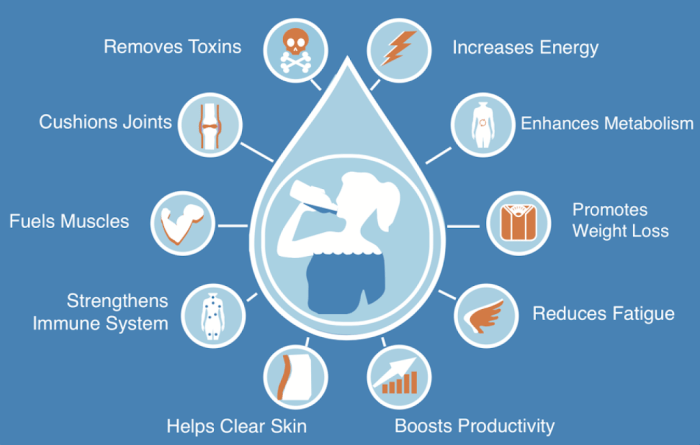
  • Hydration helps in regulating body temperature, aiding digestion, and transporting nutrients throughout the body.
  • It also helps in flushing out toxins and waste products, keeping the body functioning optimally.
  • Dehydration can lead to fatigue, headaches, muscle cramps, and overall decreased performance.
  • On the other hand, staying hydrated can improve energy levels, cognitive function, and overall mood.
  • Proper hydration is key to maintaining good health and preventing various health issues.

Strategies for Incorporating Proper Hydration into Daily Routines

  • Carry a reusable water bottle with you throughout the day to remind yourself to drink water regularly.
  • Set reminders on your phone or computer to take water breaks at regular intervals.
  • Incorporate hydrating foods such as fruits and vegetables into your meals and snacks.
  • Drink a glass of water before and after every meal to ensure adequate hydration.
  • Avoid excessive consumption of caffeinated or sugary beverages, as they can dehydrate the body.
  • Listen to your body’s signals and drink water whenever you feel thirsty.

Medical Innovations for Hydration Monitoring

In today’s world, there are numerous innovative technologies available for monitoring hydration levels. These devices provide individuals with the ability to track their hydration status in real-time, allowing for better management of their overall health and well-being.

Hydration Tracking Wearables

One of the most popular innovations in hydration monitoring is the development of hydration tracking wearables. These devices, worn on the wrist or as a patch on the skin, use sensors to measure hydration levels through sweat analysis. By continuously monitoring sweat composition, these wearables can provide insights into hydration status and electrolyte balance.

Smart Water Bottles

Smart water bottles are another technological advancement that can help individuals stay hydrated throughout the day. These bottles are equipped with sensors that track water intake and remind users to drink water at regular intervals. Some smart water bottles even sync with smartphone apps to provide personalized hydration goals based on individual needs.

Urine Color Charts

While not as high-tech as wearables or smart bottles, urine color charts remain a simple yet effective tool for monitoring hydration levels. By comparing the color of urine to a standardized chart, individuals can assess their hydration status and make adjustments to their fluid intake accordingly.

Benefits of Hydration Monitoring Devices

The use of these innovative hydration monitoring devices offers numerous benefits for maintaining optimal hydration. By tracking hydration levels in real-time, individuals can prevent dehydration, improve physical performance, and enhance cognitive function. These devices also promote better awareness of personal hydration habits, leading to long-term health benefits and a reduced risk of dehydration-related complications.

Nutritional Supplements for Hydration

Nutritional supplements can play a crucial role in maintaining hydration levels in the body, especially during intense physical activity or in hot weather conditions. These supplements can help replenish electrolytes lost through sweating and support overall hydration balance.

Key Nutritional Supplements for Hydration

  • Electrolyte Supplements: Electrolytes such as sodium, potassium, magnesium, and calcium are essential for maintaining proper fluid balance in the body. Supplementing with electrolytes can help prevent dehydration and support muscle function during exercise.
  • Hydration Drinks: Specialized hydration drinks containing electrolytes and carbohydrates can be effective in replenishing fluids and nutrients lost during strenuous activities.
  • Coconut Water: Natural coconut water is rich in electrolytes and can be a refreshing and hydrating alternative to traditional sports drinks.

Effectiveness of Electrolyte Supplements for Hydration

Electrolyte supplements can help restore the balance of minerals in the body, regulate fluid levels, and support hydration during periods of increased fluid loss.

Recommendations for Incorporating Supplements into a Hydration Routine

  • Consult with a healthcare provider or nutritionist to determine the right type and amount of supplements based on individual needs and activity levels.
  • Integrate supplements into your pre-workout or post-workout routine to support hydration before and after physical activity.
  • Stay hydrated throughout the day by drinking water regularly and incorporating hydrating foods such as fruits and vegetables into your diet.

Hydration and Fitness Routine: Hydration And Its Importance For Maintaining Body Temperature

Maintaining proper hydration levels is crucial for optimizing your fitness routine and performance. Dehydration can lead to decreased exercise capacity, muscle cramps, and fatigue. Here, we will explore the relationship between hydration and exercise performance, along with guidelines for hydration before, during, and after workouts, and the impact of hydration on recovery and muscle function.

The Relationship Between Hydration and Exercise Performance

Proper hydration is essential for maintaining optimal physical performance during exercise. Dehydration can lead to a decrease in blood volume, which in turn impairs the body’s ability to regulate temperature and deliver nutrients to muscles efficiently. This can result in decreased endurance, strength, and overall performance.

Guidelines for Hydrating Before, During, and After Workouts

– Before Exercise: Drink about 17-20 ounces of water 2-3 hours before your workout.
– During Exercise: Consume 7-10 ounces of water every 10-20 minutes during exercise. For intense workouts lasting longer than an hour, consider a sports drink containing electrolytes to replenish lost minerals.
– After Exercise: Rehydrate by drinking 8 ounces of water within 30 minutes of finishing your workout and continue to drink water throughout the day to replenish fluid lost during exercise.

Impact of Hydration on Recovery and Muscle Function

Proper hydration post-workout is essential for recovery and muscle function. Adequate hydration helps transport nutrients to muscles, remove waste products, and maintain muscle function. Dehydration can prolong recovery time, increase muscle soreness, and hinder muscle repair and growth.

Importance of Hydration in Health Screenings

Maintaining proper hydration levels is crucial when it comes to health screenings. Dehydration can significantly impact the results of various tests and assessments, potentially leading to inaccurate or misleading information.

Impact of Hydration Levels on Health Screenings

  • Dehydration can skew blood test results, affecting levels of important markers such as electrolytes, kidney function indicators, and liver enzymes.
  • Inadequate hydration may alter urine samples, making it harder to detect certain conditions like urinary tract infections or kidney issues.
  • Hydration status can influence imaging tests like MRIs or CT scans, affecting the clarity and accuracy of the images produced.

Hydration for Disease Prevention

Adequate hydration is crucial for disease prevention as it plays a significant role in maintaining overall health and well-being. When our bodies are properly hydrated, it can help prevent certain diseases and ailments, making hydration a key component of a healthy lifestyle.

Link between Hydration and Immune Function

Proper hydration is essential for maintaining a strong immune system. Dehydration can weaken the immune response, making the body more susceptible to infections and illnesses. By staying hydrated, we can support our immune function and better protect ourselves against various diseases.

Hydration’s Role in Disease Prevention Strategies

Hydration is often overlooked as a preventive measure for diseases, but it can have a significant impact on our overall health. Incorporating adequate fluid intake into our daily routine can help prevent conditions such as urinary tract infections, kidney stones, and even certain types of cancers. By staying hydrated, we can support our body’s natural defenses and reduce the risk of developing these diseases.

Hydration and Sleep Hygiene

Proper hydration plays a crucial role in maintaining a healthy sleep routine. Dehydration can disrupt sleep patterns and lead to various sleep disturbances, affecting overall sleep quality.

Relationship between Hydration and Quality of Sleep

Maintaining adequate hydration levels is essential for promoting quality sleep. Dehydration can cause discomfort, leading to frequent awakenings during the night and overall fragmented sleep. To ensure a good night’s rest, it is important to stay hydrated throughout the day.

How Hydration Levels Affect Sleep Patterns

Dehydration can impact the body’s ability to regulate its temperature, which is crucial for falling and staying asleep. When dehydrated, the body may struggle to cool down, leading to restlessness and difficulty in falling asleep. Proper hydration helps in maintaining the body’s temperature regulation, promoting a more restful sleep.

Tips for Maintaining Proper Hydration for Better Sleep Hygiene

  • Drink an adequate amount of water throughout the day, especially during the evening hours.
  • Avoid excessive consumption of caffeinated or alcoholic beverages, as they can dehydrate the body.
  • Include hydrating foods in your diet, such as fruits and vegetables with high water content.
  • Keep a water bottle by your bedside to stay hydrated during the night if needed.
  • Monitor your hydration levels and adjust your intake based on your activity levels and environment.

Hydration for Mental Clarity

Hydration and its importance for maintaining body temperature
Maintaining proper hydration is not only crucial for physical health but also plays a significant role in cognitive function and mental clarity. Dehydration can have a direct impact on brain function, affecting concentration, memory, and overall cognitive performance.

Effects of Dehydration on Cognitive Performance

Dehydration can lead to a decrease in brain volume, affecting neurotransmitter function and cognitive abilities. Studies have shown that even mild dehydration can impair cognitive performance, leading to difficulties in focus, decision-making, and problem-solving. It can also result in increased feelings of fatigue and mood changes, further impacting mental clarity.

  • Dehydration can cause a decrease in cognitive function, affecting memory and concentration.
  • Brain cells require adequate hydration to function optimally, and dehydration can hinder their performance.
  • Even slight dehydration levels can lead to decreased alertness and slower reaction times.

Strategies for Staying Hydrated to Support Mental Clarity

To maintain mental clarity and cognitive function, it is essential to stay properly hydrated throughout the day. Here are some strategies to ensure adequate hydration:

  1. Drink water regularly throughout the day, aiming for at least 8-10 glasses.
  2. Monitor your urine color – clear or light yellow urine indicates proper hydration.
  3. Incorporate hydrating foods with high water content, such as fruits and vegetables, into your diet.
  4. Avoid excessive intake of caffeine and alcohol, as they can contribute to dehydration.
  5. Carry a reusable water bottle with you to remind yourself to drink water consistently.

Expert Answers

How does hydration impact exercise performance?

Staying hydrated ensures optimal muscle function and prevents fatigue during workouts, ultimately enhancing exercise performance.

Can dehydration affect cognitive function?

Yes, dehydration can lead to reduced cognitive performance, affecting mental clarity and focus.

What role does hydration play in disease prevention?

Adequate hydration supports immune function, helping to prevent certain diseases and maintain overall health.
Disease prevention through stress management techniques: Maintaining Health

Disease prevention through stress management techniques

Stress Management

Stress management plays a critical role in disease prevention as chronic stress can weaken the immune system and make individuals more susceptible to various illnesses. By implementing effective stress management techniques, individuals can maintain overall health and reduce the risk of developing diseases.

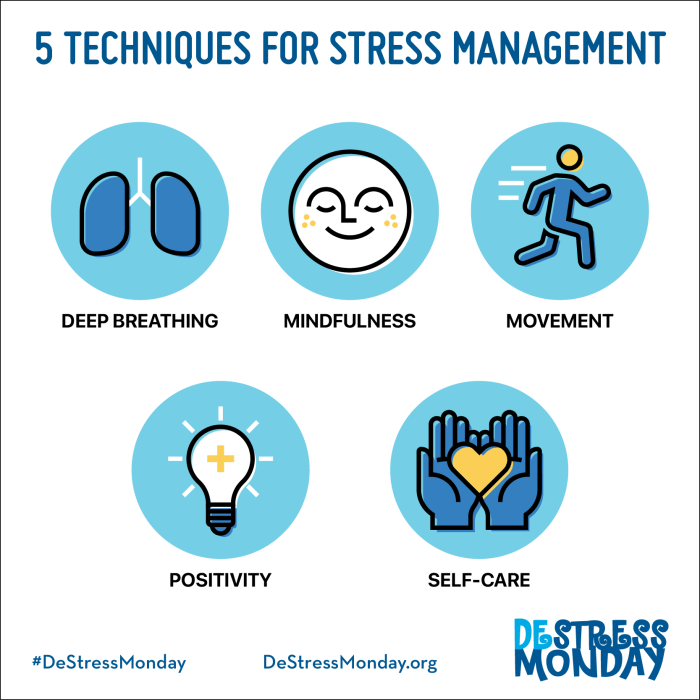
Effective Stress Management Techniques

  • Regular Exercise: Physical activity helps reduce stress hormones and increase endorphins, improving overall mood and reducing anxiety.
  • Healthy Diet: Consuming a balanced diet rich in fruits, vegetables, and whole grains can positively impact stress levels and overall well-being.
  • Relaxation Techniques: Practices such as meditation, deep breathing exercises, and yoga can help calm the mind and reduce stress levels.
  • Adequate Sleep: Prioritizing quality sleep is essential for managing stress and maintaining a healthy immune system.
  • Social Support: Seeking support from friends, family, or a therapist can provide emotional comfort and reduce feelings of stress and isolation.

Impact of Stress on the Immune System

Stress can significantly impact the immune system by triggering the release of stress hormones like cortisol, which can suppress immune function. Prolonged stress can lead to inflammation in the body, making individuals more susceptible to infections and chronic conditions. Therefore, managing stress effectively is crucial for maintaining a strong immune response and reducing the risk of disease.

Healthy Lifestyle: Disease Prevention Through Stress Management Techniques

Maintaining a healthy lifestyle is crucial in promoting disease prevention and overall well-being. By incorporating healthy habits into our daily routine, we can reduce the risk of various illnesses and improve our quality of life.

Connection Between Healthy Lifestyle and Stress Reduction

A healthy lifestyle plays a significant role in reducing stress levels. Engaging in regular physical activity, consuming a balanced diet, and prioritizing mental well-being are key factors that contribute to stress management. When our bodies are nourished, active, and well-rested, we are better equipped to cope with stressors effectively.

Role of Diet, Exercise, and Mental Well-being in Preventing Diseases

  • Diet: Consuming a diet rich in fruits, vegetables, whole grains, lean proteins, and healthy fats can help boost our immune system and reduce the risk of chronic diseases such as heart disease, diabetes, and certain cancers.
  • Exercise: Regular physical activity not only improves our physical health but also releases endorphins that act as natural stress relievers. Exercise can help lower blood pressure, improve cardiovascular health, and enhance overall well-being.
  • Mental Well-being: Prioritizing mental health through practices like mindfulness, meditation, and seeking support when needed can significantly reduce stress levels and improve overall mental well-being. It is essential to take care of our emotional health to prevent the onset of mental health disorders.

Medical Innovations

Disease prevention through stress management techniques
In today’s fast-paced world, where stress has become a common factor in people’s lives, medical innovations play a crucial role in helping individuals manage their stress levels and prevent stress-related diseases.

Advancements in technology have paved the way for the development of tools and devices that can monitor stress levels and provide valuable insights into how stress impacts overall health outcomes. From wearable fitness trackers to apps that track heart rate variability, individuals now have access to real-time data that can help them make informed decisions about their stress management strategies.

Medical innovations are shaping disease prevention strategies through stress management by providing personalized solutions based on individual stress profiles. By leveraging data-driven approaches, healthcare professionals can tailor interventions to address specific stress triggers and promote overall well-being.

Innovative Stress Monitoring Devices

  • Wearable fitness trackers equipped with stress monitoring capabilities
  • Mobile apps that track heart rate variability and provide stress management tips
  • Biofeedback devices that help individuals visualize and regulate their stress responses

Nutritional Supplements

Disease prevention through stress management techniques – When it comes to managing stress and preventing diseases, nutritional supplements play a crucial role in supporting overall health and well-being. These supplements can help reduce stress levels, boost immunity, and provide essential nutrients that may be lacking in our diets.

Impact of Nutritional Supplements

  • Nutritional supplements such as Vitamin B complex, Vitamin D, Magnesium, and Omega-3 fatty acids have been known to have a positive impact on reducing stress and anxiety levels.
  • Adaptogenic herbs like Ashwagandha, Rhodiola Rosea, and Ginseng are also popular choices for managing stress and promoting relaxation.
  • Probiotics are essential for gut health, which is closely linked to our immune system and overall well-being.

Consulting Healthcare Professionals, Disease prevention through stress management techniques

It is important to consult healthcare professionals before incorporating any nutritional supplements into your routine. They can provide guidance on the right dosage, potential interactions with medications, and ensure that the supplements are safe and suitable for your individual needs.

Fitness Routine

Engaging in a regular fitness routine is crucial for managing stress and preventing diseases. Physical activity has been shown to reduce stress levels, improve mood, boost energy, and enhance overall health.

Benefits of Physical Activity

  • Regular exercise helps release endorphins, which are natural mood lifters and stress relievers.
  • Physical activity promotes better sleep quality, which is essential for reducing stress and supporting overall health.
  • Exercise strengthens the immune system, making the body more resilient to diseases.

Creating a Personalized Fitness Plan

When developing a fitness plan to support disease prevention, consider the following tips:

  1. Set realistic goals based on your current fitness level and health status.
  2. Choose activities that you enjoy to increase adherence to your fitness routine.
  3. Include a mix of cardiovascular exercises, strength training, and flexibility exercises for overall fitness.
  4. Gradually increase the intensity and duration of your workouts to avoid burnout and injuries.
  5. Listen to your body and adjust your routine as needed to prevent overtraining and promote recovery.

Health Screenings

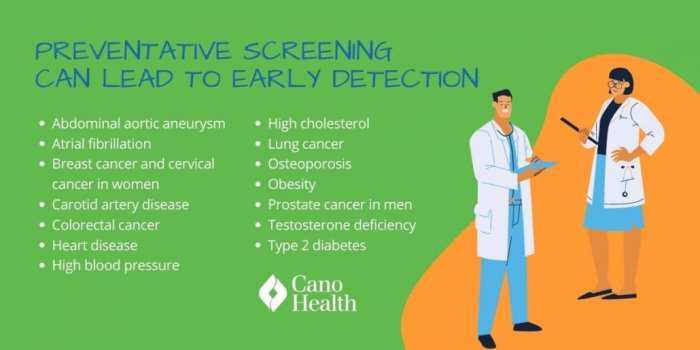
Regular health screenings play a crucial role in disease prevention by detecting potential health issues early on. These screenings help individuals stay proactive in managing their health and can lead to early intervention and treatment when necessary.

Significance of Health Screenings

  • Health screenings can help identify risk factors for various diseases, including stress-related illnesses such as hypertension and heart disease.
  • Early detection through screenings allows for timely medical intervention, reducing the risk of complications and improving health outcomes.
  • Screenings provide an opportunity for healthcare professionals to educate individuals on lifestyle modifications and preventive measures based on their results.

Scheduling and Attending Screenings

  • Consult with your healthcare provider to determine which screenings are recommended based on your age, gender, family history, and overall health status.
  • Follow the recommended screening schedule provided by your healthcare provider to ensure timely detection of any potential health issues.
  • Make sure to attend all scheduled screenings and follow-up appointments as advised by your healthcare team for comprehensive disease prevention.

Sleep Hygiene

Sleep hygiene plays a crucial role in stress management and disease prevention. Getting quality sleep is essential for overall well-being, as it directly impacts our mental and physical health. Poor sleep habits can lead to increased stress levels and weaken the immune system, making us more susceptible to various diseases.

Importance of Good Sleep Hygiene

Good sleep hygiene involves creating a conducive environment and following healthy practices to improve the quality of your sleep. By prioritizing good sleep habits, you can reduce stress, boost immunity, and lower the risk of developing chronic conditions.

Tips for Improving Sleep Quality

  • Avoid caffeine, nicotine, and heavy meals close to bedtime.
  • Establish a consistent sleep schedule by going to bed and waking up at the same time every day.
  • Create a relaxing bedtime routine to signal your body that it’s time to wind down.
  • Keep your bedroom dark, quiet, and at a comfortable temperature to promote better sleep.
  • Avoid screens and electronic devices before bedtime, as the blue light can disrupt your sleep cycle.

Link Between Inadequate Sleep, Stress, and Disease Risk

Inadequate sleep has been linked to increased stress levels, as it impairs cognitive function and emotional regulation. Chronic sleep deprivation can also weaken the immune system, leading to a higher susceptibility to infections and diseases such as heart disease, diabetes, and obesity. Prioritizing good sleep hygiene is essential for managing stress and reducing the risk of various health issues.

Mental Clarity

Connection between Mental Clarity and Stress Management

Effective stress management is closely linked to mental clarity. When our minds are clear and focused, we are better equipped to handle stressors and challenges that come our way. By enhancing mental clarity, we can improve our overall well-being and reduce the negative impact of stress on our health.

Techniques for Enhancing Mental Clarity

  • Practice mindfulness: Engaging in mindfulness exercises such as meditation, deep breathing, and yoga can help clear the mind and improve focus.
  • Stay organized: Keeping a tidy workspace and creating to-do lists can reduce mental clutter and enhance mental clarity.
  • Get regular exercise: Physical activity has been shown to boost cognitive function, leading to better mental clarity.
  • Adequate sleep: Prioritize quality sleep to allow your brain to rest and recharge, ultimately supporting mental clarity.

Mindfulness Practices for Mental Well-being

  • Body scan meditation: Focus on each part of your body, releasing tension and promoting relaxation.
  • Deep breathing exercises: Inhale deeply through your nose and exhale slowly through your mouth to calm the mind and body.
  • Journaling: Write down your thoughts and feelings to gain clarity and perspective on your emotions.

Hydration Importance

Proper hydration plays a crucial role in managing stress levels and preventing diseases. Dehydration can have a significant impact on stress, cognitive function, and overall health.

Impact of Dehydration

  • Dehydration can lead to increased stress levels as the body struggles to function properly without adequate fluids.
  • Low hydration levels can impair cognitive function, affecting memory, focus, and decision-making abilities.
  • Overall health can be compromised by dehydration, leading to issues such as headaches, fatigue, and decreased immune function.

Maintaining Proper Hydration

  • Drink plenty of water throughout the day, aiming for at least 8-10 glasses to stay hydrated.
  • Avoid excessive consumption of caffeinated or sugary beverages, as they can contribute to dehydration.
  • Include hydrating foods in your diet, such as fruits and vegetables with high water content.
  • Pay attention to signs of dehydration, such as dark urine or feelings of thirst, and take action to rehydrate promptly.

FAQ Insights

How does stress management contribute to disease prevention?

Effective stress management techniques can help lower cortisol levels, boost immunity, and reduce inflammation, all of which play a crucial role in preventing various diseases.

What are some innovative medical approaches for stress-related disease prevention?

Some innovative approaches include biofeedback therapy, virtual reality relaxation programs, and wearable devices that monitor stress levels and provide real-time feedback to users.

Can nutritional supplements really help in managing stress?

While some supplements like magnesium, vitamin B complex, and adaptogens can aid in stress management, it’s essential to consult healthcare professionals before incorporating them into your routine.

How does sleep hygiene impact stress management and disease prevention?

Good sleep hygiene practices, such as creating a relaxing bedtime routine and maintaining a consistent sleep schedule, can improve sleep quality, reduce stress levels, and enhance overall immunity.

Why is mental clarity important for effective stress management?

Mental clarity allows individuals to better cope with stress, make informed decisions, and maintain a positive outlook, all of which are essential for managing stress effectively and preventing diseases.

Health screenings for workplace wellness programs: Ensuring Employee Health and Well-being

Health screenings for workplace wellness programs

Health Screenings for Workplace Wellness Programs

Regular health screenings play a crucial role in workplace wellness programs by promoting early detection and prevention of diseases among employees. These screenings help identify potential health risks and allow for timely intervention, ultimately leading to improved overall health and well-being in the workplace.

Types of Health Screenings

  • Biometric Screenings: Measure vital signs like blood pressure, cholesterol levels, and body mass index.
  • Blood Tests: Assess glucose levels, lipid profiles, and other key indicators of health.
  • Cancer Screenings: Include tests for breast, cervical, colorectal, and prostate cancers based on individual risk factors.

Contribution to Disease Prevention

Health screenings contribute significantly to disease prevention by enabling early detection of conditions such as diabetes, hypertension, and certain cancers. With timely identification, employees can access necessary treatment and lifestyle modifications to mitigate risks and prevent the progression of diseases.

Successful Workplace Wellness Programs

  • Company X: Implemented an annual health fair with on-site screenings, leading to improved employee engagement and reduced healthcare costs.
  • Organization Y: Offered incentives for employees who completed biometric screenings, resulting in increased participation and positive health outcomes.

Stress Management in the Workplace

Stress in the workplace can have a significant impact on employee health and productivity. It is essential for organizations to implement effective strategies to help employees manage stress and create a work environment that promotes well-being.

  • Provide resources for stress management: Employers can offer resources such as workshops, counseling services, and stress management apps to help employees cope with stress effectively.
  • Promote work-life balance: Encouraging employees to maintain a healthy balance between work and personal life can help reduce stress levels and improve overall well-being.
  • Encourage physical activity: Regular exercise can help reduce stress and improve mental health. Employers can promote physical activity by offering gym memberships or organizing group fitness activities.

Impact of Stress on Employee Health and Productivity

Stress can lead to physical and mental health problems, including high blood pressure, anxiety, and depression. It can also impact employee productivity, leading to decreased motivation, absenteeism, and poor job performance.

Stress Management Initiatives in Workplace Wellness Programs

  • On-site meditation and relaxation sessions
  • Flexible work schedules to accommodate personal needs
  • Employee assistance programs for counseling and support

Creating a Stress-Free Work Environment

  • Encourage open communication and feedback
  • Promote a culture of appreciation and recognition
  • Provide opportunities for professional development and growth

Healthy Lifestyle Promotion

Health screenings for workplace wellness programs
Promoting a healthy lifestyle among employees is crucial for their overall well-being and productivity. Workplace wellness programs play a significant role in encouraging healthy habits by providing resources, support, and incentives for employees to make positive changes in their daily routines.

Benefits of Healthy Lifestyle Promotion

  • Improved physical health and fitness levels
  • Reduced risk of chronic diseases such as heart disease, diabetes, and obesity
  • Enhanced mental well-being and reduced stress levels
  • Increased energy and productivity at work

Success Stories

One employee, Sarah, started incorporating daily walks during her lunch break and saw a significant improvement in her energy levels and mood. Another employee, John, joined a workplace fitness challenge and lost weight while gaining muscle strength.

Tips for Integration

  1. Encourage healthy eating options in the workplace cafeteria or vending machines.
  2. Organize fitness challenges or group exercise classes during lunch breaks or after work hours.
  3. Provide educational resources on nutrition, stress management, and physical activity.
  4. Incorporate standing desks or walking meetings to promote movement throughout the workday.

Medical Innovations for Employee Health: Health Screenings For Workplace Wellness Programs

Health screenings for workplace wellness programs – Medical innovations play a crucial role in enhancing employee health and well-being in the workplace. These advancements are transforming the way healthcare is delivered and monitored, leading to more proactive and personalized approaches to employee wellness.

Artificial Intelligence in Healthcare

Artificial intelligence (AI) is revolutionizing employee health monitoring by analyzing vast amounts of data to identify health trends and risks. AI-powered tools can provide real-time insights and personalized recommendations to employees, helping them make informed decisions about their health.

Telemedicine Services

Telemedicine services have become increasingly popular in corporate settings, allowing employees to consult with healthcare providers remotely. This innovative approach to healthcare delivery improves access to medical care, reduces absenteeism, and enhances overall employee health.

Wearable Health Technology, Health screenings for workplace wellness programs

Wearable devices, such as fitness trackers and smartwatches, enable employees to track their health metrics in real-time. These devices can monitor heart rate, sleep patterns, and physical activity, empowering employees to take control of their health and well-being.

Virtual Reality Therapy

Virtual reality therapy is being used to reduce workplace stress and promote mental well-being among employees. By immersing individuals in relaxing virtual environments, this innovative approach can help alleviate stress, anxiety, and improve overall mental health.

Nutritional Supplements for Employee Wellness

Nutritional supplements play a vital role in supporting the overall health and well-being of employees in the workplace. These supplements can help fill nutrient gaps, boost energy levels, improve immune function, and enhance productivity.

Common Supplements Recommended for Workplace Wellness Programs

  • 1. Multivitamins: These supplements provide a comprehensive blend of essential vitamins and minerals to support overall health.
  • 2. Omega-3 fatty acids: Known for their anti-inflammatory properties, omega-3 supplements can help improve heart health and brain function.
  • 3. Vitamin D: Especially important for those who spend most of their time indoors, vitamin D supplements can help maintain strong bones and support immunity.

Guidelines for Safely Integrating Nutritional Supplements

  • 1. Consult with a healthcare professional before starting any new supplement regimen to ensure compatibility with existing medications or health conditions.
  • 2. Follow recommended dosage instructions to avoid potential side effects or interactions with other supplements.
  • 3. Choose reputable brands that undergo third-party testing for quality and purity.

Impact of Nutritional Supplements on Overall Well-Being and Productivity

Nutritional supplements, when integrated safely and effectively into an employee’s diet, can have a positive impact on overall well-being and productivity. By addressing nutrient deficiencies and supporting key bodily functions, supplements can help employees feel their best and perform optimally in the workplace.

Fitness Routine Integration in Workplace Wellness

Integrating fitness routines into workplace wellness programs can bring numerous benefits to both employees and employers. By promoting physical activity and exercise, companies can improve employee health, boost morale, increase productivity, and reduce healthcare costs.

Benefits of Incorporating Fitness Routines

  • Enhanced physical health and fitness levels among employees
  • Reduced stress and improved mental well-being
  • Increased energy levels and overall productivity
  • Building a sense of community and teamwork
  • Decreased absenteeism and healthcare expenses

Examples of Effective Fitness Initiatives

Some companies have successfully implemented fitness challenges, on-site workout classes, standing desks, walking meetings, and fitness reimbursement programs to encourage employees to stay active throughout the workday.

Strategies for Promoting Physical Activity

  • Organize group exercise classes during lunch breaks or after work hours
  • Create walking or running clubs for employees to participate in together
  • Offer incentives or rewards for reaching fitness goals
  • Provide access to on-site fitness facilities or gym memberships

Tips for Designing a Fitness Routine

  • Consider offering a variety of activities to cater to different fitness levels and preferences
  • Encourage employees to set achievable and realistic fitness goals
  • Provide proper guidance and resources for safe and effective workouts
  • Promote a culture of regular physical activity and make it a priority in the workplace

Disease Prevention through Workplace Health Programs

Workplace health programs play a crucial role in disease prevention by promoting a healthy environment and providing employees with the tools and resources they need to stay well.

Importance of Vaccinations and Screenings

Vaccinations and screenings are essential components of disease prevention in the workplace. By ensuring that employees are up to date on vaccinations and regular screenings, companies can prevent the spread of communicable diseases and detect potential health issues early on.

Success Stories of Disease Prevention Initiatives

  • Company X implemented a comprehensive vaccination program for all employees, resulting in a significant decrease in absenteeism due to preventable illnesses.
  • Company Y conducted regular health screenings and identified early signs of chronic conditions in several employees, leading to timely interventions and improved health outcomes.

Creating a Comprehensive Disease Prevention Strategy

When designing a disease prevention strategy within workplace wellness programs, it is essential to focus on education, access to preventive care, and fostering a culture of health and well-being. By offering resources such as on-site clinics, health education workshops, and incentives for healthy behaviors, companies can effectively reduce the risk of disease among employees.

Importance of Sleep Hygiene for Employee Well-being

Maintaining good sleep hygiene is crucial for the overall health and well-being of employees. Adequate and quality sleep plays a vital role in enhancing cognitive function, mood regulation, immune system support, and overall productivity in the workplace.

Common Sleep Disorders Impacting Workplace Performance

Poor sleep hygiene can lead to various sleep disorders that significantly impact workplace performance. Some common sleep disorders include insomnia, sleep apnea, restless leg syndrome, and narcolepsy. These conditions can result in daytime fatigue, lack of focus, irritability, and decreased productivity at work.

Tips for Promoting Better Sleep Habits Among Employees

  • Encourage employees to establish a consistent sleep schedule by going to bed and waking up at the same time every day.
  • Advise employees to create a relaxing bedtime routine to signal the body that it is time to sleep, such as reading a book or taking a warm bath.
  • Recommend creating a comfortable sleep environment by keeping the bedroom dark, quiet, and cool.
  • Suggest limiting screen time before bed and avoiding stimulants like caffeine close to bedtime.
  • Provide resources for stress management techniques to help employees unwind and relax before sleep.

Relationship Between Sleep Hygiene, Productivity, and Overall Well-being

Maintaining good sleep hygiene not only improves productivity in the workplace but also enhances overall well-being. Quality sleep allows employees to be more alert, focused, and efficient during working hours. It also plays a crucial role in supporting mental health, reducing stress levels, and promoting a healthy work-life balance.

Mental Clarity Enhancement in the Workplace

Mental clarity is crucial for employees to make informed decisions and maintain high levels of productivity in the workplace. It allows individuals to focus, think clearly, and problem-solve effectively. Implementing strategies to enhance mental clarity among employees is essential for the overall success of a company’s wellness program.

Strategies for Enhancing Mental Clarity and Focus

  • Encourage regular breaks throughout the workday to prevent mental fatigue and promote focus.
  • Introduce mindfulness and meditation sessions to help employees relax and clear their minds.
  • Promote a healthy work-life balance to reduce stress and improve mental clarity.
  • Provide training on stress management techniques to help employees cope with pressure and maintain focus.

Impact of Mental Clarity on Decision-Making and Productivity

  • Mental clarity enhances decision-making by allowing individuals to weigh options objectively and consider long-term consequences.
  • Employees with improved mental clarity are more efficient and productive, leading to better overall performance in the workplace.
  • Clear thinking helps employees prioritize tasks effectively and stay organized, resulting in increased productivity levels.

Examples of Mental Clarity Programs in Workplace Wellness Initiatives

  • Offering workshops on cognitive-behavioral techniques to enhance mental clarity and focus.
  • Implementing quiet zones in the workplace to provide employees with a peaceful environment for concentration.
  • Introducing brain-training exercises and puzzles to sharpen cognitive skills and improve mental clarity.

Tips for Fostering a Mentally Clear and Focused Work Environment

  • Promote open communication and encourage employees to voice concerns or challenges affecting their mental clarity.
  • Create a supportive and inclusive work culture that values work-life balance and prioritizes employee well-being.
  • Provide resources for employees to seek help or guidance on improving mental clarity, such as counseling services or mental health workshops.

Hydration Importance in Employee Wellness

Proper hydration plays a crucial role in maintaining employee health and well-being. Water is essential for various bodily functions, including regulating body temperature, aiding digestion, and transporting nutrients throughout the body.

Effects of Dehydration on Workplace Performance

Dehydration can negatively impact workplace performance and productivity. When employees are dehydrated, they may experience fatigue, decreased concentration, and reduced cognitive function. This can lead to errors, accidents, and overall decreased efficiency in the workplace.

Hydration Guidelines for Employees

It is recommended that employees drink at least 8-10 cups of water per day to stay properly hydrated. Additionally, individuals should increase their water intake if they engage in physical activity or work in hot environments. Encouraging employees to keep a water bottle at their desk and take regular water breaks can help them meet their daily hydration needs.

Tips for Promoting Hydration in the Workplace

– Provide easy access to clean drinking water throughout the workplace.
– Encourage employees to track their water intake using apps or journals.
– Offer water-based beverages during meetings and events instead of sugary drinks.
– Educate employees on the importance of hydration for their overall health and well-being.

Commonly Asked Questions

How often should employees undergo health screenings?

It is recommended for employees to undergo health screenings annually or biennially, depending on their age, health history, and risk factors.

Are health screenings mandatory in workplace wellness programs?

While they are not always mandatory, health screenings are highly encouraged as they play a vital role in promoting employee health and detecting potential issues early.

Can employees opt-out of health screenings?

Employees may have the option to opt-out of health screenings in some cases, but it is advisable to participate for their own health benefits and the well-being of the workplace.

Importance of regular health screenings for adults: Ensuring a Healthy Future

Importance of regular health screenings for adults

Stress Management

Stress management is crucial for maintaining overall health as prolonged stress can have negative effects on both mental and physical well-being. It is essential for adults to learn effective techniques to manage stress in order to lead a healthy and balanced life.

Effective Stress Management Techniques

  • Practice mindfulness and meditation to help calm the mind and reduce stress levels.
  • Engage in regular physical exercise to release endorphins and improve mood.
  • Establish a healthy work-life balance to prevent burnout and reduce stress from work-related pressures.
  • Connect with friends and family for emotional support and a sense of community.
  • Get an adequate amount of sleep each night to allow the body to rest and recover from daily stressors.

Impact of Stress on Physical Health and Benefits of Stress Reduction

Stress can manifest in physical symptoms such as headaches, muscle tension, and digestive issues. Chronic stress has been linked to an increased risk of heart disease, obesity, and other serious health conditions. By reducing stress through effective management techniques, individuals can lower their risk of developing these health issues and improve their overall well-being.

Healthy Lifestyle

Maintaining a healthy lifestyle is crucial for adults to enhance overall well-being and reduce the risk of chronic diseases. A combination of healthy habits can lead to improved physical and mental health, increased energy levels, and a better quality of life.

Components of a Healthy Lifestyle

  • Eating a balanced diet rich in fruits, vegetables, whole grains, and lean proteins.
  • Engaging in regular physical activity to strengthen the body and improve cardiovascular health.
  • Getting an adequate amount of quality sleep to support proper brain function and overall health.
  • Managing stress through relaxation techniques, mindfulness practices, or hobbies.
  • Avoiding harmful substances such as tobacco, excessive alcohol, and illicit drugs.
  • Regular health screenings and check-ups to detect any potential issues early on.

Healthy Habits for Overall Well-being

  • Drinking plenty of water throughout the day to stay hydrated and aid in bodily functions.
  • Incorporating regular exercise into daily routines, such as walking, yoga, or strength training.
  • Practicing portion control and mindful eating to maintain a healthy weight and support digestion.
  • Cultivating social connections and nurturing relationships with friends and family for emotional support.
  • Taking time for self-care activities like meditation, journaling, or hobbies to reduce stress and promote relaxation.

Benefits of a Healthy Lifestyle vs. Risks of an Unhealthy One

A healthy lifestyle can lead to increased longevity, reduced risk of chronic diseases like heart disease and diabetes, improved mental health, and higher energy levels. On the other hand, an unhealthy lifestyle characterized by poor diet, lack of exercise, smoking, excessive alcohol consumption, and stress can increase the risk of developing various health issues, including obesity, hypertension, and mental health disorders.

Medical Innovations

In recent years, medical innovations have significantly revolutionized health screenings for adults, enhancing accuracy, accessibility, and disease prevention through early detection.

Advancements in Imaging Technology

  • One of the key innovations in health screenings is the advancement in imaging technology, such as MRI, CT scans, and PET scans. These technologies provide detailed images of the body, allowing for early detection of various conditions like cancer, heart disease, and neurological disorders.
  • Imaging technology has improved the accuracy of health screenings by enabling healthcare professionals to visualize internal structures and identify abnormalities at an early stage.
  • For example, 3D mammography has proven to be more effective in detecting breast cancer compared to traditional mammograms, leading to earlier diagnosis and improved outcomes for patients.

Genetic Testing and Personalized Medicine

  • Another significant advancement is genetic testing, which allows for the identification of genetic markers associated with certain diseases. This information enables personalized medicine approaches tailored to an individual’s genetic makeup.
  • Genetic testing has played a crucial role in disease prevention by identifying individuals at a higher risk for conditions like hereditary cancers, allowing for proactive measures to be taken to reduce the likelihood of developing these diseases.
  • Through genetic testing, healthcare providers can offer personalized screening programs and interventions, leading to more effective disease prevention strategies.

Nutritional Supplements

Importance of regular health screenings for adults – Nutritional supplements play a crucial role in supporting adult health by providing essential vitamins, minerals, and other nutrients that may be lacking in a person’s diet.

Importance of Consulting Healthcare Professionals

Before taking any nutritional supplements, it is important to consult healthcare professionals such as doctors or dietitians. They can provide personalized recommendations based on individual health needs and potential interactions with medications.

Common Nutritional Supplements and Health Benefits

  • Vitamin D: Known as the “sunshine vitamin,” vitamin D helps with calcium absorption, bone health, and immune function.
  • Omega-3 Fatty Acids: These essential fatty acids support heart health, brain function, and reduce inflammation in the body.
  • Probiotics: Beneficial bacteria that support gut health, digestion, and immune function.
  • Calcium: Important for bone strength, muscle function, and nerve transmission.
  • Magnesium: Essential for energy production, muscle function, and nerve health.

Fitness Routine

Regular exercise is a crucial component of maintaining overall health and well-being for adults. Incorporating a fitness routine into your daily lifestyle can have a significant impact on your physical and mental health. Not only does it help in preventing various diseases, but it also boosts your mood, energy levels, and quality of life.

Tips for Designing an Effective Fitness Regimen

  • Set realistic goals: Define what you want to achieve with your fitness routine, whether it’s weight loss, muscle gain, or improved endurance.
  • Choose activities you enjoy: Find exercises that you look forward to doing to make your fitness routine sustainable in the long run.
  • Vary your workouts: Include a mix of cardio, strength training, and flexibility exercises to target different muscle groups and prevent boredom.
  • Stay consistent: Make exercise a habit by scheduling it into your daily routine and sticking to it, even on busy days.
  • Listen to your body: Pay attention to how your body responds to exercise and adjust your routine accordingly to prevent injury.

Impact of Regular Exercise on Overall Health

Regular physical activity has numerous benefits for adults, including:

  • Improved cardiovascular health: Exercise helps strengthen the heart and reduce the risk of heart disease and stroke.
  • Weight management: Regular workouts can help you maintain a healthy weight or lose excess body fat.
  • Mental well-being: Physical activity releases endorphins, which can improve your mood and reduce feelings of anxiety and depression.
  • Increased energy levels: Regular exercise can boost your energy levels and improve your overall productivity throughout the day.
  • Enhanced quality of sleep: Engaging in physical activity can help you fall asleep faster and enjoy a more restful night’s sleep.

Health Screenings

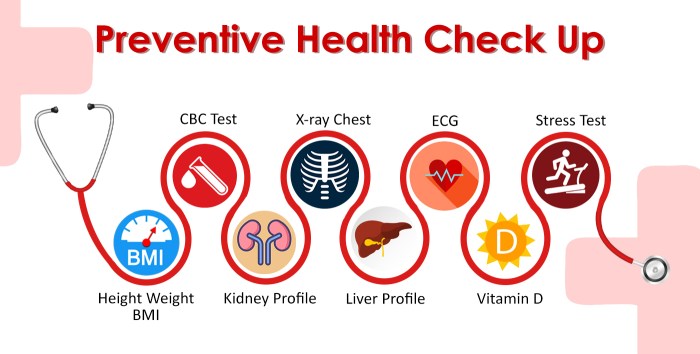
Regular health screenings are essential for adults to detect potential health issues early on, allowing for timely intervention and treatment. These screenings help in maintaining overall health and well-being by identifying risk factors and enabling preventive measures.

Recommended Health Screenings

  • Blood pressure measurement: Recommended annually for adults of all ages to monitor cardiovascular health.
  • Cholesterol screening: Starting at age 20 for men and women, repeated every 4-6 years.
  • Blood glucose testing: Recommended for adults over 45, or earlier for those with risk factors for diabetes.
  • Colon cancer screening: Starting at age 50, earlier for individuals with a family history of the disease.
  • Mammograms: Recommended for women starting at age 40 to detect breast cancer early.
  • Prostate cancer screening: Men should discuss with their healthcare provider the need for screening starting at age 50.

Role of Screenings in Early Detection, Importance of regular health screenings for adults

Regular health screenings play a crucial role in early detection and prevention of various diseases. By detecting conditions such as high blood pressure, diabetes, or cancer in their early stages, individuals have a better chance of successful treatment and improved outcomes. Screenings also help in identifying risk factors that can be managed through lifestyle changes, ultimately reducing the burden of chronic diseases on individuals and healthcare systems.

Disease Prevention

Regular health screenings play a crucial role in disease prevention for adults. By detecting potential health issues early, individuals can take proactive measures to manage or treat conditions before they progress to more serious stages. This not only helps in preventing the onset of diseases but also reduces the overall healthcare burden and improves the quality of life for individuals.

Early Detection of Diseases

Regular health screenings can help detect a variety of diseases early on, including but not limited to:

  • High blood pressure: Screening can identify individuals at risk for heart disease and stroke.
  • Diabetes: Early detection can lead to better management and prevention of complications.
  • Cancer: Screenings like mammograms, colonoscopies, and pap smears can detect cancer in its early stages when treatment is most effective.
  • Osteoporosis: Bone density screenings can help in the prevention of fractures and bone loss.

Impact on Healthcare Costs and Quality of Life

Regular health screenings and preventive measures have a significant impact on reducing healthcare costs and improving the quality of life. By addressing health issues early through screenings, individuals can avoid costly treatments and hospitalizations that may arise from advanced disease stages. Preventive measures such as lifestyle modifications, medication adherence, and early interventions can lead to better health outcomes, lower healthcare expenses, and an overall improved quality of life for individuals.

Sleep Hygiene: Importance Of Regular Health Screenings For Adults

Sleep hygiene refers to a set of practices and habits that are necessary for a good night’s sleep. It plays a vital role in maintaining overall health and well-being for adults.

Significance of Good Sleep Hygiene

Good sleep hygiene is essential for adults as it helps in improving concentration, productivity, mood, and overall quality of life. It also supports the immune system, reduces the risk of chronic diseases, and promotes mental health.

  • Avoid stimulants like caffeine and nicotine close to bedtime.
  • Create a bedtime routine to signal your body that it’s time to wind down.
  • Keep your bedroom dark, quiet, and cool to promote better sleep.
  • Avoid electronic devices before bedtime as the blue light can disrupt sleep.

Connection Between Sleep Deprivation and Health Issues

Chronic sleep deprivation can lead to various health issues such as obesity, heart disease, diabetes, and mental health disorders. It impairs cognitive function, memory, and decision-making abilities, affecting overall performance and well-being.

Getting 7-9 hours of quality sleep each night is crucial for optimal health and functioning.

Mental Clarity

Regular health screenings play a crucial role in maintaining mental clarity as they help in early detection and management of conditions that can impact cognitive function. By prioritizing physical health, adults can improve their overall mental well-being and cognitive abilities.

Relationship between Physical Health and Cognitive Function

Regular health screenings can help identify risk factors such as high blood pressure, cholesterol levels, and blood sugar levels, which are linked to cognitive decline and conditions like dementia. By managing these risk factors through lifestyle changes and medical interventions, adults can protect their brain health and enhance mental clarity.

  • Engaging in regular exercise has been shown to improve cognitive function by promoting blood flow to the brain and reducing inflammation.
  • A balanced diet rich in fruits, vegetables, whole grains, and healthy fats can provide essential nutrients that support brain health and cognitive function.
  • Maintaining a healthy weight and managing chronic conditions like diabetes and hypertension can lower the risk of cognitive impairment.

Strategies for Enhancing Mental Clarity

In addition to regular health screenings, there are various lifestyle choices that adults can make to enhance mental clarity and cognitive function.

  1. Practicing stress management techniques such as mindfulness meditation, deep breathing exercises, and yoga can help reduce cognitive fatigue and improve focus.
  2. Prioritizing quality sleep by maintaining a consistent sleep schedule, creating a relaxing bedtime routine, and ensuring a comfortable sleep environment can support cognitive function and mental clarity.
  3. Engaging in activities that stimulate the brain, such as puzzles, reading, learning a new skill, or socializing with others, can help maintain cognitive abilities and prevent cognitive decline.

Hydration Importance

Importance of regular health screenings for adults
Staying hydrated is crucial for maintaining optimal health for adults. Water plays a vital role in various bodily functions and helps in regulating body temperature, aiding digestion, and transporting nutrients.

Daily Water Intake Guidelines

  • Men should aim to drink about 3.7 liters (15.5 cups) of water per day, while women should aim for about 2.7 liters (11.5 cups) of water.
  • Factors such as age, weight, physical activity level, and climate can affect individual water needs.
  • It’s important to listen to your body’s thirst cues and drink water throughout the day to stay properly hydrated.

Effects of Dehydration and Benefits of Proper Hydration

  • Dehydration can lead to symptoms like dizziness, fatigue, headaches, and dry skin. Severe dehydration can even be life-threatening.
  • Proper hydration helps in improving energy levels, maintaining healthy skin, supporting kidney function, and enhancing cognitive performance.
  • Drinking an adequate amount of water can also aid in weight management and digestion.

FAQ Overview

How often should adults undergo health screenings?

It is recommended for adults to undergo regular health screenings annually or as advised by their healthcare provider based on individual risk factors.

Are health screenings only necessary for older adults?

No, health screenings are essential for adults of all ages to detect potential health issues early and promote overall well-being.

What are some common health screenings recommended for adults?

Common health screenings include blood pressure checks, cholesterol tests, diabetes screenings, and cancer screenings based on age and gender.

Can health screenings detect all diseases?

While health screenings are vital for early detection, they may not detect all diseases. However, they significantly increase the chances of identifying health issues at an early stage.

How can individuals prepare for health screenings?

Preparing for health screenings involves following any fasting instructions, bringing relevant medical history information, and discussing any concerns with the healthcare provider.