How to Choose the Right Calcium Supplements
Choosing the right calcium supplement can be crucial for maintaining bone health and overall well-being. With various options available in the market, it’s essential to consider several factors before making a decision.
Types of Calcium Supplements
When it comes to calcium supplements, there are different types to choose from, including calcium carbonate, calcium citrate, calcium phosphate, and more. Each type has its own set of benefits and absorption rates, so it’s important to select one that suits your needs best.
Factors to Consider
- Calcium Content: Check the labels to ensure the supplement contains an adequate amount of calcium per serving.
- Absorption Rate: Consider the bioavailability of the calcium supplement to ensure optimal absorption in the body.
- Additives: Look out for other ingredients in the supplement, such as vitamin D or magnesium, which can enhance calcium absorption.
- Form: Decide whether you prefer tablets, capsules, or chewable forms based on your convenience and preference.
Importance of Checking Labels
Before purchasing a calcium supplement, always read the labels carefully. Pay attention to the calcium content per serving, recommended dosage, and any additional ingredients that may affect absorption. This information can help you make an informed decision and choose the right supplement for your needs.
Consulting with a Healthcare Provider
It’s advisable to consult with a healthcare provider before starting any new supplement regimen, including calcium. They can provide personalized recommendations based on your health status, dietary habits, and potential interactions with other medications.
Stress Management
Stress can have a significant impact on calcium absorption in the body. When the body is under stress, it releases cortisol, a hormone that can interfere with the absorption of calcium in the intestines. This can lead to decreased levels of calcium in the bloodstream, affecting bone health and overall well-being.
Impact of Stress on Calcium Absorption
Stress can hinder the body’s ability to absorb calcium efficiently. Cortisol, the stress hormone, can disrupt the balance of calcium in the body by reducing its absorption in the intestines. This can result in lower calcium levels in the bloodstream, affecting bone density and increasing the risk of fractures.
Stress Management Techniques for Better Calcium Absorption
- Practice relaxation techniques such as deep breathing, meditation, or yoga to reduce stress levels.
- Engage in regular physical activity to help lower cortisol levels and improve calcium absorption.
- Get an adequate amount of sleep each night to support overall health and reduce stress.
- Eat a balanced diet rich in calcium and vitamin D to support bone health.
Relationship Between Stress Levels and Calcium Deficiency
Stress can contribute to calcium deficiency in the body due to its impact on calcium absorption. Chronic stress can lead to long-term calcium imbalances, increasing the risk of osteoporosis and other bone-related conditions. It is essential to manage stress effectively to maintain optimal calcium levels for bone health.
Reducing Stress for Better Bone Health
- Practice stress-reducing activities such as mindfulness, journaling, or spending time in nature to promote relaxation.
- Seek support from friends, family, or a therapist to address sources of stress and develop coping strategies.
- Avoid excessive caffeine and alcohol consumption, as they can exacerbate stress levels and impact calcium absorption.
- Engage in regular exercise to release endorphins and reduce stress, benefiting both mental well-being and bone health.
Healthy Lifestyle
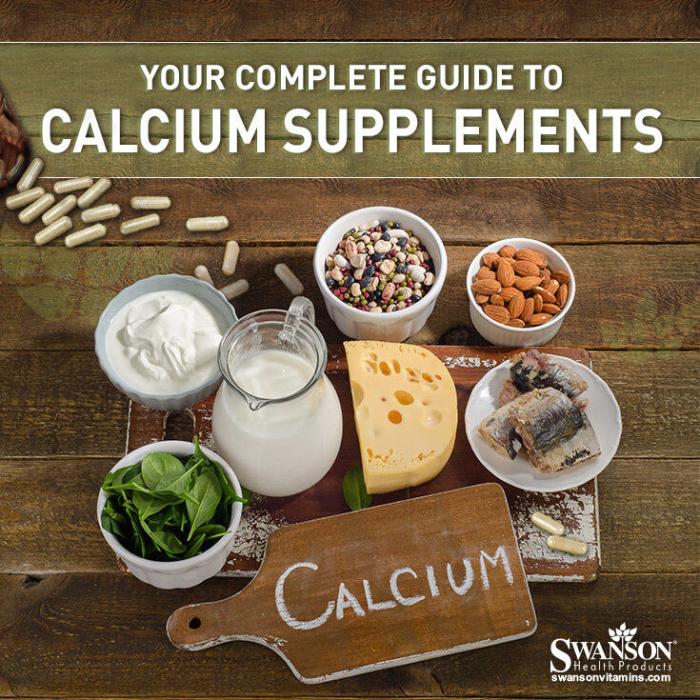
Maintaining a healthy lifestyle plays a crucial role in ensuring proper calcium absorption and utilization in the body. By incorporating certain habits and practices, you can support calcium intake and retention, ultimately contributing to overall bone health and well-being.
Influences on Calcium Absorption
- Regular exercise: Engaging in weight-bearing activities such as walking, running, or strength training can help maintain calcium levels in the body and promote bone strength.
- Adequate Vitamin D intake: Vitamin D is essential for calcium absorption, so make sure to get enough sunlight exposure or consume foods rich in Vitamin D.
- Limiting caffeine and alcohol: Excessive consumption of caffeine and alcohol can interfere with calcium absorption, so it’s important to moderate intake.
Lifestyle Habits for Supporting Calcium Intake
- Eating calcium-rich foods: Include dairy products, leafy greens, nuts, and seeds in your diet to ensure sufficient calcium intake.
- Reducing sodium intake: High sodium levels can lead to calcium loss through urine, so aim to minimize salt in your diet.
- Avoiding smoking: Smoking can negatively impact bone health and calcium absorption, so quitting smoking can be beneficial.
Role of Exercise in Calcium Levels
- Weight-bearing exercises: Activities like jogging, dancing, or weightlifting help maintain bone density and calcium levels, reducing the risk of osteoporosis.
- Balanced workout routine: Incorporating a variety of exercises into your routine can support overall bone health and calcium utilization in the body.
Incorporating Calcium-Rich Foods
- Dairy products: Milk, yogurt, and cheese are excellent sources of calcium that can be easily included in meals or snacks.
- Leafy greens: Spinach, kale, and collard greens are rich in calcium and versatile for salads, smoothies, or cooked dishes.
- Nuts and seeds: Almonds, chia seeds, and sesame seeds are nutritious options to add to cereals, salads, or as snacks for a calcium boost.
Medical Innovations
How to choose the right calcium supplements – Recent medical innovations in the field of calcium supplements have revolutionized the way we approach calcium supplementation. These advancements are not only enhancing the absorption of calcium but also providing innovative delivery methods for better effectiveness.
Advancements in Calcium Absorption Technology
- One of the significant innovations in calcium absorption technology is the development of nano-calcium supplements. These nano-sized particles have higher bioavailability, allowing for better absorption in the body.
- Researchers are also exploring the use of novel formulation techniques to enhance the solubility of calcium supplements, making it easier for the body to absorb this essential mineral.
- Studies are underway to investigate the potential of combining calcium with other nutrients or compounds to improve its absorption and utilization by the body.
Innovative Delivery Methods for Calcium Supplementation
- Chewable calcium supplements are gaining popularity as they provide a convenient and tasty way to meet daily calcium requirements, especially for individuals who have difficulty swallowing pills.
- Intravenous calcium infusion is another innovative delivery method that allows for rapid replenishment of calcium levels in cases of severe deficiency or certain medical conditions.
- Transdermal calcium patches are being developed as a non-invasive way to deliver calcium directly through the skin, offering an alternative to oral supplements.
Shaping the Future of Calcium Supplementation
- Medical innovations in calcium supplementation are paving the way for personalized approaches tailored to individual needs and deficiencies.
- Advancements in technology are enabling the development of more effective and targeted calcium supplements that address specific absorption issues or health conditions.
- With ongoing research and breakthroughs in the field, the future of calcium supplementation looks promising, with a focus on optimizing health outcomes and overall well-being.
Nutritional Supplements
When it comes to choosing the right calcium supplements, there are various options available in the form of nutritional supplements. Understanding the differences between these options can help you make an informed decision for your health.
Types of Calcium Supplements
- Calcium Carbonate: This is the most commonly used form of calcium supplement and is best taken with food to enhance absorption.
- Calcium Citrate: This form can be taken with or without food and is a good option for individuals with low stomach acid.
- Calcium Phosphate: This type of calcium supplement is less common but may be suitable for those with specific dietary needs.
Recommended Daily Intake
It is recommended that adults get between 1000-1200 mg of calcium per day from both food and supplements. It’s important to consult with a healthcare provider to determine the right dosage for your individual needs.
Benefits and Risks
- Benefits: Calcium supplements can help maintain strong bones and teeth, reduce the risk of osteoporosis, and support muscle function.
- Potential Risks: Excessive calcium intake from supplements can lead to kidney stones, constipation, and interfere with the absorption of other minerals.
Incorporating into Diet
For effective incorporation of calcium supplements into a balanced diet, it’s important to spread out the dosage throughout the day, take them with meals, and avoid taking them with high-fiber foods or medications that may interfere with absorption.
Fitness Routine: How To Choose The Right Calcium Supplements
Regular physical activity plays a crucial role in calcium metabolism, helping to maintain bone health and support calcium absorption in the body.
Exercises for Bone Health
- Weight-bearing exercises like walking, running, and dancing help to strengthen bones and promote calcium retention.
- Resistance training with weights or resistance bands can also improve bone density and enhance calcium absorption.
- Yoga and Pilates focus on balance, flexibility, and strength, which are essential for overall bone health and calcium utilization.
Impact of Fitness Routines on Calcium Levels
Regular exercise can increase calcium levels in the body due to the demands placed on bones during physical activity. However, excessive exercise without adequate calcium intake can lead to calcium depletion and negatively impact bone health.
Balancing Exercise with Calcium Intake
- Ensure you are meeting your daily calcium requirements through diet or supplements to support bone health during exercise.
- Timing is key – consume calcium-rich foods or supplements before or after workouts to maximize absorption and utilization.
- Stay hydrated to support calcium transport and distribution throughout the body, especially during intense workouts.
Health Screenings
Regular health screenings play a crucial role in monitoring our overall health, including assessing our calcium levels. These screenings can help detect any deficiencies or excess of calcium in the body, allowing for early intervention and prevention of potential health issues.
Importance of Health Screenings for Calcium Levels
- Calcium levels in the body are essential for maintaining bone health, muscle function, and nerve transmission.
- Health screenings such as blood tests can measure the amount of calcium in the blood, indicating if levels are within the normal range.
- Early detection of calcium deficiencies or excess through screenings can prevent the development of conditions like osteoporosis or hypercalcemia.
Tests for Assessing Calcium Levels
- Blood tests: These tests measure the total calcium levels in the blood, including ionized calcium, which is the active form of calcium.
- Urine tests: Urine calcium levels can also be measured to assess how much calcium the body is excreting, providing insight into calcium absorption and retention.
- Bone density scans: These tests can determine the density of bones, indicating the amount of calcium present and assessing the risk of osteoporosis.
Benefits of Regular Health Screenings
- Early detection of calcium-related issues can lead to timely intervention and treatment, preventing complications.
- Monitoring calcium levels through screenings can help in maintaining bone health and preventing fractures.
- Regular health screenings can also identify other underlying health issues that may impact calcium absorption or utilization in the body.
Tips for Scheduling Routine Health Screenings
- Consult with your healthcare provider to determine the frequency of health screenings based on your age, medical history, and risk factors.
- Keep track of your screening appointments and follow-up visits to ensure continuity in monitoring your calcium levels.
- Be proactive in discussing any concerns or symptoms related to calcium with your healthcare provider during screenings for appropriate evaluation.
Disease Prevention
Calcium intake plays a crucial role in preventing various diseases by supporting bone health, muscle function, nerve transmission, and hormone secretion. Adequate calcium levels in the body can help reduce the risk of developing certain health conditions.
Excessive calcium loss can lead to osteoporosis, a condition characterized by weak and brittle bones. Insufficient calcium intake may also increase the likelihood of developing osteopenia, a precursor to osteoporosis. Additionally, low calcium levels can contribute to muscle cramps, numbness, and tingling sensations.
Influence of Calcium Levels on Disease
- Calcium deficiency is linked to an increased risk of developing osteoporosis and osteopenia.
- Inadequate calcium intake can lead to muscle cramps, numbness, and tingling sensations.
- Low calcium levels may impact hormone secretion and nerve transmission.
Role of Calcium Supplementation in Disease Prevention
- Calcium supplements can help individuals meet their daily calcium requirements, reducing the risk of bone-related conditions.
- Supplementing with calcium may prevent muscle cramps and support overall muscle function.
- Calcium intake through supplements can aid in maintaining proper nerve function and hormone regulation.
Tips for Effective Use of Calcium Supplements for Disease Prevention
- Consult with a healthcare provider to determine the appropriate dosage of calcium supplements based on individual needs.
- Take calcium supplements with meals to enhance absorption and reduce the risk of gastrointestinal side effects.
- Consider combining calcium supplements with other nutrients like vitamin D for optimal bone health benefits.
Sleep Hygiene
Sleep plays a crucial role in the metabolism and absorption of calcium in the body. Adequate and quality sleep is essential for maintaining healthy calcium levels and supporting overall bone health.
Importance of Sleep in Calcium Metabolism
Sleep is the time when the body repairs and rebuilds tissues, including bone tissue. During deep sleep stages, growth hormone is released, which aids in bone growth and repair. Calcium metabolism is also regulated during sleep, ensuring proper absorption and utilization of calcium by the body.
Tips for Improving Sleep Hygiene
- Avoid caffeine and heavy meals close to bedtime.
- Establish a consistent sleep schedule.
- Create a relaxing bedtime routine.
- Ensure your sleep environment is conducive to rest, with a comfortable mattress and pillows.
Impact of Sleep Disorders on Calcium Levels
Sleep disorders such as insomnia or sleep apnea can disrupt the body’s ability to regulate calcium metabolism. Chronic sleep deprivation can lead to imbalances in calcium levels, affecting bone health and overall wellbeing.
Connection Between Adequate Sleep and Healthy Calcium Levels, How to choose the right calcium supplements
Quality sleep is essential for maintaining optimal calcium levels in the body, supporting bone health and overall well-being.
Adequate sleep allows the body to properly absorb and utilize calcium, ensuring that bones remain strong and healthy over time.
Mental Clarity
Calcium is not only essential for bone health but also plays a crucial role in maintaining cognitive function and mental clarity. Adequate levels of calcium are necessary for proper brain health and neurotransmission.
Impact of Calcium on Cognitive Function
Calcium is involved in various processes in the brain that affect cognitive function. It is essential for neurotransmitter release, which is crucial for communication between brain cells. A deficiency in calcium can lead to impaired cognitive abilities, such as memory loss, difficulty concentrating, and confusion.
Role of Calcium in Brain Health
Calcium is necessary for the proper functioning of neurons and the formation of synaptic connections in the brain. It also plays a role in regulating the activity of enzymes that are involved in neurotransmitter production. Maintaining optimal calcium levels is important for overall brain health and cognitive function.
Connection Between Calcium Deficiency and Cognitive Issues
A lack of calcium in the body can lead to cognitive issues due to the disruption of neurotransmission and impaired neuronal function. This can manifest as brain fog, forgetfulness, and difficulty processing information. Ensuring sufficient calcium intake is essential for preventing cognitive decline.
Tips for Maintaining Optimal Calcium Levels for Mental Clarity
- Include calcium-rich foods in your diet, such as dairy products, leafy green vegetables, and fortified foods.
- Consider taking calcium supplements if you are unable to meet your daily requirements through diet alone.
- Ensure adequate vitamin D intake, as it is necessary for calcium absorption in the body.
- Avoid excessive consumption of caffeine and alcohol, as they can interfere with calcium absorption.
- Stay hydrated, as dehydration can affect calcium levels in the body.
Hydration Importance
Proper hydration plays a crucial role in our overall health, including the absorption of calcium in the body. Dehydration can have a negative impact on calcium levels and bone health, making it essential to maintain adequate hydration levels for optimal calcium utilization.
Relationship Between Hydration and Calcium Absorption
When the body is well-hydrated, it can efficiently transport nutrients, including calcium, to the cells where they are needed. Water aids in the digestion and absorption of calcium from food and supplements, ensuring that this essential mineral reaches the bones for optimal bone health.
Tips for Staying Hydrated to Support Calcium Utilization
- Drink an adequate amount of water throughout the day, aiming for at least 8-10 glasses.
- Include hydrating foods in your diet, such as fruits and vegetables with high water content.
- Avoid excessive consumption of caffeinated or sugary beverages, as they can dehydrate the body.
- Carry a water bottle with you to remind yourself to drink water regularly.
Impact of Dehydration on Calcium Levels and Bone Health
Dehydration can lead to reduced calcium absorption and retention in the body, affecting bone density and overall bone health. When the body lacks sufficient water, it may prioritize other functions over calcium absorption, potentially leading to bone-related issues in the long run.
Significance of Proper Hydration for Optimal Calcium Absorption
Maintaining proper hydration levels is essential for optimal calcium absorption, ensuring that this vital mineral is effectively utilized by the body. Adequate hydration supports overall bone health and contributes to the prevention of conditions like osteoporosis.
Expert Answers
How do I know which type of calcium supplement is best for me?
It’s essential to consider factors like calcium absorption rates, additional ingredients, and your individual health needs when choosing a calcium supplement. Consulting with a healthcare provider can also provide personalized recommendations.
Can stress impact the effectiveness of calcium supplements?
Yes, stress can affect calcium absorption in the body. Managing stress levels through techniques like mindfulness, exercise, and proper self-care can support the optimal utilization of calcium from supplements.
Are there any risks associated with relying solely on calcium supplements for my daily intake?
While calcium supplements can be beneficial, relying solely on them may pose risks such as mineral imbalances. It’s important to incorporate calcium-rich foods into your diet and not exceed the recommended daily intake of calcium through supplements.