Health Screenings for Workplace Wellness Programs
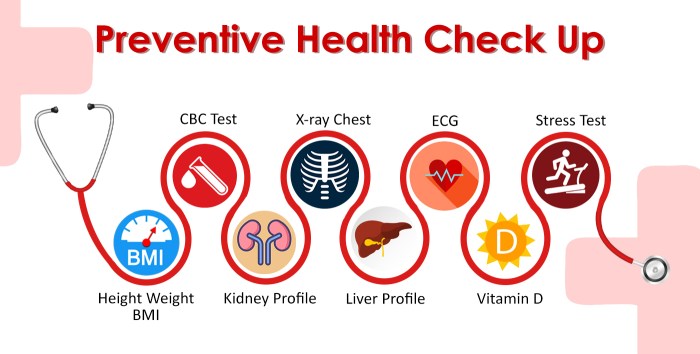
Regular health screenings play a crucial role in workplace wellness programs by promoting early detection and prevention of diseases among employees. These screenings help identify potential health risks and allow for timely intervention, ultimately leading to improved overall health and well-being in the workplace.
Types of Health Screenings
- Biometric Screenings: Measure vital signs like blood pressure, cholesterol levels, and body mass index.
- Blood Tests: Assess glucose levels, lipid profiles, and other key indicators of health.
- Cancer Screenings: Include tests for breast, cervical, colorectal, and prostate cancers based on individual risk factors.
Contribution to Disease Prevention
Health screenings contribute significantly to disease prevention by enabling early detection of conditions such as diabetes, hypertension, and certain cancers. With timely identification, employees can access necessary treatment and lifestyle modifications to mitigate risks and prevent the progression of diseases.
Successful Workplace Wellness Programs
- Company X: Implemented an annual health fair with on-site screenings, leading to improved employee engagement and reduced healthcare costs.
- Organization Y: Offered incentives for employees who completed biometric screenings, resulting in increased participation and positive health outcomes.
Stress Management in the Workplace
Stress in the workplace can have a significant impact on employee health and productivity. It is essential for organizations to implement effective strategies to help employees manage stress and create a work environment that promotes well-being.
- Provide resources for stress management: Employers can offer resources such as workshops, counseling services, and stress management apps to help employees cope with stress effectively.
- Promote work-life balance: Encouraging employees to maintain a healthy balance between work and personal life can help reduce stress levels and improve overall well-being.
- Encourage physical activity: Regular exercise can help reduce stress and improve mental health. Employers can promote physical activity by offering gym memberships or organizing group fitness activities.
Impact of Stress on Employee Health and Productivity
Stress can lead to physical and mental health problems, including high blood pressure, anxiety, and depression. It can also impact employee productivity, leading to decreased motivation, absenteeism, and poor job performance.
Stress Management Initiatives in Workplace Wellness Programs
- On-site meditation and relaxation sessions
- Flexible work schedules to accommodate personal needs
- Employee assistance programs for counseling and support
Creating a Stress-Free Work Environment
- Encourage open communication and feedback
- Promote a culture of appreciation and recognition
- Provide opportunities for professional development and growth
Healthy Lifestyle Promotion
Promoting a healthy lifestyle among employees is crucial for their overall well-being and productivity. Workplace wellness programs play a significant role in encouraging healthy habits by providing resources, support, and incentives for employees to make positive changes in their daily routines.
Benefits of Healthy Lifestyle Promotion
- Improved physical health and fitness levels
- Reduced risk of chronic diseases such as heart disease, diabetes, and obesity
- Enhanced mental well-being and reduced stress levels
- Increased energy and productivity at work
Success Stories
One employee, Sarah, started incorporating daily walks during her lunch break and saw a significant improvement in her energy levels and mood. Another employee, John, joined a workplace fitness challenge and lost weight while gaining muscle strength.
Tips for Integration
- Encourage healthy eating options in the workplace cafeteria or vending machines.
- Organize fitness challenges or group exercise classes during lunch breaks or after work hours.
- Provide educational resources on nutrition, stress management, and physical activity.
- Incorporate standing desks or walking meetings to promote movement throughout the workday.
Medical Innovations for Employee Health: Health Screenings For Workplace Wellness Programs
Health screenings for workplace wellness programs – Medical innovations play a crucial role in enhancing employee health and well-being in the workplace. These advancements are transforming the way healthcare is delivered and monitored, leading to more proactive and personalized approaches to employee wellness.
Artificial Intelligence in Healthcare
Artificial intelligence (AI) is revolutionizing employee health monitoring by analyzing vast amounts of data to identify health trends and risks. AI-powered tools can provide real-time insights and personalized recommendations to employees, helping them make informed decisions about their health.
Telemedicine Services
Telemedicine services have become increasingly popular in corporate settings, allowing employees to consult with healthcare providers remotely. This innovative approach to healthcare delivery improves access to medical care, reduces absenteeism, and enhances overall employee health.
Wearable Health Technology, Health screenings for workplace wellness programs
Wearable devices, such as fitness trackers and smartwatches, enable employees to track their health metrics in real-time. These devices can monitor heart rate, sleep patterns, and physical activity, empowering employees to take control of their health and well-being.
Virtual Reality Therapy
Virtual reality therapy is being used to reduce workplace stress and promote mental well-being among employees. By immersing individuals in relaxing virtual environments, this innovative approach can help alleviate stress, anxiety, and improve overall mental health.
Nutritional Supplements for Employee Wellness
Nutritional supplements play a vital role in supporting the overall health and well-being of employees in the workplace. These supplements can help fill nutrient gaps, boost energy levels, improve immune function, and enhance productivity.
Common Supplements Recommended for Workplace Wellness Programs
- 1. Multivitamins: These supplements provide a comprehensive blend of essential vitamins and minerals to support overall health.
- 2. Omega-3 fatty acids: Known for their anti-inflammatory properties, omega-3 supplements can help improve heart health and brain function.
- 3. Vitamin D: Especially important for those who spend most of their time indoors, vitamin D supplements can help maintain strong bones and support immunity.
Guidelines for Safely Integrating Nutritional Supplements
- 1. Consult with a healthcare professional before starting any new supplement regimen to ensure compatibility with existing medications or health conditions.
- 2. Follow recommended dosage instructions to avoid potential side effects or interactions with other supplements.
- 3. Choose reputable brands that undergo third-party testing for quality and purity.
Impact of Nutritional Supplements on Overall Well-Being and Productivity
Nutritional supplements, when integrated safely and effectively into an employee’s diet, can have a positive impact on overall well-being and productivity. By addressing nutrient deficiencies and supporting key bodily functions, supplements can help employees feel their best and perform optimally in the workplace.
Fitness Routine Integration in Workplace Wellness
Integrating fitness routines into workplace wellness programs can bring numerous benefits to both employees and employers. By promoting physical activity and exercise, companies can improve employee health, boost morale, increase productivity, and reduce healthcare costs.
Benefits of Incorporating Fitness Routines
- Enhanced physical health and fitness levels among employees
- Reduced stress and improved mental well-being
- Increased energy levels and overall productivity
- Building a sense of community and teamwork
- Decreased absenteeism and healthcare expenses
Examples of Effective Fitness Initiatives
Some companies have successfully implemented fitness challenges, on-site workout classes, standing desks, walking meetings, and fitness reimbursement programs to encourage employees to stay active throughout the workday.
Strategies for Promoting Physical Activity
- Organize group exercise classes during lunch breaks or after work hours
- Create walking or running clubs for employees to participate in together
- Offer incentives or rewards for reaching fitness goals
- Provide access to on-site fitness facilities or gym memberships
Tips for Designing a Fitness Routine
- Consider offering a variety of activities to cater to different fitness levels and preferences
- Encourage employees to set achievable and realistic fitness goals
- Provide proper guidance and resources for safe and effective workouts
- Promote a culture of regular physical activity and make it a priority in the workplace
Disease Prevention through Workplace Health Programs
Workplace health programs play a crucial role in disease prevention by promoting a healthy environment and providing employees with the tools and resources they need to stay well.
Importance of Vaccinations and Screenings
Vaccinations and screenings are essential components of disease prevention in the workplace. By ensuring that employees are up to date on vaccinations and regular screenings, companies can prevent the spread of communicable diseases and detect potential health issues early on.
Success Stories of Disease Prevention Initiatives
- Company X implemented a comprehensive vaccination program for all employees, resulting in a significant decrease in absenteeism due to preventable illnesses.
- Company Y conducted regular health screenings and identified early signs of chronic conditions in several employees, leading to timely interventions and improved health outcomes.
Creating a Comprehensive Disease Prevention Strategy
When designing a disease prevention strategy within workplace wellness programs, it is essential to focus on education, access to preventive care, and fostering a culture of health and well-being. By offering resources such as on-site clinics, health education workshops, and incentives for healthy behaviors, companies can effectively reduce the risk of disease among employees.
Importance of Sleep Hygiene for Employee Well-being
Maintaining good sleep hygiene is crucial for the overall health and well-being of employees. Adequate and quality sleep plays a vital role in enhancing cognitive function, mood regulation, immune system support, and overall productivity in the workplace.
Common Sleep Disorders Impacting Workplace Performance
Poor sleep hygiene can lead to various sleep disorders that significantly impact workplace performance. Some common sleep disorders include insomnia, sleep apnea, restless leg syndrome, and narcolepsy. These conditions can result in daytime fatigue, lack of focus, irritability, and decreased productivity at work.
Tips for Promoting Better Sleep Habits Among Employees
- Encourage employees to establish a consistent sleep schedule by going to bed and waking up at the same time every day.
- Advise employees to create a relaxing bedtime routine to signal the body that it is time to sleep, such as reading a book or taking a warm bath.
- Recommend creating a comfortable sleep environment by keeping the bedroom dark, quiet, and cool.
- Suggest limiting screen time before bed and avoiding stimulants like caffeine close to bedtime.
- Provide resources for stress management techniques to help employees unwind and relax before sleep.
Relationship Between Sleep Hygiene, Productivity, and Overall Well-being
Maintaining good sleep hygiene not only improves productivity in the workplace but also enhances overall well-being. Quality sleep allows employees to be more alert, focused, and efficient during working hours. It also plays a crucial role in supporting mental health, reducing stress levels, and promoting a healthy work-life balance.
Mental Clarity Enhancement in the Workplace
Mental clarity is crucial for employees to make informed decisions and maintain high levels of productivity in the workplace. It allows individuals to focus, think clearly, and problem-solve effectively. Implementing strategies to enhance mental clarity among employees is essential for the overall success of a company’s wellness program.
Strategies for Enhancing Mental Clarity and Focus
- Encourage regular breaks throughout the workday to prevent mental fatigue and promote focus.
- Introduce mindfulness and meditation sessions to help employees relax and clear their minds.
- Promote a healthy work-life balance to reduce stress and improve mental clarity.
- Provide training on stress management techniques to help employees cope with pressure and maintain focus.
Impact of Mental Clarity on Decision-Making and Productivity
- Mental clarity enhances decision-making by allowing individuals to weigh options objectively and consider long-term consequences.
- Employees with improved mental clarity are more efficient and productive, leading to better overall performance in the workplace.
- Clear thinking helps employees prioritize tasks effectively and stay organized, resulting in increased productivity levels.
Examples of Mental Clarity Programs in Workplace Wellness Initiatives
- Offering workshops on cognitive-behavioral techniques to enhance mental clarity and focus.
- Implementing quiet zones in the workplace to provide employees with a peaceful environment for concentration.
- Introducing brain-training exercises and puzzles to sharpen cognitive skills and improve mental clarity.
Tips for Fostering a Mentally Clear and Focused Work Environment
- Promote open communication and encourage employees to voice concerns or challenges affecting their mental clarity.
- Create a supportive and inclusive work culture that values work-life balance and prioritizes employee well-being.
- Provide resources for employees to seek help or guidance on improving mental clarity, such as counseling services or mental health workshops.
Hydration Importance in Employee Wellness
Proper hydration plays a crucial role in maintaining employee health and well-being. Water is essential for various bodily functions, including regulating body temperature, aiding digestion, and transporting nutrients throughout the body.
Effects of Dehydration on Workplace Performance
Dehydration can negatively impact workplace performance and productivity. When employees are dehydrated, they may experience fatigue, decreased concentration, and reduced cognitive function. This can lead to errors, accidents, and overall decreased efficiency in the workplace.
Hydration Guidelines for Employees
It is recommended that employees drink at least 8-10 cups of water per day to stay properly hydrated. Additionally, individuals should increase their water intake if they engage in physical activity or work in hot environments. Encouraging employees to keep a water bottle at their desk and take regular water breaks can help them meet their daily hydration needs.
Tips for Promoting Hydration in the Workplace
– Provide easy access to clean drinking water throughout the workplace.
– Encourage employees to track their water intake using apps or journals.
– Offer water-based beverages during meetings and events instead of sugary drinks.
– Educate employees on the importance of hydration for their overall health and well-being.
Commonly Asked Questions
How often should employees undergo health screenings?
It is recommended for employees to undergo health screenings annually or biennially, depending on their age, health history, and risk factors.
Are health screenings mandatory in workplace wellness programs?
While they are not always mandatory, health screenings are highly encouraged as they play a vital role in promoting employee health and detecting potential issues early.
Can employees opt-out of health screenings?
Employees may have the option to opt-out of health screenings in some cases, but it is advisable to participate for their own health benefits and the well-being of the workplace.