How to incorporate exercise into your stress management routine is a powerful strategy for enhancing overall well-being. Stress is a common part of life, and while it can be a motivator, chronic stress can negatively impact physical and mental health.
Exercise offers a natural and effective way to manage stress by releasing endorphins, improving mood, and promoting relaxation.
This article explores the multifaceted benefits of exercise in stress management, providing practical tips for incorporating physical activity into your daily routine. From understanding the physiological mechanisms behind exercise-induced stress reduction to designing personalized exercise plans, we’ll delve into various aspects of this essential topic.
Understanding the Link Between Exercise and Stress Management
Exercise is not just about building muscles and improving physical fitness; it’s also a powerful tool for managing stress. When you exercise, your body releases endorphins, which have mood-boosting effects and can help to reduce feelings of anxiety and depression.
Exercise also helps to regulate stress hormones like cortisol, which can contribute to feelings of stress and anxiety.
The Physiological and Psychological Benefits of Exercise in Reducing Stress
Regular physical activity offers numerous physiological and psychological benefits that contribute to effective stress management.
Physiological Benefits
- Reduced Cortisol Levels:Exercise helps regulate cortisol, the stress hormone. When cortisol levels are elevated, they can lead to feelings of anxiety, irritability, and difficulty sleeping. Regular exercise can help lower cortisol levels, promoting a sense of calm and well-being.
- Improved Cardiovascular Health:Exercise strengthens the heart and improves blood flow, which can reduce the physical symptoms of stress, such as rapid heartbeat and shortness of breath.
- Enhanced Sleep Quality:Exercise can improve sleep quality by promoting relaxation and reducing stress levels. Regular physical activity can help regulate your body’s natural sleep-wake cycle, making it easier to fall asleep and stay asleep.
Psychological Benefits
- Increased Endorphin Release:Exercise triggers the release of endorphins, natural mood boosters that have pain-relieving and stress-reducing effects. Endorphins can create a sense of euphoria and well-being, helping to counteract the negative effects of stress.
- Improved Mood and Cognitive Function:Exercise has been shown to improve mood, reduce anxiety, and enhance cognitive function. It can help to boost self-esteem, increase energy levels, and improve focus and concentration.
- Stress Relief and Coping Mechanisms:Exercise provides an outlet for releasing pent-up energy and frustration, helping to reduce stress levels. It can also serve as a healthy coping mechanism for dealing with challenging situations.
The Role of Endorphins and Stress Hormones in Exercise-Induced Stress Reduction
Exercise’s stress-reducing effects are closely tied to the interplay of endorphins and stress hormones.
- Endorphins:These natural pain relievers and mood elevators are released during exercise, creating a sense of euphoria and well-being. Endorphins can counteract the negative effects of stress hormones, promoting relaxation and reducing anxiety.
- Stress Hormones:Exercise helps regulate the release of stress hormones like cortisol. When you exercise, your body releases cortisol, but regular physical activity helps to reduce overall cortisol levels, promoting a sense of calm and reducing the negative effects of stress.
Examples of How Exercise Can Improve Mood, Focus, and Sleep Quality
- Improved Mood:A study published in the Journal of Happiness Studies found that people who exercised regularly reported feeling happier and more satisfied with their lives.
- Enhanced Focus:Exercise can improve focus and concentration by increasing blood flow to the brain and promoting the growth of new brain cells. Research suggests that even moderate exercise can enhance cognitive function, including attention, memory, and problem-solving abilities.
- Better Sleep Quality:Exercise can improve sleep quality by promoting relaxation and reducing stress levels. A study published in the journal Sleep found that people who exercised regularly were more likely to report having better sleep quality.
Incorporating Exercise into Your Routine
Integrating exercise into your daily life is a crucial step towards managing stress effectively. Regular physical activity helps release endorphins, which have mood-boosting effects, and reduces levels of stress hormones like cortisol. This not only improves your mental well-being but also enhances your overall health and fitness.
Designing a Sample Exercise Plan
Creating a personalized exercise plan is essential for achieving sustainable results. It should consider your current fitness level, time constraints, and preferences. Here’s a sample plan that caters to different levels and time limitations:
Beginner Level (15-20 minutes per day, 3 days a week)
- Start with brisk walking for 15 minutes, gradually increasing the duration and intensity as you feel comfortable.
- Include bodyweight exercises like squats, lunges, and push-ups, starting with 2 sets of 10 repetitions for each exercise.
- Engage in light yoga or stretching for 5-10 minutes to improve flexibility and reduce muscle tension.
Intermediate Level (30-40 minutes per day, 4 days a week)
- Combine brisk walking with jogging or cycling for 30 minutes, incorporating intervals of higher intensity.
- Increase the number of sets and repetitions for bodyweight exercises, aiming for 3 sets of 12-15 repetitions for each exercise.
- Explore beginner-level strength training exercises using light weights or resistance bands.
Advanced Level (45-60 minutes per day, 5 days a week)
- Engage in more intense activities like running, swimming, or cycling for 45-60 minutes, incorporating interval training for improved cardiovascular fitness.
- Progress to more challenging bodyweight exercises or strength training with heavier weights, aiming for 3-4 sets of 8-12 repetitions for each exercise.
- Include advanced yoga or Pilates classes for improved strength, flexibility, and balance.
Finding Enjoyable and Sustainable Exercise Activities
To make exercise a regular part of your routine, it’s crucial to find activities that you genuinely enjoy. This will help you stay motivated and prevent burnout.
- Explore Different Activities:Experiment with various types of exercise, such as dancing, swimming, hiking, or team sports, to discover what resonates with you.
- Incorporate Variety:Mix up your exercise routine to keep things interesting and prevent boredom. Alternate between different activities or incorporate different types of training within the same session.
- Find a Workout Buddy:Having a workout partner can provide motivation, accountability, and social support, making exercise more enjoyable.
- Listen to Music or Podcasts:Listening to your favorite music or podcasts during exercise can distract you from the effort and make the time pass faster.
- Set Realistic Goals:Start with small, achievable goals and gradually increase the intensity or duration of your workouts as you progress. This will help you avoid feeling overwhelmed and discouraged.
The Importance of Consistency and Gradual Progression
Consistency is key to reaping the benefits of exercise for stress management. It’s better to engage in short, regular workouts than to do infrequent, intense sessions.
- Start Slowly:Begin with a manageable amount of exercise and gradually increase the duration, intensity, or frequency over time. This allows your body to adapt and prevents injuries.
- Listen to Your Body:Pay attention to your body’s signals and take rest days when needed. Pushing yourself too hard can lead to burnout and injury.
- Be Patient:It takes time to build fitness and experience the full benefits of exercise. Don’t get discouraged if you don’t see results immediately. Stay consistent and trust the process.
Exercise Types for Stress Management
Different types of exercise offer unique benefits for stress relief. Understanding these benefits can help you choose the best activities for your individual needs and preferences.
Benefits of Different Exercise Types
The benefits of different exercise types for stress relief can be categorized as follows:
- Cardiovascular Exercise: Cardio exercises like running, swimming, or cycling elevate your heart rate and improve blood circulation. This can help reduce stress hormones like cortisol and boost the production of endorphins, which have mood-boosting effects. Regular cardio can also improve sleep quality, which is essential for managing stress.
- Strength Training: Strength training exercises, such as weightlifting or resistance band workouts, build muscle mass and improve bone density. They can also help reduce stress by releasing endorphins and improving self-confidence. Strength training can also help you manage chronic conditions like obesity and diabetes, which are often associated with stress.
- Yoga: Yoga combines physical postures with breathing techniques and meditation. This combination helps to relax the body and mind, reducing stress and anxiety. Yoga can also improve flexibility, balance, and range of motion, which can be beneficial for overall well-being.
Mindfulness and Breathing Exercises
Mindfulness and breathing exercises can enhance the stress-reducing effects of exercise by bringing your attention to the present moment. This can help you become more aware of your physical sensations and emotional state, allowing you to better manage stress. Some examples of mindfulness and breathing exercises include:
- Mindful Walking: Pay attention to the sensations of your feet on the ground, the movement of your body, and the sounds around you. This can help you stay grounded and present.
- Box Breathing: Inhale deeply for four counts, hold your breath for four counts, exhale slowly for four counts, and hold your breath again for four counts. This rhythmic breathing pattern can help calm your nervous system.
Examples of Exercises for Daily Life
Incorporating exercise into your daily life doesn’t have to be complicated. Here are some simple exercises you can do:
- Walking: Aim for at least 30 minutes of brisk walking most days of the week. You can walk to work, take a walk during your lunch break, or go for a walk after dinner.
- Taking the Stairs: Instead of taking the elevator, take the stairs whenever possible. This is a great way to get some quick cardio and build leg strength.
- Stretching Breaks: Take short breaks throughout the day to stretch your muscles. This can help relieve tension and improve your posture.
Creating a Holistic Stress Management Approach
While exercise is a powerful tool for stress management, it’s crucial to recognize that it’s just one piece of the puzzle. A holistic approach encompasses a variety of strategies that work synergistically to enhance overall well-being and resilience.
Combining Exercise with Other Stress Management Techniques
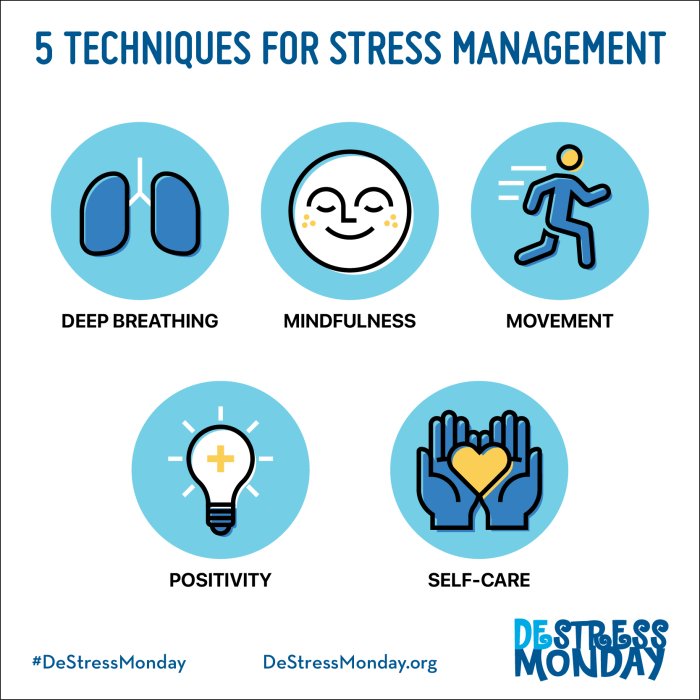
Integrating exercise with other stress management techniques creates a comprehensive approach that addresses various aspects of stress. Mindfulness practices, such as meditation and deep breathing exercises, can complement the physical benefits of exercise by promoting relaxation and emotional regulation. Relaxation techniques, like progressive muscle relaxation or yoga, can further enhance stress reduction by reducing muscle tension and promoting a sense of calm.
Moreover, incorporating healthy lifestyle choices, such as a balanced diet, adequate sleep, and social connections, can significantly contribute to stress management. By addressing these fundamental aspects of well-being, you create a supportive environment that amplifies the positive effects of exercise.
Exercise’s Contribution to Overall Well-being and Mental Resilience
Regular exercise not only reduces stress but also enhances overall well-being and mental resilience. Physical activity releases endorphins, which have mood-boosting effects and promote feelings of happiness and well-being. It also improves sleep quality, reduces anxiety and depression symptoms, and boosts self-esteem and confidence.
Furthermore, exercise helps build resilience by strengthening the body’s stress response system. This allows you to cope with challenges more effectively and recover from stressful situations more quickly. By developing a regular exercise routine, you cultivate a foundation of physical and mental strength that can withstand life’s inevitable stressors.
Identifying and Managing Stress Triggers
To effectively manage stress, it’s essential to identify your personal stress triggers. These can be anything from work deadlines to interpersonal conflicts, traffic jams, or financial worries. Once you understand what triggers your stress, you can develop strategies to minimize their impact or manage your reactions to them.
- Keep a Stress Diary:Regularly record your stress levels, noting the time, location, and specific events or situations that contribute to stress. This can help you identify patterns and pinpoint your primary triggers.
- Practice Stress-Reducing Techniques:When you encounter a trigger, try to implement stress-reducing techniques, such as deep breathing exercises, mindfulness meditation, or progressive muscle relaxation. These can help calm your nervous system and prevent the escalation of stress.
- Seek Support:Don’t hesitate to reach out to friends, family, or a therapist for support and guidance. Talking about your stress can help you process your emotions and develop coping mechanisms.
Stress Management and Healthy Lifestyle
Stress management and a healthy lifestyle are interconnected. A healthy lifestyle provides the foundation for effective stress management, while effective stress management supports a healthy lifestyle. By incorporating healthy habits into your daily routine, you can enhance your ability to cope with stress and improve your overall well-being.
The Role of Nutrition, Sleep, and Hydration in Stress Reduction
Maintaining a balanced diet, getting adequate sleep, and staying hydrated are crucial for managing stress.
Nutrition
A healthy diet provides your body with the nutrients it needs to function optimally, including managing stress. A balanced diet rich in fruits, vegetables, whole grains, and lean protein can help regulate blood sugar levels, stabilize mood, and improve energy levels.
- Avoid processed foods, sugary drinks, and excessive caffeine, as these can contribute to mood swings and energy crashes.
- Include foods rich in omega-3 fatty acids, such as salmon, walnuts, and flaxseeds, which have been linked to improved mood and cognitive function.
- Consume foods rich in B vitamins, such as leafy green vegetables, beans, and whole grains, as they play a role in stress hormone regulation.
Sleep
Sleep is essential for physical and mental restoration. When you’re sleep-deprived, your body releases more cortisol, the stress hormone. Aim for 7-9 hours of quality sleep each night.
- Establish a regular sleep schedule, going to bed and waking up around the same time each day, even on weekends.
- Create a relaxing bedtime routinethat signals to your body that it’s time to wind down, such as taking a warm bath, reading a book, or listening to calming music.
- Optimize your sleep environmentby ensuring your bedroom is dark, quiet, and cool.
Hydration
Staying hydrated is crucial for overall health and well-being, including stress management. Dehydration can lead to fatigue, headaches, and irritability, which can exacerbate stress.
- Drink plenty of water throughout the day, aiming for at least 8 glasses.
- Limit sugary drinks, as they can dehydrate you.
- Carry a reusable water bottlewith you and refill it regularly.
Mental Clarity and Emotional Wellbeing: How To Incorporate Exercise Into Your Stress Management Routine
Stress can have a profound impact on our mental clarity and emotional well-being, often leading to feelings of overwhelm, anxiety, and difficulty concentrating. Exercise, however, can serve as a powerful antidote to these negative effects, promoting a sense of calm and focus.
Improving Cognitive Function and Emotional Regulation
Regular physical activity has been shown to enhance cognitive function and improve emotional regulation. Exercise increases blood flow to the brain, delivering vital oxygen and nutrients that support optimal brain function. This can lead to improvements in memory, attention, and overall cognitive performance.
Moreover, exercise releases endorphins, which have mood-boosting effects and help to reduce stress hormones like cortisol. This can contribute to a more balanced emotional state and a greater ability to manage stress effectively.
Incorporating Mindfulness and Meditation into Exercise Routines
Mindfulness and meditation practices can be seamlessly integrated into exercise routines to enhance their stress-reducing benefits. By focusing on the present moment during physical activity, we can cultivate a sense of awareness and acceptance, reducing the impact of negative thoughts and emotions.
- Mindful Breathing:During exercise, pay attention to your breath, noticing the sensation of each inhale and exhale. This simple practice can help to anchor you in the present moment and promote a sense of calm.
- Body Scan:As you move through your exercise routine, take a few moments to scan your body, noticing any sensations of tension or tightness. Gently release any tension you find, allowing your body to relax and move with ease.
- Mindful Movement:Engage in activities that allow you to fully connect with your body and movement, such as yoga, tai chi, or walking in nature. These practices encourage mindful awareness and can promote a sense of peace and well-being.
Active Lifestyle and Cardiovascular Health
Maintaining an active lifestyle is crucial for overall health and well-being, especially for cardiovascular health. Regular exercise strengthens the heart muscle, improves blood flow, and lowers the risk of heart disease and stroke.
Exercise and Cardiovascular Health
Exercise plays a vital role in maintaining a healthy heart. It helps improve cardiovascular health by:
- Strengthening the Heart Muscle:Regular exercise strengthens the heart muscle, making it more efficient at pumping blood throughout the body.
- Lowering Blood Pressure:Exercise helps regulate blood pressure by improving blood vessel function and reducing stress hormones.
- Improving Blood Flow:Exercise increases blood flow, delivering oxygen and nutrients to the heart and other organs, reducing the risk of blockages.
- Lowering Cholesterol Levels:Exercise helps lower bad cholesterol (LDL) levels and raise good cholesterol (HDL) levels, reducing the risk of plaque buildup in arteries.
- Reducing Body Fat:Exercise helps burn calories and reduce body fat, which is a major risk factor for heart disease.
Reducing the Risk of Heart Disease and Stroke
Studies have shown a strong correlation between regular exercise and a reduced risk of heart disease and stroke.
“Regular physical activity is one of the most important things you can do to improve your cardiovascular health and reduce your risk of heart disease and stroke.”
American Heart Association
Tips for Maintaining a Healthy Heart
Here are some tips for maintaining a healthy heart through regular exercise:
- Aim for at least 30 minutes of moderate-intensity exercise most days of the week.This could include brisk walking, cycling, swimming, or dancing.
- Incorporate strength training exercises at least twice a week.Strength training helps build muscle mass, which improves metabolism and helps control blood sugar levels.
- Listen to your body and take breaks when needed.Avoid overexertion and gradually increase the intensity and duration of your workouts.
- Talk to your doctor before starting any new exercise program.They can advise you on the best type and intensity of exercise for your individual needs.
Disease Prevention and Immune Support
Regular exercise plays a vital role in disease prevention and immune system enhancement. By engaging in physical activity, you can significantly reduce your risk of developing chronic diseases and bolster your body’s natural defenses against illness.
The Link Between Exercise and Disease Prevention
Exercise has been scientifically proven to be a powerful tool for preventing chronic diseases. Engaging in regular physical activity can significantly reduce your risk of developing conditions such as heart disease, stroke, type 2 diabetes, and certain types of cancer.
- Heart Health:Exercise strengthens your heart muscle, improves blood flow, and lowers blood pressure, reducing your risk of cardiovascular disease.
- Diabetes Prevention:Regular exercise helps regulate blood sugar levels, making it an effective strategy for preventing type 2 diabetes.
- Cancer Risk Reduction:Studies have shown that exercise can decrease the risk of developing certain cancers, including colon, breast, and endometrial cancers.
Healthy Aging and Mental Resilience
Exercise is not just about physical health; it plays a crucial role in maintaining mental well-being, particularly as we age. Regular physical activity can significantly enhance cognitive function, balance, and mobility, contributing to a more fulfilling and independent later life.
Benefits of Exercise for Healthy Aging
Exercise offers numerous benefits for healthy aging and maintaining mental resilience. It helps prevent age-related cognitive decline, improves balance and mobility, and supports overall well-being.
Cognitive Function
- Improved Memory and Learning:Exercise stimulates the growth of new brain cells and improves blood flow to the brain, enhancing cognitive function, including memory and learning. Research shows that regular physical activity can reduce the risk of age-related cognitive decline and dementia.
- Enhanced Attention and Focus:Exercise can improve attention span and focus by increasing the levels of neurotransmitters like dopamine and norepinephrine, which are essential for cognitive function.
- Increased Brain Plasticity:Exercise promotes brain plasticity, the ability of the brain to adapt and change, which is crucial for maintaining cognitive function as we age.
Balance and Mobility
- Improved Balance and Coordination:Exercise helps improve balance and coordination, reducing the risk of falls and injuries. Activities like yoga, tai chi, and dance can be particularly beneficial for maintaining balance and flexibility.
- Enhanced Muscle Strength and Endurance:Regular physical activity strengthens muscles and improves endurance, making it easier to perform everyday tasks and maintain mobility.
- Increased Bone Density:Weight-bearing exercises like walking, running, and weightlifting can help increase bone density, reducing the risk of osteoporosis and fractures.
Tips for Staying Active and Engaged
Staying active and engaged throughout the aging process is crucial for maintaining physical and mental well-being. Here are some tips:
- Find Activities You Enjoy:Choose activities that you find enjoyable and motivating to make exercise a sustainable part of your routine.
- Start Gradually and Progress Slowly:Begin with short, low-intensity workouts and gradually increase the duration and intensity as your fitness improves.
- Seek Professional Guidance:Consult with a healthcare professional or certified personal trainer to create a safe and effective exercise plan that meets your individual needs and abilities.
- Stay Socially Active:Join fitness classes, walking groups, or social clubs to stay engaged and motivated.
- Prioritize Sleep and Nutrition:Adequate sleep and a healthy diet are essential for maintaining energy levels and supporting overall well-being.
Stress Relief and Relaxation Techniques
Integrating relaxation techniques into your exercise routine can amplify its stress-reducing effects, creating a holistic approach to well-being. These techniques help calm the nervous system, lower heart rate, and promote a sense of peace, further enhancing the benefits of physical activity.
Deep Breathing Exercises
Deep breathing exercises are a powerful tool for calming the mind and body. They work by slowing down the heart rate, lowering blood pressure, and reducing stress hormones.
Progressive Muscle Relaxation
Progressive muscle relaxation involves systematically tensing and relaxing different muscle groups in the body. This technique helps to identify and release tension, promoting a state of deep relaxation.
- Starting from your toes, tense the muscles in your feet for a few seconds, then release.Continue this process, moving up your body, tensing and relaxing each muscle group, including your calves, thighs, buttocks, abdomen, chest, shoulders, arms, hands, neck, and face.
- As you tense and relax each muscle group, focus on the difference in sensation.Notice the tension building as you contract the muscles and the release of tension as you relax them.
- Practice progressive muscle relaxation regularly to improve your ability to identify and release tension.You can incorporate it into your daily routine or practice it before bedtime to promote restful sleep.
Mindfulness Meditation
Mindfulness meditation involves focusing your attention on the present moment, without judgment. It helps to train the mind to observe thoughts and feelings without getting carried away by them.
- Find a quiet place where you can sit or lie down comfortably.Close your eyes and focus your attention on your breath. Notice the sensation of your breath as it enters and leaves your body.
- As thoughts arise, acknowledge them without judgment and gently return your attention to your breath.It is natural for your mind to wander. The key is to observe your thoughts without getting caught up in them.
- Start with short sessions of 5-10 minutes and gradually increase the duration as you become more comfortable.You can practice mindfulness meditation anytime and anywhere, even while walking or exercising.
Nutritional Balance and Immune Support
A balanced diet is essential for stress management and immune support. It provides the body with the necessary nutrients to function optimally and resist stress, thereby promoting overall well-being.
The Role of Essential Nutrients
Essential nutrients, including vitamins, minerals, and antioxidants, play a crucial role in maintaining overall health and resilience against stress. * Vitamins:Vitamins like B vitamins (B6, B12, and folate) support energy production, nerve function, and mood regulation. Vitamin C is a powerful antioxidant that helps protect cells from damage caused by stress.
Minerals
Minerals like magnesium, zinc, and selenium are essential for various bodily functions, including stress response regulation, immune function, and cell repair.
Antioxidants
Antioxidants, such as vitamins C and E, protect cells from damage caused by free radicals, which are unstable molecules that contribute to aging and disease.
Nutrient-Rich Foods for Stress Reduction and Immune Function
A diet rich in nutrient-rich foods can significantly enhance stress management and immune support. * Fruits and Vegetables:Fruits and vegetables are excellent sources of vitamins, minerals, and antioxidants. Examples include berries, citrus fruits, leafy greens, broccoli, and carrots.
Whole Grains
Whole grains, such as brown rice, quinoa, and oats, provide fiber, B vitamins, and magnesium, which are important for energy, mood, and stress management.
Lean Protein
Lean protein sources, such as fish, poultry, beans, and lentils, provide essential amino acids for building and repairing tissues, as well as supporting immune function.
Healthy Fats
Healthy fats, found in avocados, nuts, and seeds, provide essential fatty acids that support brain function, hormone balance, and inflammation reduction.
Sleep Hygiene and Mental Clarity
A good night’s sleep is essential for stress management and mental clarity. It’s during sleep that our bodies and minds can rest and repair, allowing us to wake up feeling refreshed and ready to face the day. When we consistently get enough sleep, we are better equipped to handle stress, improve our cognitive function, and enhance our emotional well-being.
Impact of Sleep Deprivation on Stress Levels
Sleep deprivation can have a significant impact on our stress levels. When we are sleep-deprived, our bodies release more of the stress hormone cortisol. This can lead to feelings of anxiety, irritability, and difficulty concentrating. Chronic sleep deprivation can also weaken our immune system, making us more susceptible to illness, which can further contribute to stress.
Sleep Deprivation and Cognitive Function
Sleep deprivation can significantly impair cognitive function. It can affect our ability to think clearly, make decisions, and remember information. Studies have shown that sleep deprivation can lead to reduced attention span, slower reaction times, and poor decision-making.
Sleep Deprivation and Emotional Well-being, How to incorporate exercise into your stress management routine
Sleep deprivation can also negatively impact our emotional well-being. It can lead to feelings of sadness, irritability, and mood swings. In some cases, chronic sleep deprivation can even contribute to the development of mental health conditions such as depression and anxiety.
Tips for Establishing Healthy Sleep Habits
Establishing healthy sleep habits can significantly improve our sleep quality and overall well-being. Here are some tips:
- Establish a Regular Sleep Schedule:Go to bed and wake up around the same time each day, even on weekends, to regulate your body’s natural sleep-wake cycle.
- Create a Relaxing Bedtime Routine:Engage in calming activities like taking a warm bath, reading a book, or listening to soothing music before bed to signal your body that it’s time to wind down.
- Optimize Your Sleep Environment:Ensure your bedroom is dark, quiet, and cool for optimal sleep. Consider using blackout curtains, earplugs, or a white noise machine to minimize distractions.
- Avoid Caffeine and Alcohol Before Bed:These substances can interfere with sleep quality. Avoid consuming them several hours before bedtime.
- Limit Screen Time Before Bed:The blue light emitted from electronic devices can suppress melatonin production, making it harder to fall asleep. Avoid using screens for at least an hour before bed.
- Get Regular Exercise:Regular physical activity can improve sleep quality, but avoid exercising too close to bedtime.
- See a Doctor if You Have Persistent Sleep Problems:If you experience persistent sleep difficulties, consult a doctor to rule out any underlying medical conditions.
Improving Sleep Quality
Here are some additional tips for improving sleep quality:
- Avoid Large Meals Before Bed:Eating a heavy meal close to bedtime can disrupt sleep.
- Take a Nap if Needed:Short naps can be beneficial, but avoid long naps or napping late in the afternoon.
- Use a Comfortable Mattress and Pillow:A comfortable sleep environment can significantly improve sleep quality.
- Keep Your Bedroom Well-Ventilated:Ensure adequate airflow in your bedroom to promote a comfortable sleep environment.
- Avoid Smoking:Smoking can disrupt sleep and worsen sleep disorders.
Hydration Importance and Exercise Performance
Staying hydrated is crucial for optimal exercise performance and stress management. Water plays a vital role in regulating body temperature, transporting nutrients, and removing waste products, all of which are essential for maintaining physical and mental well-being.
Hydration and Exercise Performance
Proper hydration is critical for optimal exercise performance. Water helps regulate body temperature, transports nutrients to muscles, and removes waste products from the body. When you’re dehydrated, your body can’t function as efficiently, leading to fatigue, muscle cramps, and reduced performance.
Staying Hydrated Before, During, and After Exercise
- Before Exercise:Drink plenty of water in the hours leading up to your workout. Aim for 17-20 ounces of water two to three hours before exercise and 8 ounces about 30 minutes before.
- During Exercise:Sip on water regularly throughout your workout, especially during intense sessions. You should aim to drink 4-8 ounces of water every 15-20 minutes.
- After Exercise:Replenish your fluids by drinking water or sports drinks to replace lost electrolytes. Aim to drink 16 ounces of water for every pound of body weight lost during exercise.
Health Screenings and Disease Prevention
Regular health screenings play a crucial role in early disease detection and prevention, empowering individuals to take proactive steps towards maintaining their well-being. By identifying potential health issues at their initial stages, screenings allow for timely interventions and treatment, potentially improving outcomes and reducing the severity of conditions.
Moreover, incorporating exercise into your routine can significantly contribute to overall health, reducing the risk of developing chronic diseases and enhancing your quality of life.
The Importance of Regular Health Screenings
Regular health screenings are essential for early disease detection, allowing for prompt treatment and improved health outcomes. Screenings can identify various health conditions, including:
- Cardiovascular disease:Screenings for blood pressure, cholesterol levels, and electrocardiograms (EKGs) can detect early signs of heart disease, enabling timely interventions to reduce the risk of heart attacks and strokes.
- Cancer:Regular screenings for various cancers, such as breast, cervical, colorectal, and prostate cancer, can significantly increase the chances of early detection and successful treatment.
- Diabetes:Screenings for blood glucose levels can identify prediabetes or type 2 diabetes, allowing for lifestyle modifications or early medical management to prevent complications.
- Other conditions:Screenings can also detect conditions like osteoporosis, thyroid disorders, and vision and hearing problems, enabling early intervention and management.
Last Recap
By integrating exercise into your stress management routine, you can unlock a wealth of benefits, including reduced stress levels, improved mood, enhanced sleep quality, and increased resilience. Remember, consistency is key. Start with small steps and gradually increase your activity levels as you feel more comfortable.
Listen to your body, find enjoyable activities, and embrace the transformative power of movement for a healthier, happier you.
FAQs
What if I don’t have time for exercise?
Even short bursts of activity can make a difference. Aim for 10-15 minutes of brisk walking or light exercise throughout your day. You can also incorporate exercise into your daily routine by taking the stairs, walking during your lunch break, or doing stretches while watching TV.
What are some good exercises for stress relief?
Cardio exercises like running, swimming, and cycling are excellent for releasing endorphins. Yoga and tai chi combine physical movement with mindfulness, offering a holistic approach to stress management. Strength training can also improve mood and boost confidence.
How can I make exercise a habit?
Start with small, achievable goals and gradually increase your activity levels. Find activities you enjoy and schedule them into your week. It’s also helpful to have a workout buddy or join a fitness class for motivation and support.