Disease Prevention through Personalized Medicine
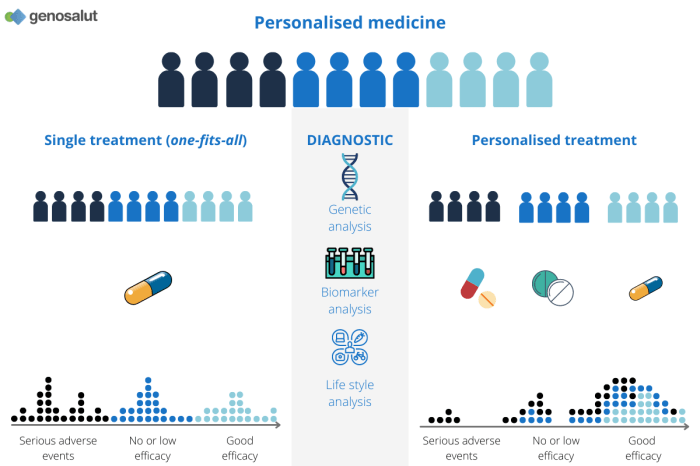
Personalized medicine in disease prevention involves tailoring medical treatments and interventions to individual characteristics such as genetics, lifestyle, and environment. By customizing healthcare based on a person’s unique profile, personalized medicine aims to improve outcomes and reduce the risk of diseases.
Examples of Personalized Medicine
- Genetic testing to identify predisposition to certain diseases and create targeted prevention plans.
- Pharmacogenomics to determine the most effective medication and dosage based on genetic makeup.
- Personalized nutrition plans to address specific dietary needs and prevent nutrition-related diseases.
Role of Genetics and Technology in Personalized Medicine
Disease prevention through personalized medicine – Genetics plays a crucial role in personalized medicine by providing insights into an individual’s genetic predispositions and responses to treatments. Through advancements in technology such as genome sequencing, clinicians can analyze genetic data to personalize disease prevention strategies.
Stress Management
Stress can have a significant impact on overall health, both physical and mental. Chronic stress can weaken the immune system, increase the risk of heart disease, exacerbate digestive issues, and contribute to mental health conditions such as anxiety and depression.
Impact of Stress on Overall Health
- Chronic stress can lead to inflammation in the body, which is linked to various health problems.
- Elevated stress levels can affect blood pressure and increase the risk of cardiovascular diseases.
- Stress can disrupt sleep patterns, leading to fatigue and cognitive impairment.
- Emotional stress can impact mental health, contributing to conditions like anxiety and depression.
Effective Stress Management Techniques
- Regular exercise can help reduce stress and improve overall well-being.
- Practicing mindfulness and meditation can help calm the mind and reduce stress levels.
- Engaging in hobbies and activities that bring joy and relaxation can be beneficial for stress management.
- Setting boundaries and learning to say no to excessive demands can help prevent stress overload.
Connection between Stress Management and Personalized Medicine
Stress management is an essential component of personalized medicine as it recognizes the unique factors influencing an individual’s health. By addressing stress levels and implementing personalized stress management techniques, healthcare providers can better tailor treatment plans to meet the specific needs of each patient. This personalized approach can lead to improved health outcomes and overall well-being.
Healthy Lifestyle
Maintaining a healthy lifestyle is crucial in preventing diseases and promoting overall well-being. By incorporating various components such as regular exercise, balanced nutrition, stress management, and adequate sleep, individuals can optimize their health and reduce the risk of developing chronic conditions.
Components of a Healthy Lifestyle
- Regular Exercise: Engaging in physical activity helps improve cardiovascular health, strengthen muscles, and boost overall immunity.
- Balanced Nutrition: Consuming a variety of nutrient-dense foods such as fruits, vegetables, whole grains, and lean proteins supports optimal body function.
- Stress Management: Implementing stress-reducing techniques like mindfulness, meditation, or yoga can lower cortisol levels and improve mental well-being.
- Adequate Sleep: Getting 7-9 hours of quality sleep each night is essential for proper rest, recovery, and overall health maintenance.
Personalized Medicine for Optimizing a Healthy Lifestyle
Personalized medicine tailors healthcare decisions and interventions to individual characteristics, such as genetics, lifestyle, and environment. By analyzing genetic predispositions, metabolic profiles, and lifestyle factors, healthcare providers can offer personalized recommendations for diet, exercise, and stress management strategies.
Examples of Personalized Lifestyle Modifications
- Genetic Testing: Identifying genetic markers related to metabolism or nutrient absorption can help individuals customize their diet plans for optimal health.
- Activity Tracking: Monitoring physical activity levels and setting personalized fitness goals can motivate individuals to stay active and maintain a healthy weight.
- Stress Assessments: Evaluating stress levels through surveys or biomarker tests can guide individuals in adopting stress-reducing practices tailored to their needs.
- Sleep Analysis: Tracking sleep patterns and identifying underlying sleep disorders can lead to personalized sleep hygiene recommendations for better rest and recovery.
Medical Innovations
Personalized medicine has paved the way for cutting-edge medical innovations in disease prevention. By tailoring treatments and preventive measures to an individual’s genetic makeup, lifestyle, and environmental factors, personalized medicine is revolutionizing the field of healthcare.
Genomic Sequencing
Genomic sequencing is a key technology used in personalized medicine for disease prevention. By analyzing an individual’s genetic code, healthcare providers can identify genetic predispositions to certain diseases and take proactive measures to prevent them. This advanced technology allows for early detection and personalized interventions, significantly reducing the risk of developing various conditions.
Precision Medicine
Precision medicine is another innovative approach that is driving advancements in disease prevention. By considering each patient’s unique characteristics, such as genetic, environmental, and lifestyle factors, healthcare providers can develop tailored prevention strategies. This targeted approach ensures that individuals receive the most effective interventions based on their specific needs, ultimately leading to better health outcomes.
Telemedicine and Remote Monitoring
Telemedicine and remote monitoring technologies have also revolutionized disease prevention by enabling healthcare providers to engage with patients remotely. These innovative tools allow for continuous monitoring of health metrics, early detection of warning signs, and timely interventions, all from the comfort of the patient’s home. By leveraging telemedicine and remote monitoring, healthcare professionals can provide personalized care and support to individuals, enhancing disease prevention efforts.
Nutritional Supplements
Nutritional supplements play a crucial role in disease prevention by providing essential vitamins, minerals, and other nutrients that may be lacking in a person’s diet. They can help bridge the gap between nutritional requirements and actual intake, supporting overall health and well-being.
Personalized medicine can help determine the right supplements for individuals by taking into account factors such as genetics, lifestyle, and specific health concerns. Through advanced testing and analysis, healthcare providers can tailor a customized supplement regimen to address the unique needs of each individual.
Examples of Personalized Nutritional Supplement Regimens
- For individuals with a genetic predisposition to heart disease, a personalized supplement regimen may include Omega-3 fatty acids to support heart health.
- For individuals with vitamin D deficiency, a personalized supplement regimen may include high-dose vitamin D supplements to improve bone health and immune function.
- For individuals with chronic inflammation, a personalized supplement regimen may include curcumin supplements to help reduce inflammation and support overall health.
Fitness Routine
Having a consistent fitness routine is crucial in disease prevention as it helps maintain overall health and strengthens the body’s immune system.
Personalized medicine plays a key role in tailoring fitness plans to individual needs by taking into account factors such as age, health conditions, genetic predispositions, and fitness goals. This personalized approach ensures that the fitness routine is not only effective but also safe for each individual.
Examples of Personalized Fitness Routines for Disease Prevention
- For individuals with a family history of heart disease, a personalized fitness routine may include a combination of cardiovascular exercises such as running or cycling, along with strength training to improve heart health.
- For those at risk of diabetes, a personalized fitness plan may focus on incorporating regular aerobic exercises like walking or swimming to help regulate blood sugar levels and improve insulin sensitivity.
- Individuals with arthritis may benefit from a personalized fitness routine that includes low-impact exercises like yoga or swimming to improve joint flexibility and reduce inflammation.
- For older adults looking to prevent osteoporosis, a personalized fitness plan may include weight-bearing exercises such as weightlifting or resistance training to strengthen bones and prevent bone loss.
Health Screenings
Health screenings play a crucial role in disease prevention by detecting potential health issues early on, allowing for timely intervention and treatment.
Significance of Health Screenings
Regular health screenings enable healthcare providers to identify risk factors and early signs of diseases, helping individuals take proactive measures to maintain their health and well-being.
- Screenings can detect conditions such as high blood pressure, diabetes, cancer, and heart disease before symptoms manifest, increasing the chances of successful treatment.
- Early detection through screenings can lead to better health outcomes, reduced healthcare costs, and improved quality of life.
- Screenings also help in monitoring the effectiveness of treatments and lifestyle changes, allowing for adjustments as needed.
Personalized Medicine and Health Screenings
Personalized medicine enhances the effectiveness of health screenings by tailoring screening schedules and tests based on an individual’s genetic makeup, lifestyle factors, and medical history.
- Genetic testing can identify genetic predispositions to certain diseases, allowing for targeted screenings and preventive measures.
- Personalized screening plans consider factors like age, gender, family history, and lifestyle habits to create a customized approach to disease prevention.
- By personalizing health screenings, individuals receive more tailored care, leading to early detection and prevention of diseases specific to their unique health profile.
Examples of Personalized Health Screening Schedules
Personalized health screening schedules can vary based on individual risk factors and health goals. Here are some examples:
| Individual Profile | Recommended Screenings |
|---|---|
| Age 50+, Family History of Cancer | Annual mammogram, colonoscopy every 5 years |
| High Blood Pressure, Diabetes Risk | Regular blood pressure checks, A1C test every 6 months |
| High Cholesterol, Heart Disease Risk | Lipid panel every year, stress test every 3 years |
Sleep Hygiene: Disease Prevention Through Personalized Medicine
Sleep hygiene plays a crucial role in disease prevention as it directly impacts our overall health and well-being. Poor sleep habits can lead to various health issues such as obesity, heart disease, and mental health disorders. By improving sleep hygiene, individuals can significantly reduce their risk of developing these conditions.
Impact of Sleep Hygiene on Disease Prevention, Disease prevention through personalized medicine
Proper sleep hygiene involves creating a conducive environment and adopting healthy habits to promote quality sleep. This includes maintaining a regular sleep schedule, creating a relaxing bedtime routine, and ensuring a comfortable sleep environment. By following these practices, individuals can improve the quality and duration of their sleep, which in turn can boost their immune system, enhance cognitive function, and regulate hormone levels. All of these factors contribute to better overall health and lower the risk of developing chronic diseases.
Personalized Strategies for Improving Sleep Hygiene
– Identify individual sleep patterns: Understanding your own sleep patterns can help tailor strategies to improve sleep hygiene. Keep a sleep diary to track your habits and identify areas for improvement.
– Establish a bedtime routine: Create a relaxing pre-sleep routine that signals to your body that it’s time to wind down. This could include activities like reading, meditating, or taking a warm bath.
– Optimize sleep environment: Make sure your bedroom is conducive to sleep by keeping it cool, dark, and quiet. Invest in a comfortable mattress and pillows to support a restful night’s sleep.
– Limit screen time before bed: Avoid using electronic devices such as smartphones and computers close to bedtime, as the blue light emitted can disrupt your sleep-wake cycle.
How Personalized Medicine can Optimize Sleep Patterns for Disease Prevention
Personalized medicine takes into account an individual’s unique genetic makeup, lifestyle factors, and health history to tailor treatment plans. In the context of sleep hygiene, personalized medicine can help identify underlying factors contributing to sleep disturbances, such as sleep disorders or hormonal imbalances. By addressing these specific issues through personalized interventions, such as targeted therapies or behavioral modifications, individuals can optimize their sleep patterns and reduce the risk of developing associated health conditions.
Mental Clarity
Achieving mental clarity is essential for overall health and well-being. It involves the ability to focus, think clearly, and make sound decisions. Mental clarity is closely linked to disease prevention as it can help reduce stress, improve sleep quality, and enhance cognitive function.
Personalized medicine plays a crucial role in supporting mental clarity by tailoring treatment plans to individual needs. By analyzing genetic makeup, lifestyle factors, and environmental influences, personalized medicine can identify specific strategies to optimize brain function and mental well-being.
Personalized Approaches to Enhance Mental Clarity
- Genetic Testing: Genetic testing can identify variations that may impact neurotransmitter function, cognitive performance, and mood regulation. This information can guide personalized treatment plans, such as targeted supplements or lifestyle modifications.
- Brain Training Programs: Personalized brain training programs can help improve cognitive abilities, memory, and focus. These programs are designed based on individual cognitive strengths and weaknesses to enhance mental clarity.
- Neurofeedback Therapy: Neurofeedback therapy uses real-time brain activity monitoring to train individuals to regulate their brain waves. This personalized approach can enhance focus, attention, and overall mental clarity.
- Individualized Nutrition Plans: Nutrition plays a significant role in brain health and mental clarity. Personalized nutrition plans can optimize nutrient intake to support cognitive function, mood stability, and overall mental well-being.
Hydration Importance
Staying hydrated is crucial for overall health and plays a significant role in disease prevention. Proper hydration helps maintain bodily functions, supports organ health, and aids in the elimination of toxins.
Personalized Hydration Recommendations
Hydration needs vary from person to person based on factors such as age, weight, activity level, and overall health. To determine personalized hydration recommendations, individuals can calculate their daily water intake needs by dividing their body weight in pounds by 2 and aiming to drink that many ounces of water each day. However, individual preferences and lifestyles should also be taken into account when establishing a hydration routine.
Optimizing Hydration Levels with Personalized Medicine
Personalized medicine can optimize hydration levels for disease prevention by considering genetic factors that may impact fluid balance and electrolyte levels in the body. By analyzing genetic markers related to hydration, healthcare providers can offer tailored recommendations on fluid intake, electrolyte replenishment, and hydration strategies that can help individuals maintain proper hydration levels and reduce the risk of diseases linked to dehydration.
FAQ Compilation
How does personalized medicine impact disease prevention?
Personalized medicine focuses on customizing healthcare based on individual genetic makeup, lifestyle factors, and health needs, leading to more effective disease prevention strategies.
What are some examples of personalized lifestyle modifications for disease prevention?
Personalized lifestyle modifications may include tailored fitness routines, customized nutritional plans, stress management techniques, and optimized sleep patterns to prevent diseases and promote overall well-being.
How can personalized medicine enhance the effectiveness of health screenings?
Personalized medicine can improve health screenings by providing tailored recommendations based on an individual’s health profile, genetic predispositions, and specific risk factors, ensuring more accurate and targeted preventive measures.