Best Morning Routines for Mental Clarity and Peak Performance

Best morning routines for mental clarity and peak performance

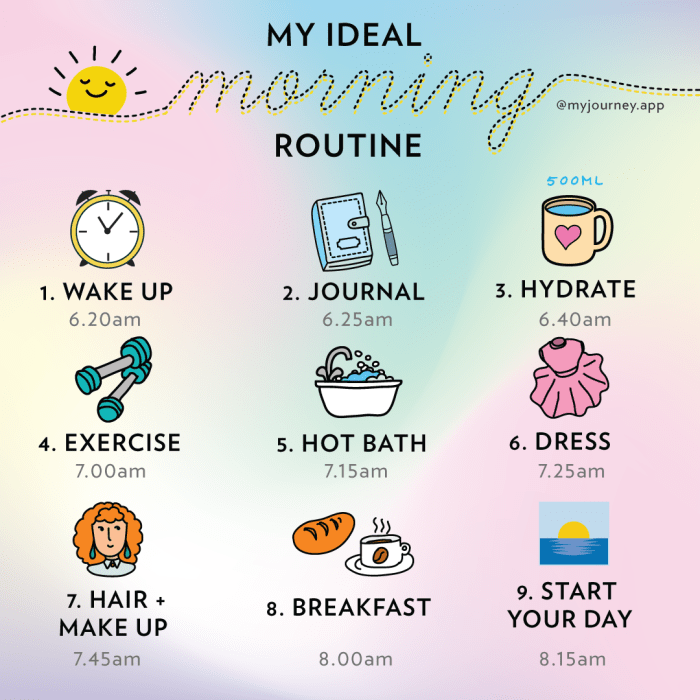
Best morning routines for mental clarity and peak performance – Starting your day with a well-structured morning routine can significantly enhance your mental clarity and overall performance. By incorporating a few key elements into your morning, you can set yourself up for a day of focus, productivity, and well-being.

From prioritizing hydration and nutrition to engaging in mindfulness practices and incorporating physical activity, a thoughtfully designed morning routine can help you achieve a sense of calm and focus, leading to increased energy levels, improved mood, and enhanced cognitive function.

This article will explore a comprehensive approach to building a morning routine that empowers you to achieve peak performance and mental clarity.

The Importance of a Morning Routine

Best morning routines for mental clarity and peak performance

A morning routine is a set of activities you perform consistently each day upon waking up. It acts as a framework for your day, setting the tone for productivity, focus, and overall well-being.

Benefits of a Morning Routine

A consistent morning routine offers numerous benefits for mental clarity and peak performance. It provides structure and predictability, helping you start your day with intention and purpose. By establishing a routine, you can reduce stress, improve focus, and enhance your overall productivity.

How a Morning Routine Reduces Stress

A morning routine can significantly reduce stress levels. When you wake up and follow a set of familiar activities, your mind and body know what to expect, reducing the uncertainty and anxiety that can often accompany mornings.

How a Morning Routine Improves Focus

A consistent morning routine helps improve focus by training your brain to transition from sleep to a state of alertness and readiness. By engaging in activities that require concentration, such as meditation or journaling, you can prime your mind for optimal focus throughout the day.

Tips for Creating a Personalized Morning Routine

Creating a personalized morning routine involves identifying your individual needs and preferences. It’s about finding a balance between activities that energize you and those that promote relaxation and mindfulness.

  • Start Small:Begin with a few simple activities and gradually add more as you feel comfortable. Avoid overwhelming yourself with too many changes at once.
  • Prioritize:Identify the most important activities for your well-being and focus. These could include things like exercise, meditation, or spending time in nature.
  • Be Flexible:Life is unpredictable, so be prepared to adjust your routine as needed. If something unexpected comes up, don’t stress about it. Simply get back on track as soon as possible.
  • Experiment:Don’t be afraid to try new things and see what works best for you. There’s no one-size-fits-all approach to morning routines.

Mindfulness and Meditation

Starting your day with mindfulness and meditation can significantly enhance your mental clarity and overall well-being. By incorporating these practices into your morning routine, you can cultivate a sense of calm, focus, and emotional resilience, setting the stage for a more productive and fulfilling day.

Benefits of Mindfulness in the Morning

Mindfulness, the practice of paying attention to the present moment without judgment, offers numerous benefits when integrated into your morning routine. These benefits include:

  • Reduced Stress and Anxiety:Mindfulness helps to calm the nervous system, reducing the production of stress hormones like cortisol. By focusing on the present moment, you can detach from worries about the past or future, promoting a sense of peace and tranquility.
  • Improved Emotional Regulation:Mindfulness allows you to become more aware of your emotions as they arise, without judgment or overreaction. This increased self-awareness empowers you to manage your emotions more effectively, reducing impulsivity and promoting emotional stability.
  • Enhanced Focus and Concentration:By training your mind to stay present, mindfulness strengthens your ability to focus and concentrate on tasks. This improved attention span can lead to increased productivity and efficiency throughout your day.
  • Increased Self-Awareness:Mindfulness cultivates self-reflection and introspection, allowing you to gain a deeper understanding of your thoughts, feelings, and behaviors. This self-awareness can help you make more conscious choices and live a more authentic life.

Simple Meditation Techniques

Meditation is a powerful tool for cultivating mindfulness. Here are some simple techniques that can be easily incorporated into your morning routine:

  • Focused Breathing:Find a comfortable seated position and close your eyes. Focus your attention on your breath, noticing the sensation of each inhale and exhale. If your mind wanders, gently bring it back to your breath.
  • Body Scan Meditation:Starting with your toes, slowly scan your body, paying attention to any sensations you feel. Notice the feeling of your feet on the floor, the tension in your muscles, or the warmth of your skin.
  • Mindful Walking:Take a slow walk, paying attention to the sensations of your feet on the ground, the movement of your body, and the sights and sounds around you.

Mindfulness and Stress Reduction

Mindfulness is a powerful tool for managing stress. By cultivating present moment awareness, you can detach from the constant stream of thoughts and worries that often fuel stress. This detachment allows you to observe your stress response with greater clarity, enabling you to choose more constructive responses.

  • Interrupting the Stress Cycle:Mindfulness helps to interrupt the automatic, often negative, thought patterns that contribute to stress. By focusing on the present moment, you can break free from the cycle of worry and anxiety.
  • Shifting Perspective:Mindfulness allows you to step back from stressful situations and gain a broader perspective. This shift in perspective can help you to see things more objectively and respond with greater composure.
  • Developing Emotional Resilience:Regular mindfulness practice strengthens your emotional resilience, making you better equipped to handle stressful situations. This resilience allows you to bounce back from challenges more easily and maintain a sense of well-being.

Goal Setting and Planning

A well-structured morning routine can be significantly enhanced by incorporating goal setting and planning. By setting realistic and achievable goals and strategically planning your day, you can improve focus, productivity, and overall well-being.

Benefits of Planning

Planning your day in advance offers several benefits, including:

  • Increased Productivity:Planning helps you prioritize tasks and allocate time efficiently, leading to increased productivity.
  • Reduced Stress:Knowing what needs to be done and when eliminates the stress of last-minute scrambling and helps you feel more in control.
  • Improved Focus:Having a clear plan helps you stay focused on the most important tasks, minimizing distractions and maximizing your time.
  • Enhanced Time Management:Planning allows you to allocate time for both work and personal activities, ensuring a balanced schedule.

Setting Realistic Goals

Setting realistic and achievable goals is crucial for success.

  • SMART Goals:A popular framework for goal setting is the SMART method:
    • Specific: Define your goals clearly and precisely, avoiding vague or general statements.
    • Measurable: Establish ways to track progress and measure your success.
    • Attainable: Ensure your goals are challenging but achievable, setting you up for success.
    • Relevant: Align your goals with your overall objectives and values.
    • Time-Bound: Set deadlines for your goals to provide a sense of urgency and accountability.
  • Break Down Large Goals:Divide large, overwhelming goals into smaller, more manageable steps. This makes them less daunting and helps you track progress more easily.
  • Focus on Progress, Not Perfection:Celebrate small wins along the way, focusing on progress rather than striving for unattainable perfection.

Planning Your Day

Here are some tips for effective daily planning:

  • Prioritize Tasks:Identify the most important tasks for the day and focus on completing them first.
  • Time Blocking:Allocate specific time blocks for different tasks or activities, maximizing your time and minimizing distractions.
  • Use a Planner or App:Utilize a planner or app to organize your schedule, set reminders, and track your progress.
  • Review and Adjust:Regularly review your plan and make adjustments as needed. Flexibility is key to adapting to changing circumstances.

Goal Setting and Planning for Productivity

Goal setting and planning can significantly enhance productivity by:

  • Clear Direction:Goals provide a clear direction and purpose for your efforts, motivating you to stay focused and productive.
  • Increased Motivation:Achieving goals can be very motivating, providing a sense of accomplishment and driving you to continue striving for success.
  • Enhanced Focus:Planning helps you eliminate distractions and focus on the most important tasks, maximizing your productivity and minimizing wasted time.
  • Improved Time Management:Planning allows you to allocate time efficiently, ensuring you have enough time for all your tasks and activities.

Mental Resilience

Best morning routines for mental clarity and peak performance

Mental resilience is the ability to bounce back from adversity, adapt to change, and maintain a positive outlook in the face of challenges. It’s a crucial skill for navigating the ups and downs of daily life, enabling us to cope with stress, setbacks, and difficult situations.

Building Mental Resilience, Best morning routines for mental clarity and peak performance

Developing mental resilience is an ongoing process that involves cultivating a range of mental and emotional skills. Here are some practical strategies for building mental resilience:

Positive Self-Talk

Positive self-talk involves replacing negative thoughts with positive and encouraging ones. It’s about being kind to yourself, acknowledging your strengths, and reframing challenges as opportunities for growth.

Gratitude Practices

Gratitude practices involve focusing on the good things in your life, no matter how small. This can involve keeping a gratitude journal, expressing thanks to others, or simply taking time to appreciate the positive aspects of your day.

Mindfulness and Meditation

Mindfulness and meditation help you to become more aware of your thoughts, feelings, and sensations in the present moment. By practicing mindfulness, you can learn to observe your thoughts without judgment and develop a greater sense of calm and self-awareness.

Stress Management Techniques

Stress can significantly impact mental resilience. It’s important to develop healthy coping mechanisms for managing stress, such as exercise, relaxation techniques, or spending time in nature.

Social Support

Strong social connections are essential for mental well-being. Surrounding yourself with supportive friends, family, or a community can provide a sense of belonging, reduce feelings of isolation, and help you navigate difficult times.

Goal Setting and Planning

Having clear goals and a plan for achieving them can provide a sense of purpose and direction. It can also help you stay focused and motivated, even when facing challenges.

Acceptance

Acceptance involves acknowledging and embracing reality, even when it’s difficult. It’s about letting go of the need to control everything and learning to adapt to situations that are beyond your control.

Flexibility and Adaptability

Life is full of unexpected changes and challenges. Being flexible and adaptable means being able to adjust your plans and expectations as needed. It’s about embracing change and finding new ways to navigate difficult situations.

Self-Care

Self-care is essential for maintaining mental resilience. It involves taking care of your physical, emotional, and mental health through activities such as getting enough sleep, eating a healthy diet, and engaging in enjoyable activities.

Final Wrap-Up

By embracing the principles Artikeld in this guide, you can create a morning routine that empowers you to achieve mental clarity, peak performance, and a greater sense of well-being. Remember, consistency is key. As you establish and refine your routine, you’ll discover the transformative power of starting your day with intention and purpose.

FAQ Corner: Best Morning Routines For Mental Clarity And Peak Performance

How long should my morning routine be?

The ideal length of your morning routine depends on your individual needs and preferences. Start with a shorter routine and gradually add activities as you become more comfortable.

What if I don’t have time for a morning routine?

Even a few minutes dedicated to a simple routine can make a difference. Start small and prioritize the activities that bring you the most benefit.

Is it okay to adjust my morning routine?

Absolutely! Your morning routine should be adaptable to your changing needs and preferences. Experiment with different activities and find what works best for you.

Foods that boost mental clarity and focus: Enhance cognitive function with these top foods

Foods that boost mental clarity and focus

Foods that boost mental clarity and focus

Foods that boost mental clarity and focus – When it comes to enhancing cognitive function, certain foods have been shown to be particularly beneficial. Incorporating these foods into your diet can help improve mental clarity and focus by providing essential nutrients that support brain health.

Top Foods for Mental Clarity and Focus

Adding the following foods to your diet can aid in boosting cognitive function:

  • Fatty fish like salmon, trout, and sardines are rich in omega-3 fatty acids, which are essential for brain health and function.
  • Blueberries are packed with antioxidants that have been linked to improved brain function and delay in age-related cognitive decline.
  • Broccoli is a great source of vitamin K, which is known to enhance cognitive function and improve brainpower.
  • Pumpkin seeds are high in iron, zinc, magnesium, and copper, all of which play a role in supporting brain health and function.

Benefits of Incorporating These Foods

  • Improved memory and focus
  • Enhanced cognitive function
  • Reduced risk of neurodegenerative diseases
  • Increased mental clarity and alertness

How These Foods Work

Omega-3 fatty acids found in fatty fish help build cell membranes in the brain, promoting optimal brain function. Antioxidants in blueberries protect the brain from oxidative stress and inflammation, while vitamin K in broccoli supports the formation of sphingolipids, a type of fat densely packed into brain cells. The nutrients in pumpkin seeds help regulate neurotransmitters, which are essential for communication between brain cells.

Stress Management

Effective stress management techniques play a crucial role in promoting mental clarity and focus. By implementing strategies to reduce stress levels, individuals can experience a significant improvement in their cognitive function and overall well-being.

Deep Breathing Exercises

  • Deep breathing exercises are a powerful tool to combat stress and anxiety. By focusing on slow, deep breaths, individuals can activate their body’s relaxation response and reduce the impact of stress on their mental clarity.
  • Practicing deep breathing exercises regularly can help individuals manage their stress levels more effectively, leading to improved cognitive function and enhanced focus.

Regular Physical Activity

  • Engaging in regular physical activity has been shown to reduce stress levels and promote mental clarity. Exercise releases endorphins, which are natural mood elevators that can help combat the negative effects of stress on cognitive function.
  • By incorporating physical activity into their daily routine, individuals can enhance their ability to manage stress and improve their overall mental well-being.

Mindfulness Meditation

  • Practicing mindfulness meditation allows individuals to focus on the present moment and cultivate a sense of awareness and calm. By reducing distractions and promoting relaxation, mindfulness meditation can help lower stress levels and enhance mental clarity.
  • Regular practice of mindfulness meditation has been linked to improved cognitive function and increased ability to concentrate, making it a valuable tool for stress management.

Healthy Lifestyle

Maintaining a healthy lifestyle is essential for promoting mental clarity and focus. The choices we make in our daily routines can have a significant impact on our cognitive function and overall well-being.

Components of a Healthy Lifestyle that Promote Mental Clarity

  • Regular Exercise: Physical activity helps increase blood flow to the brain, improving cognitive function and reducing mental fatigue.
  • Healthy Diet: Consuming nutrient-rich foods like fruits, vegetables, whole grains, and omega-3 fatty acids can support brain health and enhance focus.
  • Adequate Sleep: Getting enough rest is crucial for cognitive function, memory consolidation, and overall mental clarity.
  • Stress Management: Managing stress through relaxation techniques, mindfulness, or hobbies can help reduce mental fog and improve focus.

Examples of Habits that Support Cognitive Function

  • Practicing Mindfulness: Engaging in activities like meditation or deep breathing exercises can help enhance focus and reduce distractions.
  • Staying Hydrated: Drinking enough water throughout the day is essential for optimal brain function and mental clarity.
  • Engaging in Brain-Boosting Activities: Solving puzzles, reading, or learning new skills can help keep the mind sharp and improve cognitive abilities.

How Lifestyle Choices Can Influence Mental Focus

  • Consistent Healthy Habits: Adopting a routine that includes regular exercise, balanced nutrition, quality sleep, and stress management can positively impact mental focus.
  • Limiting Distractions: Creating a conducive environment for work or study by minimizing distractions can help enhance concentration and productivity.
  • Building Resilience: Developing coping mechanisms for stress and setbacks can improve mental clarity and focus during challenging situations.

Medical Innovations

Foods that boost mental clarity and focus
In recent years, there have been significant advancements in medical innovations aimed at enhancing mental clarity and cognitive performance. These innovations have the potential to revolutionize the way we approach mental health and well-being.

Role of Technology in Improving Cognitive Performance

  • Brain-Computer Interfaces (BCIs): BCIs are devices that allow direct communication between the brain and an external device. They have shown promising results in enhancing cognitive functions and improving mental focus.
  • Virtual Reality (VR) Therapy: VR technology is being used to create immersive environments for cognitive training and therapy. It has been proven effective in enhancing memory, attention, and overall cognitive performance.
  • Neurofeedback: Neurofeedback technology enables individuals to regulate their brain activity through real-time feedback. This innovation has been used to improve focus, attention, and mental clarity.

Benefits of Medical Advancements for Mental Focus, Foods that boost mental clarity and focus

  • Personalized Treatments: With advancements in precision medicine, individuals can receive personalized treatments tailored to their unique brain chemistry and cognitive needs, leading to better outcomes in terms of mental focus and clarity.
  • Non-Invasive Interventions: Many of the latest medical innovations focus on non-invasive interventions that are safe and effective in enhancing cognitive performance without the need for invasive procedures or medications.
  • Early Detection and Intervention: Medical advancements have enabled early detection of cognitive impairments and disorders, allowing for timely interventions that can prevent further decline and improve mental focus in the long run.

Nutritional Supplements

In today’s fast-paced world, many people turn to nutritional supplements to enhance their cognitive function and boost mental clarity. These supplements are designed to provide essential nutrients that support brain health and improve focus.

Popular Supplements for Mental Clarity

  • Omega-3 Fatty Acids: Known for their anti-inflammatory properties, omega-3 fatty acids like DHA and EPA are essential for brain health and cognitive function.
  • Vitamin B Complex: B vitamins, such as B6, B9 (folate), and B12, play a crucial role in neurotransmitter synthesis and brain function.
  • Caffeine: A natural stimulant found in coffee and tea, caffeine can improve alertness, concentration, and cognitive performance.
  • Ginkgo Biloba: Derived from the leaves of the ginkgo tree, this herbal supplement is believed to enhance memory and cognitive function.

How Supplements Enhance Cognitive Function

Supplements that boost mental clarity work by providing the brain with essential nutrients that support optimal function. Omega-3 fatty acids, for example, help maintain the integrity of cell membranes in the brain, while B vitamins play a key role in energy production and neurotransmitter synthesis. Caffeine acts as a stimulant, increasing alertness and improving focus, while ginkgo biloba may enhance blood flow to the brain, supporting memory and cognitive function.

Importance of Consulting a Healthcare Provider

Before incorporating any nutritional supplements into your routine, it is crucial to consult a healthcare provider. While supplements can offer benefits, they may also interact with medications or have side effects. A healthcare provider can help determine the right supplements for your individual needs and ensure they are safe and effective for you.

Fitness Routine

Regular physical exercise is not only beneficial for your physical health but also plays a crucial role in improving mental clarity and focus. Engaging in a fitness routine can help enhance cognitive function, reduce stress, and boost overall brain health.

Relationship between Physical Exercise and Mental Clarity

Physical exercise has been shown to increase blood flow to the brain, which can help improve cognitive function and mental clarity. Exercise also triggers the release of endorphins, which are known as “feel-good” hormones that can help reduce stress and anxiety, leading to better focus and concentration.

Examples of Exercises to Improve Cognitive Function

  • Cardiovascular exercises like running, swimming, or cycling can increase oxygen flow to the brain and promote the growth of new brain cells.
  • Strength training exercises such as weightlifting can help improve memory, problem-solving skills, and overall cognitive abilities.
  • Yoga and Pilates are great for enhancing focus, reducing stress, and improving mental clarity through mindfulness and breathing techniques.

Enhancement of Focus through Regular Physical Activity

Regular physical activity can enhance focus by improving overall brain function, increasing neurotransmitter levels, and boosting cognitive performance. By incorporating a consistent fitness routine into your lifestyle, you can experience improved concentration, better memory retention, and enhanced mental clarity in various aspects of your daily life.

Health Screenings

Maintaining mental clarity is crucial for overall well-being and cognitive function. Health screenings play a vital role in ensuring that any underlying health issues are detected early, which can significantly impact cognitive health.

Early detection of health problems through routine screenings can help prevent cognitive decline by addressing issues before they progress. Conditions such as high blood pressure, diabetes, and cholesterol levels can all affect cognitive function if left untreated. Regular health screenings can help monitor these factors and prevent them from impacting mental clarity.

Recommendations for Routine Health Screenings

  • Annual physical exams: Regular check-ups with your primary care physician can help detect any underlying health issues early on.
  • Blood pressure screenings: Monitoring blood pressure levels regularly can help prevent conditions such as hypertension, which can impact cognitive function.
  • Cholesterol screenings: Checking cholesterol levels can help prevent cardiovascular issues that may affect brain health.
  • Blood sugar tests: Monitoring blood sugar levels is essential for preventing conditions like diabetes, which can impact cognitive function.
  • Eye exams: Regular eye check-ups can detect conditions like glaucoma, cataracts, or other eye-related issues that may affect cognitive health.

Disease Prevention

In order to maintain optimal cognitive function, it is crucial to address disease prevention strategies that can help reduce the risk of cognitive decline and promote mental clarity.

Link Between Diseases and Cognitive Function

Certain diseases such as Alzheimer’s, Parkinson’s, and cardiovascular issues have been linked to cognitive decline. These conditions can impact memory, decision-making abilities, and overall mental clarity. It is essential to understand the connection between these diseases and cognitive function in order to take proactive steps towards prevention.

Preventive Measures for Cognitive Decline

– Engage in regular physical exercise to improve blood flow to the brain and reduce the risk of cognitive decline.
– Follow a balanced diet rich in antioxidants, omega-3 fatty acids, and brain-boosting nutrients to support cognitive health.
– Stay mentally active by engaging in activities that challenge the brain, such as puzzles, reading, or learning a new skill.
– Manage stress levels through relaxation techniques like meditation, yoga, or deep breathing exercises to protect cognitive function.

Promoting Mental Clarity through Disease Prevention

By implementing these preventive measures, individuals can reduce the risk of developing diseases that negatively impact cognitive function. Maintaining a healthy lifestyle, staying physically and mentally active, and managing stress effectively can all contribute to promoting mental clarity and overall cognitive well-being.

Sleep Hygiene

Quality sleep is crucial for maintaining mental clarity and focus. Adequate rest allows the brain to recharge, consolidate memories, and regulate emotions, all of which contribute to cognitive function. Poor sleep hygiene can disrupt these processes and lead to decreased mental acuity.

Importance of Quality Sleep

Quality sleep is essential for optimal cognitive performance. It allows the brain to process information efficiently, enhances problem-solving abilities, and improves concentration and focus.

  • Aim for 7-9 hours of sleep per night to support cognitive function.
  • Establish a consistent sleep schedule by going to bed and waking up at the same time every day.
  • Create a relaxing bedtime routine to signal to your body that it’s time to sleep.
  • Avoid stimulants like caffeine and electronic devices before bedtime to promote better sleep quality.

Impact of Sleep Deprivation

Sleep deprivation can have serious consequences on mental focus and clarity. It impairs cognitive function, memory, and decision-making abilities, making it harder to concentrate and perform tasks effectively.

Chronic sleep deprivation can lead to long-term cognitive decline and increased risk of developing neurological disorders.

Hydration Importance

Staying hydrated is crucial for overall health, but it also plays a significant role in brain function and mental clarity.

The Role of Hydration in Brain Function

  • Water is essential for maintaining proper brain function as it helps transport nutrients and oxygen to the brain cells.
  • Dehydration can lead to decreased cognitive abilities, difficulty concentrating, and memory problems.
  • Proper hydration is necessary to support neurotransmitter function, which is essential for optimal brain performance.

Effects of Dehydration on Cognitive Performance

  • Even mild dehydration can impair cognitive function, affecting decision-making and mood.
  • Studies have shown that dehydration can lead to increased feelings of fatigue and decreased alertness.
  • Dehydration can also impact short-term memory and overall cognitive performance.

Recommendations for Maintaining Optimal Hydration Levels

  • Drink at least 8-10 cups of water per day to ensure proper hydration.
  • Monitor your urine color – pale yellow indicates good hydration levels.
  • Include hydrating foods such as fruits and vegetables in your diet to supplement your water intake.
  • Avoid excessive caffeine and alcohol consumption, as they can contribute to dehydration.
  • Carry a reusable water bottle with you to remind yourself to drink water throughout the day.

Popular Questions: Foods That Boost Mental Clarity And Focus

What are some top foods that boost mental clarity and focus?

Some top foods include blueberries, fatty fish like salmon, nuts and seeds, and dark leafy greens.

How do lifestyle choices influence mental focus?

Healthy lifestyle choices such as regular exercise, quality sleep, and stress management can positively impact mental focus by supporting brain function.

Is it necessary to consult a healthcare provider before taking nutritional supplements for mental clarity?

Yes, consulting a healthcare provider is important before taking any supplements to ensure they are safe and suitable for your individual health needs.

Can dehydration affect cognitive performance?

Dehydration can indeed impact cognitive performance, leading to issues with focus, concentration, and overall mental clarity. Staying hydrated is crucial for optimal brain function.

How does sleep hygiene relate to mental clarity?

Quality sleep is essential for mental clarity as it allows the brain to rest and recharge. Improving sleep hygiene through good habits can significantly enhance cognitive function.