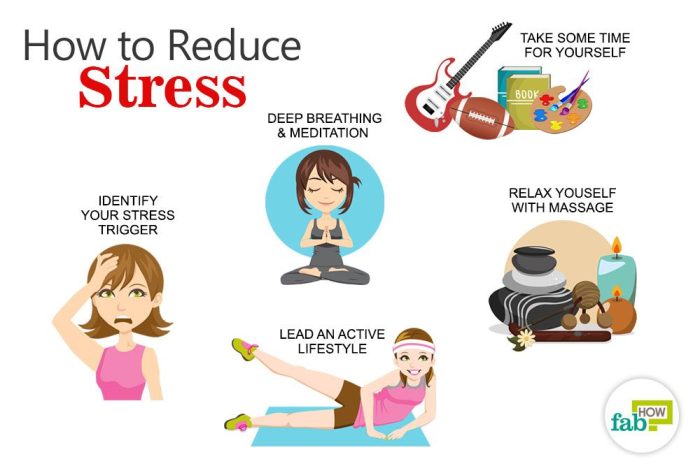
Healthy lifestyle tips for reducing stress: Strategies for a Balanced Life

Healthy lifestyle tips for reducing stress

Stress Management

Healthy lifestyle tips for reducing stress – Stress is a common part of daily life, but when left unchecked, it can have serious consequences on our overall health and well-being. Learning how to effectively manage stress is crucial for maintaining a healthy lifestyle.

Strategies for Managing Stress Effectively

  • Acknowledge your stress triggers and try to avoid them when possible.
  • Practice relaxation techniques such as deep breathing, meditation, or yoga.
  • Exercise regularly to reduce stress and improve mood.
  • Get an adequate amount of sleep to help your body recover from daily stressors.
  • Connect with others and build a strong support system to help you cope with stress.

Importance of Stress Reduction in Maintaining Overall Health

Chronic stress can lead to a variety of health issues, including high blood pressure, heart disease, and weakened immune system. By effectively managing stress, you can lower your risk of developing these conditions and improve your overall quality of life.

Techniques for Coping with Stress in Daily Life

  • Practice mindfulness and stay present in the moment to reduce anxiety and worry.
  • Take breaks throughout the day to relax and recharge your mind and body.
  • Set boundaries and learn to say no to tasks or commitments that may cause unnecessary stress.
  • Engage in activities you enjoy and that help you unwind, such as reading, listening to music, or spending time in nature.
  • Seek professional help if you feel overwhelmed and unable to cope with stress on your own.

Healthy Lifestyle
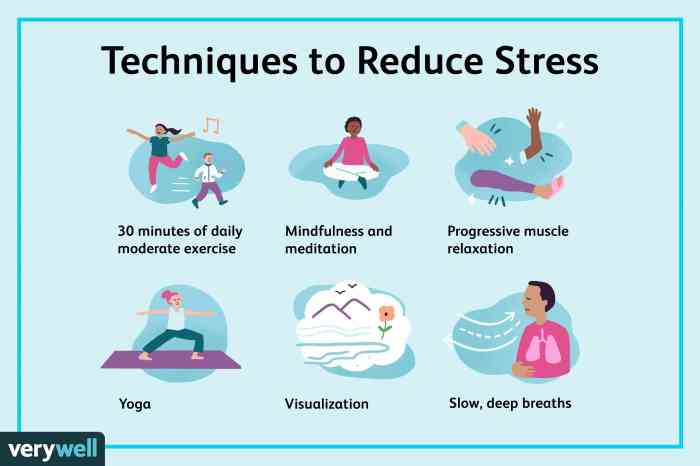
Healthy lifestyle tips for reducing stress

Living a healthy lifestyle is crucial for reducing stress levels and promoting overall well-being. When we take care of our bodies and minds through healthy habits, we are better equipped to handle the challenges and pressures of daily life.

Impact of Diet and Exercise

What we eat and how active we are play a significant role in managing stress. A balanced diet rich in fruits, vegetables, whole grains, and lean proteins can provide the necessary nutrients to support our mental and physical health. Regular exercise, whether it’s a brisk walk, yoga, or weight training, helps release endorphins that act as natural stress relievers.

Role of Hobbies and Leisure Activities

Engaging in hobbies and leisure activities is an essential part of a healthy lifestyle. These activities provide a break from the daily routine and allow us to relax and unwind. Whether it’s painting, gardening, playing a musical instrument, or simply taking a nature walk, hobbies can reduce stress and boost mood by providing a creative outlet and a sense of accomplishment.

Medical Innovations

In the ever-evolving field of medicine, there have been remarkable innovations aimed at reducing stress and improving overall well-being. These advancements offer new possibilities for managing stress-related conditions more effectively than ever before.

Modern Technological Solutions

  • Virtual Reality Therapy: Virtual reality technology has been increasingly used as a tool for stress reduction. By immersing individuals in calming and peaceful virtual environments, VR therapy can help alleviate stress and anxiety.
  • Mobile Apps for Mindfulness: With the rise of smartphone technology, there has been a surge in mobile applications designed to promote mindfulness and meditation. These apps offer guided sessions, breathing exercises, and relaxation techniques to help users manage stress on the go.
  • Biofeedback Devices: Biofeedback tools provide real-time data on physiological responses such as heart rate, breathing patterns, and muscle tension. By monitoring these indicators, individuals can learn to control their stress responses through techniques like deep breathing and muscle relaxation.

Traditional Methods vs. Modern Interventions, Healthy lifestyle tips for reducing stress

  • While traditional methods such as yoga, meditation, and deep breathing exercises have long been practiced for stress relief, modern interventions like virtual reality therapy and biofeedback devices offer a more targeted and personalized approach.
  • Traditional methods rely on self-discipline and practice, whereas modern interventions leverage technology to provide immediate feedback and support in stress management.
  • Both traditional and modern approaches have their benefits, and the effectiveness of interventions may vary depending on individual preferences and needs.

Nutritional Supplements

Healthy lifestyle tips for reducing stress

When it comes to reducing stress, incorporating key nutritional supplements into your diet can play a significant role in supporting stress management and overall well-being.

Vitamins and Minerals for Stress Management

  • Vitamin B Complex: Essential for nerve function and energy production, vitamin B complex can help reduce stress and anxiety.
  • Magnesium: Known as the relaxation mineral, magnesium can help calm the nervous system and promote relaxation.
  • Omega-3 Fatty Acids: Found in fish oil, omega-3 fatty acids have been shown to reduce anxiety and improve mood.

Importance of a Balanced Diet

A balanced diet rich in fruits, vegetables, whole grains, lean proteins, and healthy fats is crucial for reducing stress and promoting overall well-being. Nutrient-dense foods can provide the vitamins and minerals necessary for optimal stress management.

Fitness Routine

Regular physical activity is a key component of a healthy lifestyle, especially when it comes to managing stress. Engaging in a fitness routine not only helps improve your physical health but also has a positive impact on your mental well-being. Here are some effective fitness routines for stress relief:

Cardiovascular Exercises

  • Running or jogging: These high-intensity exercises can help release endorphins, also known as the “feel-good” hormones, which can reduce stress and improve mood.
  • Cycling: Whether outdoor or indoor, cycling is a great way to get your heart pumping and clear your mind.
  • Dancing: Joining a dance class or simply dancing to your favorite music can be a fun and effective way to relieve stress.

Strength Training

  • Weightlifting: Building muscle strength through weightlifting not only benefits your physical health but also helps boost your confidence and reduce stress levels.
  • Bodyweight exercises: Push-ups, squats, and planks are great examples of bodyweight exercises that can be done anywhere and are effective in reducing stress.

Mind-Body Exercises

  • Yoga: Practicing yoga combines physical postures, breathing techniques, and meditation to promote relaxation and reduce stress.
  • Pilates: Pilates focuses on core strength, flexibility, and body awareness, providing a low-impact yet effective workout for stress relief.

Health Screenings

Regular health screenings play a crucial role in stress prevention by allowing early detection of potential health issues. This proactive approach can significantly reduce stress and anxiety levels by addressing problems before they escalate.

Importance of Regular Health Screenings

Health screenings are essential for maintaining overall well-being and preventing serious health conditions. By monitoring key indicators such as blood pressure, cholesterol levels, and blood sugar, individuals can take proactive steps to address any abnormalities and reduce the risk of developing chronic diseases.

  • Regular screenings can detect health issues in their early stages when they are more treatable, leading to better outcomes and reduced stress associated with managing advanced conditions.
  • Screenings provide valuable information about individual health status, helping healthcare providers tailor personalized preventive strategies to maintain a healthy lifestyle and minimize stress.
  • Early detection through screenings can lead to timely interventions, reducing the need for invasive treatments and minimizing the emotional burden of dealing with severe health problems.

Disease Prevention

Preventing diseases not only improves physical health but also plays a crucial role in reducing stress levels. By taking proactive measures to maintain overall well-being, individuals can minimize the risk of developing chronic illnesses, thus alleviating the mental burden associated with health concerns.

Examples of Preventive Measures

  • Engaging in regular physical activity, such as daily exercise or yoga, can boost the immune system and reduce the likelihood of heart disease, diabetes, and other conditions.
  • Following a balanced diet rich in fruits, vegetables, whole grains, and lean proteins can help control weight, blood pressure, and cholesterol levels, lowering the risk of obesity and related health issues.
  • Getting sufficient sleep each night is essential for proper body functioning and can enhance the body’s ability to fight off infections and manage stress effectively.
  • Participating in regular health screenings and check-ups enables early detection of potential health problems, allowing for timely intervention and treatment.

Impact of Lifestyle Choices

Lifestyle choices have a profound impact on disease prevention and stress reduction. By adopting healthy habits and making informed decisions regarding diet, exercise, sleep, and medical care, individuals can significantly decrease their susceptibility to chronic illnesses. These proactive steps not only promote physical well-being but also contribute to emotional resilience and overall quality of life.

Sleep Hygiene

Sleep hygiene refers to a set of practices and habits that are conducive to getting a good night’s sleep on a regular basis. These practices play a crucial role in maintaining overall health and well-being, including managing stress levels.

Tips for Improving Sleep Quality

Improving sleep quality can have a significant impact on reducing stress and anxiety. Here are some tips to enhance your sleep hygiene:

  • Avoid caffeine, nicotine, and alcohol close to bedtime as they can disrupt sleep patterns.
  • Establish a consistent bedtime routine to signal to your body that it’s time to wind down.
  • Create a comfortable sleep environment by keeping your bedroom cool, dark, and quiet.
  • Avoid screen time before bed, as the blue light emitted from devices can interfere with the production of melatonin.
  • Engage in relaxation techniques such as deep breathing exercises or meditation to calm the mind before sleep.

Relationship Between Sleep Patterns and Well-being

Quality sleep is essential for overall well-being as it allows the body to repair and rejuvenate. Disrupted sleep patterns can lead to increased stress, irritability, and difficulty concentrating. By prioritizing good sleep hygiene practices, you can improve your sleep quality and enhance your overall health and wellness.

Mental Clarity

Having mental clarity is crucial for effectively managing stress and maintaining overall well-being. It allows individuals to focus on tasks, make sound decisions, and navigate challenges with a clear mind. By enhancing mental clarity, one can reduce cognitive load and improve cognitive function, leading to a more balanced and calm state of mind.

Techniques for Enhancing Mental Focus

There are various techniques that can help enhance mental focus and promote mental clarity:

  • Avoid multitasking and focus on one task at a time to improve concentration.
  • Practice deep breathing exercises to calm the mind and increase oxygen flow to the brain.
  • Engage in regular physical exercise to boost cognitive function and enhance mental clarity.
  • Allocate time for relaxation and mindfulness practices such as meditation to reduce stress and improve mental focus.

Mindfulness Practices for Promoting Mental Clarity

Mindfulness practices are effective in promoting mental clarity and emotional well-being:

  • Practice mindfulness meditation to increase awareness of thoughts and emotions, leading to better focus and clarity.
  • Engage in mindful breathing exercises to center the mind and reduce distractions.
  • Practice gratitude daily to shift focus from stressors to positive aspects of life, promoting mental clarity and emotional balance.
  • Use visualization techniques to enhance mental focus and clarity by picturing goals and desired outcomes.

Hydration Importance: Healthy Lifestyle Tips For Reducing Stress

Maintaining proper hydration levels is crucial for managing stress and supporting overall health. Dehydration can exacerbate feelings of stress and anxiety, making it essential to prioritize adequate fluid intake throughout the day.

Guidelines for Proper Hydration

  • Drink at least 8-10 cups of water per day, more if you are physically active or live in a hot climate.
  • Carry a reusable water bottle with you to ensure easy access to water throughout the day.
  • Monitor your urine color – light yellow or clear urine indicates proper hydration.
  • Avoid excessive consumption of caffeinated or sugary beverages, as they can contribute to dehydration.

Impact of Dehydration on Stress Levels

Dehydration can lead to increased cortisol levels, the stress hormone, which can intensify feelings of anxiety and tension. Inadequate hydration can also impair cognitive function, making it harder to cope with stressors effectively.

Remember, staying hydrated is not only important for physical health but also plays a significant role in managing stress and promoting overall well-being.

Helpful Answers

How important is exercise in reducing stress?

Exercise plays a crucial role in reducing stress by releasing endorphins, which are natural mood lifters. It also helps in improving overall physical and mental well-being.

Can diet really impact stress levels?

Yes, a balanced diet rich in nutrients can help in reducing stress. Certain foods like complex carbohydrates, omega-3 fatty acids, and fruits and vegetables have been linked to lower stress levels.

Are there any quick relaxation techniques for managing stress?

Yes, deep breathing exercises, meditation, and progressive muscle relaxation are quick relaxation techniques that can help in reducing stress and promoting relaxation.

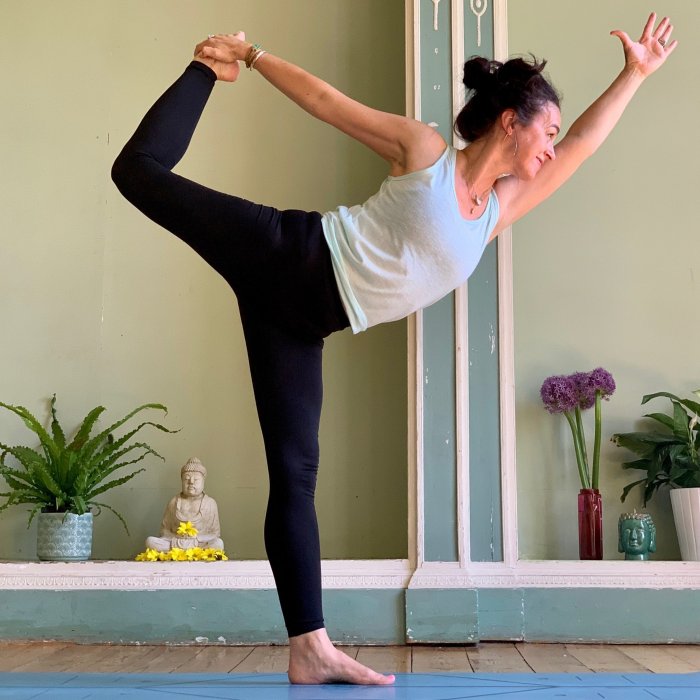
Yoga poses for a balanced healthy lifestyle – Enhancing well-being through yoga

Yoga poses for a balanced healthy lifestyle

Yoga Poses for a Balanced Healthy Lifestyle

Yoga poses for a balanced healthy lifestyle
Yoga plays a crucial role in maintaining a balanced and healthy lifestyle by promoting physical and mental well-being. It combines physical postures, breathing techniques, and meditation to improve overall health and wellness.

The Importance of Yoga in Maintaining Balance and Health

  • Yoga helps reduce stress and anxiety levels, promoting relaxation and mental clarity.
  • It improves flexibility, strength, and posture, leading to better physical health.
  • Yoga poses can enhance concentration and focus, benefiting cognitive function.

Examples of Yoga Poses for Physical and Mental Well-being

  • Child’s Pose (Balasana): This pose stretches the back, hips, thighs, and ankles, promoting relaxation and relieving stress.
  • Warrior II Pose (Virabhadrasana II): Helps build stamina, balance, and concentration while strengthening the legs and opening the chest.
  • Tree Pose (Vrikshasana): Improves balance, concentration, and posture while strengthening the legs and ankles.

Incorporating Yoga into Daily Routine for Overall Health

  • Practicing yoga daily can improve flexibility, strength, and mental clarity over time.
  • It can help reduce the risk of chronic conditions such as heart disease, high blood pressure, and depression.
  • Yoga can be a valuable tool for managing stress and promoting a sense of well-being in daily life.

Stress Management

Yoga poses for a balanced healthy lifestyle – Yoga is a powerful tool for managing stress in our daily lives. By incorporating specific yoga poses into our routine, we can effectively reduce stress levels and promote a sense of calm and relaxation.

Using yoga as a stress-relief technique offers a wide range of benefits for our overall well-being. It helps to release tension from the body, calm the mind, and improve our ability to cope with stressful situations. Yoga also promotes mindfulness and self-awareness, allowing us to better understand and manage our emotions.

Yoga Poses for Stress Management

  • Child’s Pose (Balasana): This relaxing pose helps to calm the mind and relieve stress by gently stretching the back and hips.
  • Corpse Pose (Savasana): Savasana promotes deep relaxation and reduces anxiety by allowing the body to rest and rejuvenate.
  • Bridge Pose (Setu Bandhasana): By opening the chest and shoulders, Bridge Pose helps to release stress and improve overall mood.

Healthy Lifestyle

Yoga plays a significant role in promoting a healthy lifestyle by incorporating physical, mental, and spiritual practices that contribute to overall well-being.

Benefits of Yoga for Enhancing Well-being

  • Improves flexibility, strength, and balance
  • Reduces stress and anxiety levels
  • Promotes relaxation and better sleep
  • Enhances focus, concentration, and mindfulness
  • Boosts immunity and overall energy levels

Relationship between Yoga Practice and Healthy Lifestyle

Regular practice of yoga can help individuals maintain a healthy lifestyle by cultivating self-awareness, discipline, and mindfulness. It encourages individuals to make healthier choices in terms of diet, lifestyle habits, and overall well-being. By integrating yoga into daily routines, individuals can experience a holistic approach to health that addresses physical, mental, and emotional aspects of well-being.

Medical Innovations

Yoga poses are increasingly being integrated into medical treatments and innovations due to their proven benefits on physical and mental health. The ancient practice of yoga is now gaining recognition in modern medical practices for its ability to complement traditional treatments and improve overall well-being.

Impact on Modern Medical Practices

Yoga has shown to have a positive impact on modern medical practices by providing additional therapeutic options for patients. Medical professionals are incorporating yoga poses into treatment plans to help manage various health conditions such as chronic pain, anxiety, depression, and even cardiovascular diseases. The practice of yoga not only promotes physical strength and flexibility but also aids in reducing stress levels and improving mental clarity.

  • Yoga as a complementary therapy: Medical professionals are recommending yoga as a complementary therapy alongside traditional medical treatments to enhance outcomes and promote holistic healing.
  • Stress management: Yoga has been proven to be effective in managing stress levels, which in turn can reduce the risk of developing stress-related illnesses such as hypertension and heart disease.
  • Improved mental health: Regular practice of yoga poses has been linked to improved mental health outcomes, including reduced symptoms of anxiety and depression.

Examples of Medical Advancements

The integration of yoga into modern medical practices has led to several noteworthy advancements in healthcare. Medical institutions and research studies have shown promising results in utilizing yoga as a therapeutic tool for various health conditions.

  1. Yoga for chronic pain management: Research has demonstrated the effectiveness of yoga in reducing chronic pain symptoms, particularly in conditions such as lower back pain, arthritis, and fibromyalgia.
  2. Yoga for cancer patients: Oncology centers are incorporating yoga into cancer treatment plans to help patients cope with the physical and emotional challenges of cancer diagnosis and treatment.
  3. Yoga for cardiovascular health: Studies have indicated that yoga can improve cardiovascular health by lowering blood pressure, reducing cholesterol levels, and promoting overall heart health.

Nutritional Supplements

Proper nutrition is essential for overall health and well-being, and when combined with a regular yoga practice, it can enhance the benefits of both. In some cases, it may be beneficial to incorporate nutritional supplements to ensure that the body receives all the necessary vitamins, minerals, and nutrients it needs to support a balanced and healthy lifestyle.

Benefits of Incorporating Supplements

Yoga practitioners can benefit from incorporating supplements into their routine as they can help fill any nutritional gaps that may exist in their diet. Supplements can provide additional support for energy levels, immune function, muscle recovery, and overall well-being. They can also aid in stress management and promote mental clarity and focus during yoga practice.

Examples of Nutritional Supplements

  • Protein Powder: Protein is essential for muscle repair and growth. Incorporating a protein powder supplement can help yoga practitioners meet their protein requirements, especially for those who follow a vegetarian or vegan diet.
  • Omega-3 Fatty Acids: Omega-3 fatty acids are known for their anti-inflammatory properties and benefits for heart health. Supplementing with fish oil or algae-based omega-3 can support joint health and reduce inflammation in the body.
  • Vitamin D: Many people have low levels of vitamin D, which is crucial for bone health, immune function, and mood regulation. Taking a vitamin D supplement can help maintain optimal levels, especially for those who have limited sun exposure.
  • Magnesium: Magnesium is important for muscle relaxation, stress reduction, and quality sleep. Supplementing with magnesium can support muscle recovery, relaxation, and overall well-being, making it beneficial for yoga practitioners.

Fitness Routine

Yoga poses can be seamlessly integrated into a fitness routine to enhance overall health and well-being. The combination of yoga with other forms of exercise can provide a holistic approach to fitness, offering numerous benefits to the body and mind.

Benefits of Combining Yoga with Other Forms of Exercise

  • Improves flexibility: Yoga helps increase flexibility in the muscles and joints, allowing for better range of motion during other types of physical activity.
  • Strengthens core muscles: Many yoga poses engage the core muscles, which can improve stability and balance in other workouts.
  • Reduces risk of injury: The focus on proper form and alignment in yoga can help prevent injuries during more intense forms of exercise.
  • Enhances mental focus: Practicing yoga can improve concentration and mindfulness, which can be beneficial for staying focused during workouts.

How Yoga Enhances Overall Fitness and Flexibility, Yoga poses for a balanced healthy lifestyle

  • Increases muscle strength: Holding yoga poses builds strength in various muscle groups, contributing to overall fitness levels.
  • Promotes relaxation: Yoga incorporates breathing techniques and meditation, which can help reduce stress and improve recovery after intense workouts.
  • Boosts endurance: The combination of strength and flexibility training in yoga can enhance endurance for other physical activities.
  • Improves posture: Regular practice of yoga can correct postural imbalances and alignment issues, leading to better posture during exercise and daily activities.

Health Screenings

Regular health screenings play a crucial role in maintaining a healthy lifestyle by detecting potential health issues early on, allowing for timely intervention and treatment. These screenings can help prevent diseases or conditions from progressing to more advanced stages, ultimately improving overall health outcomes.

Complementing Health Screenings with Yoga

Yoga can complement health screenings as part of preventive care by promoting overall well-being and reducing risk factors for various health conditions. The practice of yoga, with its focus on mindfulness, stress reduction, and physical movement, can help individuals maintain optimal health and support the effectiveness of health screenings in identifying potential issues.

  • Yoga can help reduce stress levels, which in turn can positively impact overall health and well-being. Lower stress levels may lead to better health outcomes and improve the accuracy of health screenings.
  • Regular yoga practice can improve flexibility, strength, and balance, which are important factors in maintaining good physical health. These benefits can complement the results of health screenings and contribute to a healthier lifestyle.
  • Yoga promotes mindfulness and self-awareness, allowing individuals to better understand their bodies and notice any changes or symptoms that may require medical attention. This self-awareness can enhance the effectiveness of health screenings and encourage proactive health management.

Benefits of Proactive Health Screenings for Yoga Practitioners

Proactive health screenings can provide valuable insights for yoga practitioners, helping them better understand their current health status and identify any potential risk factors that may affect their practice or overall well-being. By staying proactive and engaging in regular health screenings, yoga practitioners can take control of their health and make informed decisions to support their practice and lifestyle.

  • Early detection of health issues through screenings can lead to timely intervention and treatment, allowing yoga practitioners to address any health concerns before they progress.
  • Health screenings can help yoga practitioners monitor their progress and assess the impact of their practice on their overall health. This feedback can guide adjustments in their yoga routine to optimize health benefits.
  • By incorporating health screenings into their wellness routine, yoga practitioners can cultivate a holistic approach to health and well-being, aligning with the principles of yoga to nourish the mind, body, and spirit.

Disease Prevention

Yoga poses for a balanced healthy lifestyle

Yoga has been shown to be a powerful tool in disease prevention, as it helps to promote overall physical and mental well-being. By incorporating specific yoga poses into your routine, you can target and prevent various health conditions.

Yoga Poses for Disease Prevention

Here are some examples of how specific yoga poses can help prevent certain health conditions:

  • Downward Dog: This pose helps to improve circulation and strengthen the heart, reducing the risk of cardiovascular diseases.
  • Twisting Poses: Twists aid in detoxification and improve digestion, which can prevent gastrointestinal issues.
  • Warrior Poses: Warrior poses help to build strength and stability in the legs, reducing the risk of falls and injuries as you age.

Proactive Approach with Yoga

Using yoga as a proactive approach to disease prevention allows individuals to take control of their health and well-being. By practicing yoga regularly, you can strengthen your immune system, reduce inflammation, and lower stress levels – all of which play a crucial role in preventing various diseases.

Sleep Hygiene

Yoga can play a significant role in improving sleep hygiene by promoting relaxation, reducing stress and anxiety, and calming the mind before bedtime. Incorporating yoga into a bedtime routine can help create a sense of ritual and signal to the body that it is time to wind down and prepare for sleep. By practicing yoga regularly, individuals may experience better sleep quality and overall well-being.

Benefits of Yoga for Better Sleep

  • Yoga helps release physical tension in the body, making it easier to relax and fall asleep.
  • Practicing yoga can calm the mind and reduce racing thoughts that often interfere with sleep.
  • Deep breathing techniques used in yoga can promote relaxation and improve sleep quality.
  • Yoga poses can help stretch and soothe muscles, easing any discomfort that may disrupt sleep.

Tips for Using Yoga to Improve Sleep

  • Establish a regular bedtime yoga routine to signal to your body that it is time to unwind.
  • Focus on gentle, restorative yoga poses that promote relaxation and release tension.
  • Practice deep breathing exercises or meditation before bed to quiet the mind and prepare for sleep.
  • Avoid vigorous or stimulating yoga practices close to bedtime, as they may energize the body and make it harder to fall asleep.

Mental Clarity

Yoga poses not only benefit physical health but also play a crucial role in enhancing mental clarity and focus. The practice of yoga involves a combination of movements, breathing techniques, and meditation that can have a profound impact on cognitive function and mental well-being.

Enhanced Focus and Concentration

  • Yoga poses help improve concentration by encouraging mindfulness and focus on the present moment.
  • The controlled breathing techniques in yoga can calm the mind, reducing distractions and enhancing mental clarity.
  • Regular practice of yoga can strengthen neural connections in the brain, leading to improved cognitive function and sharper focus.

Stress Reduction and Mental Well-being

  • Yoga is known to reduce stress levels by lowering cortisol, the stress hormone, and promoting relaxation.
  • By calming the mind and body, yoga poses can alleviate anxiety and promote a sense of peace and mental clarity.
  • Studies have shown that yoga can improve mood and overall mental well-being, reducing symptoms of depression and enhancing emotional resilience.

Hydration Importance: Yoga Poses For A Balanced Healthy Lifestyle

Staying hydrated is crucial for overall health, and it becomes even more important when practicing yoga. Hydration plays a significant role in the effectiveness of yoga poses and can greatly impact your performance during yoga sessions.

Tips for Proper Hydration

  • Aim to drink at least 8-10 glasses of water per day to maintain proper hydration levels.
  • Hydrate before, during, and after your yoga practice to ensure your body has an adequate amount of water.
  • Avoid sugary drinks and opt for water or electrolyte-rich beverages to replenish lost fluids during sweating.
  • Pay attention to signs of dehydration such as dry mouth, dizziness, or dark urine, and increase your water intake accordingly.
  • Consider incorporating coconut water or sports drinks with electrolytes for added hydration benefits, especially during intense yoga sessions.

User Queries

How often should I practice yoga poses for a balanced healthy lifestyle?

It is recommended to practice yoga poses at least 3-4 times a week to experience the full benefits for your physical and mental well-being.

Can beginners start with yoga poses for a balanced healthy lifestyle?

Absolutely! Beginners can start with simple poses and gradually progress to more advanced ones under the guidance of a certified instructor.

Are there specific yoga poses that target stress management?

Yes, poses like child’s pose, forward fold, and corpse pose are known for their stress-relieving properties and can help manage stress effectively.