
Design a Balanced Full-Body Workout Routine

How to design a balanced fitness routine for full-body workouts

How to design a balanced fitness routine for full-body workouts is a question many ask, seeking a path to holistic health and strength. Full-body workouts are not just about building muscle; they offer a comprehensive approach to fitness, targeting all major muscle groups and enhancing overall well-being.

This guide will delve into the key aspects of crafting a balanced full-body workout routine, from exercise selection and progression to nutrition, hydration, and stress management.

We’ll explore the benefits of full-body workouts, understand the importance of proper form and technique, and learn how to adjust workout intensity and duration based on individual fitness levels. The journey to a balanced full-body workout routine is not just about physical transformation; it’s about achieving a holistic sense of well-being and unlocking your full potential.

Listening to Your Body

Your body is a complex and powerful machine, and it’s essential to pay attention to its signals. Pushing yourself too hard can lead to injuries and burnout, while ignoring warning signs can exacerbate existing issues. Recognizing and responding to your body’s cues is a crucial part of building a sustainable fitness routine.

The Importance of Recognizing Fatigue and Injury

It’s important to differentiate between normal muscle soreness and signs of overtraining or injury. Normal soreness is a temporary discomfort that fades within a few days, while overtraining or injury can cause persistent pain, stiffness, and decreased performance. Here are some common signs to watch out for:

  • Increased resting heart rate: If your heart rate is consistently higher than usual even when you’re at rest, it could indicate overtraining.
  • Difficulty sleeping: Trouble sleeping can be a sign of stress and overtraining.
  • Loss of motivation: If you’re finding it harder to get to the gym or complete your workouts, your body may be signaling that you need a break.
  • Persistent pain: If you experience pain that doesn’t subside after a few days of rest, it’s important to consult a healthcare professional.

Avoiding Overtraining and Promoting Sustainable Fitness

Overtraining can lead to injuries, burnout, and a decrease in fitness gains. Here are some strategies to avoid overtraining and promote sustainable fitness practices:

  • Listen to your body: This is the most important tip. Pay attention to how you feel and take rest days when needed.
  • Gradually increase intensity and volume: Don’t try to do too much too soon. Start with a manageable program and gradually increase the intensity and duration of your workouts over time.
  • Vary your workouts: Switching between different types of exercise can help prevent overuse injuries and keep your workouts fresh and engaging.
  • Prioritize sleep: Adequate sleep is essential for muscle recovery and overall health.
  • Fuel your body: Eating a balanced diet that provides adequate protein, carbohydrates, and healthy fats is crucial for supporting your workouts and recovery.

The Role of Rest and Recovery in Preventing Injuries, How to design a balanced fitness routine for full-body workouts

Rest and recovery are just as important as exercise itself. They allow your body to repair and rebuild muscle tissue, preventing injuries and improving performance.

  • Active rest: Light activities like walking, swimming, or stretching can help improve blood flow and promote recovery without putting excessive stress on your muscles.
  • Rest days: Schedule regular rest days into your fitness routine to allow your body to fully recover.
  • Sleep: Aim for 7-9 hours of quality sleep per night to support muscle repair and hormonal balance.
  • Nutrition: Ensure you’re consuming enough protein, carbohydrates, and healthy fats to support muscle growth and recovery.

Staying Motivated

Staying motivated is crucial for sticking to any fitness routine. It’s easy to get discouraged when you don’t see results immediately, or when life gets busy. However, with the right strategies, you can keep your motivation high and achieve your fitness goals.

Setting Realistic Goals

Setting realistic goals is essential for staying motivated. If your goals are too ambitious, you’re likely to get discouraged and give up. Start with small, achievable goals and gradually increase the challenge as you progress. For example, instead of aiming to work out for an hour every day, start with 30 minutes three times a week.

As you get stronger and more confident, you can gradually increase the duration and frequency of your workouts.

Integrating Fitness into a Healthy Lifestyle: How To Design A Balanced Fitness Routine For Full-body Workouts
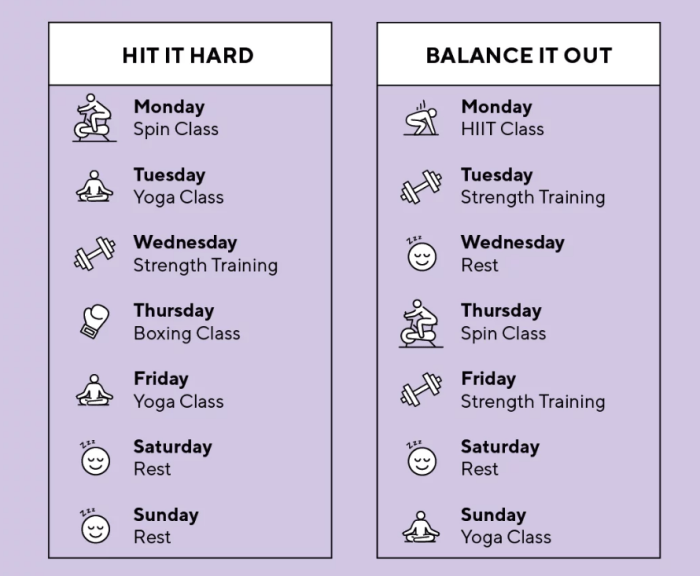
How to design a balanced fitness routine for full-body workouts

Fitness is not just about achieving a toned physique; it’s a cornerstone of a holistic healthy lifestyle. Integrating fitness into your daily routine can have profound effects on your overall well-being, from boosting your physical health to enhancing your mental resilience.

The Interconnectedness of Fitness and Health

A well-designed fitness routine can positively impact various aspects of your health, creating a ripple effect of benefits. Let’s explore the intricate connections between fitness and other health dimensions.

Health Aspect Connection to Fitness
Stress Management Exercise acts as a natural stress reliever, releasing endorphins that improve mood and reduce anxiety. Regular physical activity helps manage cortisol levels, the stress hormone.
Healthy Lifestyle A fitness routine encourages healthy habits like regular sleep, balanced nutrition, and mindful movement, contributing to overall well-being.
Medical Innovations Technology and medical advancements offer tools like wearable fitness trackers, personalized training plans, and telemedicine consultations, supporting fitness goals.
Nutritional Supplements Supplements can potentially support fitness goals, but it’s crucial to consult with a healthcare professional before using them. They may not be suitable for everyone and can have potential risks.
Fitness Routine A well-structured fitness routine improves cardiovascular health, muscle strength, flexibility, and endurance, contributing to overall physical fitness.
Health Screenings Regular health checks are crucial to identify potential health issues that might affect fitness goals.
Disease Prevention Exercise reduces the risk of chronic diseases such as heart disease, stroke, type 2 diabetes, and some types of cancer.
Sleep Hygiene Regular exercise promotes better sleep quality, contributing to improved fitness performance.
Mental Clarity Exercise enhances cognitive function, improving memory, focus, and mental clarity.
Hydration Importance Staying adequately hydrated is essential for optimal fitness performance, as it regulates body temperature, lubricates joints, and transports nutrients.
Healthy Habits Incorporating fitness into daily life promotes healthy habits, leading to a more balanced and fulfilling lifestyle.
Emotional Wellbeing Exercise releases endorphins, which have mood-boosting effects, improving emotional well-being and reducing stress.
Healthy Aging Regular exercise slows down the aging process, maintaining muscle mass, bone density, and overall physical function.
Active Lifestyle An active lifestyle beyond structured workouts, such as walking, gardening, or taking the stairs, contributes to overall health and fitness.
Cardiovascular Health Exercise strengthens the heart and improves blood circulation, reducing the risk of heart disease and stroke.
Healthy Recipes Examples of healthy recipes that support fitness goals include:

  • Grilled Salmon with Roasted Vegetables
  • Quinoa Salad with Grilled Chicken
  • Lentil Soup with Whole Wheat Bread
Mental Resilience Exercise enhances mental resilience by building self-confidence, improving stress management skills, and promoting a positive mindset.
Immune Support Regular physical activity strengthens the immune system, reducing the risk of infections and illnesses.
Stress Relief Beyond exercise, stress management techniques like yoga, meditation, and deep breathing can also help manage stress levels.
Nutritional Balance A balanced diet rich in fruits, vegetables, whole grains, and lean protein is essential for optimal fitness performance.

Conclusive Thoughts

How to design a balanced fitness routine for full-body workouts

By following the principles Artikeld in this guide, you can create a balanced full-body workout routine that aligns with your fitness goals and lifestyle. Remember, consistency and dedication are key to achieving lasting results. Listen to your body, embrace progressive overload, and enjoy the journey of building a stronger, healthier you.

This journey is about more than just physical fitness; it’s about cultivating a holistic approach to health and well-being.

FAQ Insights

How often should I do full-body workouts?

For optimal results and muscle recovery, aim for 2-3 full-body workouts per week with rest days in between.

What if I don’t have access to weights?

No problem! You can still achieve great results with bodyweight exercises, resistance bands, and even everyday objects.

How can I prevent injuries?

Focus on proper form, gradually increase intensity, and listen to your body. Don’t push yourself beyond your limits.

What are some good pre-workout snacks?

Opt for a mix of carbohydrates and protein, such as a banana with peanut butter or a handful of almonds.

How can I stay motivated?

Set realistic goals, find a workout buddy, track your progress, and reward yourself for achievements.
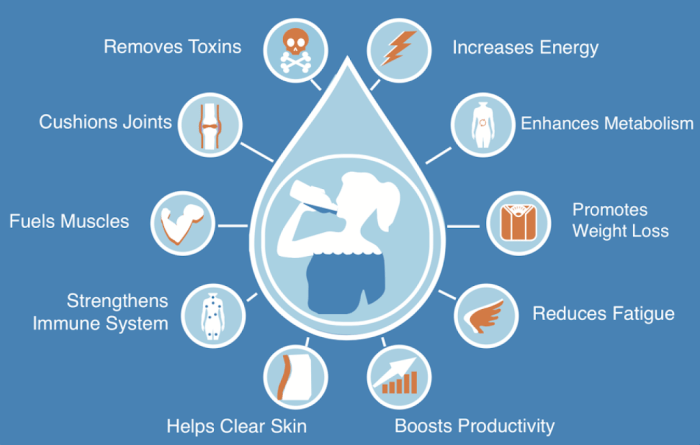
Hydration and its importance for maintaining body temperature: A Vital Connection

Hydration and its importance for maintaining body temperature

Importance of Hydration for Maintaining Body Temperature

Hydration and its importance for maintaining body temperature – Proper hydration plays a vital role in regulating body temperature, especially during physical activity or exposure to hot environments. Water is essential for the body’s thermoregulation process, helping to maintain a stable internal temperature.

Dehydration and its Impact on Temperature Regulation, Hydration and its importance for maintaining body temperature

When the body is dehydrated, it loses the ability to effectively regulate temperature. Dehydration reduces the body’s ability to sweat, which is a crucial mechanism for cooling down. As a result, the risk of overheating and heat-related illnesses increases significantly.

Water’s Role in Cooling the Body

During physical activity, the body generates heat, causing the internal temperature to rise. Sweat is produced to cool the body down through evaporation. Adequate hydration ensures that there is enough water available for sweating, allowing the body to dissipate heat efficiently.

Hydration and Stress Management

Maintaining proper hydration levels is not only crucial for regulating body temperature but also plays a significant role in managing stress levels. Dehydration can lead to increased feelings of stress and anxiety, making it essential to prioritize hydration for overall well-being.

Connection between Hydration and Stress Levels

  • Dehydration can impact cognitive function and mood, contributing to higher stress levels.
  • Staying hydrated helps support proper brain function and can improve resilience to stressors.
  • Research shows that even mild dehydration can affect mood and cognitive performance, leading to increased stress.

How Staying Hydrated Helps Manage Stress

  • Hydration plays a role in regulating cortisol levels, the stress hormone in the body.
  • Proper hydration can improve focus and concentration, aiding in stress management.
  • Drinking water can have a calming effect on the body and mind, reducing feelings of stress and tension.

Tips for Maintaining Hydration During Stressful Situations

  • Carry a reusable water bottle with you to ensure easy access to water throughout the day.
  • Set reminders or create a schedule to drink water regularly, especially during busy or stressful periods.
  • Incorporate hydrating foods like fruits and vegetables into your diet to supplement your water intake.
  • Avoid excessive consumption of caffeinated or sugary beverages, as they can contribute to dehydration.
  • Practice mindful hydration by paying attention to your body’s thirst signals and responding promptly.

Hydration in a Healthy Lifestyle

Proper hydration is essential for maintaining a healthy lifestyle as it plays a crucial role in various bodily functions.

Impact of Hydration on Overall Well-being

  • Hydration helps in regulating body temperature, aiding digestion, and transporting nutrients throughout the body.
  • It also helps in flushing out toxins and waste products, keeping the body functioning optimally.
  • Dehydration can lead to fatigue, headaches, muscle cramps, and overall decreased performance.
  • On the other hand, staying hydrated can improve energy levels, cognitive function, and overall mood.
  • Proper hydration is key to maintaining good health and preventing various health issues.

Strategies for Incorporating Proper Hydration into Daily Routines

  • Carry a reusable water bottle with you throughout the day to remind yourself to drink water regularly.
  • Set reminders on your phone or computer to take water breaks at regular intervals.
  • Incorporate hydrating foods such as fruits and vegetables into your meals and snacks.
  • Drink a glass of water before and after every meal to ensure adequate hydration.
  • Avoid excessive consumption of caffeinated or sugary beverages, as they can dehydrate the body.
  • Listen to your body’s signals and drink water whenever you feel thirsty.

Medical Innovations for Hydration Monitoring

In today’s world, there are numerous innovative technologies available for monitoring hydration levels. These devices provide individuals with the ability to track their hydration status in real-time, allowing for better management of their overall health and well-being.

Hydration Tracking Wearables

One of the most popular innovations in hydration monitoring is the development of hydration tracking wearables. These devices, worn on the wrist or as a patch on the skin, use sensors to measure hydration levels through sweat analysis. By continuously monitoring sweat composition, these wearables can provide insights into hydration status and electrolyte balance.

Smart Water Bottles

Smart water bottles are another technological advancement that can help individuals stay hydrated throughout the day. These bottles are equipped with sensors that track water intake and remind users to drink water at regular intervals. Some smart water bottles even sync with smartphone apps to provide personalized hydration goals based on individual needs.

Urine Color Charts

While not as high-tech as wearables or smart bottles, urine color charts remain a simple yet effective tool for monitoring hydration levels. By comparing the color of urine to a standardized chart, individuals can assess their hydration status and make adjustments to their fluid intake accordingly.

Benefits of Hydration Monitoring Devices

The use of these innovative hydration monitoring devices offers numerous benefits for maintaining optimal hydration. By tracking hydration levels in real-time, individuals can prevent dehydration, improve physical performance, and enhance cognitive function. These devices also promote better awareness of personal hydration habits, leading to long-term health benefits and a reduced risk of dehydration-related complications.

Nutritional Supplements for Hydration

Nutritional supplements can play a crucial role in maintaining hydration levels in the body, especially during intense physical activity or in hot weather conditions. These supplements can help replenish electrolytes lost through sweating and support overall hydration balance.

Key Nutritional Supplements for Hydration

  • Electrolyte Supplements: Electrolytes such as sodium, potassium, magnesium, and calcium are essential for maintaining proper fluid balance in the body. Supplementing with electrolytes can help prevent dehydration and support muscle function during exercise.
  • Hydration Drinks: Specialized hydration drinks containing electrolytes and carbohydrates can be effective in replenishing fluids and nutrients lost during strenuous activities.
  • Coconut Water: Natural coconut water is rich in electrolytes and can be a refreshing and hydrating alternative to traditional sports drinks.

Effectiveness of Electrolyte Supplements for Hydration

Electrolyte supplements can help restore the balance of minerals in the body, regulate fluid levels, and support hydration during periods of increased fluid loss.

Recommendations for Incorporating Supplements into a Hydration Routine

  • Consult with a healthcare provider or nutritionist to determine the right type and amount of supplements based on individual needs and activity levels.
  • Integrate supplements into your pre-workout or post-workout routine to support hydration before and after physical activity.
  • Stay hydrated throughout the day by drinking water regularly and incorporating hydrating foods such as fruits and vegetables into your diet.

Hydration and Fitness Routine: Hydration And Its Importance For Maintaining Body Temperature

Maintaining proper hydration levels is crucial for optimizing your fitness routine and performance. Dehydration can lead to decreased exercise capacity, muscle cramps, and fatigue. Here, we will explore the relationship between hydration and exercise performance, along with guidelines for hydration before, during, and after workouts, and the impact of hydration on recovery and muscle function.

The Relationship Between Hydration and Exercise Performance

Proper hydration is essential for maintaining optimal physical performance during exercise. Dehydration can lead to a decrease in blood volume, which in turn impairs the body’s ability to regulate temperature and deliver nutrients to muscles efficiently. This can result in decreased endurance, strength, and overall performance.

Guidelines for Hydrating Before, During, and After Workouts

– Before Exercise: Drink about 17-20 ounces of water 2-3 hours before your workout.
– During Exercise: Consume 7-10 ounces of water every 10-20 minutes during exercise. For intense workouts lasting longer than an hour, consider a sports drink containing electrolytes to replenish lost minerals.
– After Exercise: Rehydrate by drinking 8 ounces of water within 30 minutes of finishing your workout and continue to drink water throughout the day to replenish fluid lost during exercise.

Impact of Hydration on Recovery and Muscle Function

Proper hydration post-workout is essential for recovery and muscle function. Adequate hydration helps transport nutrients to muscles, remove waste products, and maintain muscle function. Dehydration can prolong recovery time, increase muscle soreness, and hinder muscle repair and growth.

Importance of Hydration in Health Screenings

Maintaining proper hydration levels is crucial when it comes to health screenings. Dehydration can significantly impact the results of various tests and assessments, potentially leading to inaccurate or misleading information.

Impact of Hydration Levels on Health Screenings

  • Dehydration can skew blood test results, affecting levels of important markers such as electrolytes, kidney function indicators, and liver enzymes.
  • Inadequate hydration may alter urine samples, making it harder to detect certain conditions like urinary tract infections or kidney issues.
  • Hydration status can influence imaging tests like MRIs or CT scans, affecting the clarity and accuracy of the images produced.

Hydration for Disease Prevention

Adequate hydration is crucial for disease prevention as it plays a significant role in maintaining overall health and well-being. When our bodies are properly hydrated, it can help prevent certain diseases and ailments, making hydration a key component of a healthy lifestyle.

Link between Hydration and Immune Function

Proper hydration is essential for maintaining a strong immune system. Dehydration can weaken the immune response, making the body more susceptible to infections and illnesses. By staying hydrated, we can support our immune function and better protect ourselves against various diseases.

Hydration’s Role in Disease Prevention Strategies

Hydration is often overlooked as a preventive measure for diseases, but it can have a significant impact on our overall health. Incorporating adequate fluid intake into our daily routine can help prevent conditions such as urinary tract infections, kidney stones, and even certain types of cancers. By staying hydrated, we can support our body’s natural defenses and reduce the risk of developing these diseases.

Hydration and Sleep Hygiene

Proper hydration plays a crucial role in maintaining a healthy sleep routine. Dehydration can disrupt sleep patterns and lead to various sleep disturbances, affecting overall sleep quality.

Relationship between Hydration and Quality of Sleep

Maintaining adequate hydration levels is essential for promoting quality sleep. Dehydration can cause discomfort, leading to frequent awakenings during the night and overall fragmented sleep. To ensure a good night’s rest, it is important to stay hydrated throughout the day.

How Hydration Levels Affect Sleep Patterns

Dehydration can impact the body’s ability to regulate its temperature, which is crucial for falling and staying asleep. When dehydrated, the body may struggle to cool down, leading to restlessness and difficulty in falling asleep. Proper hydration helps in maintaining the body’s temperature regulation, promoting a more restful sleep.

Tips for Maintaining Proper Hydration for Better Sleep Hygiene

  • Drink an adequate amount of water throughout the day, especially during the evening hours.
  • Avoid excessive consumption of caffeinated or alcoholic beverages, as they can dehydrate the body.
  • Include hydrating foods in your diet, such as fruits and vegetables with high water content.
  • Keep a water bottle by your bedside to stay hydrated during the night if needed.
  • Monitor your hydration levels and adjust your intake based on your activity levels and environment.

Hydration for Mental Clarity

Hydration and its importance for maintaining body temperature
Maintaining proper hydration is not only crucial for physical health but also plays a significant role in cognitive function and mental clarity. Dehydration can have a direct impact on brain function, affecting concentration, memory, and overall cognitive performance.

Effects of Dehydration on Cognitive Performance

Dehydration can lead to a decrease in brain volume, affecting neurotransmitter function and cognitive abilities. Studies have shown that even mild dehydration can impair cognitive performance, leading to difficulties in focus, decision-making, and problem-solving. It can also result in increased feelings of fatigue and mood changes, further impacting mental clarity.

  • Dehydration can cause a decrease in cognitive function, affecting memory and concentration.
  • Brain cells require adequate hydration to function optimally, and dehydration can hinder their performance.
  • Even slight dehydration levels can lead to decreased alertness and slower reaction times.

Strategies for Staying Hydrated to Support Mental Clarity

To maintain mental clarity and cognitive function, it is essential to stay properly hydrated throughout the day. Here are some strategies to ensure adequate hydration:

  1. Drink water regularly throughout the day, aiming for at least 8-10 glasses.
  2. Monitor your urine color – clear or light yellow urine indicates proper hydration.
  3. Incorporate hydrating foods with high water content, such as fruits and vegetables, into your diet.
  4. Avoid excessive intake of caffeine and alcohol, as they can contribute to dehydration.
  5. Carry a reusable water bottle with you to remind yourself to drink water consistently.

Expert Answers

How does hydration impact exercise performance?

Staying hydrated ensures optimal muscle function and prevents fatigue during workouts, ultimately enhancing exercise performance.

Can dehydration affect cognitive function?

Yes, dehydration can lead to reduced cognitive performance, affecting mental clarity and focus.

What role does hydration play in disease prevention?

Adequate hydration supports immune function, helping to prevent certain diseases and maintain overall health.