How to maintain physical fitness and mobility for healthy aging is a question on many minds as we age. While it’s true that our bodies change over time, there are proven strategies that can help us stay active, strong, and independent as we get older.
This article will explore a holistic approach to healthy aging, covering everything from exercise and nutrition to stress management and mental well-being.
By embracing a proactive approach to health, we can not only improve our physical abilities but also enhance our quality of life, enabling us to enjoy our golden years with vitality and purpose.
Understanding Healthy Aging
Aging is a natural process, and while it brings about changes in our bodies, it doesn’t have to mean a decline in health and well-being. Maintaining physical fitness and mobility is crucial for healthy aging, allowing us to enjoy life to the fullest, even as we get older.
The Importance of Physical Fitness and Mobility for Healthy Aging
Physical fitness and mobility play a vital role in healthy aging. They help us maintain our independence, reduce the risk of chronic diseases, and improve our overall quality of life.
- Increased Muscle Mass and Strength:Regular exercise helps build and maintain muscle mass, which is essential for strength, balance, and mobility. As we age, we naturally lose muscle mass, a process known as sarcopenia. Physical activity can slow down this process and help us stay strong and active.
- Improved Bone Density:Weight-bearing exercises, such as walking, running, and weightlifting, help strengthen bones and reduce the risk of osteoporosis, a condition that weakens bones and makes them more prone to fractures.
- Enhanced Cardiovascular Health:Regular exercise strengthens the heart and lungs, improves blood circulation, and reduces the risk of heart disease, stroke, and other cardiovascular problems.
- Improved Balance and Coordination:Exercises that focus on balance and coordination, such as yoga or tai chi, help prevent falls, which are a major concern for older adults.
- Increased Flexibility and Range of Motion:Stretching and flexibility exercises help maintain a good range of motion in our joints, making it easier to move around and perform daily activities.
Benefits of Maintaining a Healthy Lifestyle for Longevity and Quality of Life
A healthy lifestyle that includes regular physical activity, a balanced diet, and stress management can significantly contribute to longevity and quality of life.
- Reduced Risk of Chronic Diseases:A healthy lifestyle can lower the risk of developing chronic diseases such as heart disease, stroke, type 2 diabetes, and certain types of cancer.
- Improved Mental Health:Exercise has been shown to improve mood, reduce stress and anxiety, and enhance cognitive function.
- Increased Energy Levels:Regular physical activity can boost energy levels and help us feel more vibrant and alert.
- Improved Sleep Quality:Exercise can promote better sleep quality, which is essential for overall health and well-being.
- Enhanced Social Connections:Participating in group exercise classes or joining a sports team can provide opportunities for social interaction and support.
Research Findings on the Positive Impact of Physical Activity on Aging
Numerous studies have demonstrated the positive impact of physical activity on healthy aging.
- Increased Life Expectancy:Research shows that physically active individuals have a lower risk of premature death and live longer, healthier lives. A study published in the Journal of the American Medical Association found that regular exercise was associated with a 30% reduction in the risk of all-cause mortality.
- Improved Cognitive Function:Studies have shown that regular exercise can improve cognitive function, including memory, attention, and processing speed, in older adults. A study published in the journal Neurology found that older adults who engaged in regular physical activity had a lower risk of developing dementia.
- Reduced Risk of Falls:Physical activity can help improve balance and coordination, reducing the risk of falls, which are a leading cause of injuries and hospitalizations in older adults. A study published in the journal Age and Ageing found that older adults who participated in a balance training program had a significantly lower risk of falling.
Developing a Fitness Routine: How To Maintain Physical Fitness And Mobility For Healthy Aging
Designing a fitness routine tailored to seniors is crucial for maintaining physical fitness and mobility. A well-structured routine should encompass strength training, cardio, and flexibility exercises, aiming to enhance muscle strength, improve cardiovascular health, and increase range of motion.
Designing a Sample Fitness Routine
A balanced fitness routine for seniors should incorporate a variety of exercises targeting different muscle groups. This routine should be tailored to individual fitness levels and limitations, and gradually progressed over time. Here is a sample fitness routine for seniors:
Warm-up (5-10 minutes)
- Light cardio, such as walking or marching in place, to elevate heart rate and prepare muscles for exercise.
- Dynamic stretching, such as arm circles, leg swings, and torso twists, to increase flexibility and range of motion.
Strength Training (20-30 minutes)
- Chair Squats:Stand with feet shoulder-width apart, holding a chair for support. Lower your body as if sitting down, keeping your back straight and core engaged. Repeat 10-15 times.
- Wall Push-Ups:Stand facing a wall, arms shoulder-width apart, hands at shoulder height. Lean forward, bending your elbows and bringing your chest towards the wall. Push back to the starting position. Repeat 10-15 times.
- Bicep Curls:Sit on a chair with your feet flat on the floor, holding light dumbbells in each hand. Curl the weights up towards your shoulders, keeping your elbows close to your sides. Lower the weights back down slowly. Repeat 10-15 times.
- Triceps Extensions:Sit on a chair with your feet flat on the floor, holding a light dumbbell in each hand. Extend your arms overhead, keeping your elbows slightly bent. Lower the weights behind your head, bending your elbows. Push back to the starting position.
Repeat 10-15 times.
Cardio (20-30 minutes)
- Walking:Aim for 30 minutes of brisk walking most days of the week. You can also try walking on an incline or incorporating intervals of faster walking.
- Swimming:Swimming is a low-impact exercise that is gentle on the joints. It can improve cardiovascular health and muscle strength.
- Cycling:Stationary cycling or cycling outdoors is a good option for seniors who have good balance and coordination. Start with shorter sessions and gradually increase the duration and intensity.
Flexibility Exercises (10-15 minutes)
- Stretching:Hold each stretch for 30 seconds, focusing on major muscle groups such as the hamstrings, quads, and back.
- Yoga:Gentle yoga poses can improve flexibility, balance, and range of motion. Many studios offer classes specifically designed for seniors.
- Tai Chi:Tai chi is a low-impact exercise that combines slow, flowing movements with deep breathing. It can improve balance, coordination, and flexibility.
Cool-down (5-10 minutes)
- Light cardio, such as walking or marching in place, to gradually lower your heart rate.
- Static stretching, such as holding a hamstring stretch or a quad stretch, to improve flexibility and reduce muscle soreness.
Adapting Exercises
- Modify exercises:If an exercise is too difficult, you can modify it to make it easier. For example, you can do chair squats instead of standing squats, or use lighter weights.
- Listen to your body:If you experience any pain, stop the exercise and consult with a healthcare professional.
- Start slowly and gradually increase intensity:It’s important to start slowly and gradually increase the intensity of your workouts. This will help to prevent injuries and allow your body to adapt to the new activity.
Importance of Gradual Progression
- Gradual progressionrefers to the process of gradually increasing the intensity, duration, and frequency of your workouts over time. This approach allows your body to adapt to the demands of exercise and reduces the risk of injury.
- Listen to your body: Pay attention to your body’s signals and adjust your workouts accordingly. If you’re feeling overly tired or sore, take a rest day or reduce the intensity of your workout.
Nutrition for Healthy Aging

A balanced diet rich in essential nutrients plays a vital role in maintaining physical fitness and mobility as we age. By prioritizing nutrient-rich foods, we can support bone health, preserve muscle mass, and enhance overall vitality, contributing to a healthier and more active later life.
Essential Nutrients for Healthy Aging
A well-rounded diet should include a variety of nutrient-rich foods that support bone health, muscle mass, and overall vitality.
- Calcium: Crucial for bone health, calcium is found in dairy products (milk, yogurt, cheese), leafy green vegetables (kale, spinach), fortified plant milks, and some fortified foods like orange juice.
- Vitamin D: Aids in calcium absorption and bone health. Good sources include fatty fish (salmon, tuna, mackerel), eggs, fortified milk, and sun exposure.
- Protein: Essential for maintaining muscle mass, protein is found in lean meats, poultry, fish, beans, lentils, tofu, and eggs.
- Vitamin B12: Important for nerve function and red blood cell production, vitamin B12 is found in meat, poultry, fish, eggs, dairy products, and fortified cereals.
- Omega-3 Fatty Acids: Contribute to heart health and brain function. Good sources include fatty fish (salmon, tuna, mackerel), walnuts, flaxseeds, and chia seeds.
Hydration and Its Importance
Staying adequately hydrated is crucial for maintaining mobility and preventing age-related health issues. Water helps lubricate joints, regulate body temperature, and transport nutrients throughout the body.
“Aim for at least eight glasses of water per day, and more if you are physically active or live in a hot climate.”
Healthy Recipes for Seniors
Incorporating diverse ingredients and nutritional value into meals can be a challenge for seniors. Here are a few healthy recipes that are easy to prepare and packed with essential nutrients:
Salmon with Roasted Vegetables
- Ingredients: 1 salmon fillet, 1 cup broccoli florets, 1 cup carrots, 1/2 cup zucchini, olive oil, salt, pepper, lemon juice
- Instructions: Preheat oven to 400°F. Toss vegetables with olive oil, salt, pepper, and lemon juice. Spread vegetables on a baking sheet and roast for 15-20 minutes. Bake salmon for 10-12 minutes. Serve salmon with roasted vegetables.
Lentil Soup
- Ingredients: 1 cup lentils, 4 cups vegetable broth, 1 onion, chopped, 2 carrots, chopped, 2 celery stalks, chopped, 1 teaspoon dried thyme, 1 bay leaf, salt, pepper
- Instructions: Rinse lentils. In a large pot, combine lentils, broth, onion, carrots, celery, thyme, and bay leaf. Bring to a boil, then reduce heat and simmer for 30 minutes, or until lentils are tender. Season with salt and pepper to taste.
Quinoa Salad
- Ingredients: 1 cup quinoa, 2 cups chopped vegetables (such as bell peppers, cucumbers, tomatoes), 1/2 cup chopped herbs (such as parsley, cilantro), 1/4 cup olive oil, 2 tablespoons lemon juice, salt, pepper
- Instructions: Cook quinoa according to package directions. Combine quinoa, vegetables, herbs, olive oil, lemon juice, salt, and pepper in a bowl. Toss to combine.
Stress Management and Emotional Wellbeing
Stress is a natural part of life, but chronic stress can have a significant impact on physical and mental health, especially as we age. For seniors, stress can exacerbate existing health conditions, weaken the immune system, and contribute to feelings of anxiety and depression.
Learning to manage stress effectively is essential for maintaining a healthy and fulfilling life.
Managing Stress and Emotional Wellbeing
Stress management techniques can help seniors reduce stress levels and improve their overall well-being. These techniques can be incorporated into daily routines to promote relaxation and emotional balance.
Mindfulness and Meditation
Mindfulness involves focusing on the present moment without judgment. It can help reduce stress by calming the mind and promoting a sense of awareness. Meditation practices, such as deep breathing exercises and guided imagery, can help cultivate mindfulness and reduce stress levels.
A regular meditation practice can help seniors develop a sense of calm and inner peace.
Relaxation Techniques
Progressive muscle relaxation, a technique that involves tensing and relaxing different muscle groups, can help reduce physical tension and promote relaxation. Deep breathing exercises, such as diaphragmatic breathing, can help calm the nervous system and reduce stress. Other relaxation techniques include listening to calming music, taking warm baths, or spending time in nature.
Social Connections and Support Systems
Strong social connections are crucial for mental well-being. Engaging in activities with friends and family can provide a sense of purpose and belonging, reducing feelings of loneliness and isolation. Social support systems can offer emotional comfort, practical assistance, and a sense of community, all of which contribute to overall well-being.
Seniors who have strong social connections are less likely to experience stress, anxiety, and depression.
Maintaining Mental Clarity
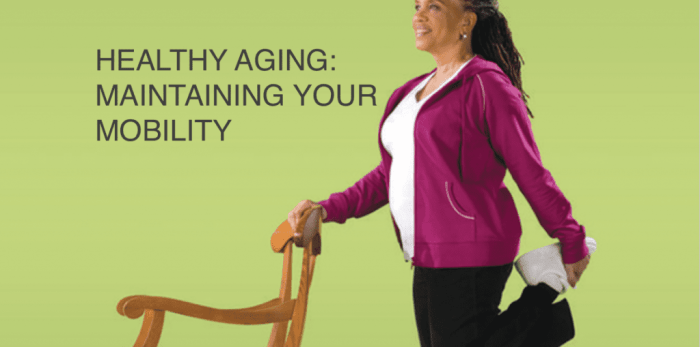
Maintaining mental sharpness is crucial for healthy aging. As we age, our cognitive function may naturally decline, but we can take proactive steps to preserve our mental abilities and enjoy a vibrant, fulfilling life.
Activities that Promote Brain Health
Engaging in activities that challenge and stimulate our brains can help maintain cognitive function and even enhance it. Here are some examples:
- Puzzles and Games:Crosswords, Sudoku, jigsaw puzzles, and brain training apps can help sharpen memory, focus, and problem-solving skills.
- Learning New Skills:Acquiring new skills, such as playing a musical instrument, learning a language, or taking up a new hobby, can create new neural connections and enhance cognitive flexibility.
- Social Interaction:Regular social interaction, whether with friends, family, or community groups, can stimulate mental activity and provide opportunities for cognitive engagement.
The Importance of Sleep
Adequate sleep is essential for cognitive function and overall well-being. During sleep, our brains process information, consolidate memories, and restore energy.
- Sleep Deprivation:Lack of sleep can impair memory, concentration, and decision-making abilities, making it harder to learn new information and retain knowledge.
- Recommended Sleep Duration:Most adults need around 7-8 hours of sleep per night to function optimally. However, individual needs may vary.
- Sleep Hygiene:Establishing good sleep hygiene practices, such as maintaining a regular sleep schedule, creating a relaxing bedtime routine, and avoiding caffeine and alcohol before bed, can promote restful sleep.
Medical Innovations and Disease Prevention
The advancements in medical technology and treatments have revolutionized the way we approach age-related health conditions. These innovations not only improve quality of life but also contribute to a longer and healthier lifespan. Moreover, understanding and adopting preventative measures and early detection strategies for common age-related diseases are crucial in maintaining overall well-being.
Early Detection and Screening
Regular health screenings are essential for identifying potential health issues early on, when they are often easier to treat. Early detection allows for timely intervention, potentially preventing the progression of diseases and minimizing complications. Here are some examples of important screenings:
- Blood Pressure:Regular blood pressure checks are crucial for identifying hypertension, a common condition that can increase the risk of heart disease, stroke, and other health problems.
- Cholesterol:Monitoring cholesterol levels helps assess the risk of heart disease, a leading cause of death in older adults. High cholesterol levels can contribute to plaque buildup in arteries, leading to heart attacks or strokes.
- Blood Sugar:Regular blood sugar checks are important for identifying diabetes, a condition that affects how the body regulates blood sugar. Untreated diabetes can lead to various complications, including heart disease, kidney failure, and nerve damage.
- Colorectal Cancer:Colorectal cancer screenings, such as colonoscopies, are essential for detecting polyps and early stages of cancer, allowing for timely treatment and potentially preventing the disease from progressing.
- Bone Density:Bone density scans are particularly important for women, as they are at higher risk of osteoporosis, a condition that weakens bones and increases the risk of fractures.
Preventative Measures
Adopting a healthy lifestyle can significantly reduce the risk of developing chronic diseases and improve overall well-being.Here are some important preventative measures:
- Maintain a Healthy Diet:A balanced diet rich in fruits, vegetables, whole grains, and lean protein is crucial for providing the nutrients needed for optimal health and reducing the risk of chronic diseases.
- Regular Physical Activity:Engaging in regular physical activity is essential for maintaining muscle mass, bone density, cardiovascular health, and overall fitness. Aim for at least 30 minutes of moderate-intensity exercise most days of the week.
- Quit Smoking:Smoking is a major risk factor for various health conditions, including heart disease, lung cancer, and stroke. Quitting smoking is one of the most important steps you can take to improve your health.
- Manage Stress:Chronic stress can have a negative impact on both physical and mental health. Finding healthy ways to manage stress, such as exercise, meditation, or spending time in nature, is essential for maintaining overall well-being.
- Get Enough Sleep:Adequate sleep is crucial for physical and mental restoration. Aim for 7-9 hours of quality sleep each night.
Medical Advancements
Medical innovations have led to significant advancements in the treatment and management of age-related health conditions. Here are some notable examples:
- Gene Therapy:Gene therapy holds immense potential for treating various diseases, including age-related conditions. This innovative approach involves modifying genes to correct underlying genetic defects or introduce new genes to fight disease.
- Artificial Intelligence (AI):AI is being used to develop personalized treatments, predict disease risk, and improve diagnostic accuracy. AI-powered tools can analyze vast amounts of data to identify patterns and trends that may not be apparent to humans.
- Immunotherapy:Immunotherapy is a promising approach to cancer treatment that involves boosting the body’s own immune system to fight cancer cells. This treatment modality is particularly effective for certain types of cancer, including lung cancer and melanoma.
- Stem Cell Therapy:Stem cell therapy holds potential for repairing damaged tissues and organs, including those affected by age-related conditions. Stem cells are undifferentiated cells that can develop into various cell types, offering a unique opportunity for regenerative medicine.
Lifestyle Habits for Healthy Aging
Adopting healthy lifestyle habits is crucial for maintaining physical fitness and mobility as we age. These habits play a significant role in enhancing overall well-being, promoting longevity, and enabling individuals to live fulfilling lives.
Benefits of Healthy Lifestyle Habits
Incorporating healthy lifestyle habits into daily life offers numerous benefits for seniors. These habits contribute to maintaining physical fitness, enhancing mobility, improving cognitive function, and promoting overall health and well-being.
- Improved Physical Function:Regular exercise strengthens muscles, improves balance, and enhances flexibility, making it easier to perform daily activities and reducing the risk of falls.
- Reduced Risk of Chronic Diseases:Maintaining a healthy weight, consuming a balanced diet, and managing stress can significantly lower the risk of developing chronic diseases such as heart disease, diabetes, and certain types of cancer.
- Enhanced Cognitive Function:Regular exercise and a healthy diet have been shown to improve cognitive function, memory, and overall brain health, reducing the risk of cognitive decline and dementia.
- Improved Sleep Quality:Regular exercise, a healthy diet, and stress management techniques can promote better sleep quality, which is essential for overall health and well-being.
- Increased Energy Levels:By adopting healthy lifestyle habits, seniors can experience increased energy levels, enabling them to participate in activities they enjoy and live more fulfilling lives.
- Improved Mood and Emotional Well-being:Exercise, a healthy diet, and stress management techniques have been shown to improve mood, reduce anxiety, and promote emotional well-being.
Importance of Maintaining a Positive Attitude
Maintaining a positive attitude is essential for healthy aging. A positive outlook can help seniors cope with challenges, maintain motivation, and enhance their overall quality of life. Engaging in enjoyable activities, connecting with loved ones, and pursuing hobbies can contribute to a positive mindset.
Engaging in Enjoyable Activities, How to maintain physical fitness and mobility for healthy aging
Engaging in activities that bring joy and fulfillment can significantly improve overall well-being. These activities can include hobbies, social gatherings, volunteering, or pursuing new interests. Finding activities that are personally meaningful and enjoyable can help seniors maintain a sense of purpose and fulfillment.
End of Discussion
The journey to healthy aging is not a destination, but a continuous process of learning, adapting, and embracing a healthy lifestyle. By incorporating the strategies Artikeld in this article, you can empower yourself to age gracefully, maintaining your physical fitness and mobility while enjoying a fulfilling and vibrant life.
Remember, it’s never too late to prioritize your health and well-being. Take charge of your aging journey and embrace the possibilities of a healthy and fulfilling life.
FAQs
What are some common age-related health conditions?
Common age-related health conditions include arthritis, osteoporosis, heart disease, diabetes, and cognitive decline.
How can I prevent falls as I get older?
Regular exercise, especially strength training and balance exercises, can help improve your stability and reduce your risk of falls. You can also make your home safer by removing tripping hazards and installing grab bars in the bathroom.
Is it ever too late to start exercising?
It’s never too late to start exercising! Even small amounts of physical activity can have significant benefits for your health. Consult your doctor before starting any new exercise program, especially if you have any underlying health conditions.